Webinar: Social Media Marketing Made Simple
A 2014 SBA webinar (partnering with Microsoft and Constant Contact) presenting practical guidance on social media and cloud technology for small business growth. Speakers describe research linking technology adoption to higher revenue and job creation, give platform-specific best practices (Facebook, Twitter, LinkedIn, Pinterest, email), and offer tactical tips for getting started and measuring engagement.
Chapters
Thank you. Hi, everyone.
My name is Natalie Goriel and I'm the online media coordinator for the U.S. small Business Administration. I'd like to welcome you to today's webinar. This webinar is made possible through a public private partnership with Microsoft in constant contact. Partnerships like this one allow the government and the private sector to come together in support of the small business community. It allows us to hold free webinars like this on a variety of business topics. In just a moment, I'll turn it over to Allison Salter from Microsoft. But before I do that, I want to say a little bit about why SBA is so excited about this partnership. We know that as small business owners and entrepreneurs, you need more of two things, time and money. Our mission at the SBA is to provide the nation's 28 million small businesses with the support they need in a world where time and money are both short. We do this through what we call the three Cs. First, SBA provides capital to small businesses in the form of guaranteed loans to start, expand, export, or recover after a disaster. Second, we help small businesses with government contracts, which is a 100 billion dollar market. And finally, what brings us here today is that SBA provides counseling services, often at no cost. Many of you might be familiar with the SBA resource partner network, including small business development centers, SCORE mentors, women's business centers, veterans business centers, and our SBA field offices. I encourage you to visit SBA.gov to learn more about what services and events you can find in our Resource Partner Network. In addition to the SBA Resource Partner Network, we work with private companies to bring in expertise in high priority areas like social media marketing. We often receive many questions about how and where to start when it comes to social media. And so through this partnership, we will offer you with some social media marketing tips to help you succeed. So let's get started. I'd like to turn it over to Allison from Microsoft.
Thank you, Natalie. Hi everybody. Good morning or good afternoon depending on where you're joining us. My name is Allison Saltzer and I'm a small business owner. I'm actually in Colorado, based out of Colorado, and my husband and I. My husband's name is Larry. So that's the L in A and L Foods. We own a natural foods manufacturer and a commercial kitchen here in Colorado. And I also have the privilege of being a small business strategist for Microsoft. So my job is at the national level, again working for my little home office thanks to the benefits of technology. And we focus on working with national organizations like the sba, like the Small Business Development Centers and chambers of commerce across the country, really to help small businesses understand how technology can help them transform their business, grow their business, and honestly live the life of their dreams. I firmly believe there's no way I could have the life that I have being a business owner, mom to two young boys, two Labradors, two hamsters now, plus full time at Microsoft, if I didn't have technology to be able to work from anywhere. So my Twitter handle is right there and Ron is going to be nice enough to forward the slides for me. So what I wanted to do is just give a quick 5 minute overview to put this into context and to talk a little bit about how technology can really help grow your business. The Boston Consulting Group actually did a study that was published in October of 2013 to help understand, okay, what is the link between technology and adopting modern technology and business growth? Is it worth it, is it worth it to join webinars like this to learn about new things? What's the actual results that happen? And to give you an idea of sort of the results of the study, on the left basically is a continuum of technology adoption. So at the very, very top end, are they using a computer? Is there Internet connectivity? Are they using some kind of office software? And then moving down the continuum, are there smartphones, Are they using the Internet to enable their communications with their customers? And then at the bottom, scale and flexibility, how do they use technology to scale to reach more customers? Do they have a social media page? Is there an online portal for customers to engage? And at the very bottom, cloud based services, are they outsourcing some of their technology needs to the cloud so they can scale and serve more customers? And they really found. So they surveyed about 4,000 small businesses and it was international in scope in about five different countries. And the small businesses they found really were in three different categories. @ the left is the laggards. And you'll see by the way they define that is just adoption of that first tier. The followers that move down that continuum and are using some more sophisticated technology. And then the leaders, which really are taking advantage of the most current technology and especially the cloud. If you look at the leader category, 100% of them are using the cloud. And a good example of sort of why this is relevant is Element Nutrition bars. That was one of the folks that we study and it's a Chicago based company, nutrition meal bars. And unbeknownst to them, and certainly not in their marketing plan, they were featured in A reality show. So, so one of the contestants was eating their bar, talking about their bar, and all of a sudden, kind of out of nowhere for them, they completely spiked in customer orders. And there is no way they would have been able to service that customer base had they not been on the cloud because they were able to scale up really quick from an E commerce perspective. But what was more interesting even from that is that they were able to extend that visibility via their social network. So they, so they were able to tweet after the show even aired. They were able to talk and engage with their customers and utilize that as a reference point and almost an advocacy point to again extend that sort of fortuitous business opportunity. So a good example of how technology leaders ultimately that can contribute to increased revenue. They would have missed out on all that sales. So at the bottom of the slide you'll see a link to the actual study itself if you're interested. It's about a 26 page study and it talks again at an international level. Ron, will you advance the slide for me? So what they found interestingly is that tech leaders outperform other small businesses. So they grew revenue 15 percentage points faster year over year than those that weren't using technology. And they created twice as many jobs, which was really, I think Boston Consulting Group was very surprised at that correlation. And one of the things I think that's so critical about cloud services is it allows not only you to work from anywhere. So for example, my husband Larry, we have three employees, as I mentioned, we have got two boys. He was volunteering in my son's classroom and he had an urgent call from our largest customer, which is Kroger. And they needed print ready graphics for the salad bars in which our 26 products are. That's where we sell them. They needed new photos that night. And for those of you that ever engage in print or photography, those files are huge. And this could have completely disrupted his day. At the best case scenario and at the worst case scenario, we wouldn't have been able to get what our largest customer needed and we would have missed out on sales. Instead, with his smartphone, he was able to step out of the classroom, he was able to give the printer access to the file online with these big files that were all in a single folder for use, clearly labeled, and in five minutes was able to resolve a business critical problem that again could have cost us significant revenue. The other thing about being a leader in adopting technology is the ability to reach more customers, expand your market and tech savvy small businesses are six times more likely to have international customers. Natalie had mentioned export a little bit at the beginning of this call. And what is really interesting about this is 98% of the small businesses in America that could export. Of the 98%, only 3% do. So 98% of the small businesses that could export, they're in a business that could be sold to another market outside of the U.S. only 3% of those companies do. And it's funny because I was actually talking to my hairdresser. Her name is Vienna Martinez. Her and her mom own classic coiffures in Aurora, Colorado. Two person shop in a strip mall, really small. And she knows what I do for a living. She's been doing my hair for about three years. So when this study came out, we were talking because she was doing my hair and she said, well, I don't use social media. Why would social media be relevant? I'm a small community hair salon. Our customers have been our customers for years. And we talked about it a little bit. And she's like, all right, well, how do I even get started? And I said, well, let's find your local small business development center. There's a company called Constant contact that will teach you the basics. And in fact, you guys are going to hear a lot of the basics and even some top tips. And why don't you just dip your toe in the water, give it a try, see what happens. This study shows it really grows revenue. So she said, okay. And she made a commitment to me that the next time I came in to get my hair done, she would report back. So I came back and I said, so did you do any of those things? And she said, well, you wouldn't believe it. She was like, I started a Facebook page and I started a Twitter handle. And before I was on social, my revenue from hair care products in my salon was $150. The first month I went live, I had $1,200 of revenue and orders on hair care products. First month she was like. And the craziest thing is, she's like, I got orders from Canada. She was like, I got an order from Mexico and someone from the UK reached out to me the first month. And she was just. I was like, well, did you fill the order? She was like, well, yeah. And I said, guess what, Vanna, you're exporting. You have international customers. And she was just incredulous at how quick it happened, how easy it was, and how social made her little two person hair salon all of a sudden go international. So with that and that context to drive us forward. I want to turn it over to really the leading expert in social media strategy and helping demystify all of the fear. I think that's part of social and the fear factor of stepping in and trying to figure out how it can work for your business. So with that, I would love to turn it over to Ron Cates from Constant Contact. Ron, take it.
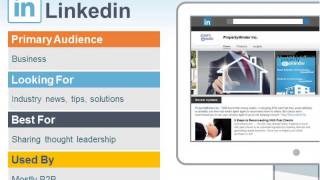
Away. Thank you, Allison. Hello, everyone. Those who are on my earlier webinar. Thanks for coming back. New people, thanks for joining us today. My name is Ron Cates. I work for Constant Contact. Constant Contact is the world's leading supplier of online marketing tools for small businesses. Things like email marketing, social media tools, a tool that helps you get more likes on Facebook. I function as their digital marketing expert. So I travel around the world and I do seminars, I do webinars. I love doing this. I had a small business that got really, really big because of these tools. So my enthusiasm is 100% authentic. In fact, I have to keep it toned down or I get a little bit too excited. I do want you to follow me on Twitter. My handle is my name Roncates. R O N C A T E S Now let me give you a best practice. If you only do one thing after today's webinar, I want you to do this. Go out today and if there's a social media platform you've heard of, Twitter, LinkedIn, Facebook, if you've heard of it, the major ones are all free. I want you to sign up for your name or your business name before it's taken by someone else. So maybe there's a platform that you're not ready to use yet. You've heard of it, but you're not sure if you're really going to use it. Go ahead today and sign up and grab it so you've got your name. How many have tried to register a.com in the last few years? It seems like every word and phrase is taken. I don't want that to happen to you now. Why social in the first place? Things have really changed and marketing has become more challenging than ever. We communicate in a lot of different ways today. Thirty years ago, if you had an ad in the newspaper, I read it because I read every page in the paper every day 30 years ago, but I can't remember the last time that I did that. Later, if you could afford it, you could do a TV ad. And if I was watching the programs, I had to watch the commercials, I was held captive. Well, today I've got a DVR and 92% of us who have one. Fast forward to the commercials and don't see them. So today you've got some people who love Twitter. You've got a bunch of people on Facebook. Most people do email. So tell me right now, what segment of your audience are you willing to ignore? What segment can you afford to ignore? I know the answer is none. So today, we're forced to communicate in a lot of different ways, and that means social media. So even if it's something we didn't grow up on, we need to become a little bit more comfortable with it and become aware of it. And by the way, it's a lot more fun and a lot simpler than you ever imagined. Let's talk about why first. Because everyone is there. 93% of nonprofits are there. 87% of business to business, 86% of B2C. Now, I'm not recommending that you go social just because everyone else is. I'm recommending that you go social because it has impact. It truly influences decisions. 74% of us rely on a social network to guide us when it comes to making a purchase. 55% talk about our purchases once we've made them on social. And if you're a nonprofit, 68% of us learn more about a charity if it's mentioned. Online marketing has changed. We are smart consumers, and we know that traditional marketing exists just to sell us something, and we kind of tune it out. So today, 14% of US trust ads. 14% of US trust traditional marketing. 78% of US trust an online recommendation. Even if I'm a stranger, I don't know how many of you use Yelp. Yelp is a review site. I travel a ton, so when I'm trying to figure out where to eat in a new city, I go to Yelp. I look at the reviews, and the reviews are written by regular people just like me. 90% of Yelp users decide where to eat based on those reviews. And they are from strangers. They are from people I don't know, but I trust them a bit more than I trust advertising from that same store. So 78% of us are influenced by this online recommendation, even by a stranger. 84% of us trust and make a decision if it is by someone in our network. So think about that for a second. On the average, we have 244 friends on Facebook. So we are no longer marketing to individuals. We are marketing to individuals and their entire networks because their entire network is now accessible in a way it never was in the past. So if they talk about you on Facebook, all their friends are seeing you and it is with this endorsement from someone they know and trust, someone in their network. So you definitely want to get them to talk about you. The biggest power behind social, it is a way to connect with something real. We buy from the cloud today. Digital entities arrive into our inbox. We don't know our neighbors names. We want to connect with a real, living, breathing person. So social is how we do that. We're not willing to get rid of our surface. Instead we're connecting via social instead of live face to face. So huge impact on decisions, on purchases. And what's neat about this is even without a huge marketing budget, you can have bigger impact than some of the world's biggest companies by being real and authentic and transparent. I want to connect with a real person. So if your business was a living, breathing human being, what language would it use? What words would it use? That's how you communicate on social. It's not taking your print marketing stuff and copying and pasting it into a tweet or a Facebook post or an email campaign. It's about being real, authentic, transparent and human. The reason social becomes so powerful. Now, everyone on this webinar. If you're a small business, I could have you as a guest on this webinar and you could take the next hour and you could tell us all these tales of where you've bent over backwards to make a customer or client happy. And we've all done crazy things to make a customer happy. And in the past, all we could do with that is hope that they go out and refer us. I mean, sometimes that happens, sometimes it doesn't. We can hope they come back to us. Social makes that easier than ever because now they can go talk about us on a social network. I mean, 10 years ago, if I went to the grocery store and you knocked my socks off, what's going to happen? Maybe I'm at a party and I go to super dull parties. So there's a circle of people talking about groceries and I tell them how great the store was. What are the chances of that happening? And how many people can I impact social is that cocktail party circle on steroids? The vulnerability is unlike anything in the history of the world. So small businesses that do provide a wow experience can really benefit from this. And here's the great news. Companies that have mediocre products and mediocre service but incredible marketing, you're now on an even footing with them. Actually, you're more empowered than they are, because reality has more impact than ever. It's not just a fancy marketing slogan or colors that matter in an advertising campaign or a logo. It's the real life experience that's going to have impact. So as you all do it, you provide this wow experience. You then entice them to stay in touch. So you make it easy to connect via social. That means in your store you might have a poster with your Facebook page on it. Or at the end of the receipt, it might give the way to join your email list. Or people can scan a QR code to join your email list on Facebook because you want to make this a two way street. If they like you on Facebook, that's fantastic. But you can put a sign up link for your email newsletter on there. So now you can make this a two way street and have permission to get back out in front of them. So you entice them to stay in touch by making it easy to connect. You engage with them on a regular basis. This is the whole engagement marketing cycle. You engage with them by posting content on Facebook or Twitter or in an email. You show off your expertise and your experience. You show that you know more about your products than everyone else. You answer those questions so they feel like they have a relationship with you. Harvard Business School says we'll spend 69% more if we perceive we have a relationship with the vendor. Now, when I read that, I mean, I love Harvard Business School, but I'm a bit of a skeptic. I thought, well, that must be everyone else. I would never pay more for the same thing just because I had a relationship. But then I thought about it and I do it all the time. I'm a serious tennis player. I'm not real good, but I'm very serious. And there's a store I go to all the time in town. They know me by name. They string my rackets on the spot. Now I could go shop around town for strings and rackets, or I could buy online and save a lot of money. And I don't do that because I feel like I have a relationship. This is a really good way. Social and email combined to build that type of perception of a relationship. And that's why people will buy from you instead of going online and buying somewhere else or shopping for price. So with this relationship building process, you are no longer competing on price. Instead you've got this real relationship with the customer. Not only do they shop with you, they become much more likely to refer you to friends. Engagement has evolved. Hitting the Facebook like Button has huge power to it. If someone hits the Facebook like button and becomes your fan, they are 91% more likely to refer you to friends, 93% more likely to buy from you again. So huge power to it once you are engaging with them. This drives social visibility because now their entire network is seeing mentions of you in a good light and that creates new prospects. So I know we spend a lot of time, attention, resources on trying to get new customers. The reality is our existing customer base leads to those new customers. So most of our business, both existing, growing our existing customer base and more business with them and then new prospects coming from our existing customers. When you do the math, about 96% of your business comes from existing customers. So what are the top networks now, Tom? We've picked a few. The reality is there are more than 1,000 social platforms already today and it's growing like crazy. And I will bet you real money that five years from today there's going to be a tool that's more powerful than Facebook that hasn't even been thought of yet. Now, if you don't create some type of social presence, you're not going to give out any of these networks. So I know that there's huge growth in niche sites. I didn't know this a few years ago, but I know it now. There's a social site for nones that's way more important to them than Facebook. There's one for stand up comics called standupshare.com that's really valuable to them and has more than 60,000 members. So you're not going to be an expert on all thousand plus platforms. You're not going to even know about them and you're certainly not going to try to participate in all of them. Pick one or two and do those really, really well. Pick one or two of the big ones. Do those well. Have fun with it. Pick one that you actually enjoy networking in and then your followers can let you know if there is something new that you are missing. And that can't happen if you have no social presence. So I am picking a few. Facebook, because it is the largest in the world. LinkedIn, Pinterest and Twitter. And I am going to be very prescriptive today and give you some ideas on how to use these really, really well. We're also going to have time at the end for questions. Facebook, it is the largest social network on earth. It has more than 1 billion users. That's a b more than a billion. So the primary audience is everybody. They're looking for Useful content, informative content, interesting stuff. Intellectual property do not be afraid to give away intellectual property on social media. They're still going to buy from you. They're not going to use it and go shop somewhere else. Does that ever happen? Sure. It's less than 1% of the time. It makes it way more likely they're going to buy from you because they want to buy from the very best. So make sure that you don't be afraid about showing off your expertise and using the expert label. I know that especially in America, we're brought up to be very conservative and shy, but I don't want to buy from the tense best and the zip code. I want to buy from an expert. Show off your expertise and elevate yourself. It's best for sharing text, photos, videos and reaching a large audience. And it's used by almost everyone. So if you're going to pick one platform to make a presence on, it's this one. Facebook is still the biggest on earth. Now keep this in mind. I'm not going to make Facebook my entire web presence. We don't control Facebook. So I'm going to have a website or website blog. That is my home base and everything is going to be directed there, including things directed from Facebook. I'm not going to put all my eggs into one basket. Now, when it comes to how to use it, it's low volume but very high value. So I'm going to recommend that you post at least three times a week, but not more than 10 times per week. It's about quality versus quantity. When we look at these different social media platforms, it's pretty much a continuum of engagement at one end of the spectrum. At the far end of the Spectrum, there's Twitter. 140 characters or less. It's micro engagement, so I have to do it a lot more. People are going to see it much more often. It's a tiny little mosquito bite of engagement. It's powerful only if it's cumulative. The opposite end of the spectrum is my business page or my website, my blog where I have a big article. It takes me a longer time to come up with that content. It's much more engaging. People stay longer, so I'm not going to do that nearly as often. In the middle, there's Facebook. In the middle there's email marketing, email newsletters. So an entire spectrum. The good news is people connect with you in all kinds of different ways, but not usually in multiple ways. So if I'm following you on Facebook, I'm probably not following you on Twitter. I might not be subscribed to your email newsletter list so you can repurpose your content. You can have your big article on your blog. You can take a paragraph from it and put it into your email newsletter. A couple sentences on Facebook, a sentence on Twitter and they can all link back to your website. Hey, to continue this, click here. And when they come back to your website, that's where they can actually take action and buy stuff. So my goal is always to try to get them to come back to my site now on Facebook. The number one reason people stop following you on Facebook is over communication. Too much stuff from you. That's why I'm putting a max of 10 times per week. Best practices on Facebook. 50% of the time I want you to think about the 50, 30, 20 rule. 50% of the time I'm trying to get likes and shares and comments. I'm going to entertain, invite conversation. I'm going to show off video and images. I'm trying to make this interactive. It's content I really want people to like. So I have two rules for this. One, if I'm going to post it, it should pass both of these. Are they going to want to share it with their friends? And two, is it going to incite them to comment if I ask a question or I post something that incites them to comment? As they are creating their comments, they are creating new content for me. My favorite example of all time is a farmer's market in New England. One of the best posts on Facebook I have ever seen. It's 2am do you know where your fruit is? Well, within a week they had more than 500 comments. And as you read through those comments, which only takes you seconds, as the business owner, you learn so much about your business that you couldn't learn any other way. I love their fresh watermelon. I wish they had peaches in season. Parking is a real pain on Saturday. One post that only took a few seconds. You have pages and pages and pages of comments. And that's new new content provided on your behalf by your advocates. So you've worked hard to create these fans. There's never been a good place for them to talk about you and promote you on their behalf to become your advocates. Now social creates that sort of platform. 30% of the time I want you to just be useful and informative. So this is industry info, hints and tips, content you've curated. And by that I mean content that you have found and shared. More than half the content on social is not Original thought leadership content. It's something that you found and shared. So I know that for your business, you scan a lot of content. I almost hate to admit this because it's so geeky. I love digital marketing. There are 23 blogs a day that I scan, sometimes multiple times per day, because I want to learn everything about digital marketing. Now you're interested in that too. But if that's not your business, you're probably spending a lot of time reading about your business. So when I find something out of all this stuff I'm reading that I think is really important to my audience, that will really resonate with you. I hit a button. It takes me less than a second, and I can post that link to that content on Facebook or Twitter or LinkedIn. So less than a second, I've now become the arbitrator. I've elevated my expertise because I'm the person that decides what you should be reading. That's the super easy way to do thought leadership. Doing something that you're already doing anyway. And 20% is about your business. It's a call to action. It's promotional content. Now, that's not necessarily a buy now or buy my stuff, but if you just had the best deal ever and you want to share it with your customers, feel free to share that we just negotiated the best deal. It's buy one, get one free. As long as that's not the bulk of the content and it's real and authentic. It promotes purchase. People love to share deals. They love to share great information in deals. If you send me in my email inbox, in an email newsletter, a coupon for 10% off a sandwich, I'm going to delete and unsubscribe. I'm not going to share that with anyone. But if you just negotiated the best deal ever and it's a buy one, get one free, I'm going to forward that to everyone that I know. I'm going to promote it on Facebook and Twitter. And because I get credit for that, it's like I'm saving my friends money. And if you don't think that's a really big motivator, think about way back when you first started doing email, regular email. We got stuck on one of those lists of our friends where they would send us funny stuff. And it was really funny, like the first two or three times. But when it was two or three times a day, three months later, we wanted to get off of it. Why does that work and why does it have so much power? If I send you something and you laugh. It produces chemicals called endorphins that make you feel good. You now associate that good feeling with me. It's like I'm a little drug dealer. The drug in this case is endorphin. So if just laughter and humor has that kind of huge power, how about money? Money has even greater power. So if you have a really great authentic promotion, of course they're going to talk about it and share it with their friends. Now, if you have the deal of the century every week, we are not stupid. So we know that it is no longer real, authentic and transparent. We are not going to follow you anymore and we are certainly not going to share that with our friends if it is bogus. Let's talk about LinkedIn. This is more of a professional organization. It is for business or for nonprofits. It is used very powerfully by nonprofits. They are looking for industry news, tips and solutions. This is about thought leadership, really good ideas, stuff that's going on in the industry that not everybody knew. But it's business to business, mostly business to business as opposed to B2C. But again, nonprofits get great results from this. What LinkedIn is really good for. If I sell big ticket items, this is a great way to get to a person that I couldn't get to otherwise. Because I guarantee on LinkedIn, you know someone who knows someone who knows someone who knows that person. And this can be your introduction to get into that thought leader or that decision maker. When it comes to what you're going to post and how often. On LinkedIn, it's lower volume, high value. I'm going to do it at least twice a week, but no more than five times a week. It is more formal and technical, but easy to overdo and easy to come off as too salesy. So it's really about showing off intellectual property stuff that you know that not everyone knows. And when you are thinking about how do I come up with this content, think about the questions your customers ask you every single day over and over and over. It's not because they are not smart. It is because you truly have become an expert at something. You have the knowledge base. So just share some of those answers. On social like LinkedIn, Pinterest, highly visual, 85% women. But women are decision makers. So it certainly doesn't mean it's only for women's products. Foodies, crafters, we're seeing a huge lift in actual purchasing power from Pinterest. People are going to Pinterest. They're seeing a very neat visual outlay of product and how it's being used and it's motivating them to buy. They are looking for photos, videos, products and tips and it is great for sharing visual content, an E book or how to it's mostly B2C business to consumer. So whether your primary consumer, your prospect is a woman or not, this is a great place to be. So don't think that it's a women purchase only. It's definitely a strong women audience but huge influencers, decision makers for the entire household when it comes to how often you should be there. High volume, high value. So at least five times a day and no more than ten times a day. The quality images are important. Again, I'm not recommending for a moment that you need to be on every social platform or even these three or four I'm talking about today. I want you to pick one or two that you like and you do them well and you see what the results are, see how much engagement you get, you see how much interest you get and then you decide where to put your time, energy and resources based on the outcome. And one of the ways to measure that is with email. Because we are really comfortable with email. It is the original form of digital social media. 95% of us do it five times as many do email as do social and it is still growing. So put the icons into your email newsletter or email promotions. If you are on Facebook, LinkedIn and Twitter, actually include those icons in your email and when people click on those to sign up into your network, if you are using an email service, why constant contact. We actually track those so you can see how many people clicked on your Twitter Link or your LinkedIn link or your Facebook link. And why? If you are getting lots of traction and engagement on Twitter but not so much on Facebook, maybe you start to put more time and energy into Twitter or vice versa. Quality images are important on Pinterest. If they're really low res, really jaggy, crummy looking images, it kind of shows that the product isn't as professional as one would. Like Frank Gorman used to say when he was head of Eastern Airlines, we clean our dining trays meticulously because if we don't, people think that we don't take care of our engines properly. So the bar has definitely been raised by consumers on professional look. If it doesn't look good, we assume that the product or service behind it is a bit amateurish. I mean years ago when you could only do plain text emails, they got a tremendous, tremendous impact both in purchases, opens forks. Today if it's not one of these nice looking HTML emails, it doesn't get nearly as much impact. About 1/8 the impact for a plain text email versus these nice looking HTML HTML newsletters. So 1/8 the impact, mainly because consumers have raised the bar. And if stuff doesn't look good, if I haven't branded my Facebook page or my Twitter home feed, if it doesn't look professional, people then assume that the product or service is equally amateurish and they're not as interested in it. Let's talk about Twitter. It may not be the most powerful social network for everyone, but it is my favorite young adult. That's me 55 going on 12. They're looking for news, brand updates and trends. It's great for sharing news and both original and curated content. So stuff that you wrote, stuff that you found, it's 140 characters or less. But maximum engagement seems to come in right around 100 characters. So these are just little mosquito bites of engagement that allows you to stay top of mind so they don't forget about you. All these social tools, including email, that's probably their greatest function. We would get more than 6,000 marketing impressions per person per day in the US and we can love you and forget about you. How many of you have a restaurant that you really like and you forget to go there? I mean, all of us do. But if I got an email from them once a month or if I follow them on Twitter, I can't forget about them. And no matter how long the buying cycle is, whether it's a restaurant or buying a new car, the fact that they've stayed in front of me on an ongoing basis over the entire length of the buying cycle. When I'm ready to buy again, the bulb goes off and I give them a call. It's that magical Twitter is used by everyone, both B2C nonprofit and a bit B2B. It's not all original stuff. Again, more than half of it is curated content, something you found and shared micro bytes of engagement. It is high volume, so for each post it has a little bit less value than some of the other platforms. We have to do it a lot more. So I'm going to recommend you do it at least five times per day. And I put no ceiling on Twitter. We've seen businesses get great engagement posting 30 times a day. So this is a quantity is the major key behind it. It's just these little buzzes. I've got to stay in front of them on a regular basis. They're not going to see Everything that I post because there's so much in their Twitter feed. So given that they're not going to see everything, I'm going to do this on a real regular basis. And this doesn't have to be complicated. This isn't like thought leadership. I can take one day of the week and plan out the entire week. I'm going to show you how to do that in a moment. I'm going to talk about this on this day and this on this day. And then as new things come into my mind, I can post those instantly. But these are little micro bits of content. Photos. It only takes one second. I'm at the farmer's market, working there, and I cut a watermelon in half. It looks amazing and beautiful and tantalizing. I take a photo of it. It takes one second. I click and post that. And when the real farmers market in New England did that, they got more than 500 comments within three days. So photos have huge impact. A customer comes in and they're so excited, they they're wearing the outfit that you helped them buy last week. Take a picture of that or pull out your smartphone and do a quick video of it. I mean, real enthusiasm is more powerful than anything else on earth. So happy clients in a video or a photo or a quote from them that you can post on Facebook, Twitter, it's easy to come up with this. It's the stuff that happens to you every single day. So, by the way, do I want to know what you have for lunch every day? I don't. Nope. But I do want to know that there is a real person there. So on occasion, if you have an amazing lunch or you go to some great rock concert and you want to talk about it, I think it's fine to post about that. I want to know there is a real human being at the opposite end of this string. Content Ideas Three questions to ask what's new at your business or organization? And that could be a product. Hey, if you are really excited about a new product you just got in, there's nothing wrong with posting about that as long as the enthusiasm is real. What did you do recently to help someone achieve success? And that could be again, helping them buy something. Or if I was a home builder, look, I just built this amazing house and this couple is so happy with it. Or I'm a service provider and they're super happy with the service. What advice have people been asking you for lately? Every single day, your customers ask you the same questions over and over and through those on social the two rules are, are they going to want to share it with their friends and am I going to incite them to comment? If I do those two things, I've got amazing social content. I'm going to recommend again that you start with Facebook. It's the biggest platform on earth. So if you've done nothing in social, I think Facebook is a really good place to start. More than 1 billion users ties into some other social networks and of course this way your fans can let you know if there is something else that is new and important that you should be on. You create your business page. Now there is a difference between a business page and a profile. The profile that is your personal feed. You want to create a business page that is about your business and separate the two. Your profile is for real close friends and family members. Your business page is for the entire public. And if you're not sure how to create that business page, you can click on the help button in Facebook or you can go to facebook.com pages create. There's also a website that walks through how to create every major social platform. It's called socialquickstarter.com it's free. A lot of really neat videos. How to's screen captures. I will repeat it. Socialquickstarter.com free to the entire world walks you through all of this completely. Fill out all the information so people have all your contact information. Add your logo and a cover photo so it looks professional and it looks branded. Once you are up and running, you got to let people know that you are there. So if you are doing email, you let people know that you have gone social. You include these social icons in your emails. It could be in your store or your office. You could have a poster on the wall that puts your Twitter handle. Post your Twitter handle. Make it easy. It could be the end of the cash register receipt. It could be at the end of the recording they get when you are closed. Hey, we are open 9 to 5 Monday through Friday. Follow us on Twitter. Our handle is R o n C A T e s Certainly on your website and on every page of your website in a prominent location. Now the reason I say every page is today with really good search engines like Bing, people don't come to your homepage automatically anymore. They might come to any page wherever the most relevant content is. So they are coming to your homepage less than half the time. So this has to be on every page. Your social icons. The sign up for our email list anytime you do an event, talk about it. Even your Business cards. You should be talking about it. Let me show you something really neat. This is a constant contact email. When you send this email out, your recipients, the people who receive your email can actually share that email on their social networks just by clicking on a button. So we know that last year the return on investment on email was incredibly high. We're seeing up to 60% increase in reach by adding this social share bar. So now even your email content can be shared by everyone on their social networks. The variability has gone insane. Anywhere you connect with people, you can connect via social or even your email list. I can say, hey, on Twitter, in tomorrow's email newsletter we have an interview with this famous person. Click here to sign up. So again, I can make the viability of this easy by anywhere I connect, I make it easy to follow me on social or sign up for my email list. Tip three is to start posting, actually start posting content. Don't be afraid, you're not going to break it. You're not going to break Facebook. So use that 50, 30, 20 rule I told you about. Use those three questions or just ask your audience. Ask them a question or do a live poll or online survey. Find out what content they are most interested in. You will find out immediately by the results, by the engagement. But ask them what sort of content they are most interested in. You have expertise. Ask them what it is you would like them to talk about. What questions do you have about my new product? Or what questions do you have about this service? Or if I am a travel agent, what is your favorite destination? And when they answer that, you can start to give more complete information about that destination. I know that many of you have unlimited time. I was a small business owner. I'm going to say spend 10 or 15 minutes, two or three days a week and actually take 10 minutes to plan what you're going to post during the week so it doesn't happen haphazardly. So here's a week of Facebook posts. Monday you decide. I'm going to post in the morning. It's just a motivational quote that I find to get people up and running on Monday. Tuesday is a did you know? Or here's some tips. I'm going to show off some thought leadership or curated content. Wednesday could be fill in the blank or ask a question. Thursday could be somewhat promotional, we're having a sale and Friday could be a fun fact. So rather than have this happen randomly, actually have a plan. There are some really neat tools out there that are free that allow you to create all your posts at one time and schedule them during the week. So I'm going to mention one of my favorites. It's called hootsuite. That's H O O T S U I T E hootsuite.com they have a free version and a more robust version that you pay for. But even the free version allows you to monitor all of your social sites on one page and it allows you to create posts that go out in the future. So if I only have 10 minutes Sunday night, I can say I want this post to go to Twitter on Tuesday at 10am I want this one to go to Facebook and LinkedIn on Wednesday and you can do it all at one time. So instead of having the post go out all at the exact same moment, you can spread them out during the week. Resources We've got a lot of really neat things for you. Local live events. We love everything the SBA and SCORE does. So SCORE has local workshops. Most of those are free. So does the sbdc. Microsoft has amazing free seminars at their stores throughout the country in constant contact. We actually do live events across the entire country. We have a few hundred people doing live free seminars that you can go to and learn about social media, email marketing, SEO and it costs you nothing. Presented by experts and this is how you can find those. So when you get the slides later, you can just click on these links. Now I am ready for questions. I made sure I had lots of time to answer almost anything you would want to throw at me. So whoever is going to take over, I think it is Andrea, let me know what some of the hottest topics.
Are. All right, we have lots of questions that have come in already. If you have more questions you can go ahead and put those in the chat.
Feature. Now by the way, I know.
We are not going to have time to answer every question, but I am pretty sure we are going to be doing this on an ongoing basis and we are going to have more webinars. So stay.
Tuned.
Great. So Keith says if starting a new business with no Facebook or Twitter presence, should you develop an initial presence via a personal account, the business count, or both and what is the danger of mixing them.
Up? So with Facebook, Facebook requires you to create a personal profile. To be technically accurate, they do have the option to create what they call a business account, but it's very limited. It doesn't require a personal profile, but it's missing a lot of features. So the way that they want you to do it and the way I recommend you do it is you create your personal profile and create a separate business page. And the personal profile is for the fun stuff of social media. I mean, you can put up a picture of your dog or a video of your cat, or connect with someone from college. It's not really about marketing. So your personal profile, that's going to be how you connect with your friends, your family. Your business page is where you're going to do marketing. So there's a difference between social media, which is fun and a good way to connect with your friends and family, and social media marketing, which is how do I move the dial for my business. So I'm always going to try to do both. I'm going to have a business page separate and I'm going to keep all my business stuff there. And then my personal stuff is going to stay personal. You've got to be really careful sometimes about what you post. I'm not going to talk about sports, politics or religion because even though it sounds ridiculous, if people don't like your sports team, they might not buy from you. So my personal profile, I can talk about all those things and have all the arguments I want to, but on my business page, I'm going to keep it just a touch more bland, unless those areas are my business. A couple years ago, I got invited to speak at one of the largest gathering of rabbis on earth. And I know nothing about rabbi ing, but I told them it would be okay if they posted about religion on social media.
Networks. So Terry says, I'm a novice on Facebook, so please be gentle. How do I direct share content so that it appears on my business.
Page? So when you find something that you want to share, some of the tools make it really easy, like hootsuite makes it really easy to share content. But if you are not using a tool like that, all you have to do is copy the website address the URL of that content. So when you are looking in a browser like Explorer and you are reading the content that you want to share, up at the top there is the website address for that content. You copy that and you can paste that and you can post that into Facebook and share that content. Or you can actually post that to Twitter. In both cases too, they have an option where they can shrink that long. If the URL is really, really long, they can shrink it. Hootsuite will do this as well. It will shrink that, make it something smaller and easier. So you don't use up all your characters just with the website address, but you actually have time to add a few comments about.
It. Ron, I think you answered this earlier but Laura says wondering your tips on gaining followers on these platforms when you are just starting out without having to say something like buy now or like.
Me. So there are tools out there and Constant contact has one. There are similar ones out there on the market as well that make it easier to get Facebook likes. We call ours social campaigns and here's how it works. It essentially creates a like gate for Facebook. So when I go to your Facebook page, if you're using this tool, it says if you hit the like button you get this. So it unlocks content that could be a coupon, but usually it's going to be like some downloadable content, some insider advice or tips. It could be a video. And we are finding that people are more likely to become engaged if it is educational content than a financial offer. So people today will engage. More likely to engage if it is insider information. Makes me feel like I am part of the team as opposed to just a discount. So a calligraphy store last year said, hey, if you click the like button you download 10 really great calligraphy tips and they did like $3,500 in business in the first 48 hours from including that. So really powerful way to get likes. Here's the good news. People will never hit the like button no matter what incentive you give them if they're not truly a fan because they're putting their entire reputation on the line to their entire network. So giving them an incentive makes it more likely they're going to hit it, but the results are the same as if they hit it organically or naturally. They become more likely to recommend you to friends and more likely to buy from you. Again, Facebook like button is true, measurable engagement today. Engagement has.
Evolved great, Darian says. What are Your thoughts on Google+ for business and other platforms for small.
Businesses? So I think Google plus has incredible potential. I think out of all the social platforms today, it probably has the highest potential. It really hasn't quite taken off yet. That doesn't mean it has no impact. It has some, some, but it doesn't have as much impact as it could. So I would say where I would invest my time, I would create a Google page, I'd fill everything out. I'd have my stuff there. I'd provide some content to it on occasion. It's probably not where I would put the bulk of my time, energy and resources, but I would put some there and if it takes off that way I'm ready to go. So I wouldn't ignore it and I wouldn't Pretend it's not there because again, it has the potential to have incredible impact, especially on SEO and being found so many really neat things. So I'm going to create a presence today. It's probably not where I'm going to put all my time and energy.
But I'm going to put some great Brian says, what is your experience with paid ads on.
Facebook? Is it worth.
It? Yeah, so far we're seeing pretty good return on investment on Facebook ads. So there's a big it depends. Obviously you don't have a lot of characters to play with. It needs to have a great call to action. The neat part is that it gets targeted. Today, fewer and fewer people are seeing their Facebook posts. They have an algorithm that only shows it to the people that most engage with you. Whereas when you pay for an ad, more people see it. So as of today, we're seeing pretty decent return on investment on paid Facebook advertising. Now, as it becomes more popular, it will become more expensive, but that's in the future. So today I'd say experiment with it on a limited basis and see what sort of return you get. It is absolutely, definitely worth the experiment.
Great. So I'm going to combine a few questions here. Kimberly says, I'd read that it's wise to post to Facebook at the same time. For instance, I do it for my trade association between 9 o' clock and 9:30 most weekends. The other part of that question is, would you post the same content on all of your Facebook sites or social sites at the same.
Time? Yeah, I would post all the content just as a time saving. The reality is that each social platform has a little bit different personality to it, and if you were being a perfectionist, you would tailor it accordingly. The reality is you have very little time as a small business owner, so you might end up posting the exact same stuff. Now, obviously it's going to have to be shortened. If I have five paragraphs on Facebook, I can't put five paragraphs on Twitter. So I'm going to have to go in and condense some of that content. But I do believe that you should repurpose the content. I do believe it's okay to post to multiple platforms, but I would do so cautiously and I would try to tailor some of it to fit the personality of that platform. I'd also be careful that I'm not posting the same amount of time. So I'm going to post much more often on Twitter than I am on Facebook. And if I were to post the same, I wouldn't be having enough engagement on Twitter or I would be having way too much on.
Facebook. So we're going to take one more question. This question says, based on your experience, do we need to register to all the most important social sites like Facebook.
Twitter? I think that if there's a social site you've heard of and it's free, and the vast majority of them are free, I would at least register for them. It will take you about five minutes and grab your name or your business name so that if that platform takes off and becomes important, you are already going to have a presence there and you are not going to worry about securing your business name as a.
Handle.
Great. So I think with that, I.
Saw some questions about what time of day, what day of week social tends to have impact. 24, seven weekends have a little bit higher engagement and you're five times more likely to get reposted. Thursday and Friday between 4 and 6pm so that doesn't mean that's the only time I'm going to post because it's so transparent what you're trying to do. But I would post consistently throughout the week, but I'd make sure I hit those times. Now. Think about that for a second. Thursday and Friday between 4 and 6pm where are most people? Not small business owners, but most people, they're at work, but they have shut down for the day and now they're on Facebook and Twitter goofing around. So that's the reason you see so much traffic there. Huge traffic spikes whenever people at work and are supposed to be working, but they're goofing off. So Thursday, Friday between 4 and 6. Great time. What else do you have.
Andrea? Yeah, well, I think we're out of time.
Ron. Oh, no way. I was ready to go for another two hours. So we're going to do.
More. Can.
Help. I love the sba. This has been a really. I love Microsoft. This has been just a great partnership. I've had a blast. And obviously we have way, way, way more content. I can tell by the millions of questions that we're getting. So look out for.
More. Emily, do you want to wrap things up.
Here? Absolutely. Thank you to all our speakers.
And thank you so much in the.
Audience for joining us.
More from Your







President Donald J. Trump and First Lady Melania Trump Visit Grieving Texas After Deadly Floods

💪 Thinking of starting a #biz? Go for it! — Kerry Boyle, Vermont #SmallBiz Person of the Year

President Trump Participates in a Bilateral Meeting with the Prime Minister of Canada, May 6, 2025

