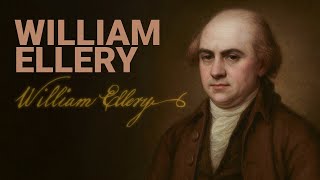
A first-person monologue attributed to William Ellery (signer of the Declaration of Independence) reflecting on his public service, personal sacrifices during the Revolutionary era (including the burning of his Newport home), long Congressional service, family life, and the lasting value of liberty. The piece emphasizes duty, risk, and the enduring promise to defend freedom.
Chapters
Foreign. William Ellery, Clerk of the court, quack lawyer turned delegate, a member of Congress, one of the Lords of Admiralty, a judge, a loan officer, a son of Rhode island, and a signer of the Declaration of Independence. I came to Congress because I could not stand idle while liberty was put in chains. I. I was no stranger to risk. I knew that putting my name on that parchment might cost me everything. And it did. The British torched my home in Newport, leaving nothing behind. Still, I counted the cost worth paying for to do good in public life, one must dare to be disliked. My signature was written in an elegant secretarial hand meant to be read plainly and remembered. I might have been short in stature, but I stood tall for liberty. I did not stop at signing. I served in Congress for over a decade, sat on more than 30 committees, and labored day and night to shape the soul of a new republic. I was also known for my love of epigrams. Short, poetic truths with sharp edges resolved to serve no man more faithfully than your country. At home, I sighed. Seventeen children, outlived two wives and by Providence's favor, lived well into my 90s, one of only three signers to do so. We pledged our lives, our fortunes and our sacred honor. That wasn't poetry. It was a promise. The republic we built was fragile then. It still is. Remember, freedom, once tasted, is never forgotten. Even in chains.








