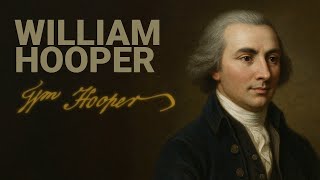
William Hooper, a North Carolina lawyer and Crown supporter, describes his shift to the Revolution after violence in Hillsborough, his work in Congress with Adams and Franklin, and why he signed the Declaration despite being absent on July 4th. His home burned two days after he signed.
Questions this video answers
Boston.
1774.
Deputy Attorney General.
Hillsborough, 1770.
4 July (the day of the vote).
Chapters
Good day. I am William Hooper, born of Boston, tempered in Wilmington and tried in Revolution. In 1774, I wrote, the colonies are striding fast to independence and will build an empire upon the ruins of Great Britain. For this, they called me the Prophet of Independence. But before prophecy, there was pain. I once stood with the Crown, a man of law and order. I served as deputy attorney General under Governor Tryon. When back country dissent boiled over, I defended the courts, only to be dragged through the streets of Hillsborough in 1770 by those I thought I served. I bore their blows and fury and found clarity. You see, I did not rush toward rebellion. I wrestled with it. The law was my gu. But when Parliament made tyranny lawful, I chose liberty instead. In Congress, I stood beside Adams and Franklin. John Adams himself named me among the great orators of our assembly. With Patrick Henry and Henry Lee, my voice helped shape the call for independence. Though I was absent from the chamber when the vote was cast on the 4th of July, I returned to affix my name to the declaration. On 2 August, the Crown burned my home. My father disowned me. My name, once honored by Loyalists, became a mark of treason. Yet after the war's end, I urged mercy while others called for vengeance. I upheld the treaty. I forgave the Loyalists and defended their rights even when my neighbors wished otherwise. For a just republic must temper victory with virtue. Call me what you will, but know this. I did not begin as a rebel. I became one because justice demanded it.








