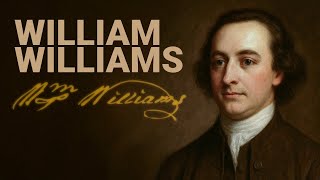
William Williams, a Harvard student and French-and-Indian War veteran from Connecticut, arrived late to Congress in 1776 but signed the Declaration of Independence. He served on the committee for the Articles of Confederation and the Board of War, donated $2,000 in 1779, and opened his house to French troops in the winter of 1780.
Chapters
I was not present for the vote that declared our independence, but I signed my name to it all the same. I am William Williams, son of a congressional pastor, born in Lebanon, Connecticut, in 1731. I studied at Harvard. I served in the French and Indian War, and what I saw soured me on British power. When I came home, I opened a shop and opened my eyes to the politics of liberty. When Oliver Wolcott fell ill in the summer of 76, I was sent to take his place in Congress. I arrived too late to vote, but not too late to stand. I added my name to the Declaration of Independence and took up the work of building what would come. After, I served on the committee to frame the Articles of Confederation, joined the Board of War, and gave both coin and conviction to the cause. After the loss at Brooklyn, I wrote to Governor Trumbull. Our affairs are truly in a critical situation, but far, I hope, from desperate. And in 1779, I gave $2,000 in hard coin for worthless paper money, thinking that if independence be established, I would be repaid. If not, the loss was of no account. In the Bitter Winter of 1780, when French troops arrived in Lebanon, I gave them my house and slept elsewhere. All small sacrifices for the cause of liberty. For someone who once prepared for a life of sermons, I was lucky to have found my true calling in service of a nation.








