In this instructional monologue, Grant Wattie presents a hands‑on relational mapping exercise designed to diagnose and repair family dynamics that impede executable succession plans. Participants place themselves and key family members on a canvas, indicating their current emotional position, a one‑word feeling, and a one‑word action. By comparing each person’s map, invisible relational fractures become visible as spatial distances and orientation. Wattie then applies a "trust lens"—sincerity, reliability, competence, and care—to pinpoint the exact nature of each trust fracture. For every identified fracture he prescribes a concrete first step (a specific request, promise, and timeframe) rather than a vague program. The process shifts the conversation from storytelling to a precise, visual diagnostic that enables functional, executable succession planning.
Chapters
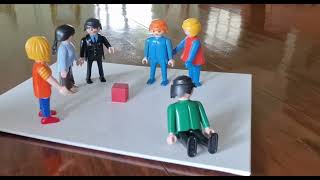
Most people arrive with words ready. They've been rehearsing the story for years. A patriarch might say, "James is like a spoiled brat. Whenever he cannot get his way, he throws his toys. I can't trust him to take over until his attitude changes. Whereas Margaret is my rock. She holds the family together." We listen. And then we say two words: Show me. Pick the figure that is you. Place it where you actually are in this family right now. Not where you think you should be, where you are. He picks this one, places it here. Then we ask two questions: What are you feeling? What are you doing? One word each. Robert says, anxious. Directing. Anxious director, that is his role. That is where he is traveling from. This is Margaret. He places her close beside him, facing the same direction. You can feel the quality of that relationship just from where he puts her. This is James. Watch where he places him. Not close, not turned away, sideways, present but not aligned. An anxious director playing that role long enough does not arrive at a trusted successor. He arrives at a son who will never step up because there's no place to step into. Anna James's wife Pulled into the tension whether she chose it or not. Sarah, his daughter, watching, waiting, never quite in, never quite out. And Liam, designated successor, on the outside of a system he cannot yet find his way inside. This is where most succession plans begin to fail. Not in the documents here. Then we ask, well, show me how you want things to be. Same two questions: what are you feeling? What are you doing? Robert says, hopeful, trusting. Hopeful trustee. Both pictures are now on the table. The gap between them is no longer a story, it's a map. Each family member does this privately. Robert's map, James's map, Margaret's map. Each one different, each one true from where that person stands. Lay them side by side and what was invisible becomes visible. Not what people say is happening, what is actually there. What you just saw, we can now map with diagnostic precision. The same family, the same dynamics, every relationship, every fracture visible. Each figure placed in their relational position. Watch the system build. Distance on this canvas is emotional distance. The lines between them Show the quality of each connection and the story becomes visible before anyone has said a word. Click any figure to see what is operating beneath the surface. Liam, designated successor. 4 trust for fractures: sincerity, reliability, competence and care. Technically next in line, relationally not yet trusted to lead. This is not a character problem, it's a structural one, and it is workable. The trust lens shows exactly where trust is fractured. And what kind? Sincerity, competence, reliability, care. Each fracture has a specific first step. Not a program, not a process, a concrete request, a promise, a timeframe. This is what makes the work precise rather than general. This is the shift that becomes possible when each person takes their first step. Not a perfect family, a functional one. A succession plan that can actually be executed because the relationships underneath it can hold it. If you have a family where this story looks familiar, this is where we begin.