Family visit & getting certified as a life coach while moving to a new country | Relocation Diaries
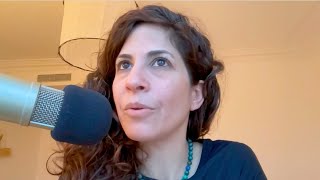
Hadar Shemesh records a Relocation Diaries vlog (recorded March 27, 2024) describing a family visit in Barcelona and the recent completion of her Life Coach School certification amid the stresses of relocating. She recounts why she pursued certification (personal development, new tools for her fluency coaching), the multi-stage training and testing process (submissions, live certification calls), setbacks including failed submissions and a difficult certification call, and lessons about managing mindsets and presence during tests. She plans to integrate life-coaching tools into her English-pronunciation programs and membership sessions.
Questions this video answers
Wednesday, March 27, 2024.
The Life Coach School (certification via coach Burke Castillo's program / cohort announced May 2023).
March 31, 2024 (she mentioned a deadline until ~April 4 but set March 31 as her target).
Chapters
Hey, everyone. Welcome to my Relocation Diaries with my weekly update about life in Barcelona and life in general. Because I think today it's not going to be so much about my relocation. Okay, maybe it will be a little bit. But I, I want to share with you some things about the last week. So it's going to be like a check in and an update about my life. And also I want to share with you something personal, and that is that I recently got certified as a life coach with the Life Coach School. And today I want to talk about why I decided to become a life coach or a certified life coach and what the process has been like for me because I recently got certified just a few days ago, and it's been pretty, pretty intense because it was happening along with moving to a new country and going through so much. But I had a deadline until, I think, April 4th, and I gave myself a deadline to get certified, and that was March 31st. And I'm very happy that I was able to stick to the deadline. All right, so first, let me start with a quick update. So, so I'm recording this on Wednesday, March 27th. It's going to be published on Friday. So what you hear now is really, really fresh. And it's a holiday, and that's really great because I don't have to wake up at 6am every morning and I don't have to prepare food and I don't have to be really, really stressed all day to finish things before the girls come back home. And, and also I'm very happy because my sister and her husband and their kids, my niece and nephew are here visiting us. And it's amazing. We've been anticipating their visit so much. We really, really wanted them to be here already. And I'm so glad that they're here while we are on vacation so we can properly spend time with them. And it's a vacation for us as well, because since we, since we got here, we worked really hard and we didn't get to enjoy the city so much. So now we have a full week and it does feel like our own vacation. And spending it with them is pretty amazing. But also, and that's the good thing about having people who are close to you visit you when you move somewhere, when you immigrate or relocate, because apart from the quality time and the possibility of, like, touching the person and hugging them, they get to see your life as it really is. Like, they get to see the small pieces that make up your life. The street we live in, the apartment, how we decorate Our home, what we eat, the places we go to, how we take the train or take the bus, the weather. Like, all those small things that you don't talk about when you talk to your family on the phone. When you live in a different country, you talk about actions, you talk about feelings, you talk about practical things, but you don't tell them all those little details that they kind of don't matter. So I wouldn't, you know, spend time talking about it. I wouldn't even think about telling about it. But it's what makes your life. Those small things. And when they're here, they're able to see it and feel it and experience it and understand more about us and about our lives here. And that has been really great. And also the hugging part is pretty great because I'm a hugger, and I love to hug people, especially my family and my sister and my niece and my nephew, even though he doesn't like it as much. So. Yeah, so we spend the days together. We go out eating. Today we went to the amusement park. And that wasn't that great because we were standing in line most of the day. But that. That has been pretty cool. All right, so that is my update for this week, and I'm not looking forward to saying goodbye, but also, I'm very grateful for the time we got to spend together. All right, so on the day they arrived, I had taken my. Right before they arrived, I had taken my certification test, and I passed it. That was, like, the third stage in my certification process, or maybe fourth. So I was very happy that I was able to be done with it before they arrived. Now, why did I decide to get certified as a life coach? Because technically, I don't need it. I'm a fluency and pronunciation coach. I know my work. I know what I'm doing. I know how to help my students reach fluency and confidence in English. I know how to help them sound clear. How to teach pronunciation. I've been doing it for years, and it's not something that I need to show anyone. I don't need anyone to know that I'm certified or not certified. I'm pretty confident in the work that I do, so I didn't need that validation to say, hey, look, I'm a life coach. But this process was something that I've wanted or I've been wanting to do for years for myself. And because I believe that learning and investing in yourself is the best investment you can make. Investing in your well being, investing in your brain, investing in your body. Because you are your biggest asset. And I feel that. And I knew that if I were to do it, I would become a better coach, I would become a better person. And I do feel that it had a really, really positive impact on my work and also on my life personally. So the work of a life coach is to help you understand your brain and understand how the way we think affects how we feel, the action that we take, and the results that we see in our lives in understanding how our brain works and how our thinking is not at all objective. There is no such thing. Every thought is clear, completely subjective. And how we think about things, thoughts we choose to think, the beliefs that we have, have a significant impact on our lives. And that is what we're exploring in the coaching sessions now. I've been doing this for years with my students, helping them understand how their limiting beliefs or their thinking about communicating in English affects how they show up in English and how confident they are when communicating in English, whether or not they're saying yes to opportunities. So I've been already doing it for many, many years. But there was a point where I felt like I need more. I needed more. I needed more tools to help my students. I needed more ways to manage this conversation and help them see more clearly, because it wasn't enough for me to listen to them and to have empathy. I felt like I needed to give them more concrete tools to manage their thinking, to manage the situations where they share with me what they've been going through, how they're feeling, what they think about themselves and their English. And what I was doing was very intuitive, and it was good. But to me, it felt like I needed more, like it wasn't good enough. And this is when I started thinking about getting certified as a life coach, because I knew that the training process would be very valuable, which indeed it was. I also felt like I needed something new. I needed something exciting to dive into, to learn, to Explore. And in May 2023, Burke Castillo, the coach that I've been training with, announced that she's opening her certification program. And it wasn't an easy yes because it's a pretty expensive program. But I said to myself, this is something new and fresh that you've been wanting to do, and you're going to get the tools to help your students in a different way and also yourself. And again, like, I have gone through a significant personal transformation through this type of work right in her program, and also personal work that I've done of, like, understanding my brain, my limiting beliefs, how I think about things, how I interpret things, things. And I know that my life has changed massively. I think also, like the fact that we decided to relocate to Barcelona the way we did was completely a result of the work that I've done. And wanting to get uncomfortable. I talked about it several times like I wanted to get uncomfortable. I wanted to put myself in a situation where I would feel like I'm struggling so that I could grow. And indeed, like, indeed, it has been uncomfortable and I do feel like I've been growing. So I think the last few months have been a clear reflection of the work that I've done over the past few years. And especially when it got really hard, I went back to what's the worst thing that could happen? Right? Like, how can I manage my thinking so that I would create for myself the best environment to do this in a good way. So at the beginning I went through the content, all the lessons, module one, module two, module three, module four, module seven, module eight. And then I got stuck. Why? Because I watched one lesson and that was a lesson where they had two people, one, like two students, one coaching the other. And they gave them a lot of feedback. And that was really different than how I used to coach or used to experience coaching. And all of a sudden it felt really hard, it felt unclear. I didn't get it. I felt like, this is not how I want to coach. It feels very, very specific. And then I stopped, it got hard, and all of a sudden I got really busy. All of a sudden I didn't have time to watch the rest of the lessons. All of a sudden that wasn't that interesting to me anymore. And then I got busy at work. And then a few months went by and I said to myself, at some point, because there was a deadline, I had to get certified within one year, which feel. But it's not when you don't do the work because time does go by eventually. So I waited and waited and waited. And then I said, okay, in the third quarter of 2023, I'm going to get certified. And then we finished a big project at work and I decided that in know, October 15th, I'm going to get back to it. But then the war broke out and life changed. So I didn't have time or capacity to do any of that. And then we moved at the beginning of January, right? So December was all about the move. And the beginning of January came and I'm like, I only have four more months. And that's not a lot. Taking into consideration that I have all These other things that I needed to do as part of my relocation. So it was only at the end of January where I said to myself, hadar, you. You have to make a plan. I actually scheduled a session with a life coach there. We have coaches that kind of like, meet with you regularly and help you practice. And I said, I want to do this in two months. And I don't know what to do or. It's not that I didn't know what to do. I was like, I was very hesitant because the next step was to send a submission, a recording of me coaching another person. And I was really, really scared of it because I had my way of coaching. And all of a sudden there is someone with a different methodology and philosophy than what I had, and I needed to fit myself into their methodology. And I'm very, very proud of how I do things. And sometimes I'm a little st stubborn and I didn't want to. It was hard for me to change it. It was hard for me to change how I used to do things. And also it was hard for me, I think, to get feedback, like, to be like, no, it's not good, because I knew it's going to be different and it's not according to how they see it. So that was scary as well. And I noticed that I'm procrastinating it. I'm not doing it because it was. There was something unresolved there. Like I didn't have the confidence. Thinking about the certification test, that was easy for me. But thinking about submitting a coaching session where someone would give me feedback, that kind of scared me. And I talked about it to my coach and she was like, well, you are a fluency coach. You know the importance of practice. Why do you need to get it perfect the first time? And then I was like, yeah, I don't know. You know, I don't know why I'm so hesitant about submitting the session, knowing that this is how I'm going to learn. So that was a mindset, immediate mindset shift that moment. I already scheduled the rest of my training with other coaches, but also I started creating a lot of sessions inside of beyond, which is my membership life coaching session. In addition to what I usually teach and coach there. I started scheduling a lot of different sessions so I could practice it. And I said, I just need practice. I just need to get over myself and do it. And that's what I did. And that ended up being pretty amazing because I had a different experience with my students because I was trying something new. And different. And I told them about it, and they were really, really supportive. And we found this new format to be really good and interesting. And they were collaborative, and they showed up willing to be vulnerable and share what they struggle with. And all of a sudden, it wasn't just about English. It was about work and about life and about relationships and about speaking up and so much more, so much beyond. Oh, I don't feel confident in English. And I felt like we were able to open a door to a new place, a new field that all of us were excited about, which is exactly what I wanted when I thought about this idea of getting certified as a life coach. Like, I wanted to spice things up and to change things up for myself. Okay, So I did that and I started sending submissions. I got great feedback, and I didn't pass on my first one and I didn't pass on my second one. I passed on my third submission, which, you know, I am a slight perfectionist still. So there was a part in me that said, oh, I want to get it right the first time. But I was so happy that I didn't because the first feedback was so invaluable. I have learned so much from the feedback. And once I passed, I had to coach another coach, and that was like another test. So for 10 minutes, I had to coach a master coach, and then it's like a certification call, and then they would give me feedback. So I did my first one. It was actually pretty good, but I messed up at the end because I started asking a lot of questions without waiting for answers, which is something you shouldn't be doing as a life coach. So I did that, which was. I was like, okay, that's okay. I'm going to get it the second time. And then I scheduled another certification call, and, you know, I came in pretty confident. I felt prepared. And the moment it started, I felt so scared. I don't know what happened to me because I'm a pretty confident person. But then all of a sudden, I felt like there was so much at stake. Now, obviously, this thinking did not help me, but I was thinking, if I don't pass this, then I'm not going to be able to hit the deadline because there are no available calls in the upcoming week. And after that, you know, my sister is going to be in town, so I really, really have to get it. And that feeling, that pressure I put on myself completely threw me off. I was in my head, I wasn't present, and this woman was talking to me. She also stressed me out a little Bit. She was like. She said something that was a little different than what I had expected, which is a lesson, by the way, like, always, you know, just be open to whatever is happening. And. And she started talking, and I was trying to make sense and help her reach a model, which was the goal of the. Of the session. And I just couldn't. I blacked out. She was talking to me, and I'm like, I don't know what to say. I don't know what to ask. It was so bad that at some point I said, I'm sorry. I'm completely in my head right now. Now, it's supposed to simulate a real client coach session, so the last thing you should do is apologize to your client and stop it because you make them feel unsafe. But I did it, and it was so bad. It was so, so, so bad. And I was angry. I was like, why is she confusing me so much? And why is it like this? I started blaming all these other things, and then I started feeling like I'm not ready, and I don't know, the work, which was so humbling. Like, guys, really, 2024 for me is the year of being humbled with the language, with the move, and now with this experience. So it was pretty bad. And she was nice at the end. She said, listen, you know, you did this, you did that, and I'm going to give you feedback. I need to think about it. I knew that I'm not gonna get it. I already told Gil. I told my friends. Oh, I didn't pass. It was so bad. And I actually felt really bad. And that was the first time I felt bad from a failure in a long, long time because I don't. I don't feel bad when things don't work out at work. I don't feel bad. I might feel angry or agitated or aggravated, but I don't feel bad when things don't go the way I had planned them. Forgive my cat. But this time, it was just like it was all about me. And I think it was so valuable because it got me to do the work and work on my mind and on my thoughts and why I'm thinking this way and what I have learned. And actually, I've learned so much from that failed experience because I. I've learned that I'm not present because I told her, listen, I know it's a test, and I know that you're testing my questions so it doesn't feel real. And she's like, well, it's a story you tell yourself. And I'm like, it's not a story. I tell myself this is a certification call. And then I realized, yeah, but if I focus on the fact that I'm being tested, I am not able to be present. And what if I am just super committed to coaching her in the moment? So that was really insightful. And the feedback I got was really good, even though I resented it, like I didn't want to get it. I didn't, you know, made me angry a little bit, but it was so true. And luckily there was another call available a few days later, so I didn't have to wait until my sister was here. And I read all the feedback. I said to myself, okay, I think I get it now. I think I get how I need to show up for the test because I know the work, I know the tools, I know how to coach, but I don't know how to pass a test because I haven't done it in a while. And passing a test is more than just being able to showcase your knowledge. It's being able to manage your mind and stay present when you are required to share your knowledge. That's the thing about tests. And I'm saying that because I know a lot of you might need to take English tests, the TOEFL or the ielts or whatever. And passing a test has a lot in it than just showing your knowledge or sharing your knowledge. It really is about managing yourself and your mind and your feelings, your emotions through your thinking. So I showed up for the last certification call and it was great. At first I listened to her and she spoke really fast and I was like, trying to catch all the thoughts that she shared with me. But then things were clear. I coached her for 10 minutes. At the end, she said, you were great. I love it. You know, you did really, really well. You passed. And I said to myself, okay, so maybe I do know the work and I do know how to do. And now after I got certified, now I can take it and make it my own. I don't have to follow the step by step process that they teach. And that's the plan. Like they teach you the tools, but then they know that you're going to take it and make it your own, which is what I'm planning to do, which is what I'm already doing and what I have, I have been doing. But it was really nice to go through this process. I've learned a lot about how to get certified, which is something that we've been thinking of doing in my business, like creating a certification program for, for Coaches for pronunciation coaches, something for, you know, like, years, years from today. But it was really nice to see this process and how fulfilling it is to get through this process and get that certification at the end. So that's it. I'm a certified life coach, and I can't wait to explore that aspect in my programs because now I'm going to make more of it. Because up until now, it was like a very modest mindset. Coaching sessions Inside beyond and New Sound. And now I'm totally calling it life coaching sessions. It's not just going to be about English. It's going to be about how to understand your brain and how to work with your thoughts so that you can get the results you want in your life. So I'm incorporating it into. In my upcoming New sound program, and I think there is so much value in it, and it is so helpful to know these tools for me as a coach and for my students, you know, trying to build confidence and say yes to opportunities when using English. So, yeah, I'm excited about that. And that is my story for this week. How I got certified as a life coach and how it wasn't as easy as I thought it would be, but I did it and I. I'm sharing it with you. See, I still have my bracelet for. From the amusement park. How embarrassing. If you're only listening to this on the podcast, you cannot see it, but it's bright green and it's on my wrist. All right, so I'm going to end now. Thank you so much for joining me for listening to this week's story. Next week, I'm going to go back to sharing some things about my life here. I might tell you my refriger refrigerator story, which is a really funny story. I need to share it before I forget it because it. It's worth remembering. I keep teasing you about this story, and then I'm going to share it and you'd be like, oh, that's it. Anyway, I also have a dishwasher story to tell you that is kind of new. Me and my appliances. All right, my friends, thank you so much for listening to today's episode. I love you all very much. Take care and I'll see you. Talk to you soon. Bye.
More from Hadar











Read Out Loud with me! Dare to Lead by Brené Brown | Pronunciation & Vocabulary practice