0:27
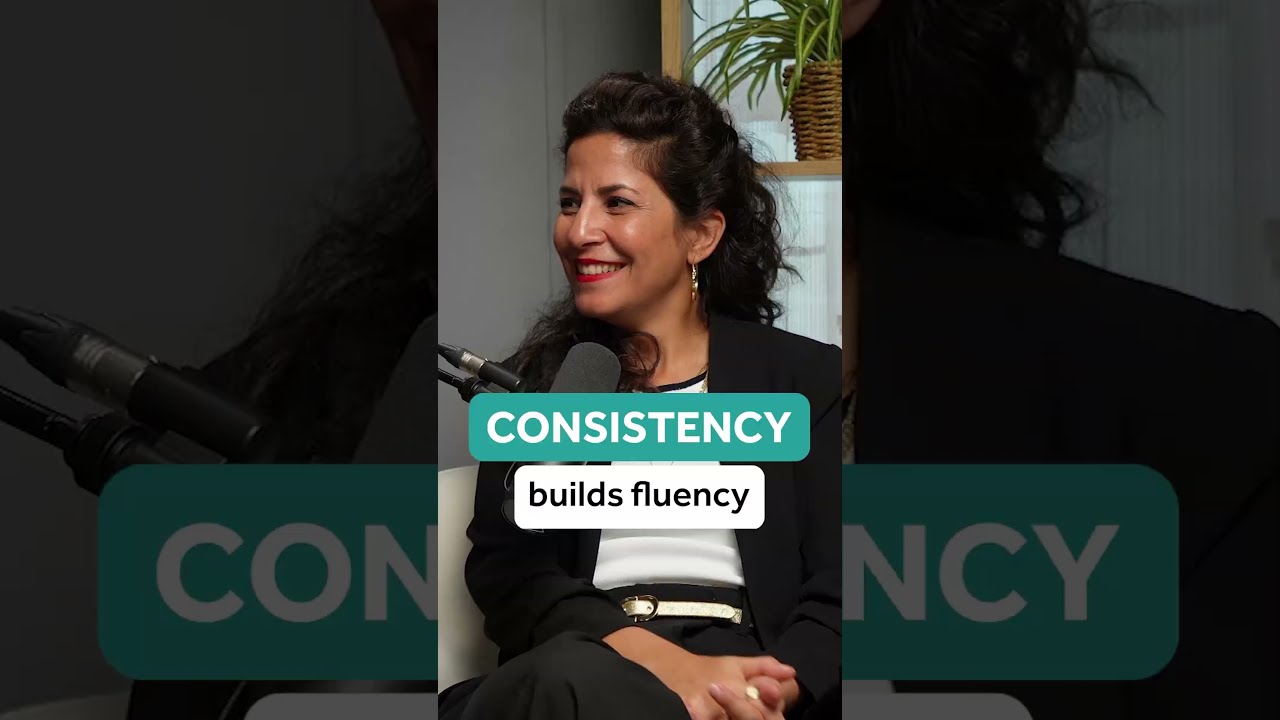
In this concise instructional video, Hadar Shemesh explains the three pronunciation patterns for the English past‑tense suffix -ed. She outlines that when -ed follows a /t/ or /d/ sound, it is pronounced as /ɪd/ (as in "visited"). When it follows a vowel sound, it is pronounced as a voiced /d/ (as in "enjoyed"). Finally, when it follows a voiceless consonant, it is pronounced as a voiceless /t/ (as in "washed"). Each rule is illustrated with a short example sentence, making the lesson clear and practical for learners.