Intonation in English: How to sound more engaging and expressive
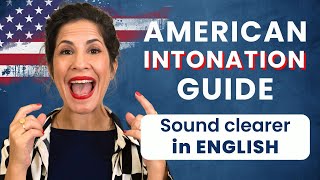
A short spoken tutorial by Hadar Shemesh explaining English intonation (variation in pitch) and four primary functions: to change sentence meaning (statement vs question), to highlight important words, to convey attitude/tone, and to organize speech for clarity. The video includes contrastive examples and guided practice and points viewers to a free PDF/audio and a paid course waitlist for deeper learning.
Chapters
What is intonation? When we think of intonation, we usually think of the musical pattern associated with a certain language. For example, the intonation of French or Japanese, Brazilian, Portuguese, Vietnamese, Russian, Mandarin Chinese, Hindi. But intonation is so much more than just the music of the language. It has a purpose. And today we're going to talk about that specifically when it comes to intonation of English. So today we're going to talk about what intonation is, and we're talking about the four reasons why we need to use intonation properly if we want to be effective speakers. If you're new to my channel, then hi, my name is Hadar. I'm a non native speaker of English. I am super passionate about intonation, rhythm, stress and pronunciation. And I'm here to help you speak English with clarity, confidence and freedom. Check out my website@hadar shemish.com for a ton of free resources and lessons. So what is intonation? Intonation is the variation in pitch that we have when we speak. And pitch is, is the highness or lowness of a sound. Our pitch is controlled by the vocal cords that are vibrating, creating a frequency. And when they vibrate really, really fast, the frequency is high and pitch is high up here. And when they vibrate a little slower, then the frequency is lower and the pitch is lower and it's down here. And when we speak in English, we kind of like shift from high to low, depending on what we want to say. So there are four important reasons for why we need intonation and why we need to practice it. And we will practice it together. So stand till the end to practice all the different things that we're going to talk about today. The first reason is intonation helps you change the meaning of a sentence. Let's for example, take the phrase you're coming, you're coming. When I say it like that and the pitch goes down at the end, it sounds like a statement, like I'm telling you that this is what's happening. You're coming, you're coming. It's a statement. So the pitch that goes down at the end is associated with a sense of certainty and almost like you're indicating there is a full stop at the end. If I go up at the end, you're coming, you're coming. That sounds more like a question. So when the pitch goes up at the end, it is more associated with a question or something that is uncertain. You're coming, you're coming, you're coming. Let's look at another example. Let's take the phrase I think it's funny. Now I want you to say it as a statement while dropping the pitch at the end. I think it's funny. I think it's funny. So, yeah, sounds like a statement. Now let's lift the pitch up at the end as if you're asking a question. Try it. I think it's funny. I think it's funny, right? The fact that I lifted the pitch at the end indicates that I'm actually asking a question now. True, it's not structured like a question. If I wanted to ask a question, I would have probably said, do I think it is funny. But in spoken English, in colloquial English, sometimes a statement can turn into a question simply by lifting the pitch at the end. So it's not grammatically correct, but you will hear hear it being used. By the way, I prepared for you a PDF with all the different examples and additional examples and an audio practice for you to practice with and follow along. And it's absolutely free, so you can just click the link below to download it or just go to hadarchemish.com forward/intonation practice so as you see, intonation patterns, whether you go up or you go down at the end, indicate the meaning of the sentence, whether it's a statement or a question. Another important reason why we need intonation and why we need to use intonation properly is because intonation helps us highlight important words in the sentence and by that convey our full intention or what we actually want to say. And also understanding it and recognizing that people use intonation to convey nuances in speech will help you become better listeners and to understand content context better. So in English, when we stress an important word, what we do is we usually lengthen the vowel, the key vowel in the word, and we also change the pitch, usually raise it higher than the rest of the sentence. So, for example, let's take the sentence we should invite him to the party. The way I said it now is more of a neutral intonation. I didn't emphasize any word in particular, and probably I would use this intonation if I just came up with this idea of oh, we should invite him to the party. And I wanted to share that idea that I had. But if I decide to highlight the first word by using pitch, listen to the difference in the meaning, we should invite him to the party. We should invite him to the party. Again, the normal way is we should invite him to the party. When I highlight we by using pitch and length, I change the meaning. Can you feel and hear the difference? We should Invite him to the party. In this context, I emphasize we because I want to say not that we should invite him to the party, but it should be us who invite him to the party. What if I change it to shoulder? We should invite him to the party. I would say that emphasizing should by going higher in pitch. If someone else doesn't think that we should invite him to the party, but we should invite him to the party. And if I stress him, we should invite him to the party, not her. Right? So I change the meaning by putting the emphasis on him, by raising the pitch. See how important intonation is? What if I choose to highlight the word party? We should invite him to the party. Not for lunch or not for the dinner that is planned before. So we should invite him to the party. Okay, now let's put it into practice. I'm going to show you a sentence on the screen, and then I'm going to underline one word. You will need to read it out loud, emphasizing that one word that is underlined in by going higher in pitch. Are you ready? Now, first, I'm going to say it without highlighting any words. I didn't say she stole his money. Now say it, highlighting this word. I didn't say she stole his money. What about this? I didn't say she stole his money. Now this. I didn't say she stole his money. I didn't say she stole his money. I didn't say she stole his money. This. I didn't say she stole his money. And try this one. I didn't say she stole his money. All right, good. This was fun, right? We have more examples in the PDF that I've prepared for you. It's absolutely free and it has an audio recording, so you can follow along. Click to download it in the description below, or you can just go to hadarchemish.com intonationpractice another reason why intonation is so incredibly important, because it helps you convey the attitude that you have towards someone or what it is that you're saying. For example, here's a sentence. Can I get some coffee, please? I could say it with a higher pitch and a lighter tone of voice. Can I get some coffee, please? And I would sound friendly. I could use a lower pitch and a more stern voice to be more demanding. Can I get some coffee, please? The music of how I say it, the pitch and the quality of my voice determine my attitude. And again, this is really, really important because sometimes we're not even aware of it. And we might bring the patterns of speech that we have in our first language, and they might clash with what is expected when you say a certain thing, trying to sound a certain way in a different language. In our case, in English. Now, I have a lot of videos about tone of voice and how to sound polite. And if you want to watch those, I'm going to link them in the description below. If you're listening to the podcast, just check out the show notes. But right now we're going to look at the differences of common phrases, and then you will see how intonation is so incredibly important to deliver someone's attitude. Let's take the word really. If I lift the pitch up, sounds almost like a question and I use a higher pitch, really, I sound surprised or excited. If I use a lower pitch, really, I might sound a bit more scared or anxious when I drop the pitch, really, I sound dissatisfied, really, or even sarcastic. So the pitch and the quality of my voice change the tone of voice and technically change the attitude. Now, let's put it into practice. Here is a phrase, and I want you to say it in an excited way. Now say it as if you're upset. Let's practice it together. Is this true? Is this true? Can you hear the differences? Good. You want to practice more? I know, it's fun. Make sure to download the PDF and audio Practice. All right, let's talk about the final reason for why intonation is so incredibly important. Intonation helps you organize your speech. Ultimately, it helps you become clearer and more intelligible. So this is why I always say that intonation, rhythm, and stress are not less important than pronunciation when it comes to working on your pronunciation and your accent. Because it's not just about pronouncing the sounds clearly. It's how you package it all together. It's the words that you choose to highlight. It's how you end your sentences and how you understand common intonation patterns that you have in English. It's also the attitude that you have and how you sound when saying them. And lastly, it's how you deliver your entire message. Because intonation is like punctuation. It's like all the commas and quotation marks and full stops and question marks and exclamation marks that you have in in a sentence. For example, intonation helps you organize your speech and also sound more interesting and engaging. I'm going to read a short paragraph, and I'm going to do it first without varying my intonation and without pausing or taking short breaks. And then I'm going to read it normally using intonation and Using phrasing, and you will see how it sounds completely different. Anna was rushing to work one morning when she realized she had forgotten her keys. She searched her back quickly. They weren't there. She panicked. Without the keys, she would be able to get back to her apartment after work. That was version one. No phrasing. Very mild intonation changes. I didn't highlight any words. I didn't feel the emotion. Okay, option number two. Anna was rushing to work one morning when she realized she had forgotten her keys. She searched her bag quickly, but they weren't there. She panicked. Without her keys, she wouldn't be able to get back into her apartment after work. Okay, I bet that the second version was easier for you to digest and easier for you to understand. Why? Because I punctuated it for you. I took certain pauses right before places I wanted to highlight or after a group of thought, and that helped me organize my speech and for you to understand it better. I also highlighted important words, so even if you didn't understand everything that I was saying, you could follow the words that I highlighted. Follow words highlighted. And the way I did it is through pitch and intonation and also rhythm. So I did play with the length of the words that I wanted to stress. So, as you can see, intonation is really important also to organize your speech and to deliver a clear message. So let's wrap up. The first reason for why we want to use intonation is because it helps you change the meaning of the sentence from a question to a statement. Also, it helps you highlight important words and convey subtle nuances or help people understand the context of what it is that you're saying. Intonation is also the tone of voice and the attitude that you have about what you're saying or how you're responding to someone. So that is also really important when it comes to communication. And lastly, intonation helps you organize your speech and and helps people understand you better by using phrasing, pauses, intonation patterns by highlighting words in connected speech. Okay, that's it. Make sure to download the free PDF that I have for you with more exercises and audio practice to follow along. And if you'd like to explore more intonation and learn more with me about intonation, rhythm, stress, and pronunciation, then you should definitely get on my wait list for New Sound. New Sound is my signature program that is designed to help you transform the way you speak English. It's my signature pronunciation and prosody course. Prosody is intonation, rhythm, and stress, and it goes really deep into everything that I talked about today and so much more. So I'm going to put the link to the wait list in the description below, so make sure to sign up to be the first notified when we open doors for new sound. All right everyone, thank you so much. If you have any questions, ask them in the comments below. If you enjoyed this video, share it with your friends, hit like and subscribe. If you haven't yet, have a beautiful, beautiful rest of the day and I will see you next week in the next video. Bye.