The Advantages of NOT being Fluent 😎 | My Relocation Diaries
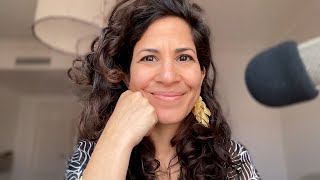
YouTube vlog by Hadar Shemesh (Relocation Diaries) reflecting on the unexpected benefits of not being fully fluent in the local language while living in Barcelona. Hadar gives a short personal update (upcoming community meetup, family visit) and enumerates practical and psychological advantages of limited fluency—heightened attention to nonverbal cues, increased resourcefulness, greater situational awareness, appreciation for language, celebrating small wins, and self-observation of mindset—then invites viewers to share their own advantages.
Chapters
Hey. Hey there. How are you doing? Welcome to my Relocation Diaries, and today I am going to give you a quick update about my life. And I'm going to talk about the advantages of not speaking a language fully when you live in a certain place. So we can all talk about the disadvantages of not being fluent in a given language. I can talk about it on and on and on and make lists of reasons for why you sh1 should be fluent in a language language. And we all know that, so I don't need to say that. But today I want to talk about the good things that come out of not knowing a language fully. So I think you're going to like it. But before that, I just want to say thank you so much for all the comments and messages I received after the last episode where I shared with you my experience learning Spanish in a Spanish school. I got a. A lot of great recommendations. I loved reading about it, and I love how excited you are about my journey. I have received a lot of requests to speak Spanish on my podcast. That is one of my goals. You know, I have. I have 10 big goals that I focus on every single day, and one of them is to record a podcast in Spanish. I do feel I need more time for it. I mean, I could memorize a script, but I don't want to. So it will take a little bit more time, but I promise to start using Spanish more consistently here and there just to show you my progress. But not today, But I promise that I will soon. So a quick update. I'm recording this closer to the end of May, so a lot of exciting things are happening next week. I can't believe I'm saying it, but we have a community meetup, a student community meetup here in Barcelona. We've been planning it for, I think, almost six months, and it's actually happening. My parents are going to be here. They're coming especially for the event, and then they're going to stay with us, and we're going to go on vacation together. And my team, a few of my team members, are going to come to Barcelona. And almost 85 people from around the world here in Spain. Barcelona, but also Europe, the US Central America, Latin America. They're all coming to Barcelona for one day where we get to hang out together. And my heart is literally bursting every time I think about it. I dream about it. I have nightmares about it. Not real nightmares. Like I'm not afraid of it. I'm so excited that I'm afraid I'm going to mess it up. So in one of my dreams, I was just hanging out at home, or it wasn't even my home. It was like someone else's home was like, where am I? And all of a sudden, people started coming in as if the meetup has started. I'm like, wait, I'm not ready. I'm not dressed. I don't know what I'm going to say. Um, so I share that with my community, and so many of my students share that they've been having similar dreams about the meetup. Like they have missed their flight or they're late for the meetup, or all those different things, which makes me feel so incredibly grateful of the fact that we're all so super excited about this and that it's going to happen. So you can bet that I'm going to share a full episode about the meetup and all the events prior and after. But for now, I can tell you that this is probably the biggest thing that is happening in my life. We're going to do it in this beautiful venue that took me some time to find, but I did. And, yeah. So stay tuned. I'm going to share more information about it, probably on Instagram stories. So if you don't follow me there, then come on over. I'm at Hadar Accentsway so you can get real life updates, live blogging from the meetup. All right, so let's talk about the advantages of not speaking a language fully. Now. I. I guess I'm specifically speaking about living somewhere and not yet speaking the language of that place. But I think you can consider it as relevant for, you know, like, even if you don't live in a different country, even if you speak the language of your first country, but you're exposed to another language. So let's say in this case, English, and you feel like you're not fully fluent in English or you don't always understand others, I think that could be relevant to you as well. But specifically living in a country where you don't speak the language fluently, that is what I'm talking about today. So I think the first advantage is that you pay attention a lot more to all the nonverbal communication, nonverbal language, body language, for example. So I noticed that when I speak to people and they speak to me, I understand a lot. Really? Like, I understand so much more than I did when I first came here five months ago. But I feel like I'm super attentive to their facial expressions. Like, I really tried to read through their face, like, what it is that they're saying, thankfully, people are very expressive here, which makes it so much easier for me to understand them. But I feel like I'm really looking at their facial expressions, their eyes, hand gestures, body gestures. So I try to read between the lines and I'm, I get very, very sensitive. I've always been very sensitive to what people feel and their attitude in whatever language they speak. But I feel like here specifically, especially if I pick up a few words, I really add so much more information, like their face, their hand gestures and their body language and the general vibe I get from them. Right. Like I, I do, I'm very attentive to the energy that people portray, what would be the word or have the energy that people have. And I think that has been very helpful for me in understanding. But I also enjoy it because I notice nuances that maybe I wouldn't normally notice when I just listen to the words. So that is one thing. Another thing is that I'm a lot more resourceful. I try to figure out a lot more things on my own. I, if I have questions, I don't ask them. I try to find the answer. If I need to get directions, I wouldn't ask right away, which is not necessarily good. But also I try to be more resourceful, figure out things on my own, and solve the situation without asking for help. Again, like, I think asking for help is great and at some point that's all I'm going to do. But right now I don't feel confident to do it. So I feel like that helps me be more resourceful. Sometimes it adds frustration and I waste more time. But, you know, now we're talking about the advantages of it and I think being more resourceful is definitely one of them. Another thing that I notice is that I pay attention a lot more to what's happening. For example, if I am thinking about myself walking in the street back home or in the US where English is spoken, I feel like I shut down or shut off everything that is happening around me. And I'm more focused on what's happening in front of me or in my head. But now I'm hyper alert to what's going on. Like, I really hear, I listen to people speak all the time. And you know, the other day I was, I took my daughter to a swimming class and I was like listening to a conversation between a mother and a son and then another family on the bus. And I really try to pick up on words that I know or try to make sense of the situation and what it is that they say so. So I'm a lot more attentive to what's happening around me. And I think that it's a good thing because I have a tendency of being very self absorbed, right? Like in my own world, in my own thoughts on my phone. And I'm less that now cause I'm super alert to what's happening. Another thing that is happening to me here is that I'm trying to figure out if people speak Catalan or Spanish because sometimes it's still hard for me to distinguish. I have to say it has gotten a lot better. Mainly because I understand Spanish a lot better. So if it's clear to me, I know it's Spanish. If it's not a hundred percent clear and they. It sounds like they just speak really fast. I know it's Catalan, but I also recognize now the sounds and the accent, which is nice, but it's also like a habit of mine to be like, are these people speaking in Catalan or. Or in Spanish? So I feel like I'm a lot more involved in what's happening around me, which is good. Another thing that is good is that I don't take language for granted. You know, I. I never have. This is the work I do appreciating people who speak a second language, supporting them. But I have to say that not feeling the struggle for so many years. I have felt the struggle for many, many years and I still sometimes feel the struggle in communication and communicating, whether it's in English or in my first language, Hebrew. But there was always this sense of versatility and richness. I could tap into full resources both in my first language and in English. And now I'm a lot more appreciative of just like being able to find the right verb, because I don't know enough verbs to communicate properly. But when I do, I'm like, ah, so appreciative of being able to communicate and also really like, it does require a lot of time and work and effort and consistency. So I'm in awe of the work that you guys do. Consistently in awe of my students because I feel like I'm not like, if I were my own student, I'd be like, hadar, you need to step up, you need to be more consistent, you need to practice more. And I'm learning this. And this is such a, like I said that before, like such a humbling experience, you know, experiencing all of that. And also it's good not to take something for granted, even though you think that you don't take it for granted. But when you feel it in your body, it really allows a new sense of appreciation for what you already have and the little that you know in the language. And also, one more thing is that you're able to celebrate small wins. When you are very advanced, then the small wins are almost not noticeable. Right. And it's harder to recognize wins. But when you're first starting out and you don't know the language really, really well, every new word that you're able to put into a sentence or to use is a huge win, and it sticks with you, and you feel the progress so much more when you're first starting out. So you can really celebrate a lot more and a lot better when you're first starting out, when you don't master the language, which is where I'm at right now. So I'm very appreciative, and I'm happy that I'm able to celebrate the small wins. Another good thing that I want to talk about is that I become a lot more aware of my behavior. So, for example, because I teach mindset and I talk all the time about mindset and confidence and the thoughts we have in our head, I feel like I'm really observing it in real life when I communicate with people, so I become more aware of my beliefs and patterns and tendencies. So the other day, I went to this clothing store because I got to get an outfit for the meetup, and I haven't yet. And I walked into the store, and I started asking questions in Spanish. Do you have it in a smaller size? Is this the only color you have? And she was responding, and everything was great. And then at some point, I needed to have a deeper conversation, and I, like, really caught myself and noticed the point where my language was not enough. And, like, my tendency of wanting to not ask the question or not deepen the relationship with that person in the store. Right. Like, I noticed, like, I was kind of, like, going back and forth, should I ask it? Should I not? How do I ask it? I don't have the language, so I'm really observing the way my brain works and how my brain tries to keep me safe. Oh, just. Just finish this conversation and get out of the store. And I'm like, no. You know, I recognize that asking her if she speaks English at this point might be a defeat for me. Like, also, that's. That's how I perceive it, which is not a healthy thing, right? Like, oh, it's not a defeat to switch into English, if that's what you need. If that's your next Stage. So I'm noticing that that is what I'm thinking. But also I'm still going to ask her if she speaks English. So despite the fact that there was a part in me that said, don't switch to English, just finish this conversation, I'm like, I don't want to. I want to speak to her. She seems nice. I want to ask her about this outfit, right? So I start recognizing my thoughts tendencies, and then I'm able to just stay aware, but also not do things that don't serve me. And I like it because that's a new environment for me. I do that when, you know, I operate in my business, when I make business decisions, when I lead, when I manage my team. So I have this conversation with myself sometimes not fully, so I need to get better at it. But I've never had that when it comes to human interactions on the street. And I like it because I'm learning more about myself when I'm observing my thoughts in these situations because of the language struggle. All right, so that's it. Like, that's all I wanted to share with you today. And I wanted to ask you, what are the advantages that you find in being where you are now at the stage that you're in? Okay, so think about it. Think about where you're at in your English journey or any other language journey that you have. And maybe it doesn't have to be about English. Maybe it's where you are at with your career, your, you know, being a parent in a certain relationship that you have. And then especially if you don't think that it's where you want it to be, think about the advantages of being in this stage right now. So if it's related to the language, please feel free to message me on Instagram or share a comment here so I learn about you a little bit more. It's not fair that I'm the only one speaking. I'm just saying. Okay, so advantages in identifying where we're at right now in the language. That's it for me. Thank you so, so much for being a part of this journey. I hope you found this helpful. This is a short and fun episode. And next week, I'm gonna share more updates about the upcoming meetup. And I'm gonna tell you, if I had more nightmares and dreams where I don't show up to my own meetup. All right, take care, my friends. Have a beautiful day. Bye.
More from Hadar











Read Out Loud with me! Dare to Lead by Brené Brown | Pronunciation & Vocabulary practice