The biggest risk I’ve ever taken | My Relocation Diaries
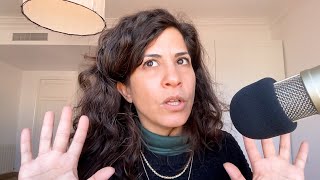
Hadar Shemesh moved to Barcelona and applied for a Spanish digital nomad visa while already there, betting on approval before her flights landed. She consulted lawyers, weighed options, and chose to act despite the uncertainty. The visa came through shortly after she submitted.
Questions this video answers
Spanish digital nomad visa
January 4 (year implied in narrative)
January 26 (application submitted that day)
Three years
60 days (she notes needing to resolve the application before ~March 6)
Chapters
Hello. Hello. Hello. Welcome to the third episode in my Relocation Diaries. This is the second time I'm recording this episode because yesterday I recorded it and the audio did not work. It was pretty bad because it was a really good take on the story that I'm about to tell you. But what can you do? Like Sergey from my team says, it probably happened because there was a better story there. So let's see. Today I'm going to share with you the craziest thing that I have done in this relocation experience. The craziest thing that I've done. I do not recommend it, and I would probably not do it again. Maybe I would, but I probably wouldn't. So that's what I'm going to share with you today. But before that, a quick recap. This relocation series is a part on my podcast and YouTube channel where I share with you my experience moving to Barcelona. So, a quick recap. I moved to Barcelona. I talk about why and how all of that happened in episode one and how I'm building my confidence in episode two, which, by the way, I want to add something because last week I talked about building your confidence little by little, and I wanted to share that. Last weekend, we traveled out of town, and for the first time, I drove in Spain. So I overcame this yet another fear that I had. It's not a. It's not fear. It's just this. It's not natural just yet. So it doesn't feel. Feel like something that I do here. And every time I drive in a new country, I have. I'm hesitant about it because it's like, what if I, you know, don't know the roads? What if there are some rules that I'm not aware of here? But if I drove in Cyprus on the other side of the road, I think I can handle anything. So we rented a car, we drove out of town. We were. We spent the weekend in nature, and we went to the Delhi. Delhi Museum Museum. Dali. Dali Museum. And it was really great. It was really great. And it's a reminder of, like, all the opportunities that I have to see the world and to see Spain. Living here, like, it's at the tip of my fingers. It's only one car rental away. So that's another thing that I have achieved this week because I like to start these episodes with a quick check in. All right, Anyway, today I'm going to tell you about the craziest thing that I have done as part of this relocation experience. And that thing has to do with my visa. So I don't have a European passport. I don't have a Spanish citizenship. I don't have any other citizenship. So I knew that if I wanted to move to a new country, specifically to Spain, specifically to Barcelona, I would need to get some kind of a visa to be here that will allow me to work because I cannot stop my work. I have an online business that requires my full attention all the time. I'm very lucky to be able to just move to a different country and still maintain my business. I have built it this way so I have the freedom. But at the same time, you know, countries have rules and most countries don't allow you to work, even if it's just online or even live there. And I knew that I would never, never, never go somewhere and work without having a work permit, or I would never, never, never go somewhere without having even like a permit to stay. Which I know that could be the case for a lot of people. It's just like it. You know, being illegal in a place will create so much stress for me. Plus, you know, I'm a pretty public person. I can't just go around and tell people that I live in Spain without having the visa to be in Spain. Anyway, to make a long story short, I started exploring all the options that we have for staying here in Spain. And I, back when we were here in November, kind of like testing it out and checking out the city, I started exploring it and I saw that there was this new thing called the digital nomad visa. It started at the beginning of 2023 and it allows digital nomads to get a three year visa to work and live in Spain after qualifying. Some like, there are a few requirements. And I was like, digital nomad. Digital. Digital is me. I'm all digital. My business is completely digital. And I looked at the financial requirements. I'm like, check, not a problem. And then I looked at a few other requirements and on the surface it looked like a perfect fit for me. I was like, okay, if I want to move here with my family, I know that I have the option. But I said, you know, let me, let me consult with a lawyer because I'm not going to do it on my own, right? Because it's like applying for a visa is something that is very daunting to me. I don't know if you know my story, but when I was 21, I moved to New York. I lived there for a year and a half and then I got accepted to an acting school that I really, really wanted to attend. I went back home to apply for a student visa. I thought it would be easy peasy. And then I didn't get the visa. And that, at the time, I thought it was the worst thing that could possibly happen to me. My life was shattered. Like, that's how I felt because I. I literally came here for two months. I left all my stuff back in New York. I came here for two months to apply for the visa, to say hi to everyone, to get some more stuff and go back there. And all of a sudden I was like, no, you can't go back. So I had a pretty traumatic experience with applying for a visa. So you can imagine how I felt about this visa business to begin with because of that. Because I brought like all that baggage of disappointment and stress and broken dreams. And I was like, I need help to make sure that I'm doing it the right way. Okay. So we schedule an appointment with a lawyer, someone I found online. And it was like a 40 minute session. And she started telling me about all the things that we need to do step by step by step by step, which was extremely overwhelming. I'm like taking notes and trying to figure out. And I told her about my business. And then she told me, you know, this visa is not for B2C businesses, which is what I do, business to customer, because I serve individuals around the world. It's more for B2B. So it's for freelancers who provide services for companies. And I'm like, but I have a stable business, a successful business, knock on wood. What's the problem? And she's like, well, you know, like, these are the requirements, but if you do this and that, we might be able to work around it. And I guess I held on to the work around it. And in my mind it was like, okay, we'll figure it out. And then I said to myself, no problem. We'll, you know, we'll just apply for the digital Nomad visa. That was in November. Then we went back home and we said that until December 1st, we will make a decision if we want to move or not. We make a decision to move. And then I start, you know, putting in work into closing our lives there and starting our lives here. And a big part of it was applying for the visa. So I started collecting some of the documents. She mentioned she was busy because it was, she was on vacation. And then it was a holiday season here, so she wasn't very available. And I was like, I don't know if I want to speak to someone else, so I'll just wait. That was Very naive of me. I thought it would take me a short time to get all the documents. No, it takes a long time. I shouldn't have waited, but I was like, okay, I'll wait for her to get back from her vacation. In the meantime, I'll try to gather as many documents as possible. Also, mind you that my country was at war, so no one was working properly. So all the certificates and documents that I had to get, it was really hard to get it because no one was available. And I'm like, wait, but I need my police records. Why does it take, like, three months to get it? But I'm like, I'm all over the place. Like, I'm getting whatever is needed. I said, I'll try to get to gather as many documents as possible until I get to meet with her again. Okay. So as time goes by. And remember, like, this is a point where we start telling the people around us. We start, you know, closing all our business there. Closing my studio, which was a big, big hassle because the landlord gave me so much crap for leaving early. Even though we. We weren't even on a contract. We had, like, a monthly rental just rolling over. We've been with her for seven years, and she was like, no, you have to stay here until the end of June. I'm like, what are you talking about? I rented two studios with you, and this, like, I'm telling you that I'm relocating my life to a different country, and you're telling me that I'm, I have to say, until the end of June. So much drama there, which added so much stress to my life, ended up contacting a lawyer, and that ended. Okay, not nicely, but maybe I should talk about that in the future, because there was definitely something I had to solve there with my limiting beliefs that might be valuable to talk about. Anyway, all of these things are happening, and at the same time, I'm like, okay, how do I move this forward? I waited until a certain point, and then I said, I can't wait anymore. This creates a lot of stress. There's a lot of uncertainty. I'm reading more and more things about it, and I realized that I may not be able to apply for the digital nomad visa. I schedule another meeting with another lawyer, another meeting that I had to pay for, and I'm sitting with this lawyer, telling him all of my story and telling him about the business and explaining where I'm at, and he's like, no, the digital. It's like sitting like this. No, the digital nomad visa is not for you. You can't, you can't apply for it. No, it's too complicated. Your business is too complicated. It doesn't work this way. You should apply for another visa. And I'm like, okay, because I already started gathering all the documents and you have to get them apostilled and time, money, effort, energy. And I was like, start over. But okay, let's do it. And we start looking in the direction of applying for another visa, which is, it's, it's like the non lucrative visa, which technically I cannot work with this visa. And I was like, I don't know if it's the right visa for me and I need to get account statements, bank account statements and all of these different things. And then he says, well, if you want to do that, you have to do it from here. That means that, and mind you, that my daughters are supposed to start school on January 8th and we are now like around December 10th, something like that. So it doesn't leave us a lot of time. And they're like, I don't, you're not going to be able to do it before you leave. So you would have to go to Spain, come back here, apply for the visa, all of your family go back there, come back again to pick up the visa. So I was like, okay, but you know, I'm focused on getting it, so I'll do whatever it takes because once I make a decision, I, I will make it happen. So in my mind I was like, okay, if this is what we need to do, this is what we're going to do. As long as it's the right path, right, I'm willing to work hard for it. I don't know if you, I'm an Aries and we, Aries, we, when we want something, we need to get it now. And because he said, why don't you just move there in February or in April or next year? And I said to myself, I made the decision to move now and I know that if I will push it, the time until we do, it will be very, very stressful for me. I will lose my momentum. I don't want that. Like, I need to make it happen now. So, okay, I'm starting to work towards this other visa. And then I said, wait a minute, there must be a better way. So I contact another lawyer and he says, well, you know, the digital nomad visa might work for you. And he tells me all these things that might make it possible for me, but then I'm like, I don't know, like, no One knows, right? Like it seems like no one has a clear answer whether or not it's going to work for me. Just to give you an understanding. To apply for the digital Nomad visa, you have to have a contract with a company or you need to be employed by a company. Now I'm employed by my own company. So I have a company in Israel. I have another company in the us I'm employed by my own company in Israel, right. So I'm an employee, but I'm also the owner of two companies. So technically I can't come as an employee of my own company. I have contracts with companies because we do provide services to global companies, but we don't have like a long term relationship with them. We do courses, but it's, you know, it's like temporary, it's a pro, it's project based. And that's not what the requirements of the visa are. So it was kind of like in between because I am employed. But like it would mean that I would have to give myself permission to go and move to Spain, right? Which is weird. So most lawyers that I've spoken to, they said like it's, it's not going to look good. So they said the only way to do it is through contracts with other companies. But I was like, okay. So I started talking to the companies I work with and I asked if we can, you know, kind of like plan for ongoing, ongoing services. But that felt very, very stressful. In the meantime, the, the first lawyer got back from her vacation and she was available to me and I was like, listen, I have to speak to you. Her name was Martha. Martha, I need your help. I need you to help me organize things in my head and to understand if I'm a good fit for this visa. Because you know, I'm going to apply for this and I need to know and I'm planning to move. And if I understand that there is no chance in me getting the visa, I will have to rethink what I'm doing. So I sit with her for another hour, paid hour, and I happily paid for it. I love paying for services when I get answers. So we were thinking together what we could do and she came up with this again, very complicated solution that might work, right? Like where I do show some of the contracts that I have with companies. So there was, there was a way around it that could present how I do have the, these relationships with, with companies and, or contracts. And that might work, but there is a chance that it wouldn't. It really depends on the Person looking at the data, at the information, saying yes or no. And then I had to decide, am I going with it or am I waiting until I have some. Something certain. Because I knew that if I had a few months, I could set it up. I could create those contracts, I could set up our services because most of my work is focused on serving individuals around the world. So that's, that's my goal. Like, I never had any intention of providing ongoing services to companies, but I could if I wanted. So I knew that I could set it up in a way that would make it easier for me to get the visa. But that me, that meant waiting a few more months before I could apply. And remember what I told you, I'm a very impatient person when it comes to the things that I want and I want to get done. You can imagine what that does to my relationship with my partner who's like, I can't keep up with you sometimes. Anyway, that's for another story. I should bring him for like a one on one conversation here on the podcast. Then I said to myself, okay, Hadar, you need to make a decision either to go with something uncertain, but to go full force or to wait and to plan it better and then to do it when you have more certainty. And I said to myself, if I believe that I'm going to get it, if this is the reality that I want to create for myself, I'm going to believe that I'm going to get it. Which means that I'm going to do everything right now as if I have already gotten it, as if I already have the visa. It's kind of like I'm making it non negotiable for the universe to say no to this. I'm, I'm not giving an option for this to not happen. So I said, I'm just gonna, I'm just gonna go with this uncertain path and I'm going to do everything as if it's certain. Which meant I bought tickets for January 4th. I told everyone that it's final. We packed everything, we left the studio, we found tenants to live in our apartment. I found an apartment in Barcelona remotely. I had an agent looking for an apartment for me. They found an apartment. We signed a contract with a minimum of six months, right? Non negotiable like this. It has to work. And I, and before I signed the, sign the contract because I tried, I was like, can we do it just for two months and then we can sign the full contract? And my agent was like, they don't do that. Here. Because I said, I don't know. What if I don't get the visa and have to leave? And then I sat down and I said, okay, you're just going to imagine yourself sitting in that beautiful kitchen. Because the kitchen is beautiful. I saw in the picture. Pictures. You're going to imagine yourself sitting in that kitchen, drinking coffee and living your life there. And if that means that you would have to get the visa for it, that's probably what's going to happen. And I did that. And every now and then. Not every now and then, all the time, like, I heard those voices. What if you don't get the visa? What if you don't get the visa? And then I was like, no, I'm just gonna imagine my future the way I want to see it, okay? And then it. It would just have to work out. Once I made that decision, I continued, look like, you know, preparing everything that I could ahead of time. It was like a huge nightmare. Headache, bureaucracy. And that's it. We're getting on the plane on January 4th. We got to Barcelona. You have to apply for it from here. You can apply from your home country as well, but then you only get one year. So I wanted to apply from here to get the three years, so I don't have any worries. So I contact my lawyer, the first one that we've met, and I said, like, should we start the process? Do you want to. You want me to sign a contract? I'm like, do you want me to pay you already? Not just for consultations. She's like, yeah, once we understand the strategy, I will send you the documents. I'm like, I. I don't know what. Like, it felt. It. It was just so frustrating, especially the uncertainty. And, like, I don't get clear answers. And I guess that's how it is with. With these things, especially new things that are still, you know, like, people don't know enough about. So on the first weekend we were here, we spent the. We. We were invited for dinner at Friends, and. And then I told them about my frustration with a visa. And my friend who has a company, he said, why don't you just go check out this law firm that I work with? They're really good. And I was like, I don't have anything to lose. And if you listen to my first episode, I talked about paying attention to the clues and paying attention to how things unfold. Because when something's not working right and I have, like, this thing that tries to draw me in a different direction, I pay attention. I'M like, this is a sign. Why did he mention that? If he mentioned that, then I need to look into it. So the next day, I write to them. The following day, I already have a meeting in person, meeting in their offices. So I go see this other lawyer. Her name was Marta, too. And I wait in the conference room, and as soon as she walks in, I'm like, I see her, and I already feel calm, which is a good sign. I was like. And she had this, like, beautiful voice that, like, I really felt safe, which is how you want to feel when you're going through such a process. And I started explaining all of the things, and, like, you know, I was a little neurotic with, like, I don't know what to do. And, like, they're telling me this, I need to get all these contracts with these companies, but it's not really easy. And. And it doesn't make sense because I have a company and I'm employed. And she's like, wait, you don't have to do all of that. If you want to apply for the digital Nomad visa, you can apply as an employee of your own company. You will have to sign a contract with yourself, which is weird, but it works. We've done it. We have sent applications for people in the exact same situation as yours, and those applications have been approved. Like, okay, so don't worry. Here are the things that we need. Okay, let's do it. I'm like, where do I sign? And even though it was a much more expensive proposal, and this is what I want to say about making the right investment, because, like, spending money on such things, especially things that you can do on your own, always feels like. Like a waste of money, right? It always feels like, why should I invest in someone else to do the things that I can do myself or I could get for a cheaper price? And I can tell you, in hindsight, you can imagine this has a good ending. I can tell you in hindsight that this was probably the best thing that I've done, Like, making the decision to invest in this firm. That was more costly, but they made me feel confident because this is worth everything. Of course, I do feel privileged for having the funds to invest in this, in myself, in this process. But it wasn't easy to say yes right away, right? But then I said to myself, like, where do you feel like you have more chances of getting it? And it was clear to me. Like, the answer was clear to me. And then I said, like, I don't want to pay a high price for Choosing the wrong path. So I said yes. I signed the contract right away. And then it took another 2, 3 weeks to gather everything, to translate everything. But I was like, marta, tell me what to do and I will do it. I will get the documents. I will make this happen. I will write what you need. I will translate it. So we did that. And then, like, as everything started coming together, of course there were, like, issues. I sent them the wrong document, they translated the wrong document. We had to translate things, like, three times because I didn't pay attention. Very unlike me. But that was because a lot of other things were happening that I'm going to tell you about in other episodes. I do need to tell you about the refrigerator story, so. Oh, I forgot to tell you one really important thing. That being here meant that I'm using my tourist visa that is limited in days. So I only had 60 days to figure it out, which created a lot more stress because I was like, if I don't figure this out in 60 days, then I would have to leave. I think I would have to leave by March 6, right? But the good thing about the digital nomad visa, that it's only, like, you get an answer within 20 days. So I knew that if I don't get the visa, I would probably apply for a student visa until I reapply for the digital nomad visa. And then, like, take the time to prepare everything properly. As we were getting everything together, I was like, I really want to apply on January 26th. And she was like, I don't know if we're going to be able to make it. I just got the translations. There are all these other issues. And I said, like, please, please, please. That was a Friday. Like, this is a good day today. I feel like we need to apply today. She's like, I'll do my best. Because on January 26th, I finally got my refrigerator after three weeks without one. Gil, my partner, came back ho. He went back home to Israel and came back to Barcelona with Laila, our cat. And that was a huge hassle as well, getting her here. A few other good things happened, like, came together on that day. And I said, like, this is a good day. Like, we have to make it happen. Like, we have to submit it today at 5pm she sent me a message. Your application is submitted. So now it was out of my control. I did everything that I could, and now I just have to wait. And while I was waiting, I started thinking and even overthinking, and what if I don't get it? What if this happens. What if that happens? And the thing about me is that those thoughts do create anxiety, but also it's a coping mechanism I have, because if I imagine the worst case scenario, I also imagine how I would respond to it and what I would do. And that calms me down. So then I started thinking, what if I don't get the visa? Okay, Then I apply for the student visa. So I had a plan B. And what if you don't get the student visa or it takes too long or you have to leave? Okay, Then that means that I would have to go somewhere else. That means that probably we're not meant to be here. You know, I told you about not getting the student visa back when I was 21, when I lived in New York. And back then, it was like the worst thing that could ever happen to me. But I'm telling you that looking back, that was the best thing that happened to me. Because that year that I spent in Israel waiting to apply again, I got it the following year. The student visa was the year that I met my two best friends that are with me until today. Had I gotten the visa, I would have never met them. So I knew that if something happens that will not allow me to be here. That only meant that that's how it's supposed to be. So I was, like, really going through the process of letting go of plan. So I did everything that I could. But also I realized that if it doesn't work out, that's my lesson to learn, and I'm okay with it. And then I was calm. And then I had, like, a much deeper, bigger confidence that if this is the future that I wish for myself, unless something critical happens, it's going to happen. Ten days go by, and I woke up one Tuesday and I said to myself, today I'm going to get an answer. Now, technically, it's supposed to be 20 days. So it was kind of like, I don't know why I had that sense, but I did. And I told Gail, today we're going to get an answer. And he's like, okay, fine, if you feel it, okay. And I went to this co working space. I worked for a few hours. I was drinking coffee, creating content, writing messages. And then I checked my inbox and I see an email from Marta. And I see, good news, Hadar. They approved your visa application. I looked at it and I started crying. Like, bawling tears come down my eyes. I didn't even imagine that that would be my response. It's kind of like I was holding all These emotions inside. And I was, like, making sense of it all logically, but I had all these feelings trapped in me. And the moment I got that message, everything came out. And, like, everyone around me is, like, working, and I'm like, they're crying and crying. I was like, I can't believe this. I couldn't, like, yell. I couldn't even call anyone because you. You're not allowed to have phones there. So I go to the bathroom and I call Gil. I was like, gil, we got the visa. And he's like, what? Oh, my God. And we were both, like, so joyful about this. It was such a huge relief. And I felt like, now I can start. Now I can really feel like this is my new home. Now I can study Spanish. Now I can do all those things that I wanted to do. Now I can buy all the, you know, the other things that I wanted to buy for my apartment, because I felt. Felt like I was waiting with it, right? I did a lot of things, but I was also waiting with a bunch of things. And now I felt like, oh, my God, let's do it. I told him, we have to go celebrate. We met for lunch. We ate tapas, we drank sangria. Asia, my little one, was at home that day. She took a day off. She was feeling great, but she needed a day off. So we all celebrated together, and that's it. We got the visa. So we have three years here on this digital nomad visa. For me, for the girls, and for Gil, there are a bunch of things that I still need to do, but I have those incredible lawyers, incredible firm. I'm so, so happy and relieved. Before I wrap up, I want to talk about, like, the biggest takeaways from here, from the story, apart from it being, like, a fun story to tell, so dramatic is one. I think that it's so important to know what you want for yourself. And even when you find obstacles, to take action as if those obstacles don't exist. I think that is what made the biggest difference here, because I did not take no for an answer, right? I said, this is the reality I want to create, and I'm going to create it. So, like I said, I behaved as if this has already happened. And I think that had a big part in dealing with this and how I was able to deal with the stress or the. Or the uncertainty that created stress. And also in moving things forward quicker. Otherwise, it would have taken a lot longer. And also to know what you really want, because when you do, it super clear to you what you need to do and do whatever it takes to get there. Because if this doesn't work, I will figure out a way. The second takeaway is to pay attention to signs, right? I think that after the meeting with the first lawyer where I did not feel certain, I should have looked for another lawyer. That does make me feel certain. And I didn't. I was, like, too lazy to find and I had a good feeling about her. And then I had this other meeting, and again, I didn't feel confident, but I stuck to it. Like, I have a tendency of doing that, like sticking with the first person I start working with. And I should have stopped and looked for the right person for me ahead of time. The third thing is that if you do something big, it's important to invest the funds and the time and the money into finding the right person to do this with you. Because guidance in getting the help of someone who has experience and what you're trying to do or get is critical. Critical because the price you might pay later on for not getting help or not using the right people is generally so much higher. You waste time, you waste money, you try to find other solutions. You get. You don't get the results that you want. So that was another thing that I've learned. And I'm like, you know, I'm not going to take so much time in making sure that I find the right person for me. And I should also trust my gut feeling because, like, I now realize the difference between talking to someone who's nice and good, but it doesn't feel right versus talking to someone who's nice and good and experienced and tells you, I got you. And the last thing is, no matter how hard you work for something that you want, you should be ready at any time to let go of that idea, to let go of control. When you don't have control, do what you can while you have control. And when you no longer have control, be open to receive anything and understand that this is how it's probably meant to happen. And the moment I did that, I really, really kind of like, surrendered to the situation and started enjoying. Right. Even before I got the Visa, and then I got the Visa, it was just like this confirmation or validation that I did everything right. Could have been less painful, but the results are still the same. So I'm happy about it. So that's it. That's what I wanted to share. And these are the takeaways. And I hope you found it interesting. I'm sure that a lot of people here, especially people who have immigrated like, you know what I'm talking about, like, the dealing with this bureaucracy. And I mean, there's so much that goes into. Into immigrating or relocating or getting a visa or applying for a new passport could be so stressful. But, you know, it's also exciting because of the opportunity that is beyond the struggle, beyond the bureaucracy, beyond the hard work, because then it ends and you forget about it. It's like giving birth. It's painful, but then you remember it as the best experience of your life sometimes. Did I just compare applying for a visa to giving birth? Maybe. Do I stand by it? I don't know. Okay, I'll have to think about this metaphor. Anyway, you guys, thank you so, so much. I will see you again on Tuesday for my educational video, Educational Sounds so strict. For my English content. And next Friday for another episode in My Relocation Diaries. You can subscribe on the podcast Influency Podcast to listen to it on your favorite podcast platform or subscribe to my YouTube channel. You can also subscribe to my email list to get this into your inbox every single week. Have a beautiful day and I'll talk to you soon. Bye.
More from Hadar











Read Out Loud with me! Dare to Lead by Brené Brown | Pronunciation & Vocabulary practice