Why is speaking English sometimes HARD and sometimes EASY?
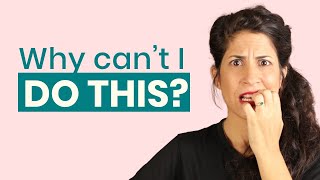
Hadar Shemesh, an English coach, explains why speaking feels hard even when listening feels easy. Mindset blocks fluency more than grammar does. She identifies five barriers: overthinking, perfectionism, unsupportive environments, comparison, and limiting beliefs about what's possible.
Chapters
Why is it so freaking hard to speak to your boss or your kid's teacher or your doctor when it's not that hard to speak to a friend or your family members? Why is it so hard for you to make mistakes or to not understand someone for a second? Why is it so hard? Why is it so hard for you to understand people who speak to you in real life when it's not that hard for you to understand people when watching YouTube videos or listening to podcasts or watching your favorite Netflix show? What happens in the interaction with other people that makes it so freaking hard? Hi everyone. I'm Hadar. I'm a non native speaker of English and I am here to help you speak English with clarity, confidence and freedom. And today we are going to talk about all the other elements of English that are not English that are preventing you from speaking English with clarity, confidence and real freedom. If you want to find out more about me and how I can help you, make sure that after this video, you go and check out my website@hadarshemesh.com and follow me on social media where I share valuable content every single day. But before that, I want to share with you a personal story of why this matters so much to me. When I was 21, I moved to the U.S. i wanted to become an actress and I studied acting and I worked there. And it was pretty amazing and also devastating and really hard and all the possible emotions that a human being can experience, I've experienced. And then my visa expired and I had to move back to my home country. And I wasn't ready to move back. I wasn't ready to let go of that dream of becoming an actress in New York City. But I had no choice. So I moved back to my home country and I felt that even though I was speaking my first language, I wasn't feeling like myself. And most importantly, I felt like this huge part of my life, this big dream that I had was shattered and I lost all confidence in who I was and what my purpose in life was. At that time, I joined a theater company. And I remember that I didn't feel like myself. I was always trying to hide who I was because I thought I was not good enough. Like, they would get so bored with me. And I stopped talking gradually. I really, like, stopped communicating with them because I did not want to bother them. And with that, I noticed that I started speaking less and, and less and less and it started affecting my voice. Like, even when I would try to speak, I would feel like my voice is not strong. Enough to carry out what it is that I wanted to say. So my voice started becoming weaker, I felt less secure in what I was saying, and I felt pretty crappy altogether. And this was in my first language. So I started making that connection between confidence and voice. And I noticed that when you feel insecure, when you're very much consumed with what other people are thinking of you, and maybe if you have a low self esteem, it would ultimately affect how you use your voice and how willing you are to fully express yourself no matter what language you speak. So if it can happen in your first language, it can absolutely happen when you communicate in a second language where the starting point is feeling less confident and not as good as who you are in your first language. So all of a sudden, here you are, you've been learning English, you've been using English, you've been exposed to English, and yet you feel like you cannot use it properly. Why is that? Now? There are many reasons for that. Maybe the language is not available. Maybe you haven't been practicing it enough. I have other videos that discuss that. Today I want to talk about the concept of confidence. And in that I want to address mindset. Mindset is how you think about yourself as a speaker of English, as a second language English. It's the thoughts that you have before speaking, Should I speak? Should I not speak while speaking? Oh crap, I didn't pronounce it correctly. Or should I use the past perfect or the present perfect? And after speaking, oh, I really messed up, I wasn't able to express myself. I got stuck so many times. And all of these things take up so much space in your brain and they end up lowering your confidence and lowering your ability in English, your performance in English and your belief about what's possible for you in English. So based on my experience considering this type of work, understanding your thoughts, your patterns, and working towards changing them is not less important than developing your intonation, rhythm, stress, pronunciation, grammar or vocabulary. Because if you are not confident, it doesn't matter how well you know English, you are always going to get stuck. When you feel evaluated, when the stakes are high, when you are challenged, when you speak to native speakers, you're going to be limiting yourself. No one's going to do it to you. You will. And it's not your English, it's how you perceive yourself in English. But the good news is that you can totally change it. By focusing on these aspects and not just on the practice and not just on learning more, you can make massive change in your confidence and ultimately in your English and in your fluency. Now, I've created a lot of episodes and videos about mindset, and I'm going to link all of them below. If you are new to this concept and today I want to share with you key elements that tackle mindset in language learning. Now, in fact, I actually collected 30 of those key elements and I collected all of them, and I'm going to talk about how you can get access to those 30 elements with a lot of thought work to help you process these things and overcome them. But for now, let's talk about five. The first one is overthinking. Overthinking tends to happen all the time. It's about what you're going to practice, how you're going to learn English. It's about whether or not you're going to speak and how you're going to speak and what you're going to say and how you're going to say something and what words to choose and what tense to choose. And after speaking, speaking, it's about. It's about playing the conversation in your head again and again and again, thinking whether or not you did well. That is overthinking. In English, there is the concept of being too hard on yourself when making mistakes. I have an entire podcast recorded about that. And that is the concept of not being able to give yourself grace when you make mistakes, when you do something that you know shouldn't be done in the language, when you use a tense that you already are familiar with, and yet you're being so hard on yourself. It's that idea of being a perfectionist and always trying to get it right, which stops you from actually expressing yourself and communicating? Another thing is the environment you surround yourself with. Have you ever considered that maybe the people that you practice English with or the people who are around you when you practice English, or the people in your work affect how you perceive yourself as a speaker of English as a second language. Whether it's comments that you've been getting or people deterring you from doing the work, or maybe people criticizing you a little too often, maybe this environment is not helping you thrive and you just take it for granted. You're like, this is my life. What am I going to do about it? There's a lot that you can do about it, and changing your environment and creating the best circumstances for you to succeed is critical for your progress. Another element is comparison, comparing yourself to others. Has it ever happened to you when you heard someone else speak and that person speaks the same first language as you and there are non native speakers of English as well. And you thought to yourself, how come they sound so good and I sound so bad? How come they're doing all of those things and I'm unable to even go to a job interview? How come they sound so clear and fluent on their video or recording or in a meeting and I don't even have the confidence to answer when someone asks me a question? If you've ever compared yourself to others, know that it's a destructive habit that is preventing you from progressing. The last element that I want to talk about that I think needs to be put into work is understanding what's possible, opening yourself to the option or the opportunity. That what you wish for yourself and what you want for yourself can indeed happen when you go through life or go through speaking English thinking, oh, I would never be able to work in an English speaking country, it's so hard, or I would never be able to get fluent, I would never be able to speak to my neighbors. If you're an immigrant in an English speaking country, what you're doing is you're limiting what's possible for you in life. And when that is your reality, when that is your perception of reality, what makes you think that you would actually go and do things that go against that belief? If you think that it's impossible for you to work in English, would you actually go and look for a job or go to interviews in English? Of course not. And if you don't do that, then of course you're not going to find a job in English. But if you change that thought and you say to yourself it is possible, then maybe you'd be more open to the opportunity and the option of interviewing in English. And when that happens, the chances of you getting a job in English are higher than when not interviewing at all. How you think about what's possible actually determines the results that you see in your life. And that requires work as well. And not just more practice and more vocabulary and better grammar. All of these elements are critical for reaching a breakthrough and for reaching real, limitless fluency. Now, like I said, I've collected 30 of these patterns that supposedly prevent you from feeling confident and speaking fluent. And I wanted to do something about it, so. So I created a mini training called my English mindset. It's a 30 day mindset training where every day for only 10 minutes, I address each element and talk about how you can overcome it. Every day for 30 days, I talk about each one of those elements that stop you from feeling confident and being fluent. And when you start thinking about those things and dealing with those things and asking important questions like what are your limiting beliefs? Or what is your environment like, you start making changes around you and inside of you that will ultimately make it impossible for you to reach a breakthrough and to succeed. And not just in English, in your personal life as well. My students who've been doing this type of work has seen incredible results in their relationships and work status and how they are with their kids and friendships, only because they started developing a healthier, more proactive, more productive mindset. So this 30 day training is composed of different lessons about overthinking and feeling good and creating criticism and resistance and trauma and language and being in control and so much more. And every day I ask you to reflect and help you make those internal changes. This is thought work, this is mindset work and it's so incredibly important. And I also wanted to make it super affordable so that almost anyone can access it. I'm going to link to it below and in the meantime, I would love to hear from you. Please let me know in the comments from the elements that I spoke about today, what resonated the most with you. Write it in the comments and let's start a conversation. Also, you can send me a DM on Instagram and share with me your thoughts. You can find me at Hadar Accentsway. Thank you so much for being here and thank you so much for doing this work, even though it could be so freaking hard, but it's not impossible. And you have to believe in yourself and in the fact that it's possible for you. And I hope I can show you how. Thank you so much. If you like this episode, make sure you share it with your friends, colleagues and students. And that's it. Have a beautiful, beautiful rest of the day and I'll see you next week in the next video. Bye.
More from Hadar











Read Out Loud with me! Dare to Lead by Brené Brown | Pronunciation & Vocabulary practice