Episode 106: Burnout in the SLP World: Finances, Failures & Fearless Living with Danelle Augustine
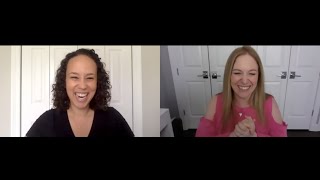
Episode 106 of the Untethered Podcast (host Hallie Bulkin with guest Danelle Augustine) discusses SLP burnout: causes (mismatched expectations from training vs. reality, low/uneven pay, guilt/people-pleasing, overwork, identity), financial realities (CF pay, insurance reimbursement constraints, private-pay vs in-network choices), and practical responses (set boundaries, choose intentionally, specialize, delegate/hire help, align choices with top values, and stay in choice to reduce burnout). The hosts share personal stories (contracts, income, switching careers, private practice) and give action steps: identify top 3 values, prioritize tasks (eat that frog), and make intentional financial/career choices.
Questions this video answers
Five years.
$75,000 per year.
About $51,128 per year.
$22,000.
About $59,000.
Chapters
Hi and welcome to episode 106 of the Untethered Podcast. Today we have Dani Augustine joining us and Dani's been an SLP for five years. After working in a variety of settings, she found her love for dyslexia intervention, myofunctional therapy, feeding, and all things birth to three. Not only has diving into these areas helped her business, but it's also allowed her allowed her to fall in love with the SLP field again. She went from almost switching careers to now having a boutique style private practice in Baton Rouge, Louisiana. Serving families in an office and home setting, connecting with her families and building those relationships is what gets her up every morning. And her 20 cent coffee, of course. In addition to her love for therapy, she's found a new passion for helping other SLPs gain freedom in their finances and their careers. She's hoping to promote a community of SLPs grounded in transparency, humility, and understanding the immense value of having a plan. If we want to bring about change and light to the SLP field, we must start from within. Quick disclaimer. All information, content and material of this podcast are the opinions of the speakers and is for the informational purpose only and not intended to serve as a substitute for the consultation, diagnosis and or medical treatment of a qualified healthcare provider. Welcome to the Untethered podcast. I am your host, Hallie Balkan. I'm a certified orofacial myologist, feeding specialist and mentor. This podcast is all about getting your questions answered and collaborating with colleagues to bring you the most up to date information in the orofacial myofunctional therapy, tethered oral tissue and airway space. I challenge you to keep an open mind and join my mission to get this information out to the masses. Let's get started. Dani, I am super excited that you're here today. When I found you on Instagram, I was like, oh, she is so my people. We have got to have you on the podcast.
So welcome. Thank you so much for having me. This is. We were talking about this before the record button was hit. I'm fangirling, but I'm controlling it.
I love it, but at the same time, you know me, I'm like, stop it. You know, we are like the same people. Like, really? But I mean, it's so funny. People say that to me and I'm like, that's sweet. I accept that I received that compliment. But at the same time, I'm like, you guys, you know someone's gonna say that to you soon. Now that you've started a podcast, you Just wait. You just wait till you're about, you know, 30, 40 episodes in. You're gonna get some fangirls, too. But no, let's talk about our topic today because, you know, we. This is going to be a little bit different than some of the things we talked about. But you guys know I like to talk about some real world issues, and I think that this will apply even if you're not an slp. This will apply if you're an ot, if you're an rdh. You know, we've got all different professionals who listen to this podcast, but one of the really big issues out there facing the SLP world in particular, is that we need to address, but we also should not get stuck on. We're gonna address it and move forward is that there's a big SLP burnout going on. And so I'm gonna turn this over to you and let you start talking to us about this topic. But how do we move beyond this? I mean, let's first talk about it, and then we'll talk about maybe ways that we can start to address it and move on from it so that we can enjoy our careers again.
Yes. Yes.
Okay. This is a little dangerous that you gave me. Gave me the openness to Free reign, girl.
Have at it.
Yes.
Okay, so there. First of all, I want to come from a place of. I get the burnout because I was burned out, too.
And I've been there.
Yeah.
And I remember, Hallie, I know at one point you were burnt out as well. And part of that burning out is little. Is a little disappointment. And I think, unfortunately, and that's something that I hope to do with, like, my podcast and my page is to be transparent with these new grads that are coming up with what the field is actually like, because it's not about good or bad.
I mean, what.
What in this world is black and white?
Right, Right.
It's just about understanding. Like, these are the facts. These are the things that you might come upon, whether it's. Whether you're a speech pathologist, an occupational therapist, anything with anything, nothing is perfect. But just understanding, this is what it is, and it is what you make it. And these are some things, some challenges you're going to face. Here's some ways that you're going to deal with it. So there are real issues facing the SLP field. Just like you said, pay is one of them. Nobody wants to talk about the money.
Except for me and you.
Yeah, let's talk about the money, because people. And I think there's this, like, icky feeling that people get, especially since, well, I'm here with my. One of my professors in undergrad say I'm a speech pathologist. I'm here with my cardigan and pearls, and I'm here to help people and save the world.
You know, that's great.
I want to get paid for that, though. And it's not. It doesn't make you bad, evil, or greedy to feel that way, especially if you feel that you bring a valuable service, which we bring a completely valuable service. I mean, we help people with eating and talking. Two of my favorite things.
I don't know about you.
Me, too.
Yes.
So I think one thing that to go back to the pay piece, a lot of us are sort of promised these salaries and things in grad school. There's this number floating around with $75,000 a year. I'm going to real numbers here. We're not save the fluff for the marshmallows. We're going to use real numbers here. The salary floating around of the average SLP salary in the US is $75,000 a year, which it is. But a lot of us are not making that. I was not making that.
I certainly wasn't when I started. Yeah.
Especially as a CF.
Yeah.
You know, employers love CFs. Why?
You can pay them less.
Yes, yes, yes. And again, part of advocating for and educating this upcoming generation of their worth. But I know for me, pay was a big part of that burnout because I felt like I had been. I had done all the right things. I got the master's degree, and I said this before. I had the cords on my graduation thing, and I had the cute. I had some cute saying on my graduation cap. I don't remember what it was. Some. Some speech thing. I got off of Pinterest, and I did all this cool. I did all this right stuff. And then I get into my job and I was like, dang, like, you.
Only gonna offer me $45,000 a year?
Like, that's it. That's it. That's all I get. And.
And then they work you like a horse.
Yeah, exactly. And then there's this guilt behind that, because it's like, well, I'm helping people.
And.
And our personality type. The personality type that I find this field draws. And it's not everyone, but I'm going to make a little bit of a generalization here. We want to please people.
We want to make people happy.
That's why we got into this field, is we enjoy seeing that smile on Little Sally Sue's face when she finally gets her R sound right or whatever it is. And it's so hard for us to find that balance of, okay, money, helping people, not overworking myself and setting boundaries, because I am not a cart horse.
Where.
Where can I find that? Yeah, but, you know, you make a really good point, too, because I think it also shapes our identity as a speech pathologist. If you're coming out of grad school and you're a CF, you already, you know, and I don't know if SLPs realize this, but, like, OTs, and I'm not sure about PTs, but I know, I think the same is true for PTS. But OTs enter the workforce immediately with a full license right out of grad school. And SLPs don't. We're on a limited license as a clinical fellow. And so, you know, with that. That already shapes your mindset of, well, I can't practice on my own without supervision, so it's almost like I'm not good enough. And then we get stuck in that I'm not good enough. And we start to believe that we're actually not good enough. And then we start to think, well, I'm in a helping profession, so I really don't want to push the envelope.
Here because.
Yeah, I knew what I was getting into. And while I thought I'd be making all this money, you know, I guess, like, I'm not working on my own yet, and I need supervision, so some of my money goes to pay for that. And. But then we get stuck. Okay, even if that's true, and I get it, you know, maybe cfs command a little bit less because they do require supervision. And that's just how it goes in this war, you know, in the SLP world. Well, once you're fully licensed, things should change. And maybe also in on that, you know, on that speed, you know, maybe you have to realize that. Yeah. And I come at this from both a private practice owner and having been that cf.
Right.
And having been someone who worked for schools and having been somebody who's worked for a private practice. You know, if your private practice takes insurance, the person that you're working for may only be able to pay you so much because insurance only reimburses so much. So there's. There's the reality of what somebody can pay you and the reality of what you feel you're worth and do those match and, you know, anyway, so there's a lot to unpack on that. But, you know, kind of going back to My initial point, I think a lot of that burnout comes from, you know, having these expectations that are mismatched from reality. And you know, it's almost like you're selling the pipe dream, but then once you get there, it just, like I said, it's mismatched. It doesn't match what we were sold and what we thought we were getting ourselves into. So like you said, we're disappointed. We are disappointed. And then we have this work piled on us and we get burnt out and we're like, well, this is not worth it because I'm not even getting paid what I thought I was going to get paid, right? And so again, a lot to unpack there. But it just from my own personal experience, you know, I thought I'd be making more. I mean, I knew what I would be making coming into the field, but I also thought I'd be getting these step increases working in the schools. And there was a freeze, so I didn't get that. And I was burnt out because I never wanted to work in the schools. And so it was like, I'm not getting paid well enough. I don't like my job. I don't know if I want to be an SLP anymore. Hey, I actually took an eight month break after I left the schools and was like, I think I'm done with this. And then I missed the kids and came back. But yeah, it threw me through a major loop and a lot of that was the financial piece. I was like, I could be making more money as an SLP in a different, you know, setup, like in either private practice or working for myself and so on and so forth. So I know I've gone like way down the rabbit hole here, but you know, and I'll, I'll turn it back over to you. But I think that there's just so much that's sold to us right when we get into this field. And then once we get in, it's like, oh, no, no, honey, we're not going to pay you that. And oh, by the way, you can't even practice on your own, so why would you expect that kind of pay? You know? And then you're kind of like, then you start to get into, like I said before, that identity factor of, wow, am I even worth this much pay? I mean, this is a helping profession. Like, we didn't get into a helping profession to make that kind of money.
That would be wrong.
Yes, like B.S. like, right. And there's, and here's the thing I always say, like, there isn't right and wrong, there just is. It just is. And so we either have to accept what is or we need to change what is so that it better aligns with who we believe we are. Like that and that I, you know, I can't fully take credit for that one because I actually paid somebody a lot of money to mentor me. And that was something she had said to me at one point or she said, there's no right and wrong, there just is. Hallie, like. And I was like, oh yeah, okay, that's right. That makes sense. Because right versus wrong is totally subjective to your situation. How you define it, what's right for you, it may be wrong for somebody else. So it just is right. And it all ties back into identity. Who do you identify as? Because someone else. And I even said, I was like, I think somebody else be perfectly happy making this amount of money for this school job because it is one of the higher paying schools in the nation. And I came out, you know, getting paid. I think it was like, not, not. I think it was $51,128 and whatever change that was my annual salary as a cf, but that's where I stayed for a couple of years. And then when my three year contract was up, I was like, peace, I'm out of here. This is not where I wanted to work. This is not the amount of money I want to make. And if you're not going to even give me step increases for like my, you know, I'm out, I'm done.
Yeah.
And what you said was great. Like I, like you said, you know, you were, you weren't satisfied with that. And I think part of that is, I think the burnout is the guilt. You're not satisfied with what's going on. The guilt associated with that without the action to do something about it.
Right.
And something that I've learned, which is very, very, very akin to what you were saying earlier, is I'm not gonna just accept that's how it is.
Yes.
And I think, I mean this is in all areas of life. And that's, it's, it's with your career, it's with money as well. That's why, that's why I enjoy talking about money is just, oh, well, this is just how it is. I'm just going to live paycheck to paycheck. Oh well, I'm just not going to make the money I want to make. I mean, that's cool. Like if that's good for you, you do you exactly. Like there's plenty of people who are very happy making. And like I said, I'll throw a number out there.
There's nothing wrong with making $50,000 a year. Yep.
The average household income in America, I think it went up to about 59,000. I think that's the average now household income.
Right.
So it could be a dual income.
Yeah, yeah.
So there's nothing wrong with that. My issue is when you're doing, you're not satisfied with that. And just like you said in the beginning, like dwelling on that, marinating in just that, being ticked off and upset. And I'm gonna get on Facebook and take this out on everybody else. And no, like, okay, this sucks. But now let's get in the kitchen and start mixing some things together to figure out how to fix this. A great point that you brought up, and I've discussed this on all of my rantings on my Instagram page, is this idea, and I like how you can understand it from both a business owner perspective and then you were that cf. Because there are some serious issues happening even there. I've gotten comments before or messages in my DMs from people who have employees in private practice, and they say, well, you know, I would love to be able to pay them more, but insurance doesn't reimburse me anymore. Like, if I paid them what they would want to get paid, I'd go out of business. Which that is very real. And that doesn't make that private practice greedy or wrong. Just like you said, there's really not much right and wrong when it comes to this stuff. But to me, if A and B option A and b stink, there's 24 other letters for me to pick from. So a great example for me, I do not plan on hiring employees and growing at this point. Maybe contractors, maybe. But even in preparing for that, I'm not going to completely take that off the table for myself. I am only in network with one insurance company. There are certain insurances around here. I know what the rates are, and I'm not going to get a network with them because they're not going to pay me.
Right. And you have choice. Right? We have choice. This is a choice we get to make as business owners. As. And I get a lot of people who come to me and say, well.
I live in a rural area, Holly.
Like, I can't do private pay services. Yes, you can. You can charge private pay services at a rate relative to what I would charge in my area based on cost of living and what people will be able to pay for Your services now don't undercharge. That's not what I'm saying.
Right, but what is your cost?
You need to, you need to have better understanding, right, of like, what is cost of living here? What are other similar service providers charging? Now I'm not saying go price fixing or any of that. Let's get off that conversation, okay? But we have to do our due diligence, we have to do research, we have to understand what the market will pay, what commands a specialist rate or a therapy rate, right? And this whole idea of, you know, what you're saying is like, you have that choice. You are the one who gets to say yes or no. You're the one who gets to decide do I stay in this job or do I go. And for me, I felt trapped because I had a contract where if I left before my three years were up, I would have to pay the school county back $22,000, not the other school county, because they had put that money towards my schooling, towards my grad program in exchange for a guaranteed contract in the schools. And it didn't decrease what they would pay me, salary wise, once I started working for them. Which, you know, for me as a grad student, like, I'm sorry, as an undergrad who was applying to grad school, this seemed like a great opportunity, even though I never wanted to go into the schools and I should have listened to my intuition and probably not have gone that route. But it's what I chose. That was the choice I made. And so I stuck with it. Because for me it's important. If I'm in a contract or I agree to something, it's very important for me to stay in integrity with what I say I'm going to do to.
The extent I've agreed to do it. However, once I fulfilled my obligation, if it doesn't work for me anymore, I also have a choice to change that. And that's where, you know, I think there's so many people get very stuck in the black and white. There is not black and white. You can still stay in integrity. You can still do what you say you're going to do to the extent that you are contracted to do it or committed to do it. But then also when there's, there's an opportunity for one of those other letters in the Alphabet, as you mentioned, you have the choice to take it or not take it. That is your choice. Like we are always functioning in choice. And that is something I have also learned from one of my mentors. If we choose to stay in choice, that is when opportunities present themselves. When we choose to be open, when we are. When we have this willingness to be open, open, that's when opportunities present. But if you are closed off and you want to choose to stay stuck because that also is a choice, you want to choose that, then guess what? Opportunities don't present themselves. Maybe they do, but you don't see them, and you especially don't see them as an opportunity because you're so closed off that you're like, you won't even pay two seconds of attention to what flies your way. So, you know, it's one of those things where, like, we kind of get ourselves into burnout by the choices we make, but we can also make choices that will take us out of burnout. And so that, you know, and that's been a big life lesson for me. I actually became a Beachbody coach and got into network marketing and replaced my income in the schools, my third year in the schools. And that is why I was able to quit my job on the day that my contract ended, because I had made just as much as a Beachbody coach as I was getting paid and by the schools. And I was like, peace, I'm out. And that's when I was like, oh, yeah. Oh, yeah, girl. Oh, yeah. And then I was like, you know what? I really don't want to listen to adults whine about wanting to lose weight but not wanting to put in the work. Like, this is not who I am. And so I was like, I mean, I like the. I liked. I liked the product. I loved, you know, using it myself. But I was like, I'm also so, like, I'm too internally referenced to, like, work for somebody else. And this still feels to me like I'm working for somebody else. Like, I need to be the CEO truly leading the ship here. And so I did go to another mlm because I was like, maybe that's the problem. I'm too close to, like, a lot of the politics and stuff at a corporate level. And, like, I just need out, right? So I switched to this other mlm. I have lots of success there, too. And then I was like, oh, I'm so over this and that. At that point, I was like, I really missed the kids. I really missed the kids. And so I went to work for a private practice for a year before opening my own. And I will tell you, I thought I was done being an slp. I was like, I am done. If I can make this money doing something else, like, why the heck am I burning Myself out in the schools. Like, why am I allowing them to demand all these things of me that they're also telling me how to do my job. They're telling me that I can't do things that are in scope. They're telling me that I have to do therapy a certain way and that I have to document this way. And I have to. And I was like, this is not working for me. Where's your Cs?
Where's your master's degree?
Right, right, right, exactly. I was like, I can't do this. But I will tell you, I got pulled back in because I really, I'm like eight months with not being an slp, just doing, like, network marketing. I was like, well, this is freedom. I feel like I'm getting to make my own choices, but I really miss the kids. So there's gotta be another way that I can be an SLP and really fully enjoy that profession. And so, you know, but that was a choice I made. That was a choice I made. And the funny story about it too is that I accidentally found a shaun t insanity workout on the tv because we had been rained out of the condo we were renting when the water heater above us exploded and just started raining through the condo that we were renting through the vents. And I'm brushing my teeth in the morning and here comes the water through the vents and I'm like, what is going on? So we were displaced with an old dog who, like, we didn't want to leave alone all the time. So I'm sitting, like, watching infomercials in a Marriott, like, two bedroom condo that they gave us that we're in for like six weeks. And I'm watching this and I'm like, oh, this seems like a good workout. Yeah, well, I lost some weight in grad school and I really want to maintain that as I start my new job. And so this was like this summer, going into my first job, I actually bought it, Started doing like, the workouts. I was like, I love this stuff. This is so my speed, like, was like, making the shaun t meals. Like, I was like, this is great. You know, drinking the shake. And then actually didn't drink the shake for a long time. I was like, eh, I'm not getting on board with that. And then finally I did. And finally, like, my coach who had, like, connected with me in the beginning, she finally, like, a year later, because I was so miserable at my job, I was like, there's gotta be something better out there. Let me just try this right So I started doing it and hey, I mean, I was like, grinding, though. I was like that, you know, probably also contributed to the burnout, because here I was, like, working this job and then I was going and running, like, free fitness classes and things to get people to, like, buy the product and then come do our weekly workout with us. And, you know, on the phone after work. And I mean, I was pounding the pavement. I was really, like, hustling. And that's also not who I am. Like, I. When I get into hustle mode, I get into burnout mode. And yeah, I know this is like, you know, your podcast episode, so I don't want to take over, but one of the other things that one of my mentors basically said was, like, there are a lot of people out there who work very hard. Hard work does not equal money.
Okay, can you please say that I literally said this?
Who was I recording with?
No, who was. Oh, yeah, it was on Instagram live for a bunch of new SLP girls. Say that again, please.
Hard work does not equal money. There are plenty. Yeah, think about it. There are people out there working three jobs just to pay their bills, but.
They have a car note that's almost the size of my mortgage payment. Right. Which is. Nothing wrong with that when you can afford it. But anyways. But yeah, no, like, what did I say? I said, oh, that rat in that wheel. I said, he is going in me. He is running, he is moving, he's panting. I said, if rats. Did rats sweat, I have no idea. He's sweating. But is he getting anywhere?
No, that's that rat race.
No, that is 100%. And that's why I just. And I'm sure we both kind of. We both get in this mode of just like, I need a need to preach it, because you can work really hard and still not be successful. Do you need to. Do you need to work hard to be successful?
Yes.
Well, arguably no.
Well, that's true.
Well, if you.
That, that's an interesting question. Like putting. Putting plans into place and systems into place.
But here's the thing, right?
Are you doing physical labor?
Are you, like, so for me, like.
How do you define hard work? So some people would say, well, it's physical, like manual labor, Right. Or maybe it's putting in 60 to 80 hour weeks up front.
And I'm not going to say it's.
Easy to build a business. That's not what I'm saying.
But what I have learned was when I.
So when I started my private practice.
I was working like Four days a week treating. And then I eventually got pregnant pretty quickly, brought on somebody to help in the afternoons. And I've always worked from a place of these are my hours. I will not make exceptions. You don't get me after hours. Like, yes, like, have I blurred the lines a little bit sometimes or worked weekends? Yes, but that was my choice. I chose to do that. And I also was like, you know, for me, one of my top values was making money and was also family. And a lot of SLPs don't have that in their top value ladder. So if you don't have those up there, you're going to make choices based on whatever your top values are. And that's why they sometimes seem misaligned with what you're actually saying you want. So people come out and say, oh, I want to make money. Oh, I want to put my family first. Oh, I want to build a business that allows me to be home with my kids. I've been saying that since I was like in my early 20s and I was like, I'm going to be a millionaire by the time I'm 30 and didn't happen. But I said it happened, it happened. It just didn't happen by the time I was 30. And so it was like one of those things where it's been such a subconscious identity of mine for so long that I was like, well, if to get there I have to work from a place that aligns with that because if I'm not right. And so part of my overdoing, because I say I'm a recovering overdoer and I've been burnt out, part of that was I always wanted to give my family's top notch services and I would just over, I would over commit to my families that I did take on and I would over commit to like, yeah, I'm like.
And.
But that was who I was, that was part of my identity. So you know, when I say like, you don't have to work hard, you don't. I didn't have to do all those things to get to where I was today. Is it easy to build a business? Well, some might say yes. You know, I'm. But I'm not going to say it was easy. I will say there were hard things about it. But I also think a lot of it comes into how you handle the fires. You have to put it out how you handle like the day to day, how quickly you deter, you decide to not be the jack of all trades and specialize. How quickly you decide to bring on help in your business, whether it's a contractor treating or a contractor doing your intake calls, like, there's a lot of things I held onto that I did not have to hold on to for longer than I did because I was a control freak. And I was like, nobody, this is my business.
It's your baby. Yeah. Yeah.
So that's where I say, like, it doesn't have to be hard. Like, do you have to put in the time? Do you have to put in the effort? Absolutely. But I think a lot of people make it 10 times harder than it ever needs to be. And that's also, I think, what holds.
A lot of people back from making.
The money they say they want to make because they are their own obstacles standing in their own way.
Yeah.
When you start. The biggest thing that I've learned is when I started to release the reins and I got rid of my control freakness, I was also able to allow other people to work with me, take on the tasks that I actually hired them to do, and not feel like I also had to do them if they didn't do them as fast as I did or, you know, as perfectly as I did. Because perfectionism is not a thing. We'll talk. We can talk about that too. But it was one of those things where I was like, wow, this could have been so much easier if I had just brought on that person a little, you know, three years ago. Why did I let myself just do it all for so long? So anyways, yeah.
And that's what I feel like that's what leads to burnout is like, whether, whether it's in your. Whether you're building a business or even if you're at a school job or working for someone else, this idea that, like, you have to take it all on and if you don't take it on and it's not going to be okay, and it's hard to let go because. And I, and I've said this before, SLPs really are some of, some of the best people. They really are. Like, we care so much about our clients.
Yes.
Yes. Too much. Like, I'm still working on saying no. Like One of the OTs that I share a lot of patience with, she still fusses at me.
It's a good practice. You know, go stand in front of.
The mirror, say no, like 15 times. Do it again tomorrow.
Yes, it is practice. Like every morning, every day, I post on my stories about my 20 cent coffee. It's because I like Starbucks. And I have to remind myself that Starbucks isn't getting my retirement money. There's nothing wrong with Starbucks, but anyways, but just priorities.
It's priorities and it's making it. Staying in choice. You are making a choice. So even though you like Starbucks, you're like, I don't value it enough to not have this money for something else. Like, I value that more than a cup of Starbucks. So maybe I get the Starbucks once in a while, but it's not going to be on my daily, you know, routine. Yeah, no, I think that's awesome.
And that word intentionality, that actually. So me and my husband, one of our good friends, he passed away. He was 26, and he passed away from cancer. And he was actually an amazing pastor speaker at 26 years old. And one of his big things that he always, always preached and talked about was intentionality and that and learning that from him and just even watching him battle cancer for that year and eventually passing away, that's something that even me and my husband have really just honed in on as one of our values, as we're. As we're. As we're. As I'm creating, running a business or whatever, as he's moving up in his job. Because it really just bleeds into everything. Because if you. If you don't make choices, then choices will be made for you.
Yeah.
And that is in everything that. That burnout you can burn, like that career burnout that we see for slps. It. I hurt for them because I see that not just in their career, but it bleeds into other areas of their lives. And that's why I like to talk about money a lot. Because your treasure is where your heart is. So where you're putting your money is where you're putting your heart. That's why it's really. For me and my husband, it's really important for us to be on the same page with where we're putting our money, because where we're putting our treasure is where we're putting our heart. Where we're putting our treasure is where we're putting our goals, where we're putting our treasures, where we're putting our dreams as a family, as a unit. And those little decisions, just like you said. Is Starbucks evil? No. Is Starbucks right or wrong?
No.
But I'm choosing not to put my treasure there because that's not where my heart is. I'm choosing to put my treasure in things that matter, that matter to me and my husband and our family. And I think what ends up happening is people don't realize that they're doing that, yeah, we don't realize. And again, money is a great example because it bleeds into so many areas of our lives. It's limiting. Especially if you do, if you, if you hate your job and you ain't.
Got any money, it's hard to leave it.
Right. But it just, it bleeds into all of that and it's something that no one likes to talk about.
It's like a taboo topic. But we all need it to live.
So.
Yes, yes.
And it, you know, it contributes to so much to, to our satisfaction with life. Not that you need, you do not need money to be happy. You do not need it to be happy.
They're two separate entities.
Exactly, exactly.
We were actually like, commenting on, you posted this and I commented on it and I was like, yes, thank you. Because, you know, if you are miserable when you have $1, you're still going to be miserable when you have $7 million. Like, it doesn't matter. Money does not buy happiness. Money can buy a lot of things, but you're going to be that same miserable person you were when you were poor if you don't work on yourself. And, you know, there's a lot of this stuff out there. There's so many resources out there on how to like, get out of victim mode, get your mindset right. And I've even talked about, like, you know, my, one of my mentors, Jim Porton, his be do have, you know, methodology, his paradigm where he talks about, you know, get out of the doing. Every day you get stuck in, like, the doing, well, I have to do this so that I can have that. So then I have, then I can be that person that has all these things or blah, blah, blah. No, you have to be in your subconscious identity first. You have to be the person who identifies as, like you are actually being Dani, the person who identifies as a retiree who's got wealth. You identify as that wealthy retiree even though you're nowhere near that point of your life yet. But that's part of your identity. And that's why you're able to say, you know what, Starbucks is great once in a while, but it's not important to me to have it every day. Like, I've got my 20 cent coffee here and that. I'm perfectly happy with that. And you are, because you're choosing to be, you know, and so again, you're staying in choice. But you're also operating from this place of being your future self now. Right? Those actions you're talking about taking today allow you to Be that future person. So that's where we all need to get into this, like, mindset of, like, who do I need to be today? To get to where I want to be a year from now? To get to where I want to be two years from now, to get to where I want to be 50 years from now. I'm like, look, do things change?
Yes.
Will you change?
Yes. Do you think?
But as far as financial planning goes and like, I know I'm not a financial planner or analyst or any of that stuff. Like, don't come to me for financial advice. But, you know. Right. But, you know, it's still. But we need to be talking about it, at least on the surface level of, like, who are you being? Where are you choosing to put your money? Because if you say you're stuck, but you're going out and you're doing takeout every day and you're, you know, buying fancy bags and cars, you're choosing to remain stuck, that is a choice you are making. And I know people are going to be like, oh, sucker. You know, sucker punch to the gut. That hurts. But it's true. It's the truth. And I don't sugarcoat things. I know you don't sugarcoat things. You're like, no fluff here. So you have, you have that choice. You can choose to stay or you can choose to change. So, you know, that's your choice. But yeah, going back to that whole.
Thing, we all get stuck in, the.
Doing, doing, doing the daily doing. Because I have to do this to have that so I can be this person. No, that's backwards. We need to be the person so that we can then go out and do the things to then have the thing, you know, so flip it around, people. You got this backwards.
Exactly.
But the thing is, Halle, that is what's normal. And I try to, and I try to, like, get this through my conversations.
With people and on social media.
Normal.
There's no such thing as normal. So we can just.
What everyone else is doing. You know, it's not about. I feel like sometimes we just get stuck in what everyone else is doing. Oh, well, this is what everyone else does, so I'm just gonna do that.
But I talk about that and I talk about this in the tongue tie world. And, you know, just because it's common to snore doesn't mean it's normal. Just because it's common that tongue ties exist doesn't mean it's normal, you know, so just because it's common that we feel stuck and that we're in debt. And that's how out of the country oper rates here doesn't mean it's normal. Right.
It doesn't mean that you have to do that. And I encourage people stop taking comfort in the fact that what you're doing is what everyone else is doing.
Right?
Well, comfort is easy. Being comfortable is easy, and it feels hard to change. But you know what? We can also make a choice and say, this is going to feel a little uncomfortable, but I can choose to let it be easy. I can choose to let these things go. And I can choose ease in my life because. And this is something that another one of my mentors have, a lot of mentors pointed out to me on a conversation I had with him a couple weeks ago, because we were talking about the success that I've had online in the past year. And he said, you know, if there was advice that you could give to this group, because we were on a group mastermind type of call, what would that be? And so we got into conversation, and again, like I said earlier in our conversation today, he said, you know, what did you choose? And I said, well, I chose to. I chose ease. I chose what's easy. And he said, well, hold on, because for most people, what's easy would be just not doing the damn thing, because that's easy, that's comfortable, and they don't have to put themselves out there. They don't have to. You know, they don't have. And here's something else that's come up a lot, too. We are all going to be judged positive, negative. We are all judged on a daily basis. Somebody listening right now is judging me and you for saying the things were saying. Some of it's going to be positive judgment, and some of it's going to be negative. So who cares? You know, you're going to find the people who align with you and they're going to want to hang, and the people who don't will find somebody else. And that's fine.
You know, everyone's going to like you, right?
And you don't need everybody to like you. But the thing is, you can choose to. The person who chooses to put themselves out there is a person who's going to have success at some point. You know, yes, you're going to fail. You got to get up and keep going. I talked about that on a podcast recently, but really it all comes back to, you know, he said, okay, let's. Let's dive into this a bit deeper because what you're Saying for most people, for like, the common thing would be to choose just to not do anything, just to stay where we are, because staying is comfortable and it feels good, even though it doesn't feel good because we're stuck. And I said, okay, let me rephrase that. So when I say to, I basically self sabotage and tell the universe, like social media, my email list, my ads, everything, hey, we're going to be doing this on this date. Well, guess what? Now that I've put it out there, staying in integrity is one of my high values. That's really important to me. I can't not do it because I'm afraid. So if I choose not to, if I chose not to do it because of like a legit reason, like, sure, I have that choice, I can make that. But if I'm choosing not to do it because I'm afraid of putting myself out there, who am I at this point? Like, I'm basically out of alignment with myself. I'm out of integrity. But in doing that, I can choose the easy route and still deliver this or choose the hard route and still deliver this. And so for me, like one example with my online business would be I can choose to do a live launch where I am literally in your face for an hour every single day, five days in a row, and then we open the cart to the program, which people have seen me do for four times for Feed the Beads. Or I can pre record a launch ahead of time and the videos drop. Still one video a day, but it's prerecorded, which is what I'm actually going to be doing for the first time for my third, you know, big public MYO membership launch that's happening next week, so. Or it'll be in the past by the time this airs. But anyways, whatever. But here's the thing, right? I was like, I can't live launch a program seven times in a year because these things take a lot of my energy. And I am too. And that's hard for me. That is going the hard route. So for me, I really enjoy live launching Feed the Peas. I have a really good time doing it. I only do it three times a year. I am willing to do that and put my energy in for those weeks that I'm live launching that program. I was like, but for the membership, what feels good to me is doing a prerecorded launch and we're going to do it so that they still get the launch, they still get free. So CE hours, you know, people still learn how to screen their first myo patient. I'm still 100% integrity with what I promised.
Right?
But it's prerecorded and I don't have to give up all my energy that week. I can just be in the group and chat with people and show up that way and still stay in integrity. Right? But it's choosing ease. And guess what? Other people will say you're crazy. Why are you doing this? That's not how you launch something because that's what you, you know, that's what the market tells me. Well, I'm choosing what feels right to me. I'm following my intuition and this is what allows me to say business doesn't have to be hard, but people stay in the hard because it's like, well, I took this person's course and they said I have to do it this way. And I'm paying this mentor and he says I have to do it that way. And well, I'm just like so overwhelmed right now because I have like 75 things going on and dah, dah, dah, dah. And I was like, no, none of that anymore. Do less better, Hallie. And so if we can get to a point where we can start to trust ourselves and listen to ourselves and stay in choice and still stay committed to the things that we say we're going to do, obviously don't over commit. And that's easier said than done. But it all comes back to choosing the ease route. Now, ease doesn't mean you're not working, but it means you're staying in alignment with who you are and what feels good to you while still delivering to the market what you promised. And so for me, that's been a big lesson. And that's probably the biggest lesson that I learned last year because I was hitting like I killed my adrenals last year, getting to seven figures meant I killed my adrenals. And that's not something that I will allow to continue because my health is important to me. And what good is money if you don't have health? So anywho, that was a big rant, you know, big rant on my end. But, you know, I thought it was important to say because people are watching what I'm doing and I want everyone to know that, like, yes, it looks so easy and beautiful on the outside, but there's a lot of big business decisions and things that get made on the inside that you're not privy to and that, you know, have to really, truly work from, like who I'm being and the choices that I make and what I want my life to look like while also still being able to mentor and deliver and be whatever what I say I'm going to be to those who enter into my programs. And this applies to private practice, you know, and other jobs as well. So anyhow, I'll turn it back over to you. But that's my.
That's so true. It applies in everything. And then that just goes back to living intentionally.
Yeah.
Because this is what I want to be. I mean, a lot of people give more thought. A lot of people research mascara, whatever mascara they want on Amazon more than they're researching their retirement plan, their financial plan, what kind of job they want to have. And it just. And again, it's. You make that choice or you let. Or the choice is made for you.
Right.
If you're putting more time into what. I'm not even gonna lie. Like, I have the zoom filter on this thing that, like, makes me look like I kinda have some makeup.
Me too. Me too. I like filters. That's okay.
Yes. Because, you know, I know nothing about makeup. But anyways. But putting more time into, you know, like, I remember I had that conversation with a friend of mine who, who.
She wasn't happy with her job.
She felt like where she was in her career wasn't where she wanted to be.
I said, well, how much time have.
You put into looking into something else? Oh, well, you know, I thought about this or this. I said, okay, all right, so you maybe thought about it for what, 30 minutes? How much time are you watching that chick with the bronzer and makeup and what is it? Contour? What the heck is that?
Right? I don't know.
I don't know.
Which again, if you want to go watch YouTube and get some contour, that's cool. Like, I think that's great.
Priorities.
Exactly.
But you need to be intentional and walk in wisdom as you're choosing what you're gonna do with your time and with your money. And just like you said, and it's so funny, the semantics. Hallie. So you said it's not.
You were.
You were using the phrase, it's not hard, it's ease. And it actually, oddly enough, made me think of. And I saw this talk from Steve Harvey years ago, and I bring it up all the time of how he talks about choose your home hard.
Oh, interesting.
Yes. And. But it's the same thing you're saying is you can choose the hard of not being happy in your life and career and your money and feeling stuck and that you have Absolutely no control over what's happening to you. Or you can choose the hard of putting yourself out there and getting out of your comfort zone and actually getting out there to do the dang thing, which in the end is actually easier.
Well, and you're putting yourself into ease, right? So it's like you said, it's all semantics. And so we're basically, you know, when I cut you off earlier, which was really rude of me, and I was like, it doesn't have to be hard. I was like, well, that was really obnoxious, Halle.
But.
I think it's like you said, it's all semantics. And we're basically, we're saying the exact same thing. Right? And it all comes back to choice. We keep talking about that you have a choice. And you can also choose to stay in that victim mindset of like, well, this is a life I signed up for and this is what I get when I, you know, because this is what I decided to do. Or you can choose to step out of that. And again, easier said than done, especially if you don't know how to do it. But what I encourage people to do is get some books or start reading some things. That's going to help you shift your thinking because it's really that subconscious thinking, like, why do people. And I'm not a relationship expert, but I'm going to use an example. Why do people keep going back to abusive relationships? Maybe it's with a different person. It's because that's their subconscious identity. That's how they identify. And until they work with somebody that can help them shift that, if they're unable to do it themselves, they will compete, can continue to repeat the patterns. And I'm not saying this in again, I'm not an expert in this at all, but I think that it's a really good, like, non SLP example of why people continue to stay stuck or why people continue to go back and repeat. Like, maybe they go get a new job, but the job is like basically a replica of the job they had before. Maybe it's in a different setting, same pay, still being like overworked. You know, it's. Again, it comes back to your subconscious mindset. How do you value yourself? Who do you identify as? What do you think you're worthy of? You know, because if you don't think you're worthy of more, you're going to sit there and be afraid to ask for more in a job interview. Maybe they have a little wiggle room. But guess what? The person who asks for it is a person who gets it, so they're not always coming to you with the highest offer. Now, if you get a 50k offer, I wouldn't go back and ask for 25k more. I mean, that's a little bit obnoxious. But do your research and find out, like, what could you ask for based on your experience? And then maybe, maybe if you're a specialist, maybe you can command more.
Right?
Especially if you know what. What other competitors in the area are paying. But again, that's what you're saying. Do the research. You know, I mean, I'm guilty. I like Netflix. I'll sit there and watch it for hours on end. I'm, like, on a bender right now with, like, a show that I found, and I'm like, I can't stop watching it. And I get. I go through phases where sometimes I'm like, I just need to turn my brain off and turn on some Netflix. And there's other times where I don't watch TV for months, right? So I'm not any judgment. This is like. I joke. It's my ADHD brain. Like, one day I'm like, I need this. And then I get stuck. And then I'm like, all right, I'm burnt out on Netflix.
I'm good.
Once.
Oh, yeah.
I literally.
My husband literally just made that comment to me because I'll be like, on a show, like, I watched the Good Place in a solid, like, two weeks. But after that, I was like, all right, I'm good now.
It's so funny. It'd be so interesting for cameras to follow us SLP entrepreneurs around and watch our actual behaviors, because they probably would think we're pretty erratic. I mean, look, I am not. You have never heard me say, I get up at 5am and I have coffee, and then I sit with my journal and I do my daily affirmations. And then I go to the gym or I work out of my house, and then I get my kids up and make them breakfast. Oh, hell no. Like, you guys, I am a night owl. I sleep late. My husband gets up with the kids in the morning. I have an amazing au pair who helps with our kids, too, and takes over at 8:30 in the morning. And I'm still sleeping. Sometimes cat's out of the bag, y'.
All.
Like, I am not an early riser. I do not get up. I don't read very often. I don't like reading. It's not enjoyable for me. I'll listen to things on audiobooks. I used to do It a lot more when I was driving around more. And then we had a pandemic. So I probably haven't really read much of anything in the past year. Not gonna lie. I mean, I am real. I will tell you guys, you can be successful without having a morning routine. My morning routine is like, stay out of my face until I've been up for an hour because I can't process anything. And that's when my husband, I love him to death, but like, he wants to have all the conversations as soon as I wake up. And I'm like, do not talk to me about anything important until I'm like.
Wait till the cup is empty and.
Then don't talk to me right now. I mean, and sometimes I will stay in my bedroom. Like, I'll get ready for the day, but I'll like answer emails. I'll get on my phone and start answering emails at like 8:30 or 9am and then I might not leave my bedroom until 11. Like I might not come down to for my coffee. Actually, frequently don't come down for my coffee until 11am like, that's just my routine. Unless I have morning meetings and I have to be on my computer, I am not in my office before like 11. That's just. And it's not because I'm working out. I probably should, but it's not because of that. Because, you know, you see all those people on social media who are like, here's my perfect morning routine. And then I get the kids off to school and I'm like, well, my kids are home because of a pandemic, so there's none of that. And then, you know, I do this and I do that and you know, no, I'm over here. Like, that's none of me.
And there's nothing wrong with that because like, I know, I'm glad we're talking about this is. I know I do better when I wake up early. Like, I know that I do better that way, but that's because that's just how I do better.
Right.
It's all about knowing yourself. And there's, there's something we said to.
Have not making it wrong.
Exactly. And just a level of self awareness.
Yeah.
I mean, look, when my child is back in school in the fall, because they'll be back in school, you know, in person when they reopen, will I have to adjust my schedule? Probably because I'm a mother and that's a responsibility of mine. But right now, in a pandemic, like, this is how my life is working and this is how it works for me. And so you do, you boo. Like, my husband always says that to me. He's like, you do, you boo. And it's one of those things where one of my mentors said to me too. He was like, if you don't make it wrong, it's not wrong, it just is right. And I talked about that before and I've actually had two mentors basically say that to me. And he's also a night owl. And I'll see him up, posting or working or whatever until like 2, 3 in the morning. And that's just what he does. And that's where I've always.
I used.
And this is like full vulnerability. I used to do that and then have to wake up at 8 or 7 and go treat family stuff, treat, come back, do it all again. I was operating on very little sleep. Energizer Bunny. This is how I killed my adrenals more than once in my life. And you think you'll learn the lesson the first time? It takes like two or three. But it's one of those things where I was making it wrong, but I was still doing it. So even though I was doing it, I was then stressing over how this is not the right way. I should be a better mom. I should be going to bed earlier so I can get up earlier so that I have more energy, so that I can do X, Y and Z, so I can work out and be this perfect parent and perfect business owner. There's no such thing as perfectionism. Like, we can go there next, but, like, that doesn't exist, right? So it's just one of those things where, like, when someone finally said to me, why are you making it wrong? Like, you're a night owl. It is just is what it is. And I was like, oh, yeah, that's a good perspective. Okay, well, that feels ease. That feels like ease. And like, when I allowed it to be easy, I let it be easy and chose ease over my life choices. And what worked for me, it became. It just felt better. And I. The stress on my shoulders just disappeared. It literally was gone. And I was like, I love that.
Whoa.
And it's.
Are you doing what you need to do to meet your goals? Like, I think there's this. We need to change our measuring stick, right? A lot of people, we use this measuring stick of what everyone else is doing, what everyone says I should be doing, like, for you. Ok. Everyone says, like, I should be getting up early and going to the gym. We need to get rid of that measuring stick and make some goals and use that as your measuring stick.
We need our own IEPs, our own training plans. Exactly, exactly.
Because that way you're in control of what is successful for you. Because what's successful for me, AKA me meeting my goals is not going to be the same thing as what is meeting or successful or meeting your goals for Hallie or for Sally sue or whoever. And I think we need to change how we're measuring and we have to be patient with ourselves. And because I'll tell you this, allie, I get DMs from people a lot about like private practice because I'm like I said, I'm very open with the fact that right now it's just me and I really enjoy it. We might be changing in the future, whatever. And so I get a lot of questions from people who are kind of just in that starting out mode and they kind of, they're like, well, I'm not, I feel like I'm not doing what I'm supposed to be doing or blah, blah, blah. And then I'll tell them, I say, I'll say, well, what's going on? Tell me. And then they tell me what they're doing. And I said, well, it sounds like you are doing all the things you're supposed to be doing. You just, you're not going to start your private practice the second. Like it sounds like a great example. You have a school contract that you're locked into until May, right? So and you have like a non compete thing, so you can't start till May. But you got your LLC, you're kind of getting together, you're taking some CEUs, you're doing all the stuff you need to be doing. You just have to wait. Like you just, you're preparing and paving the way and taking the steps to prepare yourself to take that step in May. But it is a May.
It's that overdoing nature that we get stuck in. Like it's that whole being versus doing. Are you being the person that is going to be ready to have that private Practice open doors May 1, or are you just getting stuck in the doing and I need to do more because it's not May is not here yet. And like what else can I do until May is here so that everything is perfect on day one when I launch my private practice? And like that's just not how, I mean, you will drive yourself into the ground with like working from that mentality. Absolutely, yeah. Absolutely. Yeah. I mean, and that's really where it comes back to staying in the being, staying in choice. Like choose. And there's a really great book that I read like very early on in my network marketing career called Eat that Frog. If you have you read that one? No, I'm not.
I'm writing it down.
I have not even.
So eat that frog. I don't remember who writes it. It's in my closet behind me. But I'll break my neck climbing on this chair trying to get it down. It might be Brian Tracy, but I could be totally wrong. I'll Google that while we're talking. Anyways, the whole concept and it's a quick read. So for ADHD people like myself, you can literally read it like very quickly. And it's very like non fluff, like actionable stuff. So yeah, it is. By Brian Tracy. Wow, I can't remember. Can't believe I remember that. Anyway, so the whole idea. So it's eat that frog 21 great ways to stop procrastinating and get more done in less time. And what I really love about part of it is he helps you prioritize the things that you actually need to do. And what you figure out is like.
First thing in the morning, eat your.
Two frogs for the day.
Like, what are.
And like, look, I don't always eat it first thing in the morning, but I make sure that whatever I need to do is on my calendar for the day and the things that do not need to get done today. If I'm feeling like this feels like.
A lot and I think I'm like.
You know, we're going to push it to the next day or maybe we're going to push it to next week. And I just do this on my Google calendar. And if you can see my sticky.
Notes everywhere, like, they get out of.
Control and I start to feel overwhelmed. And I'm like, it's time to make one big sticky note and put all these onto a sticky note versus, like.
Sometimes I go through them real quick.
I crumple it up and I recycle. Just depends how I'm feeling that day. Like, what do I need for myself right now to continue to take these actionable steps and to feel successful in this moment?
Right. What does that look like?
And so for this, it was really great because eat the frog was like, Eat that frog was like, you take those two big frogs. Like, what are those two big frogs you have to swallow today? He says, get them done first thing in the morning. Okay, again, that doesn't feel good for me.
So I get them done sometime during the day. Because I do, you know, I do me.
But I recognize that, like, there is an A and a, B and a C and a D and C and D can get done later. Like, nobody's gonna die if C and D don't get done today. But A and B, I'm gonna be out of integrity and I'm gonna be like, anxious over that if I don't get those two things done like I said I would today.
So, you know, but that's where we.
Also have to be so careful not to over commit, right, to too many deadlines. Because then you're like, oh, gosh, now I can't sleep because I have too many frogs that I need to eat today. You know, so anyway, so it's a really great, It's a great, interesting read. And I think it's a really easy read for people who are like, feeling like I got to do all the damn things, but I don't really know.
Like, what to do or what do I do first? It just, again, it helps you prioritize.
Yeah, well, you have to. There's just so many.
Like, if.
And you're probably the same way. If someone was in my brain, like.
What in the heck is going on?
There's like, there's like five games of tennis. Somebody's. Somebody's bouncing something off the wall. Like, there's one person over there looking at a squirrel. Like there's a dog.
Like.
There'S so many things pulling at us.
And I mean, and I, And I.
Say this all the time. I said, I'm not.
Me and my husband, we don't have children yet.
So I know it's even, you know, like, and we're as. We're kind of planning that next stage of our life. Like, that's something I'm thinking too. Like, okay, okay. Like, if I'm doing. If I'm playing this many rounds of like epic ping pong in my head right now, what is it? And you have to.
Children just mess it all up.
I love my kids, but don't get.
Me wrong, they're work.
Kids are work.
And they also, you know, it's sort of like a therapy session. You go in with this beautiful plan and you're like, oh, I'm going to be this kind of parent and I'm going to do this with my kids. And then you have kids and it all goes out the window. And you're like, so much for planning to the point where, like, I refused to read baby books when I was pregnant one because, you know, I don't like to read. I just told you guys that. But two, I'm also internally referenced, so.
I'm like, I don't want someone to.
Tell me what to do unless I'm seeking specific information on what to do, you know. And then three, I was like, I'll do what I have to. So we have to take a hospital class. So we'll do that birthing class and the hospital class and whatever else. Fine.
But yeah, I was, I was like.
I'm just gonna kind of figure it.
Out as I go and ask people.
Along the way who I want information from. And yeah, it was one of those. I compared it to therapy. You go in with this beautiful plan. You've created these beautiful games, like these activities to work on your goals for that patient. And then everything goes out the window because they are having an off day. And you're like, so much for that plan.
Yeah, I believe you. Like I said, I don't have to have him to believe you. And it's just there's so many, there's so many things pulling at us all day long. And again, back to what we said about just that personality type of an slp. We care so much. Like a lot of the terrible things that we end up doing to ourselves are because of how much we value other people over ourselves, how much we value other people over our own time.
Or we lie to ourselves and we say that like we are doing like the work that we're called for by spreading ourselves so thin and giving ourselves to everybody else. Because that, like I'm in a helping profession and who would I be if I say, you know what? No, I really can't help answer that in a dm or no, I really can't coach you for free, or no, I really can't, you know, and these are things that I'm guilty of doing this. Early on in my career, I coached people, I coached business owners for free. And I was exhausted after I get off the phone with them. And I was like, I have a young child and she deserves my energy. I have none left. So if I'm going to do this, it's going to be a business and I'm going to. And that's where I started coaching for money in exchange early on. And my rates have climbed over the years based on my own experience, what I've done in my business, what I'm able to coach on. And that's where I encourage everybody to start looking at how much you value yourself and your self worth. And it's not an easy thing because a lot of us don't have a lot of self worth. And I've learned that just from, you know, from doing these launches for my course and my membership where I talk about self worth. One of the five days and so many of the SLPs, OTs, RDHs, you know, whoever it might be, for whichever program I'm launching, they're like sending me DMs and they're like, wow, like, I never realized how much I don't value myself and how I put everybody else's needs before my own. Well, this is what leads to. To burnout. It is not wrong to say, you know what? I really can't coach you for free in a dm. It's not wrong to not answer somebody's dm. That's your choice. I mean, I choose to answer all of mine and I choose to bring on help to answer some of mine sometimes if I'm in a launch because it just gets insane and I literally won't sleep if I'm trying to answer all the DMs, but my team will leave certain ones for me to respond to if it's really specific and it's something that I need to respond to versus like, hey, how do I get this link? Or how do I get to this webpage? Or how, you know, like a more technical question. Yeah, it's just, it's. You learn a lot about yourself, like being a business owner, if you allow yourself to be or if you allow yourself to step into the role of being open to learning about yourself. And again, I don't think that anything I've done was wrong. It's who I needed to be at that time to learn what I needed to learn on my own journey. And so I really encourage others. Like, even if you're feeling overwhelmed, like listening to Danny and I speak to now, like, you do what feels right for you and what feels right today might be different six months down the road. So you have to constantly be like, revisiting this conversation because it's going to change at every step of the way. Like, you buy a house, it changes. You have children, it changes. You take a new career, it changes. You decide to start seeing patients on the side, it changes. It goes from summer to fall, it changes. I mean, there's big life things that happen and there's little life things that changes. Just that just happened and things shift in us. So we have to constantly be checking in with ourselves and be asking the question, like, how is this? How am I Feeling like, how do I feel today? Am I overwhelmed? Like, am I. Have I taken on too much? Do I need to pull in the reins? Do I need to maybe, you know what, I just said yes to that yesterday. But that actually is not in alignment with me. Like, I'm not too deep into this. I can go back and say no. Like, it is okay to say no. In fact, I encourage you to say no more than you say yes.
It all goes back to. It all goes back to being intentional. And like, what are you, how are you making your decisions whenever you're choosing to say yes or choosing to say no? Are you doing it based off of just like, oh, I feel bad, or is it, oh, I've taken the time to really outline these pillars or these values that I have in my life. Like you said earlier, family and making money were two of your. To your values that you value things that you have in your life.
Yeah.
Using those, like, every time you make a decision, go back to those. Go back to those. Go back to those.
Exactly.
One thing that I've learned in life is that, and I see this across everyone, not just myself, I need to learn the same lesson over and over.
And over and over and over again.
And I have to practice it over and over and over and over again.
That's how we learn repetition. That's how we do therapy.
You know, just because a kid gets an R in isolation, he's not going to go talking. He's not going to go start talking about Wrigley the rabbit in the rucksack out with his friends. You have to keep doing it over and over again. And you have to give yourself the grace and the patience.
Yeah.
But you also have to give yourself. You have to have. You have to have that anchor and you have to have that measuring stick. Because that is something that I have to keep practicing is going back to, what are my values?
Okay.
I'm in this situation. I'm not going to make this choice based off of emotion, based off of feeling bad, based upon whatever. I'm going to go back to my values that I sat and thought about instead of watching the 30 minute video on how to contour my face. And I'm gonna use that as, like, the pillars of who I am as a person. And same thing. Whenever, like, me and my husband make decisions together. When we make decisions, it's not just like, oh, what do we feel like right in this moment? There's nothing wrong with going in that moment, but it just goes back to those things that you decided These are non negotiable.
When it's so much easier to do that if you know what your top three values are in life, it is so much easier to just ask the question, you know what? This is a really great opportunity. I'm honored. But unfortunately, that does not align with, like, what my plans are right now. That's what you can say to somebody, and they're not going to be upset with you. They're just going to be like, oh, okay, you know, and you can even say, check back with me later. Maybe things will be, you know, something might be different a year later when they approach you again. And that. I've been asked to speak at conference conferences. I've been asked to have courses on various platforms. I've been asked to do all kinds of things. But you know what? It wasn't aligned with my business goal at the time. And then there were opportunities that came along where at the end of last year, I was asked to present for Talk Tools. And it was, you know, that was an alignment that I was like, well, I don't want to talk actually about mayo as a therapy process or, you know, clinically. I want to talk about a business, being a business owner in the MYO space. Like, if I can present on that, like, that's in alignment with where I am right now. And they were like, yeah, absolutely. I was like, okay, great. Right. But they came to me and asked me. I asked them for what was in alignment for me to participate in this. They said yes. And guess what? I just presented on that. And so, you know, it really comes down to, like, where are you right now? What are your values? What makes sense for you right now? Again, that can change a month from now, six months from now, a year from now. So, you know, it's not. No, forever, unless it really is out of alignment. You're like, I will never do this.
That's.
That's a different story. But there's a lot of opportunities that show up because I'm open to them. It doesn't mean I have to say yes to them just because they presented themselves to me. Right. You need to be smart about, like, like you're saying, is it in alignment with my top values? And if it's not, how much easier is it to say, you know what? This really is not something that I'm going to be able to commit to right now. But thank you so much for, you know, reaching out. You know, you can, you can let them down easy.
Right?
And guess what? There's other people they can Go ask to. You're not the only one.
Do it on purpose.
Like, that's the biggest thing.
With intention. On purpose. Absolutely.
Yeah.
Because a lot of the times the weird, terrible, not fun situations we get ourselves into are because we weren't acting purposefully. Like, it totally breaks my heart when I get DMs, where they're like, I'm in $175,000 worth of student loan debt and I'm at a $55,000 job. Like, that breaks my heart. But the point of it is, it sounds like. And it's not. Not blaming or anything like that, because I hurt for them. Because a lot of times those decisions to take all that money was. It was not made with. It was made without guidance, and those decisions were made without intention. It was just made in this frenzy that we get into of, like, this emotional frenzy that we get into of, like, oh, okay, I gotta do whatever I have to do, get through school.
Whatever field it is.
And when you're doing these things, just like, that's all I want people to do, is just do stuff on purpose. And if you actually think about a lot of the things that you do, the things that lead to burnout, the things that lead to you being broke and having no money, like, a lot of that stuff is just.
Like, you.
Just were like, oh, I'm gonna go over here.
Okay.
There's that TikTok where it's like, what do it be? I watched one earlier and I said, that is what I feel like. That's how some. Some people go through life, is they go.
Like.
Like, oh, okay, that's great.
Oh, yeah, those extra kids. Oh, yeah, I'll do that. Oh, yeah, I'll do all that extra.
Paperwork and take extra time, even though.
You'Re not paying me more for it.
It's like, you got. You just do it on purpose.
Right?
You're not saving anybody. Anybody else by saying yes, and in fact, you're driving yourself into the ground.
Exactly. Exactly. And when you do it on purpose and when you make the choice, if things don't work out, first of all, you can't blame any. You can't blame anyone else but yourself, which, I mean, that's cool. But then it's like, okay, now I'm just gonna put on my pants and let's try again. Yep.
Yep.
Absolutely. Well, this has been so amazing, Dani. I know we could talk, like, all day long, but. And maybe we'll do this again. I know I'm going to be on your podcast soon, so we'll continue the conversation there. Right?
I'm so excited.
I know it's going to be so fun. But you know, I think that really like the biggest thing that's come from this and I love having these like open, vulnerable conversations because like I said, like I don't want to be that person sitting at the top where people like, oh my gosh, Hallie's so successful. Like she just does it all. You guys, I have a big team of people who help me on a day to day. They are amazing therapists, they are amazing admins. They are amazing. You know, like I am the visionary and yes, I do create a lot of content and do stuff along. I couldn't do that without them and I couldn't manage any of this without them. And I am no. And at one point I tried and I am no longer willing to drive myself into the ground to be the do it all and overdoer that I once was. So like, I joke, I'm an, I'm a recovering overdoer. But it really, I've just learned and this is from a lot of like mentors that I've paid a lot of money to and programs that I paid, you know, to be a part of where I've been able to step into truly learning about myself and learn to stay in the being and not the doing and stay in choice and just have that willingness to be a open to even have those opportunities so I can make those choices, you know, and, and like you said, like you said, Danny, like be intentional in your choices, in your decisions and make sure they align with your values. I mean there's so many good nuggets that we gave today that all goes back to, you know, if you are stuck right now, like sit with this, write down. I mean we have show notes. You can go download them. Like you don't have to take your own notes, but like look at the notes and think about how this applies to your life and how could you make a change right to if you're feeling stuck, burnt out, you want to make a change, what other choices are out there, start going to research that and just remember to stay in choice and remember that there are other options. Even if you feel stuck right now, you are not stuck. You are not stuck. You could be severely in debt. There are plenty of people who have gotten themselves into out of debt and I'm not going to advise you on that. So you're going to want to go do your own research or listen to Daniel Moore on some of those topics maybe. But you know, yes, that's important. I'm not saying ignore the debt by any means, but there are ways to get out of debt and start to step into alignment with your values and.
What that looks like for you.
So hopefully this was helpful and it wasn't just, you know, a Hallie and Danny rant. I know we gave a lot of good nuggets today, but re, listen to this because there was so much gold in here, you guys, that I have paid tens of thousands of of dollars to learn from mentors that I wish I had like a podcast where I could have just sat down and like heard all this gold in one podcast. It probably would have gone over my head, to be honest with you, like a couple years ago. But, you know, recognize there is some good stuff in here. Oh, goodness. So anyway, so thank you, Dani, so much for coming on. Are there any last, you know, any last shares you want to, you want to share with us? Any last topics we want to talk about?
I mean, I think, yeah, just do it on purpose. And you are the, you're going to be the only one that's limiting yourself. And also be patient with yourself because you're probably, hopefully you got some of the good nuggets from this. And if you're leaving this conversation on fire, like, yes, I'm going to go do this, get, figure out what your values are. Like, that's going to be my action step for you is if you're just kind of like, okay, now I want to go do all these awesome things. And now I'm kind of feeling overwhelmed because this conversation made me feel on fire. When you turn this podcast off, whenever you have time, I want you to sit down and write your three values out. Or maybe if you have a partner or a spouse, talk with them about just your values as a family and then think about your values as an individual and then make a plan for steps that you can get to and go through to meet that goal and understand that that goal may not happen right now. Just like Hallie said, you know, don't get caught up in the doing. But I'm going to take, I have these intentional steps in my head that's going to take me where I want to be. And that just makes, that makes you excited to get up every single day. And that is what I hope that's what I want for everybody out there, because that's how it should be.
Yeah. Because we need to elevate each other. So, you know, I'll plug my little movement, you know, elevate each other. But no, really, I mean, if we were all in a profession where everybody was trying to elevate each other and trying to support each other in doing these things that we want to go out and do, right, it would, it would be so much easier to be those people, wouldn't it? But that's just not the reality. So we, you know, it all comes back to just like you said, like, you gave them some really great action steps. And I actually just trained on this in my talk tools, training about values and understanding your values, even as a, a business owner and what the values are for your business and working from that in your marketing and in creating what your business looks like. And so I love this values topic. It's, it's such a great tip, Danny. Thank you for sharing that. Because if you guys, if you do it, Danny said, and you go and you set down and if you're like, I don't know what values are, I don't even know what to pick from. Go Google list of values. Just Google list of values. I promise you, you will get images that show up with like 50, 100 values written on them and you can start to go through and like, pull out the ones that resonate with you that you feel like really, truly are. Because there are so many out there that mine are not going to be the same as yours. But if making money is important to you, I will tell you that money, wealth, or something related to financial freedom needs to be one of your top three. And if it's not, you've got some work to do.
Yes. Yes.
Money doesn't buy happiness, but it buys. And I will tell you this. Since me and my husband have gotten out of debt and that's worked our financial plan, we've been able to be much more generous and give to causes that we would have never been able to give to had we be giving that money to payments every month.
And this is another conversation for another day. But a magical thing happens when you start to donate and you start to do like ayni, where you're basically just giving without expecting anything in return. Maybe you're paying for that person's coffee in front of you or you're. Or you overhear somebody saying, like, oh my gosh, like, I left my credit card at home and you step over and you hand your credit card over so they can pay for their grocery bill. Or, you know, just unexpected things like out of the blue, like acts of, you know, kindness or generosity or whatever, or you're going and making a $10,000 donation to a nonprofit like whatever you know or more or whatever the case may be. I will tell you, when you do things like that, they come back tenfold. And so I actually believe no matter where you are in your life, whether you can help give 25 cents or you can help give $25,000, you got to start that practice. And we can talk about that on.
Another episode when you come on the Speech Goods Podcast. I'm going to put some bullet point. I literally, I have my notebook.
Awesome. We will continue the conversation on the Speech Goods Podcast.
Yeah, awesome.
Well, thank you so much, Dani. This has been amazing. Thank you, thank you, thank you.
Thank you for having me.
Of course.
Thanks for listening to this podcast. If you want to hear more of these Myo Tots, Airway and Feeding related episodes, be sure to leave a review on Apple Podcasts or pledge a small amount on patreon.com forward/the untethered podcast. If you found value, others you know in this space will too. So be sure to share this episode on your social media platforms and join us over on Facebook on my Facebook page @HALLIEBLCAN BIZ, on Instagram at Ali Bulkin. And you can head over to theuntetheredpodcast.com to grab a comment copy of the show Notes where you can also subscribe to be kept up to date on the latest podcast episodes.
More from Hallie



What I Was Missing in Feeding Therapy: ARFID, Airway, and Myo with Samy Hernandez





