Episode 109: Inter-professional Collaboration & Team Building with Lynette Beard and Lindsay Knutson
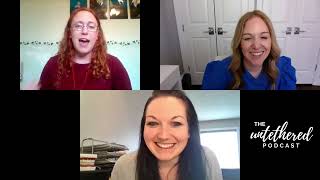
Episode 109 of the Untethered Podcast (host Hallie Bulkin) interviews Lynette Beard (RN, IBCLC; started Lynette Beard Breastfeeding private practice in 2016) and Lindsay Knutson (speech-language pathologist, pursuing IOM certification). Guests share personal tongue-tie and breastfeeding histories that motivated their clinical specialization, describe forming the Winnipeg Tongue-Tied Committee and running a local conference (then a virtual follow-up during COVID), and give practical advice for interprofessional collaboration (virtual coffee meetings, sharing evaluation reports with referring/receiving providers, using Instagram for outreach). Clinical topics include age ranges and approaches for myofunctional work in infants/toddlers, coordinating pre/post-release care (bodywork, suturing when necessary), and building local referral networks (IBCLCs, SLPs, dentists, chiropractors, public health nurses, midwives).
Questions this video answers
Episode 109
July 29, 2022
2016
Nurse for 13 years; IBCLC for 9 years
Speech-language pathologist; working toward IOM (Orofacial Myology) certification; ~10 years in the public education setting
Chapters
Welcome to episode 109 of the Untethered Podcast. Today we have Lynette Beard and Lindsey Knutson Smith joining us. Lynette is a registered nurse and international board certified lactation consultant. She's been a nurse for 13 years and at IBCLC for nine. She's worked part time as a nursing instructor at a local college where she teaches first and third year nursing students. She started her own private practice, Lynette Beard Breastfeeding support service in 2016 where she provides home visits for breastfeeding families. She became interested in tongue ties when she had her third child and realized the day after he was born that he had a tongue tie. She became specialized in tongue ties so she could effectively help families go through their own tongue tie journeys with their babies. Lindsay is a speech language pathologist and is currently working towards her IOM certification in Orofacial Myology. With 10 years in the public education setting, she finally made the leap to opening a private practice that specializes in treating patients of all ages with concerns around speech language feeding, OMDs and tongue tie spot speech pathology and Orofacial myofunctional Therapy. Proudly serves Winnipeg and surrounding communities in Manitoba, Canada. Quick Disclaimer all information, content and material of this podcast are the opinions of the speakers and is for the informational purpose only and not intended to serve as a substitute for the consultation, diagnosis and or medical treatment of a qualified healthcare provider. Welcome to the Untethered Podcast. I am your host, Hallie Balkan.
Hi.
I'm a certified orofacial myologist, feeding specialist and mentor. This podcast is all about getting your questions answered and collaborating with colleagues to bring you the most up to date information in the orofacial myofunctional therapy, tethered oral tissue and airway space. I challenge you to keep an open mind and join my mission to get this information out to the masses. Let's get started. Lindsay and Lynette, thank you so much for joining me today. I'm really excited to chat with both of you.
Thank you so much for having us.
Hey, absolutely. So let's talk about how you guys met each other.
Well, it's kind of a funny story actually. It was on a Facebook group of course, one of the tongue tie babies, something like that. And I had posted a stack of books actually that I was reading of course, all tongue tie related because that was the phase of life that I happened to be in at that current point in time. Time and Lynette commented on my stack of books and said you look like or sound like An SLP that I need to meet. So then we kind of started messaging each other back and forth from there and then ended up meeting for coffee and struck up a relationship slash friendship that has grown, let me tell you, in the past three years.
Lynn. Art, I think.
Yeah, 2ish.
And. Yeah, yeah, I guess 2, 2 and a half, 3, something like that.
And so now you guys work together frequently. Is that.
Yes. Well, we're. We are working more and more together, you know, as clients allow and even just like bouncing ideas off of each other, problem solving with one another. Like that's kind of our relationship.
We talk together almost every day, collaborating, talking about the situations that we find ourselves in with clients. And like, what do you think of this? Or just commiserating with frustrations that we have.
Yes. Or nerding out. We like to nerd out together too, like sending each other research articles or like, oh, did you hear? Like, I heard this really cool random fact. Check it out. So we're very cool people. Very cool.
Obviously I love it.
I love it.
Well, and I know that they will have just heard the intro with your bio and everything, but just so everybody knows because we're kind of talking about how you two really work as a team. Who are you? What are your primary roles in your day to day? Just so they know real quick.
I am a speech language pathologist. I work in the schools and then I also have a program, private practice, where I focus on my slp, but myofunctional therapy as well. So working a lot with kiddos with tongue tie as well as other other related, as we are all aware.
Oh, yes.
Yeah. And I am a registered nurse and at ibclc and I specialize in tongue ties. So that's kind of the biggest population that I see. Also they're just the ones that have so many breastfeeding issues and so I just see it everywhere. And I have my own private practice as well, which I started about five years ago and it has grown quite a bit in the past two years. And I guess since I met Lindsay, it has really grown and I've really niched down, like you like to talk about Hallie, and into Tongue Ties, which has been an amazing experience in itself. Yeah.
And that's amazing. And that's fantastic. So let's go there. So now you guys both work with tots. How did you come to falling into that space? You know, both of you, is that just something that just kind of fell into your lap one day because you noticed that your patients all had these Issues or is there like a story behind this?
Well, it's really interesting because Lindsay and I live parallel lives, actually, and that's part of why we get along so well and have. Have grown together. So for my story, I had my third child, three almost four years ago. And when he was born, I noticed that breastfeeding really hurt. And I had breastfed my other two children. And I knew that breastfeeding what it felt like, and I knew that this was wrong, but I didn't know what it was until the second day. I thought, oh, could that be what I hear about a tongue tie? And so I kind of looked in his little mouth and there was a frenulum, but I didn't know. And I called in the IBCLC at the hospital. She was a friend of mine, and she looked and she was like, yeah, maybe. I don't know either. You know, we were both just sort of typical IBCLCs who know a little bit about tongue ties, but maybe not a whole lot. I just dove headfirst into learning about tongue ties, discovered more about it, got his tongue tie released when he was two weeks old and worked with the dentist. And she referred bodywork. So I went to a chiropractor and. And that chiropractor. At first I was a little bit like, I don't think this is helping. But three weeks after the release, wow, what a difference. My baby was a different baby. And unfortunately, his tongue tie has reattached. He's got issues. I'm going to be getting him to re release it in a year or two. And I'm going to be working with Lindsey with her OMT skills to help him so that he can do the best he can. But that sort of triggered me to learn more about tongue ties. And then I took Autumn Reed Henning's course down in Minnesota, and we became good friends, actually, because we became pumping buddies down there. She was still pumping with her baby too. And so we both had to do the same thing. We got to know each other a little bit. And her course was great. It changed my life. It really did. It changed my practice. I think that every once in a while we have an experience where we learn something that changes the foundation of our practice and we completely revolutionize everything we do. And her course did that for me. I left her course telling her, autumn, I don't know what I'm going to do. I'm going back to Winnipeg. Nobody knows about tongue ties there. And she said to me, lynette, you're going to make Waves go. And I came up. And that's when I started going on Facebook, finding, Trying to find other people. And that's after that was when I met Lindsay.
I love it. I love that story. And you guys know Autumn is a dear friend of mine. And so. And I took her course. I didn't know her before I took her course either. And I took her course and I remember just sitting there going like, she is brilliant. Like she is just so, I mean, and how she put it all together and how in depth she went on different things. And I know, you know, I know she's revamped her course a bit over time too, but she puts everything in very easy to understand, you know, methodologies and teachings and in ways that were very eye opening for me as well. And I remember taking it and just being like, yes, yes, yes to all of this. Like, yes, let's go. And thankfully, you know, I was in an area here where people did know about tongue tie. It's not. It's not widely known, but there are some people here who are, you know, like IBCLCs, SLPs, OTs, probably arguably more the SLPs and IBCLCs. And then there's some dentists too. So we're very, you know, and some ents that release, but they're not the best. So just anyhow, really, the oral surgeons and the dentist are the ones you go do here. But anyways, you know, so I think I was very grateful. And sometimes I lose sight of that because it was easy for me to integrate into that space and attach to certain professionals who already had some of that knowledge or, you know, my dentist and I have gone to continuing ed courses together to learn more about, you know, the myo airway, taught stuff together even beyond that. And actually she took that course with me. I told her Autumn was coming and I was like, come on. And so she sat next to me in that course, which was fun. We've actually gone to a number of courses now. And yeah, it's. But when you have that and when you have somebody like what you guys have here, like a team member who you can do this with and you can nerd out with this stuff on, like my dentist and I like text and like email and do calls and stuff, like real quick to chat about cases and things. And it's like how nice it is to have that ability to consult on cases and check things, like, hey, this is what I'm seeing. What do you think? Or this is what my thoughts were. And like, yep, me too. Okay, great. You know, it's like, it's just so sometimes it's validation that you're like, okay, like, we're on the right track. But also sometimes they see things through a different lens than I do. And that's also been very eye opening for me as well. And so it's just. It's so powerful to have what you guys have. And I love it. So. So, like, Lindsay, for you, how did you fall into the tots realm?
Well, like Lynette said, we lead very parallel lives. It's a little bit freaky, actually. So same story, basically. My third baby, there's a printer beside me.
No worries.
My third baby was born with a posterior tongue tie, which is ever controversial. But like Lynette said, having nursed two babies prior, I was like, okay, I know that. So something is not right here. Couldn't pinpoint it. Tried to check myself. I'm like, but she doesn't have a tongue tie. Like it wasn't the anterior that you learned about in grad school. I couldn't see a frenum under her tongue at all. And of course I wasn't doing the proper lift because I didn't know what I didn't know. But she had painful latch. Took a super long time to nurse. Milk spreading out the side. She was super gassy. Projectile puke all the time, all the symptoms. And I was like, I legitimately thought I was going crazy. Took her to pediatrician. Nope, no tongue tie. Another pediatric. No, no tongue tie. Ivclc. Actually, no, I don't think it was an ibclc. I think it might have been just a lactation nurse. I don't actually know credentials though. But I had three or four people say like, no, she doesn't have a tongue tie. Before. Finally I was like, okay, well, something is going on. So of course you consult Google. And I did all, all the research. I legit printed off like stacks of research. And I was like, okay, I am armed, I am ready. I am going self referred to a pediatric dentist. And she released her lip tie right away, which was part of the problem. But then of course, the recommended bodywork, et cetera, which is also really difficult. It's hard to get into. There are very few providers who are infant trained here. And this particular release provider wouldn't do the tongue tie release until proper body work had been done. Which, I mean, now know that that was proper protocol. But she said to me, knowing that I was an SLP because that was discussed at our little intake or whatever, she said, do you do Myofunctional therapy. And I was like, no, Do I do what?
I had no idea.
Exactly. And so from then on, I was like, myofunctional therapy. I need to know what this is. And dove headfirst, here you are. Here I am.
You know what's so funny about that is I was on an SLP listserv for Private Practice OK Owners. And I saw these people who are very active with these coms after their name. And I was like, calm, communication. SLPs do communication. Like, what is this? Like, what does this thing mean? And that's actually how I found Maya, was because of their credentials, after their name. Now, you've also heard me say, like, you know, it's all Alphabet soup. It doesn't define you, and all that fun stuff. So don't get me wrong, we're not going down that rabbit hole. But. But I went and I took my intro course. And yeah, I mean, I know we all can say, like, when you get into the tots world or the myo world, the whole, like, airway topic, it's like you're forever changed. And you start, like, thinking back to, like, oh, my gosh, all of these other cases, like, whoa, what about that one? I wish I could go back and, like, redo that and see this kid and see how this kid's doing. And funny enough, I've had some patients come back to me for, like, you know, okay, we worked on their speech when they were younger. We got them where they needed to be based on their age, and now they're back because they don't have their Rs, and. Or they're back because the list persists or whatever. And I'm like, I have a new therapy modality. We are going to try this. And so it's been really exciting having been able to work with some of those patients again and getting that second chance, in a sense, because like you said, we don't know what we don't know. And I didn't even know something called myofunctional therapy existed prior to taking my course. And that was like. I think it was the beginning of 2017 is when I learned about it because I signed up for a course for, like, that fall, got pregnant, moved my course up to June, flew out to Chicago. I was like, we're getting this thing going. I need to know what this stuff is. And, yeah, it's all history from there. But I also, as a mom of two tied babies, my first one, as you guys have all heard on the podcast, was horrendous experience. If you're new to this pod, go back and listen to the first episode. But my second one, when she latched, I was like, I am not looking for 24 hours. I'm not looking. And she lashed. And I went, oh, crap. I was like, no, I don't even have to look. It's there. And I did end up looking, like, the next day or later that day or something. I'm like, yep, it's there. And it was so fascinating because I don't know how it is where you guys are, but in the US there's gag orders in a lot of places. And so the nurses in the hospitals, even if they have the training, are not allowed to go in the baby's mouth or say anything. You're only allowed to work on latching if they're like, nurse and, you know, rnibclc. And so while they're fabulous, like, their hands are tied. The craziest part was when I said, oh, my baby has a tongue tie and a lip tie and I'm qualified to diagnose this. They went, oh, yeah, yeah, I see that too. Like, they were able to agree with me. And then my pediatrician came by the next day, like, on day two, to check the baby and everything, and agreed with me. And then what do you know? Because a pediatrician from the outside said it was there and could officially diagnose outside of, like, the mother, which I get. They were like, do you want our hospital surgeon to take care of that for you? I was like, do not touch my baby. I was like, step 10ft away from my child. She is not leaving my room. I was like, no, absolutely not. We're going straight to my. I texted my oral surgeon and I was like, james, we're coming. When do we come? And so, like, on day five, she ended up having her tots released, and we did bodywork and everything after that. And totally different experience. Like, holy moly. Totally different breastfeeding experience. And I'm like, wow, we suffered for 13 months and didn't have to with my first one. And she still has, like, ongoing issues at the age of five now. And that's what kills me is like, I wish I knew then what I know now.
Well, and that's the benefit. That's also the benefit, finding this all out with your first child. Whereas Lindsay and I are realizing that our other two children, at least one of them, are showing signs that, oh, they're tongue tied too. And that's why we had issues. But they're like, Seven years old now. Yeah. So we're dealing with that aftermath. So it's. Yeah, it's really nice when you can find these things out with your first child versus second, third.
Yeah, well, and my hope is that just with so many resources out there, that at least gets the conversation started and that hopefully we can connect families with the right providers. You know, like, I always welcome families to message me because I feel like I'm in so many groups and while it is time consuming, it's a passion project of mine. Like, I don't get paid to connect, you know, a provider with a family or vice versa. But if I can get you there and like, it gives me chills. Like, if I can get you to the right person and get your. And you can get your child help, like, I can make that. That connection, like, for me, that's worth everything. Like, I just, I live for that stuff. So, anywho, enough about me. So you guys created a committee, right? The Winnipeg Tongue Tied Committee. Can you tell me about that? What is this?
We did. So that was part of my endeavor of bringing people together in Winnipeg after visiting, going down to the states for my training. And so I started to notice that there were certain people on Facebook, that's where this all started, that tended to speak up a bit more and over. And maybe Lindsay can correct me a bit, but over the course of probably a few months, I started talking to specific people, Lindsay included, and saying, hey, do you want to like make a group and get together and talk about tongue ties and see how we can get communication better between professionals?
And.
And I said, maybe ask this person and if you know someone, join our group. And we ended up creating a group of I think seven or eight individuals. And we met at our chiropractor, the one that I took my little guy to. She was actually one of the key members of our group and she let us meet in her space. So we would go there once a month and started brainstorming. And so we had a chiropractor on our team, slp, Lindsey, and then myself, an rn, ibclc. And then we also have Leleschi, league leader, ibclc. She's really strong in the Lelesche league leader world. And then another private practice, ibclc. A sleep consultant is on our team because she, she sees the value of working with tongue ties. And then we have a mom who is really passionate, dealt with this with her kids and also is a baby wearing consultant and car seat tech, but has a passion for tongue ties. So that was our group that we created and we decided, hey, how are we going to bring people together to learn more about tongue ties? Because this is a huge deficit in our inner, not only our city, but in our province and even this part of Canada. And we decided, whoa, what if we made a conference? What if we hosted a conference right here in our own city and we invited someone who was an expert, maybe a dentist or something, to come out to Manitoba and speak. And then so we decided, yep, that's what we're going to do. And we did that with starting $0. We had nothing and we created. It was amazing. Yes. I don't even know if we had any sponsors or anything. We just had faith. And we asked a well known dentist out in Vancouver, Dr. Jimmy Chan. Have you heard of him before, Hallie?
I don't know if I have. I'm writing his name down.
Yes, Dr. Jimmy Chan. And he's based in Vancouver and he specializes in tongue ties with infants. He works with IBCLCs. And we had him come out and he spoke for the day. We also had a panel of myself, an SLP and Cairo. Yeah, me, Lindsay, and then our Cairo friend and then we had Dr. Jimmy Chan as well. We were able to give our own views and professional viewpoint on tongue ties and focus on release, pre and post care, bodywork, all of the pillars that we, that we were able to do. And so that was the, the birth of our committee and then creating a Winnipeg tongue tie conference.
That's awesome. I love it. You guys are so entrepreneurial, both of you. I mean, I already knew that because you have your own businesses, but I mean it's, it's an undertaking no matter what size of conference is. And I say that because I worked for an event planner. A lot of people don't know this about me growing up like from like middle school through grad school. And she was like a good family friend and I was running events and sometimes. And there was a team of us. It wasn't just usually me, but there was a team of us. And like there's a lot that goes on behind the scenes in any type of an event. Like these were usually like weddings or bar and bat mitzvahs, but it could have upwards of like a couple hundred people to 500 people. I mean, as the numbers increase, there's always more issues. Right? So it's like it doesn't matter if it's a 20 person event or a 500 person event. Just a lot of the same things that have to be put in place. And that Is no small undertaking. So you guys are amazing that you pulled that off. Who was invited to attend? Were parents invited, like general community, or was it more for practitioners?
We invited parents, but mostly we were targeting the medical community, so we wanted pediatricians to come. I don't. Lindsay, I don't think we had any, did we?
I think we had one. And he was kind of in and out.
He. No, he was a birth. A gp.
Who.
Obstetrician.
Yes.
Okay. Yes. And he had to attend a birth halfway through our conference. So he left. We had dentists, chiropractors, some speech language pathologists, lots of public health nurses. So up here in Canada, we have public health nurses who see parents shortly after they come home. And so we were really trying to get them out because they're one of the frontline workers. Anyone else? Lindsey?
We had some doulas there, I believe.
Midwives.
Yeah.
Osteopath.
Yeah, that's right.
Yeah. So we really tried to get, you know, a variety of workers and then, you know, we went on to want to make another one, so. But unfortunately the pandemic hit and we thought, oh, no, what are we going to do? We decided, okay, we're going to bring this online and we made it virtual and as affordable as we could as well. And we asked. Oh, goodness, I'm going to get her name wrong. Kathy Watson. Jenna. Yeah, that's great.
You got it, you got it.
Yes. I always get her two names mixed up. And we had her come and speak and we split it up into two days and it was a super unique, awesome experience. Lindsey, did you have anything to add to that conference that we did?
No, just that it was like such a turn of the tables and it felt like since everyone was going online, we were just jumping on that bandwagon and it actually was, it was very, very successful thanks to our little group.
That's amazing. I mean, so much has gone virtual in the past year that it's so funny because there are people who are just like itching to be back in person. They're like, we are so done. And there's other people who are like, I will never go back in person. Zoom for life. It's so interesting to see like these two mix of crowds. I almost feel like going forward, like conferences might want to have like that in person aspect with the zoom option as well, so that you can get to everybody. You. Oh, so cool. So is there anything, I guess, like in creating this community of like minded professionals, like, are there any tips for anybody who's out there? Who's, like, looking to do something? Like, maybe they're not looking to do it on the skill of creating, like, conferences, but maybe they want to network with people in their groups. Like, do you guys have, like, a tip or anything about, like, how to find these people or what you would say, you know, to somebody if you're trying to get them to communicate with you on tongue tie and the like?
Well, one of the things that I do is I. I really pay attention out there, just kind of listening, keeping an ear out. You know, Lindsey and I talk a lot about providers who we find out about, and so then we kind of reach out to them. And I like to do this a lot, reach out to providers and offer, hey, you want to meet for a virtual coffee? I used to take people out for coffee just in person before the pandemic. And it's just such an effective way to get to know someone on a more personal level and see if they align with our beliefs. Yeah.
Yeah.
It's almost like a mini interview, but, like, in a very relaxed state. Totally. What do you believe? Could we work together?
It's true. Lynette is, like, an excellent expert coffee dater. That's her play. I am not so much.
I try.
I really have tried to do that. I just find, like, I don't know, maybe I'm a little bit on. I don't know, a little awkward or something. In real life, we've got more of.
Like, the extrovert and more of the introvert. You guys are, like, here, it's great.
And that's why, like, we, like. I say we complement each other very well, but I am more like the social media stalker, but not, like, in a weird way. So I find I use social media to my advantage because I am not a huge extrovert. But if I can send somebody a message or even just sharing information.
On.
On social media, Instagram, Facebook, whatever it happens to be, that's sort of where my. My contacts come from.
That's awesome. Yeah. And it's. I love these conversations because there isn't a right or wrong way to go about it, you know, And I get asked so often, and I think it's. It's very intimidating. Even for extroverts, it can be very intimidating to, you know, approach somebody who you see as, like, okay, this is. They're not my profession. They're a different profession. Like, you know, and so I always just tell people, like, get out of your head. Like, the worst thing they can say is, no, I don't want to talk to you. And, like, that might hurt your ego a little bit, but you'll recover, I promise. I mean, it's really just. And it's scary. And I'm. It's funny because I'm like, a mix. I'm a mix. Introvert, extrovert. Like, you put me in a room with people, and I can talk to anybody, and I could talk all day. I get nervous going up on a stage. Stage, but on a zoom. I'm good. Like, I presented this morning, and I was like, I'm fine. If I was sitting in a room with all those people, I would have felt totally different. So it's like, also, like, how, like, what the actual environment is around me. But, like, I will tell you after, like, at a conference, I lose my voice. Like, I can talk all night, and then I lose my voice because, like, I don't shut up. And then I'm like, I need three days to hibernate. Like, I just. The introverted side of me comes out and is like, okay, nobody talk to me or touch me or come near me for three days. So I don't know. I used to think there was such this, like, line between, like, introverts and extroverts. And then I was like. And someone said, no, you're like, you're both. And I was like, well, that makes a lot of sense, actually. So. So now I try to look at things, too. From, like, when I'm teaching, I try to look at things from, like, two perspectives. I'm like, what would the introvert in me feel most comfortable with? Okay, now what would the extrovert in me feel most comfortable with? And there's so many different ways you can go about this, and I think it's really cool. Like, I love the virtual coffee date thing. I think that's a great way to, like, continue that. That kind of approach without letting Covid stand in the way. So I love that, Lynette. And, yeah, you'll find me as of late, like, just going into people's DMs and saying, hey, I'm Hallie. This is what I do. Like, come hang. Not in, like, a spammy way, but in a way of, like, I want to build community. I want to connect. Like, and I know so many people told me they didn't even know these things were available or out there. So it's really with the intention of. I don't care if you buy anything from me. Like, I'm not trying to sell you on anything. I just want you to be able to connect with a community that you feel like you want to be part of that will benefit you as a clinician. And you know, so, so yeah, that's why I'm like so excited about what you guys are doing.
Well, and it's so, it's, it's really interesting that I've been on Facebook forever. Right. We're the Facebook generation. But it wasn't until I started going on Instagram but a year ago that my business has really boomed and communication with parents has really boomed. It seems to be the new social media platform where people are flocking to. So if someone was wondering where should I go? Go on to Instagram and start posting. Start getting yourself out there.
That's a great tip. And you know, and you guys, why don't you both share your handles too so they. In order to find you on Instagram.
Sure. I'm at LynetteBeardBreastfeeding and I'm Osspeech.
I'm like, I know, I see all your stuff all the time. And you. And for those listening, both you, you both post, you know, educational, awesome types of content frequently. So both really great accounts to follow to learn more about all of these things that we're talking about and tots and myo and breast eating and all that fun stuff. Are there any other things that you want to discuss or share with us? Just regarding interpersonal or interprofessional collaboration? Just things beyond what you've been able to create or other things that have come out of these relationships you've built in your community?
For me, I feel like a lot of my success with reaching other professionals has been through report writing. So when I write my reports, I make sure that they're sent to up here. We work through ENT a lot, especially if people don't have insurance coverage for dental providers or again, if they're working with a dentist, then I would make sure that my report gets to the dentist and or other professionals. And I feel like that as a, a tool for education has been really, really to my advantage.
Absolutely. Yeah. I actually did a little business training in our membership on like using your MYO evaluation as a marketing tool. Because there you need to. It's, you're in, it's your end. If you have a shared case, that's an automatic in to talk to a professional. So if you're not using that, you're putting yourself at a major disadvantage because, you know, look, not every professional is going to want to get on the phone with you. That's the Reality. But we want to work with the ones who do want to collaborate. And what better way to figure that out? By forwarding a report, getting permission from the patient to do that first of all, and then also speak to that receiving provider. And yeah, you learn very quickly who the providers are in your area that want to collaborate and that enjoy sharing cases. And I mean, it makes what we do fun when you can have these conversations and geek out together, even if it's just for like a quick two minute phone call.
Absolutely. And I don't feel like I made any like massive, massive inroads with many of the medical providers, but again, at least I'm getting out there. And one of the major pediatric ents in our city, by report, by parent report, knew me by name.
I was like, what?
That's fun.
That's huge.
That's awesome. That's amazing. I mean, that really is whether it's because you've sent a number of reports now and they are constantly seeing the reports come through, like you've now become that person, that professional. Right. But if that parent went to the appointment and the report had not been sent before they went, they would have no clue who the person is working with them. They would have, your name would have never come up on the radar. So I mean, it just speaks volumes to the power of sharing the report that you're already writing with the receiving providers, whether they read it or not. It's a great marketing tool.
100% agree.
Yes. And I do that too as an IBCLC, and I know a lot of IBCLCs do and some don't. So I definitely encourage private practice. We don't tend to have as many regulations held over us, but I think that's one that we should practice regularly is sending reports and I think also trying to find someone to work with in collaboration. So if you're an ibclc, find an SLP who you can work with. So the, the reason why Lindsey and I really are so excited to work together is because we fill in gaps for each other. So when we work together on a client or refer each other clients, you know, I, I take the, the 0 to 12 months and even 12 months to 2 years old, I tend to take those. And then Lindsey will take a little bit older. Older. Or if there's a speech issue, I have an SLP in my back pocket that I can refer my clients to or oftentimes my clients have older siblings who, they've got issues. So I'm like, hey, I've got an SLP right here for you. So just finding another IBCLCS. Find an SLP. SLPs. Find a. Find an IBCLC so that you can fit both. Reach more clients that way, more people, 100%.
You know, I think that that's a great tip and a great reminder because I think, you know, like, sure, like an SLP can go become an ibclc. I'm not going to tell you or I'm going to tell you. I have no interest in doing that. Like I work with infants, but I don't want to be the IBCLC. Like we have fabulous IBCLCs in our area. I'd rather refer to them and work collaboratively because I think they have far much more knowledge in that space. That is their expertise. And even if I go on to get it, like, you know, it's just not my, it's not my goal. Right. My goal is more the tots related stuff with mayo. And I'm staying in my lane. Now. I'm not saying don't get it if you, if that's what you want. But I think that there is a beautiful relationship, friendship, you know, be it professional and or personal, like you guys have developed this beautiful friendship where that collaboration piece is so powerful because having the eyes, you know, like we talked about, like having two sets of eyes versus one, you know, even if you do have the credentials is still so much more powerful. And I love that. And I think it's a very prevalent issue where the professionals and it goes both directions. IBCLC is not referring to slp, SLP not referring to ibclc. And I don't know why there is such a hang up over this, at least in my area. But I get these babies sometimes and I'm like, why weren't they referred earlier? Now we have so much more work to do and they're so much further down the hole. They'll be fine. But this is gonna take a while. And I think we can really do best by our patients and those mamas, especially with the youngest, our littlest ones, the earlier that we get in there and we collaborate. So thank you for that. That's such a great point. Now, do you guys, as far as your collaboration now, what age groups are you collaborating on? Like what does that specifically look like for you guys?
Lindsey, I'll let you go.
Sure. So I mean, there is the belief that traditional MYO and I do agree starts at sort of that age four and up when they're able to understand a little bit more and follow directions and all that but there's that age group in between. So between 12 months, generally when parents are go back to work and they're weaning their infants, I mean, some do breastfeed much longer, but there's a. Yes, yes, sorry, yes, we get matlie for a year up here.
That's amazing.
It's, it really is actually three months.
Or even less here and it's just awful for mom.
I can't imagine going back to work with a three month old at home.
I actually basically like in your fourth trimester, it's like as if you haven't even had time to come out of your pregnancy and now they're like, please go back to, to work full time with a baby or trying to breastfeed and also pay time to a full time job. Yeah, okay, pay attention. It's cool, but it is cruel.
And like I said, I absolutely cannot imagine. But up here we get till 12 months, which is amazing for our mamas, but so that 12 month to 2, 3 year old age group which is really, really difficult to assess and treat and I mean we have our, we have our tricks up our sleeve right. As early intervention professionals. But as far as feeding and tongue tie goes, it's really difficult to get in their little mouths. So that's where depending on the case and depending on time and availability, like sometimes I'll refer those kiddos just directly to Lynette and she'll handle assessment and give parent recommendations and you know, do the tongue tie bit. Or sometimes we will collaborate and do like a joint assessment and evaluation which kind of like exactly like you've alluded to, gives that two sets of eyes, two different lenses and then we complement each other in terms of our recommendations.
So.
Yeah, awesome. Yeah. I mean it's so important to collaborate. And I think there's this whole discussion right now and I was actually even asked recently to like write an article on it for like a MYO newsletter thingy that's like more of like an internal thing for the woman who I took my course with. And you know, and it was like that whole discussion about like myo, what age does it start, who should be doing it, this, that and the other. And I think what it comes down to, at least for me is like you said, like traditional myofunctional therapy is for that cognitive like 4 year old. Like they're at that cognitive level of a four year old. And you know, and that's traditional myo, but and as you know, in my feed the peds course, like we have to be getting in there. Like these OMDs, these tongue ties are present at birth. We can't say, oh, just wait four years, oh, wait, wait two years, wait a year until they're this age and then we'll deal with it. I mean, if there's a reason to do that because there's other medical things that need to be dealt with first or there's other things that it's a legitimate reason. It's not just an age thing. Like, okay, fine, but that's rarely the case, right? Because even some of our mostly most complex cases with tots still need to be addressed and they should be addressed early on unless there's some, you know, medical situation at play that we're, you know, concerned about getting in there and doing the procedure, which again is very infrequent. So, you know, this is where I was like, okay, I do this work. It's not easy. You're right. Like, it is not easy to get in a toddler's mouth to get like, no, they are not. It's much easier when they're under six months of age than like the, you know, six to 12 months. Let's still doable. But now they're like usually mobile and it gets a little bit more challenging. And then toddlers are like, I'm going to bite you.
I've been hitting.
So that's where, you know, that's where like with speed to peas, I was like, okay, we got to figure out like it's feeding, right? Like we're dealing with feeding under the age of four. And so now I call it feeding with a twist of myo. And I love like, I'm like, we're still looking at the overarching goals of myo. We're still looking at whether or not there are tethered old tissues. We're still looking at their airway, but it's done in a different way or it's done in a combination of passive and active exercises and it's more play based and it just, it looks different. Right? And so I'm like, this is the discussion I feel like we need to be having because these issues are there and we can't ignore them and pretend like they popped up when they turned 4 and now they're appropriate for a traditional myo program. But also we need to make sure that the people who are truly working with the kiddos, like, understand development. Because this is what I wrote in the article. I was talking about how our little ones are developing their sensory, oral motor skills until 36 months of age in a typical traditional case. Now even typical children don't fall on that perfect timeline and they could be developing the those skills like well into their third year. So it makes sense that we might wait if you're a certain provider who maybe doesn't have feeding, oral, sensory, motor, you know, breastfeeding, any of those kind of skill sets that maybe you do wait until they're or you work with the four plus crowd. But for under four. Yeah, like we still need to figure out how to, how to address this. And that's why I also asked my provider to suture that tongue in a toddler because it's really hard to do active wound care. So thankfully my oral surgeon is like, do you want me to suture this case? I'm like, if mom will let you go right ahead because I am concerned about. And that's also a major consideration. We don't want to put it off and not do a procedure. Not that I have the decision in this. That's out of scope. But we don't want to delay a procedure or a consult just because of compliance with the kid. Maybe the kid is really good at doing play based therapy stuff. We're really worried about mom being able to get in there and actively lift that tongue to keep the wound healing properly. And that's when we go, okay, this is a great case to proceed with and let's suture them on up. Again, not my decision. But my providers always asks me, so we have a conversation about it. But yeah, so I mean it's collaboration beyond even just those of us who are doing more of the behavioral type therapy into those of us who are not those of us, but you know, the providers who are doing the procedures. And it's been really, again, like, I'm so blessed to have like such an amazing team and to be able to have these open conversations where I can be like, yes, please, just please do that. Have someone up where you are who will do sutures and toddlers or what does that look like?
You go on that.
Do you think he does. We have a specific dentist that we, that we refer mostly to. And you know, I think, I don't know, I'm going to have to talk to him about that. I don't think I've ever seen him do sutures. But most definitely we do also have a pediatric surgeon who does release releases for toddlers and she would do sutures. I know that. So yes, we definitely have that option.
Yeah, it's nice to have the option. We've had families who are like, absolutely not. And we're like, okay, good luck. Wish you all the best. Like, you know, we show them how to do everything, and then. And some of them are great.
They really are.
Some of them really can carry it out, no problem. And then other times they call and they're like, we really wish we had this sutured. He won't let me in his mouth. I'm really worried he's going to reattach. And it can just be so stressful in those days afterwards when things are healing quickly and we're like, let's just remove that level of stress if we can. So. Yeah. Yep, yep, yep. Yeah. So is there anything else that we haven't chatted about that you want to share either about, like, what you guys have created up there or just, you know, I know we talked a lot about interprofessional collaboration.
I don't think so. I feel like we've covered it all. Hey, Lynette.
Yeah. I know that it's a dream of mine to go up, go down to North South Carolina. North Carolina, where Autumn Reed Henning is, and take her. Ah. And I want to take our team, which Lindsey and I are slowly building. I know that I would have a couple of. There would be at least four of us, maybe five, that I would love to take us down there. I love that she's doing that course because that would teach us exactly how to work together even more cohesively.
Absolutely. Absolutely. Yeah. I have not taken it, but I taken Autumn's, you know, TOTS course in general, and I know she's a fabulous teacher, and so she. For anybody who's listening that's not familiar, we did an episode on it where I actually had Autumn and Anne Bynum, who is the dentist that she works with that's teaching plot the tot with her. They were on the podcast. You can definitely go back and listen to that episode. But they've now. I think that was prior to the launch that they came on, and now they've. They've held a number of them with great feedback. They're able to do it in a very Covid. Safe way. And they're in person and people are, I think, coming away with some really great stuff from that course. So. Yeah.
Yeah. And it's a really great way to learn how to collaborate.
Yes. Yeah. Yeah. I mean, I think what's the beauty and, like, being able to take what someone else has done and then kind of, like, recreate it for you versus, like, starting over and reinventing the wheel Completely, you know, So, I mean, they've got, they've got a good thing going down there. And I know she, she's very fortunate and she tells a story and it's really her story to tell, so I won't go too far into it, but she tells a story about how when she approached Ann, initially, Ann was like, nope, nope, nope. Like, I'm not doing these tots releases. Like, I'm not. Like, that's not happening. And then, you know, Autumn was that squeaky wheel and finally got her to agree and now, like, look what they've created. So I always like to be like, if you look at Autumn and Ann, it's possible. You just have to be persistent. If you think someone is a really good person for this and they just don't know it yet, you know, keep asking. You never know what will come of it. Well, this has been absolutely awesome. Thank you both so much, Lynette and Lindsey, for joining me today. I really enjoyed chatting and talking, like all things, you know, tots and community and collaboration. This is a great topic.
Thanks so much.
Thank you so much, Hallie.
Thanks for listening to this podcast. If you want to hear more of these Myo Tots, Airway and feeding tips related episodes, be sure to leave a review on Apple Podcasts or pledge a small amount on patreon.com the Untethered podcast. If you found value, others you know in this space will too. So be sure to share this episode on your social media platforms and join us over on Facebook. On my Facebook page @halliebulcan biz, on Instagram @halliebulcan and you can head over to theuntetheredpodcast.com to grab a copy of the the Show Notes where you can also subscribe to be kept up to date on the latest podcast episodes.
More from Hallie



What I Was Missing in Feeding Therapy: ARFID, Airway, and Myo with Samy Hernandez





