Episode 38: Ties & The Lasers That Keep Breastfeeding Going with Dr. Larry Kotlow, DDS, PC
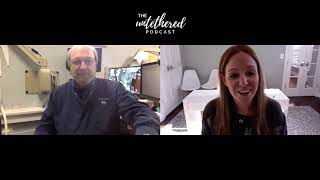
Interview (host Hallie Bulkin) with Dr. Larry Kotlow (pediatric dentist) about diagnosis and treatment of tethered oral tissues (tongue, lip, buccal ties). Kotlow traces laser evolution (scalpel → electrosurgery → various lasers) and endorses a 9,300 nm (Stellea) CO2/“isotopic CO2” laser for speed, hemostasis and an apparent short analgesic window (~4 hours). He emphasizes minimal analgesia for neonates (28% sucrose, breastmilk), office-based releases (rare need for general anesthesia), multidisciplinary follow-up (lactation consultants, myofunctional therapy, ENT when indicated), proper examination technique (baby's head in clinician's lap, assess function/appearance/location), and treating symptoms rather than only appearances. He reports long personal experience and large case volume and discusses downstream impacts on feeding, airway, dental development, and maternal mental health.
Questions this video answers
9,300 nanometers.
28% sucrose, dispensed in 1 milliliter packets (he described 1 millimeter package).
Over 40,000 laser surgeries (speaker claim).
About 3,000 babies per year (speaker claim).
Over $5,000 (insurance cost for inpatient hospital procedure, speaker claim).
Chapters
Quick Disclaimer all information, content and material of this podcast are the opinions of the speakers and is for the informational purpose only and not intended to serve as a substitute for the consultation, diagnosis and or medical treatment of a qualified healthcare provider. Welcome to the Untethered Podcast. I am your host, Hallie Balkan. I'm a certified orofacial myologist, feeding specialist and mentor. This podcast is all about getting your questions answered and collaborating with colleagues to bring you the most up to date information in the orofacial myofunctional therapy, tethered oral tissue and airway space. I challenge you to keep an open mind and join my mission to get this information out to the masses. Let's get started. Larry, I want to thank you so much for joining us on the podcast today.
Well, thank you for inviting me. I always enjoy spreading knowledge out to all of my professionals who are part of the breastfeeding team.
Yes, absolutely. And that's the whole idea behind the podcast, is making this information a little bit more readily accessible to everybody who works with this population. So let's just jump right on in and you know, I'm curious to hear your opinion and experience with the best tool to treating tethered oral tissues in, you know, children, infants and toddler in that population.
Well, keep in mind, I've been treating patients for almost 46 years and when I started, nobody even wanted to recognize that a tongue tie or ankyloglossia was a problem. And we started out conventionally with a scalpel, then we moved to electrosurgery. A little over 20 years lasers became available and the first laser was an ND ag and then they came out with erbium and then diodes and then carbon dioxide. And now we have the isotopic carbon dioxide which basically is an all purpose laser. It does everything the other lasers do, allows you to do quick surgery like in the hospital where they have a diode. It can take me five minutes to do something that takes me 10 seconds to do with the laser I use. The NDAG is really too hot a laser for the babies. I found erbium I use for about, I'd say 12 or 13 years and it worked fine, but it doesn't have the same ability to prevent bleeding. And then diodes came into that and diodes will only cut soft tissue, but they're a little slower and all it is is a glorified electro surge. It is a laser and it has benefits of laser surgery, but it's a little slower. And then there's CO2 which only cuts soft tissue. And then there's the Stellea laser, which I use, which is at 9,300 nanometers. And that's how we identify the laser by the wavelength which we use every day. And like I said, it takes about 4 to 10 seconds to release a tethered oral tissue. And so if we do cheeks, tongue and lip, the whole thing takes really less than a minute. And the kids have an analgesic effect that lasts about four hours. I have no science behind that, but in the beginning I would always get a call. Four hours later, my baby is feeling uncomfortable. What can we do? So now we pre warn and we can give medication so that in four hours the baby is not that uncomfortable. And for the most part, when we release the tissues, most babies do fine. Once in a while we'll get a baby that cries for a few hours or more, but that's rare rather than the norm.
Interesting. That's. Yeah, I mean, I'm definitely newer to understanding the differences between different lasers. I would say in our area, I do feel like laser releases bring the best results. But again, it's also the person behind that tool who's performing the laser release. So that's something that I advocate for when it comes to my patients that I work with. And I had it done myself. So I also, I've had it done to myself. I had it done on my 2 year old and I had it done with my newborn at five days of life. And I saw there were differences between all three of us. Obviously using the same tool with the same provider. We all had a fantastic result, I will say that. But, you know, it's also, I think, different at each stage of life. So it's interesting how you commented on the analgesic effect of the laser on an infant because everyone always wonders about, well, how do you do the procedure without, you know, numbing them or giving them something? And you don't want to give anything to a newborn, so.
Well, that comes up a lot of times on a lot of websites. You know, people say how can you do surgery on anybody without numbing them? And the bottom line is, depends on your laser. So you have to numb them. It's based on lack of knowledge of all the different lasers. And you know, with babies especially.
You.
Know, they're not numb or an injection for a shot. They cry when they're wet, they cry when they're hungry. And to be honest with you, when I do the surgery, I want that baby right back onto the mother's breast. I'VE had a few people send me pictures of infants, newborns, what happened? Their tongue is all chewed up. I said, did you numb them? Yeah. I said, well, that's why. So we don't give them any drugs. Basically 28% sucrose, which we buy in a little 1 millimeter package that, you know, most of these kids don't come start crying after we're doing the procedure. Sucrose works really well. And if you look at the studies, a lot of hospitals use it for minor surgery. And so sucrose, mother's breast milk, to me, are the best analgesics. A lot of times these babies aren't eating, so they're crying because we don't want them to eat about 90 minutes before surgery. It's not because of the surgery as much. Some of them will throw up afterwards or during, and that's not safe. So we don't make an NPO for six hours like they would if they were undergoing general. And to me, I don't think there's a reason for any infant. For me, no child should really have to undergo general anesthesia to have their tether oral tissues resolved and revised because it's so quick and easy and to take a whole day in the hospital. And the cost. One day, I did a study because I knew the CEO of one of the hospitals to put a baby or toddler in the hospital to have their tongue released. Not including the surgeon's fee, was over $5,000 for the insurance company.
Wow.
That's just recovery and everything else that you have to do when you go into the hospital, patients come in. I created a video that lasts about 13 minutes, which covers why no one made the diagnosis, why we needed to do it, goes through all the symptoms. So by the time they're done, I've given them a full, complete amount of information so that they can make an informed decision on what they want to do. And then we. I don't have the parents holding the baby, and there was even one doctor who likes to do the surgeries in the car seat. And there was a study done that the car seat has more bacteria than the toilet seat.
Oh, wow. I was thinking maybe it was an airway thing too. The way that the head is positioned in the car seat in relation to the trunk of the body. But that's disgusting.
Because any of the younger kids who do get sedated, if you, you know, a lot of my patients drive three, four, five hours, apply whatever, and you put a baby in a car seat. And just like you said, Their chin goes down and that will cut off their airway. You know, doing it the way I do it, there's no post surgery concerns as far as airway blockage. Plus, you know, I hear, well, I'll nurse them on the way home. But, you know, it's illegal, at least in New York State, to drive with a baby in your hands. They have to be in a car seat facing backwards. There's a lot of things you have to look at. It's not quite as black and white as some people might think, but, you know, I've done over 40,000 laser surgeries, never seen an infection. And the worst case scenario, it doesn't work completely. And since I don't see all my patients back, you know, I'm not sure that they do the post surgery after care correctly. Because if you don't do the stretches, Mother Nature wants a cut to heal. That's why you put a band aid on your head. You know, for me, the most important thing is the symptoms. It doesn't really matter what the tie looks like. You can have. I don't like to use the word posterior tie because that confuses too many people. I call it distal because it's behind the tongue, but it should be cut to the base. And I see a lot of ties that they're done by ENT with a pair of scissors. And I compare it to a half a circumcision, they don't finish the job.
That's a great comparison. I'll have to start using that one. Yeah, now we see that a lot too. So I understand.
When they come in and tell me the pediatrician said it's a minor tie, insignificant. And I said, well, that's like telling me you're just a little bit pregnant.
Or not. That's funny, I love that. A little bit pregnant. I'll have to use that one too. That's amazing. So obviously not all lasers are created equal. And you have the preference of the laser that you use. Now, how did you come to start using the Soleil laser? I know you've obviously used a ton of lasers in your path.
Let's go back to the year, Back to around 1996, something called Air abrasion came out for cutting teeth and the ND AG was available. And when you bought the air abrasion, they were willing to throw the ND AG in for training. So they trained it, they sent it to me, and I didn't see any real difference. Then about the year 2000 at the Academy of Pediatric Dentistry, I was asked to talk on high tech dentistry. And the only question I was asked is, how safe were lasers? And I said, gee, I don't know, they sound pretty dangerous to me. But at the same meeting there were two different laser companies. They were erbium lasers and I spent two full days with both companies and there was really no real knowledge on how they would work or everything because it just came out. But I got one and it was an erbium and we used that with pretty good success for cutting teeth. It had some analgesic effect, it was a learning curve. And then the diodes came out and we started using the diodes because we didn't get any bleeding with those, but it was obviously more painful. And then about eight years ago, the people from Convergin dental called me up and said, we know you're pediatric dentists, we know you're using lasers. We're going to develop a new laser with a new wavelength which studies in the 60s show that will cut enamel, dentin, soft tissue really, really well. So I said, you know, I've got $250,000 worth of lasers, I don't need another laser. But instead of a two hour discussion, it was four hours. I went to their company and I took a look at what they were proposing and really it was unique. And I said, here's the deal, you know, I'll help you with its development, but I also want to be able to get a little investment here because I've invested in a lot of data companies I think is going to go far and that's not why I chose the laser. But I work with them on its development and I beta test their stuff and comparing all the lasers because I've used them, it's I think, the safest, fastest, quickest, easiest. And again, going back to the people who are complaining because we don't numb them. I don't even numb the older kids. I teach in my office once a month, the dentist who do pediatric dentistry, whether they're general dentists or pediatric dentists who purchase the laser and they need a full day course on how to use it safely. And when, when I talk to dentists who get lasers, I say, you're not buying a laser, you're investing in a laser for you because it's less stress for me and for your patients. So I don't do adults. But when I do these courses in the office, I try to get a live patient because it's more impressive than just showing videos. And I've done some gingivectomies on people who are on Dilantin. I did a little girl who had amelogenesis imperfecta and had crowns put on for crown lengthening. And this past week, I did a mother who had brought her three kids to me and she pleaded with me to do her. I said, well, if you behave, I'll do it anyway. He came in as an adult and she had a list. She had an anterior crossbite and you could hear the pain. She was explained all the head and neck pain and no one could do anything for her. So I said, okay. She came in. We used topical anesthetic. When I use topical anesthetics, I also use something called photobiomodulation. These are low level lasers that don't cut. We use them for trauma. But what it does, it increases the uptake of the topical so they get some relatively good, not numbing, but lack of pain. And as soon as I release, you said, oh, my gosh, my whole neck feels differently. My neck, something just dropped. There was this big thing that disappeared over my head. Okay. So in an ideal situation, I would prefer especially the older kids to have myofunctional therapy. In her case, she wanted it done and I said, okay, but I'm going to release it. And now she sees a myofunctional therapist for about three sessions in the last week. She was in yesterday post surgery, and it's like she wants to cry. We've changed her life. And you know, when I lecture, there's nothing that dentists can do in our whole career. To me, that gives you more satisfaction because we really change people's lives. I call a baby mother, not a dyad, but a triad. Because if the baby is miserable and the mother's miserable, fathers don't have a chance. We have to treat. When I treat a baby, I'm treating three people at the same time. And I get, you know, we give every parent questionnaire to send back and sometimes you want to cry. I mean, if you go to my website right now, I just uploaded a mother. She said, please pass around to other websites of twins who were screwed over by every medical profession until somebody, eventually she had been in contact with me and I made some referrals and finally they released the tongue and the lip and all of the symptoms disappeared. So, you know, if you go on my website again, there are two different forms to fill out. One is babies, mothers and babies or symptoms. And the other one is obstructive sleep apnea. Because I'm seeing so many toddlers coming in with these big Circles under their eyes, history of snoring, and no one's doing anything. And then you take a look in their mouth and their tongue is stuck. You know, their airway is being blocked.
Yeah.
And it's a difficult thing because I gave a lecture last Tuesday night. I'm giving one this. We invited all the local pediatricians. Not one responded. Okay? So they just don't want to hear it. And then, you know, we wear many hats as dentists because. But if you think about it, you come in with your newborn and you're 30 days out. You've seen two or three lactation consultants, you've seen ENT, you've seen a couple of different physicians, and none of your symptoms are getting better. And if you buy my book, the first chapter says that, you know, for nine months you've been waiting for this new baby to come. And they put the baby on your chest and crawls up to your breast, and all of a sudden it's like excruciating pain. Okay? And write down. You go right down, postpartum depression. And then your milk supply drops. And I had one mother come in. She says, I'm crazy. I'm on drugs. Not drugs drugs, but medicine. Because postpartum depression. And you look at the baby and the kid's tongue is so tight. So when I lecture, we talk about attachment theory. And that first few minutes that mother bonds to that baby. If that bonding doesn't occur, the mother goes into depression. Now, what happens? Your brain tells your body to produce milk when that baby is born. Then your brain tells you the baby's sucking away that milk. So you've got to increase your milk supply, and there's a cycle, and if everything is working, it's fine, but the baby's not latching, and you're going into depression. What happens? Your endocrine system produces cortisol, which shuts down your milk supply, and you get even more depressed. So medical community treats symptoms, and this is a problem I run into. They don't want to treat the cause. They don't want to believe. Simple thing as a tongue, okay? A muscle, which is really an organ because it affects respiration, like in the airway. It affects brain development, lack of oxygen. There are studies that show in the first 90 days, the brain is growing at 1% per day. So if you play around and screw around trying to fix a baby with all these other external methods or ignore it, and you don't release the tongue, nothing's going to change. Okay? And the baby down the line, they're showing these babies now when they're six, seven or eight are hyperactive, add, adhd. And there's studies out there that show all these drugs that they're being put on for adult reflux actually can produce broken bones five, six years later. Because babies in general don't get adult reflux. They get air induced reflux. Okay, I've got babies. They come in and their bellies are sticking out here. And the physician said, oh, all babies get gas. Okay? No, that's swallowing air. And as soon as we release it, I give the baby back to the mother. The baby nurses. And I said, now first thing I want you to do, fill your baby's belly. It's not hard like a rock. It's not distended. It's nice and soft. So mothers come in crying in pain, and they go out crying because they're happy. Can't win.
It's all those hormones. No, but that's amazing. I mean, you're preaching to the choir. These are the babies that, that I get. This was my child, both my children. Although we knew with the second one. Day five, I said, james, I'm coming in. Mia's got a tongue tie. And he said, bring her on in. So day five, we released her. And it was a completely different story than my first one, who I took to the lactation consultants and my pediatrician and they said, oh, she's fine, she's fine, she's fine. And at age 2, after I started my certification in myofunctional therapy and here I am, the feeding therapist. But I wasn't working with the infants. I was working with like the 12 plus months. So I wasn't, you know, I didn't know what to look for in a newborn and I wasn't looking for tongue ties at that time either. And anyways, long story short, she had a tongue tie. We released it at 24 months and the next day her constipation just disappeared. And her. And I was like, this is weird. I mean, she had a little bit of sedation and so people are like, well, usually that constipates them. I'm like, no, I don't know what's going on. Maybe it's a. But it's been a couple years now and it hasn't returned, you know, and it's just the difference. She couldn't drink from an open cup because she couldn't figure out where to put her tongue or how to use her lips with her lip and her tongue tied to properly hold the cup and would just Drop it all over herself. And this is a child who's had amazing motor skills, otherwise fine and gross, and her speech was fine. And so, you know, an ENT didn't want to release her tie in a two ENTs. And another ENT said, oh, her huge tonsils are fine because she doesn't snore at night. And I was like, they're not fine. I'm not asking you to do surgery, but I'm asking you to help me fix. Figure out why they're enlarged. You know, and it's just like you said, everybody just kind of wants to treat the symptoms rather than figuring out the cause. And so that's what kind of put me on this whole mission of, you know, let's figure out what's causing these issues. And a lot of time, it ties back to the tongue and the airway.
So there's a lot of egos involved here. First of all, we're dentists, and the medical community doesn't want to acknowledge our expertise in the mouth. You know, I always say ENT stands for ear, nose, and throat. And there's a reason you just stay out of the mouth, because even if they do the tongue, they do it halfway, as I said earlier, and then you've got turf wars. Okay? We have a breastfeeding team, but each person within the team has to recognize their part in it and not the whole. That is, they're not the primary person. Okay? I believe that in an ideal world, in most cases, here's what I want, and I have a flow sheet, okay? The baby is born in the delivery room. The baby's put on the mother's chest and works her way up to the breast. And then within 24 hours, where she's in the hospital, a lactation person goes in, has a conversation with the mother. And the biggest problem we have is the examination. If you do an exam in the mother's lap, you might as well say goodbye, because that has to be with the baby's head in your lap. The mother can see what's going on, and you can. And you can get your fingers in the mouth. If you went into your physician with a sore throat, they're going to palpate your neck for any swollen glands. They're going to look in your mouth, okay? They don't do that with a baby. They look and say it's okay. So they're going to miss almost all. That's why their studies don't mean a thing to me, because they're all set up for looking in the mother's mouth, they miss everything that's distal to the salivary ducts. They only see the Class 4, what I call anterior tie. Then you get. Everybody wants to create some kind of a way of evaluating the tongue ties. They're too complicated. So my method is real simple. Okay? You have three things you're going to look for. Function, appearance, and location of the attachment. Function is your symptoms. What's going on. Appearance is obvious. And then you take a look at the tongue and you determine where the tie is. So when that baby is examined in the hospital, if the mother or the lactation person takes her finger and runs it across the floor of the mouth, gets any type of significant interference, okay? That's when she says to the mother, if it's what I call a Class 2, which is just in the middle, these are a list of your symptoms that you could have. If that happens, we need to get that released. Then there's the next step. This one is probably going to cause it. Let's watch it for 2440 hours. But if it's to the tip of the tongue, no lactation person is going to fix that. And if she does, it's accommodating. My functional therapist is going to fix it. ENT is not going to fix it. It has to be released. And the earliest I've ever done a release is one hour old because it was a home delivery. It was the third baby and was right to the tip of the tongue. Okay? So they came in, they call me, and I said, bring her right over. We released it, and then she was with the lactation consultant because now she had something to work with. Yeah, okay. It's like the speech people. If I tie a rubber band around your waist and one on your arm and connect them, sure, I can make you accommodate. But why spend five years accommodating when in five seconds I can release the tongue? Then you have something to work with. You know, and we get to the older kids, this is a whole different ballgame. You know, I get a lot of kids sent in by their physicians, speech pathologists. But you know what I do? I work with a lot of my functional therapists who do it also, but none of them really understand the breastfeeding team. Okay, so they're going to drive four hours for me. I know there's a myofunctional therapist in their area. They should be there for at least three or four visits, then come to me. But that doesn't happen, and they've driven two or three hours. So we do the Release. And then I have the names of some people I send them to. And there's always a question, will my insurance cover it? And, you know, I try to get them to understand that long term the cost of not doing things is far greater than a minor financial sacrifice. Okay, obviously you got to put food on the table, but most of my patients can go at least once or twice to see the cranial psychotherapist, the chiropractor, the myofunctional therapy. But you have to look at the age of the patient and then determine which part of the team you have to prioritize and how we're going to work together as a team. So like I said, this woman, she's in her 40s, she's seen a myofunctional therapist and she's thrilled because her whole life has changed. When I get these teenagers and these little kids the same thing, are they capable of doing the exercises? Okay. But when they come in and they tell me they've seen parts of the team who've told them there's nothing wrong, and I look and they've not been examined. Right. You know, it's surprising I have any hair left on my head because I just want to scream and I feel so badly. I think if I was a lawyer, I'd be a multi, multi millionaire if I had all these people. Failure to diagnose and failure to treat. It's terrible. And it's such a simple, safe procedure. Apparently they have a lot of problems in Australia because they have a lot of ambulance chasers. They wait for one baby to have a problem in the hospital, then they blow it up. But you know, in this country, you know, like I said, I've done over 40,000 laser surgeries and I do about 3,000 babies a year for the last maybe 10 years. So, you know, I've got a lot under my belt and done correctly with correct follow up. And when able pre care. I don't see all these kids back, so I don't know if they do my follow up. And when somebody calls me up two weeks later and said we're still having problems, they the first question I say is, what did your lactation person say? Well, we haven't visited them yet. Go back and read the consent you signed. It says, I'm consenting for Dr. Kotlow to do this and understand that in order for this to be most successful, I have to follow up with my lactation person and if it's necessary, my body worker. So it's all part of my Consent, so no one can say they're not told, reads your consents.
Nobody reads it. But if you're telling them and they signed it, then at least you can hold it against them.
And they watch a video and it's all in the video, everything.
Yeah, no, and I think that's really great that you do take that team approach. And I know obviously case by case we have to do what we can do in the moment, especially when people might be traveling from far away. So that's, I think that there's a lot to be said for that. But yeah, it's a lot of education on our end of why you need to do this. And yes, I know it's out of pocket and yes, I know that, you know, this is an expensive process. But like you said, where will you be a year from now, two years from now, 10 years from now if you don't do this now, if you don't, if you choose not to do this or you choose to have the procedure not follow through and actually not gain all of the functional benefits that you could gain, you know, where are we going to be 10 years down the road? Because I do get those kids, I get those kids who have been in speech therapy and their parents have tens of thousands of dollars. I mean, I'm in the D.C. metro area and probably 70% of speech pathologists around here are private pay. So when you look at that, because there's literally one of us every two minutes as you drive down the road, most of us are not trained in assessing tether, oral tissues or feeding, even though it's in our scope. And so I've made a big, I've made it a big mission of mine to one, educate my team, but also educate others and in feeding as well. And we're going to launch an online course soon because, you know, I feel for OTs and speech pathologists who are in these kids mouths, especially when you're doing feeding therapy. We're doing a major disservice on our end if we're putting them through feeding therapy and sensory motor work and all this stuff. But we're not looking under the tongue to know if they can even physically lateralize the food to their molars. I mean, that just seems ridiculous to me, but it's happened.
The tongue needs to be looked as an organ number one and two. It has to be part of every differential diagnosis. I can't tell you the number of babies that I have seen with NG tubes. Okay, we release the tongue and it's out in 48 hours. The number of babies I see with tubes in their belly. I had one two weeks ago. The mother has to sit after every eating with a syringe to pull the gas out. This is ridiculous. It's an invasive procedure. General anesthesia. Read the stuff on general anesthesia, how dangerous it is to newborns. And then you send them to ENT for the tonsils to be evaluated. On a two year old? Well, we have to wait till they're three. And then there's a question. Which came first? Depends who you talk to. Are the tonsils enlarged because they're a mouth breather because the tongue is blocking their airway, or is the tonsils the tongue blocking their airway? Because the tonsils are large. So, you know, you got to look. What's the simplest way to treat it? Okay, in my office in 10 minutes. Patients are here an hour with all the directions. But it's again, less expensive. Not the or. And if we need the other tonsils and adenoids, that's fine. Okay, But I have a sheet I put together again, it's on my website for obstructive sleep apnea, and it covers 28 different things and you rate it 0 to 3. And if you've got a bunch of twos and threes, I've been sending them to the ENT that I use. And he doesn't even do a sleep study at that point. He just will take them out because I've covered all the symptoms. So again, turf battles shouldn't be there. We're all working on the same body. We're working together to make life better, not to compete against each other. And medicine is here. Dentistry is out here. But you know what? We're merging. And there's more and more articles that show the oral cavity is the first place. Many diseases will show up and a proper exam is going to save people their lives, mentally and everything else. It's just. It makes no sense. Okay, but you need to be trained because I get the same stories. You know, the American Academy of Pediatric Dentistry is very conservative. And even on their guidelines, they just added back in what we had taken out that you don't do a maxillary liptide release until the orthodontics is done. And that's because some guy in 1952 wrote an article on it in the military. And it's been going through years and years and years. There's not one article that supports that. But evidence based in this case is because it's been there so long.
What is your stance on Lip ties. I know that even from some of my airway centric people that I work with and collaborate with. You know, one month they're saying, oh, we're going to do the, we're going to release the lip tie regardless if it's an infant who's breastfeeding or not. And then, you know, a couple months later going, well, I don't know, because everyone's saying it will still, it'll recede by puberty. And, you know, if they're gonna have other work done and it's not interfering, like, let's see what happens.
Okay, there's a couple of answers. Number one, you have gears. They work together.
Yeah.
You have the tongue and you have the lip. This is your breast. Okay. This is the tongue. The breast has to come under, get up onto the areola. If you leave the lip out here, it's like a pair of pliers with one beak. So I would say 99% of the time when I do a tongue, I do the upper lip at the same time. On the infants for nursing, I only charge usually for one. Now we're looking at the buccal ties too. You take your finger and run it across the cheek and you've got the same interference. It's an extra five seconds to fix it. And there's no down part. There was a thing on CNN a year or two ago about a pediatric dentist in Texas who discovered a five year old had a tongue tie and released it. And now he was talking.
Right.
I remember I said, that's a great discovery. But it's been there since birth. Okay. It's really a malpractice case of the physicians and anybody else not recognizing it for five years. I mean, it was great that they finally got it diagnosed and treated, but it should have been treated at birth because if you go back and ask them all about their breastfeeding experience, it's really, really a terrible situation because she goes through the reflux and all of the symptoms that develop there. So again, the tongue should be looked at because it affects every body system. And if it's released, it isn't going to be harmful if it doesn't work, but it's going to be beneficial if the other parts of the team, whether it's an infant nursing or speech. But you know, with speech pathologists, I find you can have a dozen, will have a dozen different answers. Maybe 10 or 12 years ago, I got licensed for 24 hours in Australia and there was a woman by the name of Carmen Fernando. She wrote a book Tongue tied from confusion to clarity. So I spent the week with her, but we had an infant, a big theater and I was in a closed room. We did close circuit TV because I was working with the laser company. We did like 10 different people from like an infant up to an adult. And she told me, she sent me an email six weeks later that those who could speak, all of them were now better off. And she also looked at the posterior, you know, the distal ties. So depends where you're trained. You're not going to get any of this in dental school. You're not going to get it in medical school. You don't get it in your residencies. Okay. So it's got to be taking the courses. And then you can't go around telling people, oh, I was trained by Dr. So and so because I attended a six hour course, okay, that's giving you the information. And now you've got to start learning how because, you know, why don't you have people in your office being trained? I said, okay, you just drove four hours. I've got this dentist downstairs who's never done one before. Is it okay if they do it on your baby? No, no, no. That's what came to see you. So the hands on are going to be in clinics perhaps where they're being trained as residents or as a dentist, if you're going to do them. You start on a cooperative teenager or older kid. You don't have behavior problems. You know, the tissue in a newborn is like one cell thick. Okay. And a tissue in an adult can be very, very corrupt. Very, very thick and keratinized. Okay. You've got thick attachments, you've got thin attachments, you've got wide attachments, you have narrow attachments. You've got people going down to bone on babies, which they shouldn't do. You've got one guy teaching everybody. You go down and you go into the muscle you shouldn't do with babies. You're doing a simple dissection of the mucosa. You want to take it. So when you take your finger and wipe it across the floor of the mouth, there's no interferences. And I will tell parents, you know, our goal here is to get this baby nursing and growing correctly. If they say, well do, will it grow back? I don't like to use the word, things don't grow back. They heal back together. If you don't do the following post surgical procedures and we go over after care and then I will tell them that, you know, sometimes when you're Two or three. We'll relook at the upper lip tie if it starts to become a problem. A lot of mothers like to nurse and sleep with the baby. And I've written a couple of articles. The first one was in 1979 when I wrote an article that breastfeeding would cause tooth decay. And I got blackballed by every organization. I had a woman come in and happened to be a girl I knew from high school, and her baby's front teeth were starting to chip and break. Not the bottom. And she only was nursing. So the baby was nursing. We were discussing, said, let me take a look at the teeth again. And when you look in the mucobuccal folds, all this milk was there. When the lip came down and the breast was out, it was sitting on the tissue. So you've got people saying breast milk can't cause tooth decay. Well, it can, okay? If it sits, it'll break down to lactic acid. But you don't tell a mother you have to stop breastfeeding. What you do is say your upper lip is tithe, and if we release it, you can do whatever you want. So these kids who come in, first of all, the mothers are mortified because no one has warned them, if you're gonna co sleep with this baby and the upper lip is tied, you've got a potential for tooth decay. So wipe it off, or if it's significant, release the lip tie. Okay? So they come in and the kid has got decay. And it ranges from just some decalcification to the teeth have to be pulled. And they've done everything they've been told is correct. And they just mentally, they're. They're in shock because no one's told. And then you'll go back to the lactation person who says, oh, breastfeeding can't cause that. Something else is going on. Okay, so it's not true. Okay? But every kid who does that isn't going to get decay. Then later on down the line, I wrote another article and I had a bunch of lactation people write it, watch, read through it, and it says, basically, you know, the effects of a tight maxillary lip tie on the development of dental caries on mothers who at will nurse. So you have to look at the whole picture and not have blindfolds on and say, that's impossible. Anything is possible, usually under the right conditions. And it doesn't mean you're going to have that, but it does mean that you need to be aware of it. That's like when the baby's born doesn't mean a posterior distal tie is going to cause a problem. But mothers should be given a sheet. And more importantly, at the first newborn baby exam by a pediatrician, there should be a form they give the parents on breastfeeding. And they look at it and say, okay, well, it doesn't look like this should be a problem, but you're having a problem. And then said, well, I'm going to send you to see so and so whether it be the lactation consultant, because maybe it's positioned and they can get away with it. Okay, but if there's 20 different symptoms and the lactation person says there's no tie, it should be followed up with someone else and it should be looked at. How is the patient looking being looked at? If you take your two fingers that the baby sitting in your lap and push down, that tie can pop up. And if it's there, it should be taken care of. So again, I've repeated this probably too many times today.
No, it's great. I think everyone has to work together.
And each person has to be able to do their job correctly and not get up there and pontificate. You got to see me first. If it's a posterior tie or if it's an anterior tie or whatever you want to do, it's look at the symptoms. Lactation person should, in the hospital be able to not have a gag on their mouth saying, I can't say something. They should be able to say, you know what, let's try this, let's try that. You know, that's not working. But you don't send a mother home, especially a brand new mother, and tell her, you got to learn how to do this, because she doesn't know how. And she may be doing it wrong or correctly, but there may be an interfering problem such as the tongue tie. And so you've got to be able to know where you belong in the group of people that are treating these kids and when to refer. You know, we have cranial facial clinics where people born with cleft palates or facial development, they go to one spot and they see all the experts and then they come up with a treatment plan. Okay, can't do that here. Unless, you know, if I was 20, 25 years younger, would build a new practice, and in my practice, I would hire a lactation person, I would hire cranial psychotherapist, I would hire a chiropractor, I would hire a microfunctional therapist. Okay, I would try to have one room, one building where that Person could come in and see the lactation person first and then see, you know, maybe me to do an evaluation. But this whole question of who can make a diagnosis really perverts the process because what happens is you tell a patient there's nothing wrong when you bring your five year old into my office, we take a set of X rays and we clean their teeth and we go up and say everything is perfect. No cavities. That's a diagnosis. A diagnosis doesn't have to mean you got stage four cancer and you're going to die. A diagnosis is this is the symptoms, this is what you've got going on, this is what it looks like and it's perfect, you're doing well, there's no problems. So when these other people, lactation people especially, who claim they don't make diagnosis, if the patients come in with the symptoms and they can't make a diagnosis, their assessment should be based on your symptoms. I think you should have follow up care.
Right.
Okay.
So, you know, pathologists get into this too because, you know, asha, our national organization, which we don't have to belong to, I'll put that out there. And I'm sure I would say I'll get a lot of hate mail for this. Nobody's ever sent me any hate mail. But, you know, that's what gives us our CCC SLP after our name. They have taken things off the website, added things onto the website, you know, to support or not support reading orofacial myofunctional disorders and tethered oral tissues and the like. Meanwhile, feeding therapy is a part of that for a lot of us. And if they're ending up with a speech pathologist, it's sometimes as likely because they've been to lactation, they've had a tongue tie release or not, or they've been to a number of providers and feeding is still not going well. Right. So then they come to us and at least in my practice, and I'm seeing these babies who maybe had a release, but it wasn't released enough or it reattached, you know, I don't know exactly, I wasn't there for that. Or I see babies who were able to compensate until they were introduced to solids, and all of a sudden now solids are not going well because they can't manage them, or there's airway interference or something else is going on. And so, you know, when we get into this, this whole, even, even within my profession of a lot of professionals saying, oh no, speech pathologists keep diagnose Tongue ties. Well, there's nowhere that says I can't diagnose a tongue tie, but there's also nowhere that says I can't diagnose other things, too, that we diagnose in my profession that are part of feeding therapy and what we do. So, you know, I'm always of the opinion, go to your state organization if you're really concerned and ask them directly, because that's who gives you your license. And, you know, and let them be the deciding factor as to whether or not you can apply an ICD10 code on a report. But like you said, if you keep. Write that report, have all the symptoms, make it very clear that you are not diagnosing, but you are diagnosing that this child has a tongue tie, so that whoever receives the child knows we are very clearly ruling out a tongue tie or a need for a procedure. Like when I send to the oral surgeon who I work with or one of the dentists in the area that I often refer to for the releases, depending on the age of the child, it's very clear, or I say there's a tongue tie to the provider, I might not always write it in the report. Oftentimes I do, but if I don't, there's also, I have a release to speak with that provider, and I can straight up tell them, this is what I'm seeing. These are my concerns. This is the functional impact. Here you go. And they know exactly what the next steps are. So I think that there's just so much fear. I don't know why. There's a lot of fear, at least amongst speech pathologists. And I'm hoping to change that. There's a lot of fear of being struck down by the asha gods of, you know, if we diagnose this, we're out of scope and now we're going to lose our license. And you can fully assess it. So in the very least, like you said, make sure the report is very clear. If you don't feel comfortable putting that ICD10 code on your report, what you're.
Saying, using two words interchangeably here, assessment and diagnosis.
Okay, Right. Well, and we can assess, but. And everyone agrees we can assess.
Okay. So. But it's. If you look at the definitions, they're the same. So if I'm going to come to you as like persons, say, and give a lecture and you want to get CE credits, I have to change the name of the course, the assessment, treatment and aftercare of tongue ties.
Okay.
If I say the diagnosis, you can't get Any credit. So it's word game. My lectures, depending on who I'm talking to. Word assessment, it's the same lecture, but it's word assessment or diagnosis. And if you go into the lactation people and read everything, they're just interchangeable. But, you know, if you were a nurse and I came in to see you and I said, you know what, I'm up all night and I'm peeing and I'm really thirsty and I'm bruising easily and I'm tired, you know, your answer would be, well, I'm not the doctor. I can't tell you you have diabetes. All the symptoms of, probably diabetic. I think you should see your pediatrician or your physician and be evaluated for diabetes. So you're not telling them they have it, but you are telling them your symptoms are there. So as a non diagnostician, you can say, you know, these are all the symptoms of a tongue tie and you have them all. My assessment indicates that you probably would benefit if you saw a provider who could do something to remove that interfering tongue. Okay, that's your assessment. If I said to you, you have a tongue tie and should I be released? It's the same thing.
Yeah.
Okay, so you play games with the terminology, with the lactation people. I said, first of all, you need to go to your organization and get yourself as a recognized profession because you're not a licensed professional. And that also takes away when the physicians are involved in your assessment because you're not licensed to do that. Yeah, okay. And they have an IBC lc, but that's an organization. Okay. It's not a state license. So, you know, sometimes you need to have your organizations be proactive in getting you a license. Sometimes you want to keep our mouth shuts and not be licensed because you don't want that extra burden. But I think in this case, the people involved here, you know, you're licensed. The cranial sacral people are licensed, the chiropractors are licensed, the physicians and the dentists are licensed. So I think everybody within this team should have a license. And every state has its own rules. And you're right, you got to go to your state board and find out what the definition of your privileges are. And then you get into the politics again of, you know, can I, can I, you know, lactation person actually diagnose if a hygienist can't, you know, you get. Politics is a great way to ruin everything.
Oh, yes.
The bottom line is we need to look at the parent. We need to look at the baby, we need to look at the symptoms. When you get the older kids, if they have speech and feeding problems, you need to look at the tongue. You look all of the tethered oral tissues and hearing comes into play here. So, you know, you've got to look at. Kiddo can't speak. Is it a hearing problem? Is it a tongue tie problem? Is it a problem because his older sister doesn't shut up and he never gets a chance to talk? You know, there are a lot of different avenues here. You got to look at. When I get a kid in here is two and they say, he's not talking yet. And I say, well, you have a minor little bit of a tie, which may be something we can take care of. And then we've got four siblings older than him and he doesn't get a chance to talk. And, you know, I don't know if it's going to make a difference. Let's go six more months, okay? Because between two and two and a half, they definitely should speak. One of my own granddaughters, you know, she didn't speak till she was two, now she's eight and she uses the words disingenuous. So I mean, an older sister who did a lot of talking for her. So you have to look at the family dynamics. You have to look at all of the things that come into play for the older kids, work as a team, and then for the babies, you just got to say, okay, all the extra help in the world is not going to help because this tie is a cause. Maybe not be the only cause, but let's get the tie revised, let's get it taken care of, and then we do the other things. If it's that severe. That's the philosophy according to Kotlow.
I love it. I love it. So, and as a dentist, since we have you here, what is your whole philosophy on pacifiers and infants infanthood?
You know, I got a phone call this morning. I did a baby on Wednesday. Mother called me up. I don't know what to do. So what's the matter? The baby is nursing. Great. But she won't take the pacifier anymore. Okay. Some babies prefer home cooked dinners and they prefer the breast and they don't want the pacifier. The pacifier is an interference between the tongue and the palate. If you don't need it, don't use it. If you're going to use it, at least get the orthodontic pacifiers which force the tongue to go to the roof of the mouth. In any case, get rid of it by a year at the latest so you don't cause an orthodontic problem. I said a week of misery is a lot better than $8,000 of orthodontic care. My answer is I don't recommend them in most cases. Now, everything has an exception. You bring your 2 year old into my office and he's not a pacifier and he has an underbite, a Class 3 bite. Let him use a pacifier. I want him to open the bite and maybe jump those teeth across. It's almost like the myobrace. It's most like it's an orthodontic appliance. If the 2 year old can use it, might try to switch him to the myobrace because that's like a pacifier for the 2 year old if they're going to do it. So it's not cut and dry. But the bottom line is if you don't need it, don't use it. And if you're using it, get rid of it by a year. Is that good enough?
I love it. I tell everybody to get rid of it by six months. So.
Okay, well, I do too.
You're kinder than I am.
My answer to most parents is I don't have to live with you at home. You do have to, but the way to get. How do you tell them to get rid of it?
How do I tell them? Usually for a six month old we just take it away. We just kind of.
What about a two year old?
A two year old? You know, a lot of the dentists in this area, I have to say, when they're two years old, let them hang on to it a little bit longer.
They tell them, huh, here's the correct answer. Yeah, take a pair of scissors, millimeter of the tip of the pacifier off little by little and don't have four others hidden in the house. And if you're gonna, if you're pregnant and you've got a two year old, get rid of it before the baby is born.
Yes. So that I do always recommend and I try to have them get rid of it, you know, at least three months before the baby comes. Otherwise I find they're right back on that pacifier because they want it to. And we have, you know, we've told them poke pinholes or I've gotten nervous about the cutting of them because some people have said, oh, you know, depending on who's doing it, they can. The child chewing a part of the pacifier off, it can become a swallowing hazard. And supposedly there's some severe out there now they can buy like the Lilly system or something that does this for you.
But now the answer to that is, have you ever heard it or seen it?
I have not, no.
Thousands of kids, I've told it to. It's never ever happened.
Okay, and do you have them just cut off, just like millimeter and then that's it.
They don't need to cut millimeter at a time. Keep going, making it smaller and smaller. Okay. If they're going to do that, they're going to do it to the pacifier. If they can bite what I've cut off. I've seen kids bite a pacifier off.
Yeah, yeah.
But they shouldn't have a pacifier when they're three years old, right?
Correct.
Walking around with that pacifier, I want to go and rip it out of their mouth. It's like when I go someplace and I see the, the eight year old who's walking around with a long face and circles under his eyes and mouth breathing. I want to go up to the parent and say, your kid has obstructive sleep apnea and you better do something about it.
Yeah. Please go talk to your airway centric dentist. If you don't have one, here's a card. Go talk to this parent.
The question I asked, which there's no answer to, and food for thought, is there are a lot of crazy people out there now who are using guns to kill people. And they're always called loners and they're isolated. And I always say, how many of these kids never bonded to their mother and they had the attachment to the parent wasn't there? They became a loner because it was a constant struggle. And as they got older and became more isolated, less sleep, more annoyed. These are the kids who, quote, unquote, have mental problems. And maybe it all stems back because no one's ever looked to see. Perhaps they never bonded because it was an interference in their mouth.
Yeah, yeah.
No science, but theory.
Yeah, No, I think that's a great question and a very valid one. Yeah.
I mean, even if there's kids that die from sids, when I called the pathologist and said, how many of the babies who've died from SIDS were tongue tied? Their answer was, what is a tongue tied? So until the medical community decides that dentists are their equals and they're willing to say, okay, we need to treat the patient, not the ego, we're going to do this. Studies show that it takes 17 years to change something. And I'm a year 20, and we're still having the same pushback. So at one point, someone will change their minds.
But for what it's worth, and I said this on various episodes on this podcast, I keep joking, although I hope it becomes a reality that our dentists will become our pediatricians 10 years down the road. Because all, like we've talked about, a lot of health issues originate in the mouth. And when people start to realize, you know, how important. And again, these have to be airway centric dentists who know, you know, like yourself and like some of the people that I work with that understand what to look for. We're not just going and cleaning the teeth and sending them on their way. We're doing.
Tooth Adonis.
Toothedonists.
Okay, physician of the mouth, or do you want to fill in drill? You're gonna fill in drill. You're bored out of your mind. You're gonna hate what you do. Yeah, I'm gonna practice, like I said, 47 years. I have no inclination to retire because the changes we make in people's lives just can't feel better about what you do. And, you know, that's what we do. And, you know, I won't comment on your proposition that dentists become pediatricians because that'll get me in trouble, but I think we're already there.
I love it. I love it. I have to say, the first time I went to IC dentist, my dentist was a family friend who retired, and we always had great dental care. But when he retired, I was not in love with the person who bought the practice. And so I immediately switched to a friend of mine that I had grown up with who happens to be airway centric and happens to be, you know, we go to a lot of continuing it together and we're treating a lot of cases together, and it's been a really beautiful collaboration. And the first time I was the patient in the chair and she did a functional evaluation of my mouth. And actually, I don't know, I probably calling it the wrong thing, but she did an evaluation and looked at my tongue and she, you know, the oral health, I guess the evaluation.
Well, the complete examination of the head.
Yeah, that. Right, exactly. A complete oral health examination. I was like, nobody's ever done that before. This is amazing. And I was like, what are you looking for? And, you know, I was so curious, but it was. And they also make a big point of using, you know, healthier materials and removing unhealthy materials from the body and just whole health kind of, you know, approach. And, you know, I'm like, the more we can get more dentists to do that, just the same as the more we can get more speech pathologists to become myofunctional therapists and know how to assess for tongue ties. Not that those two go together, but I would love for them to have both of those trainings under their belt. You know, I think the better off society will be as a whole. That's my hope.
Well, if you know, anybody who wants to be a myofunctional therapist and move to Albany, let me know, because I have nobody within two hours from me.
Wow. Okay.
I've been lecturing until the hygienist said, stop cleaning teeth.
You're right.
Become a myofunctional therapist. And you really do something for people.
Absolutely. It's really amazing. And I should add, we have a dental hygienist who retired and just does myo now, who's about 45 minutes from me, but she's on our team. And so between her and myself and the dentist and the oral surgeon, and we've got a PT and osteo and craniosacral. You know, as we. The one. The one missing component is still ent. We keep trying to find that ENT who can assess airway. And, you know, I figure we know what we're looking at. It's just those more emergent cases of tonsils that we worry about and adenoids.
The hygienists who have to retire because they have carpal tunnel syndrome.
Yeah.
Myofunctional therapy is the place to go.
Yeah. Yeah. And there seems to be a number of them doing that around me, and it's great because there's such a need. So I'm very thankful that there's a growing in the D.C. metro, D.C. maryland, Virginia, seems to really have caught on, which is wonderful. So thankful for that. But I will put out the word that Albany, New York, needs a myofunctional therapist. See if we can get up your way. Is there anything else that you want to chat about that we haven't covered today? This has been amazing.
I don't know. You know, I can talk nonstop for six to eight hours. You don't want to keep going?
We all can.
We'll get back together and pick a couple of other topics we missed today and more than happy to talk about them. But, you know, I love doing this because, you know, it's spreading what we all know, and maybe lighting some fires under some people if anybody gets offended. I don't care.
I'm with you there. And thank you because, you know, I think you also opened my eyes to looking at, at some things a little bit differently today too. So I think it's really great that we can learn from each other. And that was another reason, you know, it's a little self serving, but a little another reason why I love this podcast. I get to learn with everybody that I speak to about, you know, how you do things. And you've been doing this a lot longer than I have in the space. And so just the knowledge is it's so welcomed and so appreciated.
Self serving keeps us doing what we want to do because we enjoy doing it. You know, dentistry should be fun, educational. It shouldn't be stressful. And, you know, other than the fact of dealing with the people who kind of pooh what we do, which some days is just overwhelming, the positive feedback we get counters that. And, you know, I do a lot of these podcasts. People call me and ask, and they're fun.
You know, we'll circle back and do another one on another topic. Maybe we'll ask the public what they want to hear about because they know that people. I've got your book and I will include that in the website. Your website. So everybody can, you know, find the resources that we talked about today and we'll, we'll circle back and figure out what else we can chat about in the future.
Okay. It's been fun. Thank you.
Have a great day. Thank you so much.
Bye. Bye. Have a good weekend.
You too.
More from Hallie



What I Was Missing in Feeding Therapy: ARFID, Airway, and Myo with Samy Hernandez





