This content was created by Peter Antevy. This content was uploaded by Peter Antevy. This is a YouTube video titled "Handtevy Minute: Whole Blood Part 3" created on October 27, 2023, featuring Peter Antevy discussing the development of whole blood protocols and supportive therapies for patient care, including the benefits of whole blood over component therapy, protocol guidelines, and logistical considerations.
Chapters
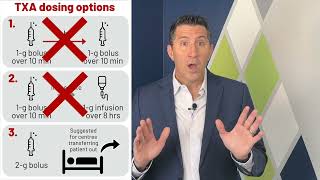
Welcome back to part three of the Hantevi Whole Blood Series. Today I'll be discussing protocol development and other supportive therapies that could change the way we approach patient care. First, I'd like to start with why give whole blood and not component therapy? Currently, most hospitals use individualized bags of packed red cells, platelets and plasma from multiple donors, which are time consuming to infuse separately. However, we've begun to see a shift towards use of whole blood, which comes from a single donor and contains all the components in one bag. It's a much simpler and faster process, and both military and civilian data suggest that it could greatly improve care for trauma and medical hemorrhage patients. Next, let's discuss the key items to consider when developing your whole blood protocol. Traditionally, we recommended two large bore IVs with saline running wide open, but once whole blood becomes available at your agency, that protocol will be revised. We've structured our protocol into three sections medical hemorrhage, traumatic hemorrhage, and then a separate protocol on the whole blood transfusion itself. We've developed guidelines for both adult and pediatric patients on when to consider whole blood and tranexamic acid or TXA administration. These take into account factors such as traumatic arrest, evidence of massive hemorrhage, vital sign parameters, and also considerations like patient consent and potential religious objections. Deciding who gets whole blood is based on vital sign parameters in both adult and pediatric patients. Here are the parameters that we develop for adults. Note that we've made modifications for patients on beta blockers or calcium channel blockers. In kids we have specific parameters that are based on age. I'd also recommend adding in end tidal CO2 of less than 25 millimeters of mercury as it's shown to be an accurate marker of severe hemorrhage. Now, your protocol should detail the preparation and administration process for blood products. It involves multiple steps, including using a blood tubing set with a filter, establishing a connection to the IV or IO catheter, confirming matching tags in the blood product and documenting start and stop times. That's very important. Now what about txa? Recent research shows no difference in six month outcomes using a specific dosing strategy, specifically a one gram loading dose followed by another gram over eight hours. However, our protocol adopted a different approach giving two grams over five minutes. It's also important to note that in this study I just mentioned, 67% of the patients received a TXA after one hour. In our jurisdiction, the patients are receiving txa in under 30 minutes and we feel that it's important to recognize that when evaluating this paper. Okay, let's discuss what to do after the transfusion, as these steps are just as important. Lines should be flush with saline, vitals should be documented, and if the patient receives multiple units of blood, they should receive calcium supplementation. Due to the presence of EDTA in the whole blood, some agencies administer it while others leave it to the hospital. More data on this is forthcoming. Now let's consider the logistics of who carries the whole blood. Ideally, it should be a field supervisor and should be placed strategically in areas of likely usage. We'd recommend using heat maps to determine the best locations in your jurisdiction. This will also reduce the chance for potential waste if the blood is not used. One last point to address is whether we can administer whole blood to females of childbearing age due to the presence of the Rh antigen. The answer is yes. There is a small risk reported to be only 0.4%, but even that can be mitigated with the use of RHOGAM later on. So as we close today, we'd like to offer you an opportunity to delve deeper into the topic of whole blood administration. You can scan the QR code displayed on your screen now, which will direct you to our Dropbox folder. It contains an array of valuable resources, including multiple EMS protocols, research papers, and PowerPoint presentations. Feel free to browse through these resources and deepen your understanding of whole blood protocols and their impact on patient care. We're committed to providing comprehensive education and support, so don't hesitate to reach out if you have any questions or require further clarification. Thank you again for tuning in to our whole blood series. Stay informed, stay updated, and let's continue to work together for better patient outcomes.