Ketamine
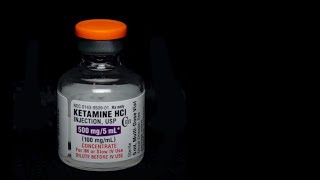
Peter Antevy covers EMS pediatric seizure treatment: oxygen and benzodiazepines first, then ketamine for refractory seizures. Ketamine dose is 2 mg/kg IM or IN (max 100 mg), given even if the seizure partially stops. New 2023 protocol allows ketamine for any age pediatric patient, IM or IN only, never IV.
Chapters
Hi, everyone. I want to talk now about our EMS protocol for seizures in children and specifically the use of ketamine for refractory seizures. If the child is actively seizing, our first line of treatment is oxygen administration. We provide 15 liters per minute via non rebreather, regardless of SpO2, and leave the oxygen in place throughout the postictal period. Actively seizing patients should receive basic BLS care followed by oxygen and a dose of raced. The dose is 0.1 mg per kg IV or IO, or 0.2 mg per kg intranasal or intramuscular, with a maximal single dose of 5 mg. This can be repeated once if necessary. It's important to note that there is a contraindication for hypotension and to monitor for respiratory depression. Intranasal administration is the preferred route when vascular access is not already established. If the seizure still does not subside, we turn to ketamine. The dose is 2mg per kg intranasal or intramuscular, with a maximum single dose of 100mg. Now, as with adult patients, the entire dose should be administered regardless of whether the seizure terminates with a partial dose of ketamine. It's important to note that there are certain contraindications and precautions to keep in mind when using ketamine, such as avoiding its use in patients with penetrating eye injuries. Also, ketamine may increase schizophrenic symptoms. Just be on the lookout for that. Thank you for listening. And please remember, if you have any questions during a call, we are always just a phone call away.
In our 2023 protocols. If you remember from the 2019 protocols, we did not give ketamine to pediatric patients that were under a certain age. And if you did give it ketamine to a seizing patient, you had to get approval from the EMS captain first. So let's go ahead and talk about the 2023 changes. If you need to give ketamine to a patient who is having seizures, they're in status epileptic, and you've given the max dose of Versed and they are still not responding, you can go ahead and give ketamine per the protocol without reaching out to your EMS captain for approval first. I would, however, recommend that it's a good idea to get them coming in the event that this patient does need additional airway management. That's just good medicine. But when it comes to pediatrics, we can now give ketamine to pediatric patients that are having seizures. And there is no age restriction to this. So the difference is on pediatric patients. Now, remember, for the purposes of the protocols, if a patient has signs of puberty, they're going to be treated as an adult. But if they do not have signs of puberty, they're treated as a pediatric patient. So let's talk about those patients. Those patients can now get ketamine IM or in. That's intramuscular or intranasal. So they cannot get ketamine IV for seizures. So remember, intramuscular intranasal is the preferred route for these patients, these pediatric patients that are. That are having seizures and it's not responding to Versed. So now we're going to talk about the MAD device and we're going to give you some tips on how to use the MAD device and how to draw up the medication and how it's supposed to be administered. So first off, remember, whenever you're going to give a medication intranasal, it's very important to make sure that the nares are clear and clean. If there's additional secretions, a lot of times seizing patients, they may have snot, they may have mucus coming out of their nose. You may want to suction that out first and make sure that the nares are actually clear. So clear the nares. If there's an npa, this is not going to work. You can't put this stuff down in npa. But as long as there's no epistaxis, there's no. Just massive amounts of secretions in the nares, the absorption rate is going to be very, very fast with intranasal. So let's talk about how we want to give this. So when we're going to give a medication via the MAD device, we want to try to optimize this as much as possible. Now, remember, the max dose that you can give in mls per nair is 1ml per nair. The optimal dose is going to be 0.3 to 0.5 mls per nair. That's going to really get the maximum absorption. However, for our pediatric patients, remember that we actually take into account dead space whenever we configure the Hand Tevy app. So all of that stuff is configured. So what I would recommend for these pediatric patients, if the dose is less than 1 milliliter, just keep it in one nare. If the dose is greater than 1 milliliter, split that dose between two nares, please. So the maximum that you can administer to a patient intranasal is 2 MLS. Otherwise, the mucosa, the nasal mucosa becomes saturated and it actually interferes and it slows down the absorption rate. So let's actually do this. So we have ketamine here, and we're going to draw up our medication and let's say the, the. Let's say that the dose is going to be 0.5 ML. So we're just, we're really just pulling numbers up at this point. We're going to drop our 0.5mls out of this vial.
Now.
Once we have our medication in our vial, remember to. Remember to always make sure that you have somebody put eyes on anything that you do, especially when we're talking about a medication like ketamine. The reason we didn't give ketamine to pediatrics before was because it's such a small dose, and if we miss on the mls, there's a good chance of an overdose or an underdose. When it comes to pediatrics, especially less than three years old, you've got to be dead on accurate with your dosing. Have somebody else put eyes on that before you administer it to the patient. So now we've got this medication that's drawn up into our 0.5 mls is drawn up into our 1 ML syringe. And I've got the mad device attached. Attached to this. So what you want to do is you actually want to depress this syringe, and I'm going to shoot this up in the air so that you can see the mist. You want to press hard and fast just like this so you can see that mist. If you give this slow, it won't aerosolize this medication. We really, really want this to get that fine mist up in the nares so that it can maximize absorption. So now I'm going to go ahead and draw up another dose. So. And we're going to administer it to our mannequin. I was not able to get a live volunteer for this particular scenario. Nobody wants to have.
Saline shot up their nose.
So again, whenever we're going to go, administer this to our patient, once we've confirmed that we've got the right dose, right route, right medication, right concentration, we've gone through all of our, all of our checks and balances before we administer this. Have the patient's head tilted up when you place the MAD device in, place it in until it stops. And you want to point it towards the midline. Okay. Point it towards the midline. And when you depress the plunger, it's a good idea to go ahead and close the other side and you're going to see I'm going to press this very fast. 0.5 MLS went into this nare. When you're administering medications via the MAD device, remember push fast on that and make sure you aerosolize this. And if there's any secretions in the airway, you got to get that out beforehand. Alright? Lastly, let's talk about ketamine. So ketamine in of itself is a very, very safe drug and we have a lot of different uses for it. We use it for pain management, we use it for seizure control, we use it for advanced airway management. And at different doses it's going to have a different effect on the body. Please, please remember, anytime you are giving ketamine, you have to be mindful that all of these different applications are a potential side effect in the event this patient has a reaction to it. So let's say you're just giving a pain medication dose to a patient with ketamine, yet they may really, they may actually have an exaggerated response to that. My point is, is that you have to be prepared for anything when it comes with ketamine. And I know with the training and the tools that we have, we're capable of handling any airway emergency that may come up. But please monitor these patients airway, please have end tidal CO2 on them. And if your patient is being administered ketamine for anything such as a behavioral emergency, you got to put 100% O2 via non rebreather mask on this patient. And you need to monitor absolutely everything on this patient on the way to the hospital. I hope you have a better understanding of how ketamine works, how the MAD device works, and a better understanding of pediatric seizures and seizures in general when it comes to ketamine administration. If you have any questions, reach out to the medical services division. Thank you very much and stay safe.
More from Peter




Melissa Olen MSN, FPN-C, CCRN: Sudden Cardiac Arrest Training in Schools (Project ADAM) 4/25/25



Pediatric Hospital Readiness: How Teamwork & CPR Metrics Drive Better Outcomes



Chelsea Kadish, MD & Kyle Goodknight, EMT-P, RT: Pediatric CPAP in EMS (3/14/25)