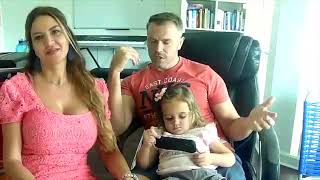
Jason and Isabella's daughter Stella nearly drowned reaching for a doll in their pool. Isabella performed CPR while 911 was called, and the EMS crew's recent pediatric resuscitation training enabled them to stabilize Stella on scene before transport. She survived and fully recovered.
Chapters
So why don't we start? And I got, I don't know, Isabella or Jason. You want to start by just describing what, what happened that day at the pool and the events that happened after that.
Around 10:30 ish or so, you know, mom and Stella get out the pool. We take off her floaties like normal. She walks through the sliding door to go into the house.
Not have been closed all the way. Mom's in the house tinkering on the side with the pool pump and trying to get the vacuum to go. Well, none of us seen, but what we believe to have happened is that she was reaching for one of her baby dolls in the pool that was still floating and fell in the deep end. As I'm going around the side from the side of the house to the pool area, I look and I was shocked of what I seen. I couldn't believe it. I thought it was like a life size baby doll. I didn't even think it was. My daughter immediately screamed Isabella's name, dove in, pulled her out of the deep end, put her on the side of the deck, and started immediately doing CPR. Mom ran down, immediately, called 911. The fire truck and the ambulance came shortly after. And they started administering more breaths, hooking up IVs and doing everything in a matter of seconds. They were working on Stella when they.
Ran in and they went and took her to the truck. Then I felt like I said I thought they were going to take off right away and just take her to the hospital. And I thought it was a matter of the truck is here to get her there faster. That's where your mind goes, right? So when they were taking that time, you know, five, six minutes, they're just sitting outside here and just saying, what's going on? What's going on? You know, I didn't know that this is. They were trying to get her stable so that we could move. You know, I just thought, oh my God, this is, you know, this is. That's not good.
This is bad news.
That's what I thought.
Like I said, it was like clockwork. That from the moment I seen her to the moment that they showed up, we're not talking. Like everybody's standing around, what do we do? What do we do? It was like, no.
And I knew when that guy picked her up and he started walking quick, he's like, we got this. Let's go, let's move. Get her in. There was people already outside of the doors because I walked up to him and I seen them right here. Guys put her here. Let's go. And they started off going right to work, right?
And they just stayed outside the house for about four, five minutes or so. And you're sitting there just thinking, oh, my gosh, like, they need to leave. He was. He was questioning as well, like, why are they moving?
Yeah.
And I was wondering, what did they do? Right. Because I went through. So the whole time over the three days when she was recovering and I'm finding out she would be okay, they were the only ones on my mind. I want to meet these guys. I want to see them. I want to reach out to them. I want to understand. Understand a little bit more. What. How did you guys. What did you do? And that's when we met them this past Thursday. We. We met everybody. It was a big celebration. We had a happy birthday celebration for Stella, and they were all there. I got a chance to pull the big guy who grabbed her aside, and, you know, he went. He told me, step by step, the training that he received. And, you know, he's very fortunate that they just had this training two weeks ago and went through this.
I would love to hear your thoughts of knowing what, you know now about how. How typical EMS runs across the country, but then seeing the difference with how they treated Stella. They stayed on scene. They did everything there before they left. What. What is your feeling now as a parent knowing that you got that type of care?
Just gratitude. It's just gratitude for their professionalism. And I'm just extremely grateful that they.
You know.
Listened to their training, you know, and they did. They didn't listen to me, that they listened to their training, not actually parent, you know, and I think that the most huge impact for me was when we got to the hospital, she was screaming and kicking, and, you know, and that was like a huge relief for both of us.
Yes.
I mean, we. Like we said before, we know that time is on the essence here, and if they didn't have that type of level of training to come in and operate under very stressful situations and take control and do it quick and be effective with it, there's no way that we would have our daughter here today.