Pediatric Bereavement [NAEMSP 2021] - 1 hour
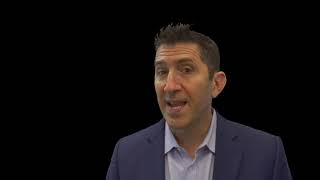
Dr. Peter Antevy presents a 1-hour NAEMSP talk on pediatric bereavement focused on the EMS role in communicating with families when children die in the field, preventing provider burnout, and helping families achieve closure. He reviews epidemiology (≈20,000 pediatric arrests/year; ≈7,000 prehospital; ≈10% survival to discharge), dispels common misconceptions and medicolegal fears by citing TOR guidance and case law, summarizes family-centered research (need for honesty, repeated explanations, privacy, bereavement follow-up), and highlights established programs (Fallot/Louisville educational-outing model, COPE resources) and practical steps EMS can adopt (on-scene explanation, ED reinforcement, medical director condolence calls, sympathy cards). The talk also emphasizes vicarious bereavement and provider wellbeing.
Questions this video answers
About 20,000 children per year.
About 7,000 per year.
Approximately 10%.
Approximately 5.4% (reported for traumatic arrests).
American College of Surgeons (ACS), American College of Emergency Physicians (ACEP), NAEMSP, and the American Academy of Pediatrics (AAP).
Chapters
Hey everyone, this is Dr. Peter Rantivi. Thank you for joining me today. I want to talk about a topic that's near and dear to my heart, and I think it's important to you as well. Children, when they die in the field is very anxiety provoking for us as healthcare providers. But imagine what the family is going through as well. What is the connection between our care and how the families deal and react to their child's death at the moment and into the future. That ties together very importantly, and you'll see that today as we move through this conversation. Why is this conversation important for our career? Because burnout occurs if we have another case and another case where we're not handling these kids correctly, not dealing with the families appropriately, and ultimately you'll get burned out. And the burnout often leads to emotional distress, drugs and alcohol abuse, marital strife, and even divorce. So I want to take you through this conversation. We'll talk about what most people feel about bereavement, what most people are worried about when they think of a child dying in their career. And perhaps we'll uncover some of the myths and we'll talk about what the families really want and how we can learn to cope better with the stress when a child dies in our care. So let's get started. Okay, so let's start with the case. This is the case that was a springboard for me to realize how important the topic of bereavement was. Specifically in ems. A five year old boy was riding his bicycle in the front yard when his father accidentally put it in reverse and ran him over. This was a horrible scene. As you can only imagine. Upon arrival, this child had signs that were incompatible with life and our crews knew that. But their initial instinct was, let's just take this child and run off the scene. When the family members were off to the side, nobody was talking to them. Our EMS captain, Adrian Castro, arrived on scene, evaluated the child quickly, he got the quick story, and then he made a decision that would change everyone's lives at that moment forever. That's the decision. And what he did that day is what I want to talk about throughout this conversation.
So let's talk about pediatric cardiac arrest. We know that 20,000 children go into cardiac arrest every year in the United States. Seven thousand of those have a cardiac arrest in the pre hospital setting. But what are the outcomes for those children? We know from the American Heart association data that only about 10% of those children survive to hospital discharge. That means 90% of children who have cardiac arrest will end up Dying. But how much time do we spend on training for each of these? Well, take a look here. You could see that we spend 90% of our time focusing on high performance CPR and getting it right on scene. But how much time do we ever spend on what happens after a child dies? This is the gap that we have to close. This is why this conversation is so important, because you're more than likely to run on a child in cardiac arrest who doesn't make it than one who will. So here's what I call the arrest life cycle in healthcare professionals. What is the arrest life cycle? It's the four quadrants that ultimately lead to the most important part, which is closure. What does it mean? Closure. Closure. There's two parts of closure. You want to make sure that you can leave the scene knowing you've done everything you could for that child. But then you also want to talk to the family to help them get to closure. When I talk about two parts of closure, the first part again is that you're telling yourself, we did everything we could. And then to the family, you're also telling them, what did we do? Why is that important? Why do the families want to know what you did for their child? Well, it's because they want to make sure that their child didn't die in vain. They want to make sure that every possible step was was taken to get their child back to life. So with what we do in healthcare, we are trying to get ourselves to closure and also the families to closure. There was a great op ed written in JAMA years ago talking about resuscitations that never end. What did they mean by that? That means that if you don't get the closure in your career, you'll always remember that case, even if it was 15 or 20 years ago. So getting to closure should be the most important thing on every cardiac arrest call, whether it be a child or an adult. And this is why the topic of bereavement and knowing what to do when a patient dies in your care is so important. So here you see a pie chart. Take a look at this graphic and see all the people that are involved in bereavement. So of course, the patient and the family are right in the middle. You could see the healthcare team in that inner circle. And then you have people like social workers, RNs, LPNs, MPs, hospice volunteers, different other therapies, pastors, chaplains, rabbis. But where is EMS in this? Why isn't EMS factored in here when we are the people who are oftentimes Seeing people who are dead in the field, who cannot be resuscitated, oftentimes we are resuscitating people who do have a chance. So we are actively involved in this cycle. We should be right in the middle of this with all the other healthcare professionals. And that's the goal of this conversation. So over the years, I now understand where these misconceptions come from. Every time I bring up this topic, I, I hear the same things over and over again. So I wanted to address some of these misconceptions as we discuss this today. Number one, I was never trained to do this because in paramedic school this is not something that we focus on. And then oftentimes when you're in the field, it's an apprenticeship and you watch what other people do. And if your department is not a department that focuses on this, on speaking to family members, then oftentimes you're just passing on those poor habits.
Next, many people think the hospital will do this. I'm going to bring that child, that little boy who was run over by the father. I'm going to scoop him up, bring them to the hospital, and then I'm going to let them talk to the family members. But remember what happens. Oftentimes the family members are not with you, they're coming in after you. And oftentimes they don't know where to go. They're being rushed in and then they get to the hospital, to the emergency department, and they see their child now covered up in a sheet. So this thought that the hospital will do it, those of you who know, and you know how hospitals work, oftentimes this, it may not even be done at all. But more importantly, it's not being done correctly. So let us initiate that care, let us get involved both pre hospital and in the emergency department to make this trajectory start off correctly. Now, here's the one that I hear most frequently is that we wanted to show mom and dad that we did something. They think that if you take the child from the street, put him in the ambulance and rush off, and mom and dad see the ambulance lights and sirens going to the trauma center, that suddenly the parents are going to feel refreshed and happy about that, but they're not. Actually, it's the opposite. Many people don't know that there's a hormone called oxytocin. Oxytocin is something that's secreted mainly in the mom when something is happening to her child. And that hormone wants the mom to go and embrace the child, stay close to the child. When in fact, what often happens is we're pulling the child away, we're leaving the scene, and the parents are staying back with someone speaking to them about, hey, what just happened here? And so there's a mismatch of what we think we're doing right and what's physiologically happening in the parent, understanding that main point may lead you to actually bring the parents into the fold, even though it's hard to do. We're going to talk about that more as we continue. Now, for the people who are being 100% honest with me, they just say, you know what, it was just easier to leave the scene. Now what that means is, I know it's stressful when you're in the field and a lot of people are watching and people are screaming and it's just not the right kind of area you want to be in. So it's kind of quote unquote easier to leave and go back to your office. But yes, it may be easier for you. But again, we want to talk about the ramifications of what that'll do to the family. And if you did rush off the scene for the child, but you don't rush off scene for the adult, your subconscious mind is telling you, hey, you're doing it differently, it's not the same. And then that stays with you subconsciously for a long time. So even though you may want to suppress this feeling and say, you know what, if I leave the scene, it'll be better, it turns out it's not better. And we've learned that over the years and we've seen what happens to people in their career if they just keep leaving and not doing the right thing on scene. Okay? Now, no matter how long you've been in healthcare, this one will ring true, which is, I wasn't sure what to say. Now, this is an honest and open thing. And many of us, I can tell you personally, throughout my career, it's awkward. You have to go and tell a family member that their child has died. Now, this is what we know now, a learned skill. There are things that you can say to the family members and things that you don't have to be a bereavement counselor. And we're going to talk about those things today because I'm not asking you to go and take a course on how to become a chaplain. I'm not telling you to go become a professional in this area. But if you're working in a pre hospital arena, there are certain phrases or words that you can train on so that when that day comes, you can do the right thing. Now, every now and again someone says this one, but I surely do know it's in the back of people's minds, which is there's just too much liability to keep that child on scene and give the appearance that we haven't done anything or that we stopped worrying that the family is going to come back after you saying that you haven't done enough for my child. Well, is that true? Well, I'm going to take you through some cases in the literature to disprove this misconception so that you don't have to worry about this liability elephant in the room that people keep talking about. So here's the image. I'm asking you to bridge this gap, to get to the other side safely, not only for yourself, but for the sake of the family. So we'll talk about some of the legal considerations more in depth in a minute. We've talked about the experience and just doing it, getting there once and twice, learning from others. That'll help you overcome the fear that you have in pediatric bereavement, in speaking to families who have had a child who's passed away. We can do that with death notification training. We talked about scripting, practicing and understanding the terminology to use in these cases. And then importantly also, your agency should have policies and protocols such as determination of resuscitation protocol, which we'll talk about in a little bit. But there are two big things that I think people have missed when it comes to pediatric bereavement. And the first thing is understanding what the parents themselves need. We've ignored that for a long time because we think, hey, you know what? This is all about us. We're the healthcare providers. We have to do what we have to do. But I think understanding what the parents need and what they want may help you get to the other side of this gap safely. And then lastly, I'm going to call on the EMS medical directors for their leadership in this. And we'll talk about this at the very end. How an EMS medical director who may not even have been on the scene, how could they help in this entire process after the call is over, speaking to the crews and then speaking to the family.
Okay, let's dive right into the legal ramifications. Most people say something like, if I don't continue resuscitative efforts, I will get sued. Well, is that true? Well, let's take a look. First at traumatic arrest in kids. We know that it's the leading pediatric cause of death. We talked about 7,000 deaths in the pre hospital arena. Again, most of those are traumatic. The overall survival, neurologic intact survival is only 5.4%. And we know that these children are neurologically devastated if their arrest is longer than 20 minutes. These parents have an untold financial and emotional burden if we have a blanket transport policy. So we'll talk about shortly, the pediatric termination of resuscitation guidelines from 2014 that may help you get your agency to, to the right point mentally. So what I would point everyone to are these TOR guidelines you can see here on the screen. This is the joint position statement that came from American College of Surgeons, American College of Emergency Physicians, the NAMSP and the American Academy of Pediatrics. You can see people here from all of those organizations from Dr. Mary Fallot, Dr. Tusani and Dr. Kate Brown. This is a position statement that you should all have, you should all look at and then incorporate these into your protocols to help your agency get over these issues where people may be concerned with the legal ramifications of pediatric death in the field. Dr. Mary Fallot, who I just spoke about on the last slide and I'll speak about here again, RA wrote this great article looking at this point exactly, which is what cases are out there that prove or disprove the fact that healthcare providers will get sued if they do not perform care in the field because of apparent futility. Well, let's take a look at the cases that have been published in the literature. There were three cases in this paper. As I go through them, think to yourselves, which way do you think this trial went for the EMS professional or the physician or for the family? Case number one, an unresponsive infant, last fed two and a half hours ago, treated by a CCT medic and an emt. And as soon as they arrived, they saw this kid had rigor and so they pronounced the child upon arrival. Okay, let's look at the next one here. This is a construction worker who had a sudden collapse and seizure. Bystander CPR was given and the ALS crews arrived 25 minutes later after their arrival. They then pronounced this person and did not continue resuscitative efforts. Third case, the newborn was delivered in the delivery room by a physician. The apgar score was zero. Resuscitation was tried for 11 minutes. The physician terminated resuscitation, but never went and told the parents right before he was going to do that. These are three cases that all went to court. Let's take a look at how they fared. Case number one, where the infant was ruled in favor of ems. The second case with a construction worker in favor of ems, and even the third case where the physician did not bring the parents in before he pronounced their child was ruled in favor of the physician. So this paper answers. Is there a liability risk based on those three cases and based on many other cases? Well, what is said is that when a resuscitation decision is consistent with TOR guidelines, then you, the EMS provider, will be protected. Remembering and following carefully formulated tort protocols is reasonable care, and I think that's so important. So have your medical director, have a legal expert if you want, review your tort protocols to make sure that they are thorough and they reflect the type of care you're providing. Lastly, EMS providers shielded against liability for negligent acts should not allow the concern for liability to prevent appropriate reliance on carefully formulated termination of resuscitation guidelines. Use them as a backbone. Understand that they are there to protect you. You do the right thing. And let's not worry about the legal ramifications, because oftentimes these are myths and not in reality. So that is the big elephant in the room. This is it. A lot of people will use the legal aspects. They'll say, I'm not going to do it because I don't want to get sued. But indeed, we now know through the literature and through really the lack of cases, we find in the courts of law that this really doesn't exist as long as you do the thing right. Okay, now that we got the legal stuff out of the way, let's start to get into focus. Let's start to focus on what matters now from a human perspective. And there's probably not a better story that I've heard recently than the one I'm about to show you. Dr. Doug Kupas, who's an EMS medical director at Geisinger in Pennsylvania, relayed to me recently an amazing story of what happened on scene with an infant, a little girl who went into cardiac arrest while in the care of her grandparents.
Take a listen to this story and you'll see that he. He went above and beyond from the human perspective. He knew that this family was undergoing some great emotional stress, and instead of running, he stayed and take a listen to what he did.
But with this one case, we got to the point where it was futile. The grandfather wanted to be with the child. As we stopped and as we were walking for him to be with the child, he said, she hasn't even been baptized yet. Well, I can. We can do that for you. And he said, and he was like, his eyes just lit up. He's like, oh, could you. And so, sure. So I went to the kitchen, I got a little cup of water, and he was there, and we were ready to terminate. But before termination, I did the baptism, and. And then we did the field termination. And basically what I did, I, you know, got some of the water, put my hand with the water on it, the baby's head, and said, you know, I baptized you in the name of the Father, Son, and the Holy Spirit. And then after the baptism with the grandfather there, we stopped. The child was in asystole. It was clear they were in asystole. We gave a time of death and that kind of thing. Let him spend a little time just sort of holding the child's hand and holding the child, you know, in the aftermath. We have our people all trained to do things like, you know, obviously call the coroner. We also have them trained to, you know, ask the folks. Is there anybody we can call for you to help support you? You know, a neighbor, a pastor or whatever? A lot of times we call the pastor that kind of thing. In this case, the grandfather, after things settled a little bit, said to me, can we get a baptism certificate? And I said, oh, absolutely. Not having any clue where I was going to get a baptism certificate, but I'm like, oh, absolutely, you know, Then I called from the scene to let their pastor know. I called their pastor, and the guy was on vacation. So then I go back the next day. I call our chaplain service in the hospital.
And the woman that is like, the receptionist and admin for the chaplain service at the time had spent. I had known her for probably five years as one of our desk clerks in the emergency department. And I said, I've got a crazy question for you, but I did this baptism, and I need a baptism. Where do you guys. Where can I get that? And she said, oh, Dr. Kukas, that's no problem at all. And I didn't even think. They do it in the NICU all the time. Professional. With a little, like, gold trip. She said, yeah, I can, you know, give me the name and stuff. We'll print you out a certificate. It's a relatively small town. At one of my. Several years later, at one of my kids science fairs, the mother of the child was there and came up to me and thanked me so much and told me how much it meant. Like, you know, a couple years later, she remembered and specifically was touched by having that certificate of baptism for their daughter.
Dr. Kupas, thank you so much for relaying that story. Many of us understand exactly how important what you did was. And it also shows the long life cycle of these events that years later how important what you did was for that family at that time. Thank you. We know that for years in ems, we've thought that rushing off the scene with a child who we know is dead was beneficial, we thought, to the family. But how do the parents really feel? Well, there's a paper that was just published that talks exactly about that. And how did they answer the question? Well, they interviewed the family themselves. This is a very important study that came out of Australia by Dr. Ashley Butler. It asked a question, when a child dies in the icu, how do the parents feel as their child was going through the dying process? And their conclusion was that improvements in communication were needed. And what I mean by that is imagine the family in the emergency department or even before that on scene, that had the immediate stress, that anxiety of thinking that their child's not going to make it, or knowing that their child suffered a traumatic injury that was not compatible with life. Then you go into the short term, meaning that perhaps now they're in the emergency department or even a day or two later, and then what happens in the long term? So all these questions were really answered by this wonderful study. And so the way that they did it, they interviewed 26 parents and they asked the parents about three different phases of the hospitalization. Let's start with during the hospitalization. Remember, these were interviews taken after the family was now been home for quite a while. And they're being asked to recall how they felt and what could have been done better during the hospitalization. Number one, they emphasized the need for honesty. They don't want anything sugar coated. We talked about earlier the term show code, right? Would it be better to just be honest with the family at the time? The answer is yes. And the parents are saying that to us here. They want clear, direct and unambiguous language. And that's why we've talked about it before. But you have to come and tell the family in very direct words that the child has died?
Thirdly, they wanted oral and written explanations. They want to know exactly, they want to hear it, and they even want to see it. So as much as we think that the parents want to avoid the topic, well, the contrary seems to be true. They want to hear it in multiple ways. Very important. Next, they want multiple reiterations of the explanation. So explain it to me once, explain it to me again, and tomorrow maybe explain it to me a third time. Right? So everything I'm telling you may go against what you've thought to be true.
Next, they wanted early access to bereavement resources and support groups. What often happens is we wait until it happens. The child's pronounced, people often leave the room. We no longer make eye contact with the family, and then suddenly someone comes in and talks to them about what's happening next. Well, they wanted that to know earlier. So if you're an EMS professional listening to this, you understand that we can learn from this, even though this may not be directly related to what we do. But the point is that families want more information. The more the better. They also want improved support for siblings. So we recently had a case where the brother called 911 for his brother who had drowned in the pool. Can you only imagine what that 16 year old kid today is thinking? The fact that he saw his brother going to cardiac arrest, that he saw his brother die in the pool and that he was performing CPR on him. The parents know that inherently and they know that we need to give more resources to the children of the deceased brother or sister. Now let's talk about during the dying phase. This is the phase that we are involved in oftentimes because that's why they called us. Let's take a look at what the family wants during that phase. Number one, they want the need for privacy. Now understand this is an ICU study and the questions were coming out of that. But the family wants the privacy. They want time with their child, with their child, that's important. They want other family members to be involved. Again, you're seeing that when that oxytocin, that chemical is getting released, what do they want? They want more time with their child. They want more time with family members. They also want the situation demedicalized as much as possible. And that could be in the language that you're using as well. So understand that these are laypeople. They don't understand the big language oftentimes that we used, but they want this information demedicalized as much as possible. Now in the icu they're asking for the same caregiver. What does this mean when we're on the scene as EMS professionals and they see you and you've made a connection with them, that's the benefit. So that before you leave the emergency department, you can go back up to them since they already had that connection with you. And we'll talk about what to say later. But the parents want to see that face, that person who was there to help. They don't want to not see you again. They want to make that connection. It's very, very important. In the icu, they want a creation of mementos. They want photos and oftentimes hospitals will do that. They want a lock of hair sent home. This is important for them. They wanted staff to stay with them as much as possible. They wanted help to clean the child and pack belongings. And this was very touching. They wanted someone to walk them to the car. They don't want to be alone. They want people, they want understanding. Again, this is important that those family members should not feel like they're on an island. And this is what they're saying here very clearly in this paper by Dr. Butler. Next, they wanted some basic information, like how do I go visit my child in the morgue? And then when they got to the morgue, they wanted more private time, more time to be alone with their deceased child. And so all this information, it's an outpouring, it's an outcry by the family that says, stay with me, stay around me, give me time to heal. Help me through this.
Now we'll talk about the bereavement phase. Now the parents have left the hospital. Now they're home alone. And many of you know this, but once you lose a child, suddenly people stop calling. Family stops coming over. You start having some marital issues. There's blame being circulated around. This is the hardest time. So what are the parents asking for during the bereavement phase? They strongly recommend that follow up care be routinely offered. What does that mean? First they said, can someone call us, check in on us, see how we're doing, write us a letter, send us a condolence card. They want to meet with the staff. So after they're home already, they would like to meet with the staff who cared for their child. That staff is not just hospital staff, by the way, that's us in ems. It's the people who were there first who cared for their child first on the scene. They wanted a presence at the funeral. They wanted to see that we cared as much that they just lost their child and that were supportive of them in any way possible. They also wanted their entire family involved in the follow up care, meaning the children and even the extended family. And we'll talk about that in a minute. As to why having other people involved helps the parents along the way because it teaches those people what the right thing to do is moving forward. They also ask that follow up care start within a few days and gradually taper off over 12 months. And we'll talk about a unique program that Dr. Mary Fallot and her colleagues in Louisville, Kentucky have had up and running for many, many years. Very, very successfully. And then again, you're hearing it again. They want more information on what happens next. They need to be escorted along this journey and helped out with information, with knowledge, with people who just care. And those people were the people who cared for their child either in the field or in the hospital or months later, their family. When they asked more information on what's happening next, here's what they want to know. What happens when we go home? How are we supposed to feel? How do we plan a funeral for a child? What about the post mortem examination? If is there going to be one or not? What about the normal grief symptoms? I'm crying every other hour. I'm not crying at all. Is that normal? Should I attend counseling? These are all questions that they want to know. Are there any bereavement support groups that I can join before I leave the hospital, even a few days later? That's when they want that information. They want to connect with other parents, believe it or not, who have lost their children via support group or other parent buddy system. Again, what this is telling us over and over again is that these parents need help. They do not want to be left alone. And unfortunately, as we know, most of them are okay. So now I want to describe an amazing program that really encompasses all of these items we just talked about. This is out of Louisville, Kentucky. This is Dr. Mary Fallot. Again, she's a pediatric surgeon and her amazing colleagues that include Ronald Oliver, Joel Sturbitant and James Sheets. They asked, when grief and pain are not addressed, do the parents become secondary victims? And the answer was yes. Watch what they did and watch what they continue to do even decades after the study was done, because what they do works.
This program was developed to help parents grieve and learn from parents what their needs were. Let's take a look.
There are four touch points in this program. Let's start at the top. In the hospital, the chaplain comes to first, comfort the parents. They're offered time alone with the child. Remember that that was important. Any religious rituals are accomplished. They're given the support group information and any helpful videos. Next, there's a very short first home visit. And their ideal situation is at the funeral home for 15 minutes. And that is to set the stage for the next visit, perhaps the most important visit within the next two months. And that visit is the centerpiece of their program. And believe it or not, it's an educational outing where they have the parents and 15 of their supporters could be family members, close friends, and they invite them to a restaurant with a private room where they give them an educational program. We'll talk about this program on the next slide. But what this is accomplishing, it's helping not just the parents, but all the parent supporters understand what's important to help them support that family for the year to come, the difficult year to come. And then finally, as part of the study, they did an in home interview or via phone where they asked the parents 93 questions. We'll talk about those outcomes in a minute.
Their three main assumptions were that parents can be helped by the people they spend time with every single day. The supporters who agree to attend that educational outing are much more motivated to help in an ongoing manner and the support is enhanced if the common myths are dispelled. And that's exactly what they do during this educational outing. It's essentially a dinner with a PowerPoint presentation. And so this is Ronald Oliver and again, he does this till today. Let's take a look at the four needs of bereaved parents that they describe in their PowerPoint. Number one, parents need supporters to remember their child, tell stories, remember birthdays. How many times have you been next to a parent who has lost a child and everything about you, doesn't want to bring up that child, doesn't want to talk about that child. Right, because you think that if you brought it up, the family would be upset with you. Well, it turns out the opposite is true. It's okay to say, tell me about your son or daughter, use their name and next thing you know they'll be gushing and telling you about their child and how they used to be and their personality. Let them do that, that's what they want. Number two, parents need supporters to appreciate the significance of their grief and be empathetic towards it. This takes time. It's not a sprint, it's a marathon. We know that. Thirdly, parents need a multifaceted initiative taking support network. That means the supporters must own it. That's why this dinner is so important. It's teaching these supporters. Don't just come by once and never come by again. Call, take them to dinner, go have a cup of coffee, make sure that you take the initiative. Why? Because the parents won't. We know that now. And lastly, the parents need the supporters to, quote, hang in there for the long haul. This is tough. Magically, in a month from now, the parents aren't going to say, ah, I'm better Now? No. This takes time. And that's why those 15 people are critical at this initial educational outing. This is a remarkable program and it's been so beneficial it's been utilized till today. And I strongly believe this is a model that should extend to every community across the country. What were the results of their study? Let's take a look at table one from the parents survey. After the educational meeting, they asked, did the staff prepare you for death? 81% Was the staff sensitive to the child? 90% Sensitive to you? 93% Was the treatment understandable? You can see resounding 90%. Then, after the chaplain's first visit, remember that 15 minutes at the funeral home? Did the parents want a meeting? 80% said yes. Was the meeting helpful? 90% said yes. And did the meeting answered questions? 78% said yes. So you could see here that the parents, when that phone call came in, they did want the call. They were happy that it came in. Now what about the meeting with supporters? Did the supporters remember the child like we talked about? 91% say yes. Did they accept the adjustment time? 89% say yes. And did the supporters call, visit, take you out and write more? 73% say yes. So it worked. This educational outing worked. What about the supporters survey after the meeting? Did it help you understand the parents journey? Yes. 95%. Did it prepare you to care? Yes. Were the supporters likely to use advice from the educational seminar? Yes. 82%. Had the supporter taken specific actions to remember the child? 69%. Did they accept the parental adjustment time? A resounding 94%. Did they call, visit, take out or write more? 78% wonderful stuff. And then in the end, when they asked how are the parents doing? You could see that 31% said as well as expected. 24% said okay. But a majority, 35% said they were doing good. This educational outing could be the difference maker. It's brilliant. It brings people in and it sets them on the right trajectory for bereavement for that year to come and potentially can save many lives in the process. Here you see the result of the final interview of the parents. And they asked did the supporters take actions to remember your child? 63% yes. Did they accept the time needed to adjust? 50% yes. Did they call, visit out and write often? 31% so a little lower. But did the dinner meeting have ongoing benefit? And they said 77% yes. That's important. We should look at this model very, very seriously. And again, kudos to Dr. Fallot and her entire team. The Final takeaway from this study is that the parents want to know the details of how their child died and the specifics of the resuscitation. Why is this important? It's because oftentimes that resuscitation is happening in the pre hospital setting and the only people who know exactly what happened and what steps were taken were those pre hospital professionals, the EMS professionals who treated that child in the field. And so if you're dropping off that child at the hospital and leaving, the parents will never know these details. These are very, very important. But by the way, this is a quote. The parents feel impotent to pursue the answers once they have left the hospital behind. There's feelings of guilt, embarrassment. They don't want to call someone to say, hey, by the way, my child passed away, tell me what happened. We have to be the one reaching out. Let them then ask those open ended questions and let's give them the answers that they've been seeking all along. Now I've told you about Dr. Mary Fallot, whose life work has been to find compassionate options for children who have any type of bad outcome in EMS, specifically cardiac arrest. Well, she connected with another great EMS medical director, a state EMS medical director from the state of Utah, Dr. Peter Talak. And they came up with COPE. This was an EMSC Targeted Issues Grant. And there's lots of information that has been put out. We will link to this as well. But they've put out training videos on how to talk to families on scene. There's a first responder resource list, there's books. Please take a look at this treasure trove of information as you're building your bereavement program at your agency or hospital. And so I started this conversation with the story of EMS Captain Adrian Castro. You happen to see him there on the right hand side talking to the family member. When I wrote this article, When a Child Dies, the parent Perspective, I was asking what about the family? And it's all because of what I learned from EMS Captain Castro. I told you that he made a decision to, instead of just scooping and running with the rest of the crew to have a conversation with the mother and father. That was a difficult conversation, but it was indeed a conversation that the two parents would never ever forget. And indeed a conversation that Captain Castro would never forget either. He went up to them and told them in no uncertain words that unfortunately their child had died. He put his arm around them, they were Spanish speaking and he spoke to them in Spanish and they gave him a hug and he brought them over to their child so they can spend the last few moments with him. That's so important. What happened that day was so important for the family. It was so important for Captain Castro. But I could tell you that that led to a series of events that caused us to relook at what we were doing as far as training for our crews. Because believe it or not, a lot of people weren't happy with that decision. But now understanding the outcome and understanding how important that was for the family and for us as EMS professionals, we now know this is the right thing to do. Having that difficult conversation, performing a baptism on the scene, these are the things that will change the trajectory for parents and will change the outcome. It'll prevent a divorce, it'll prevent alcohol and drug abuse. We need to do this in ems. So the question is, how do we do it? What resources are there today that we can lean on? Well, we talked about COPE already, but I also want to move now to other people who have done amazing things. Alex Jabber is out of Southern California. She created emergencyresilience.com and here are just a couple of things that are part of her class, which is an amazing class that talk about what are the five things that you should do and why they are very important. So on the left hand side you can see explained that we do everything that the ER does. Be prepared to repeat yourself. So here we are, we're talking to the families on scene, telling them we're not leaving yet. But don't worry, we'll do everything here that the physicians do at the hospital. Use the words dead and died, let them react and it's okay to say nothing at all. That middle slide there, you can see that there are some things that we say that are inappropriate. So that's why she calls it say this, not that. So take a look at these and understand. I'll go through a few of them. The cry, as much as you need is better than saying be strong. I can't imagine how you must feel is better than saying, I understand how you feel because you don't understand how they feel. So again, please look at this course again, big kudos to Alex Jabber for doing this. And I've taken the course and I really gained a lot from it. So here's my take on what we can do. I put together a very simple four step plan that I think all of us in EMS can easily do today. Number one on scene, let's do what EMS Captain Castro did. Let's have a conversation with the family. But not about bereavement. Explain to them what we are doing. If we're doing cpr, explain to them why we're staying on scene. Tell them how long we're going to be here for. Let's say five or 10 minutes, if you want to say that. And then go through and say, we're inflating the lungs, we're doing chest compressions to try and get your child's heart back to life. We're giving the appropriate medications. That explanation gives the family the knowledge that their child's getting excellent care. They need to know that. Next, when you're in the emergency department, you explain to them again what we did. This is the second chance to connect, to explain to them exactly what you did. So you're reinforcing the fact that their child got great care by your crew in the field. What this does, when they go home weeks and months later, they'll always remember that conversation. They'll always remember that someone who was back at the house with me before he or she left came back and explained to me what they did. It shows confidence, it shows competence, and it shows caring. Thirdly, here's where the EMS medical director comes in, and I'm going to talk about the term vicarious bereavement in a minute. Even though the medical director wasn't on the scene, they should be calling several days later and offering a condolence call. Offering condolences to the family is very important, and you'd be surprised. Remember, 80% of the family said they want that. And when you call and you say, hey, this is Dr. Peter Entebbe, I'm calling from the fire department. I'm so sorry to hear what happened to your child. And you give the name and I'm calling to offer my condolences. And then you don't say anything and just let them talk and you listen. And then if they give you the opening of, hey, we're having a funeral in a couple of days and perhaps someone from the fire department wants to show up. Well, great. We know the families want that. We know that from the literature that we just described. Lastly, I really feel that the department should be sending a sympathy card. We would do it if a friend or relative passed away. I know I certainly got condolence cards when my father passed away from the fire department. And you know what? It was great. It felt good. I knew that they cared. And I think that this is something easily done and something that we should be doing for these families.
Now, let's go into this concept of vicarious Grief, vicarious trauma, and vicarious loss. Because of what we do for a living, we inherit other people's grief, their trauma and their loss. But if we can get the closure and we can close that loop, then we can have a very fruitful and successful career without the anxiety and emotional baggage that comes along with it. So I think we have to include this term vicarious bereavement. Right? This is what gets us out of that hole that we were in. It says, hey, my department, my medical director, the officer on scene, they all are doing the right thing. They went to the funeral. They sent a sympathy card. Doing that allows a crew that was on scene to get to closure. So that's why this takes a village, right? It takes a village to. To do bereavement the right way. And that's my hope. And I want to end with an amazing video showing how even the President of the United States is involved in vicarious bereavement. And you all remember the story of Sandy Hook, how so many children died that day, and many people felt really, really badly, especially the family members who lost their own children. So watch this story about how someone unrelated to the story can come in even weeks later and make such a big difference. This is a great example of vicarious bereavement.
John911. What's the location of your emergency? Sandy hook elementary School. 12 tickets in drive. I think there's somebody shooting in here. Sandy Hook School. Somebody's got a lot of glimpse of somebody. They're running down the hallway. Okay, they're still running. They're still shooting. There's still shooting going on.
Please.
One of the worst days of his presidency was the day of the Sandy Hook Elementary School shootings in Newtown. John Brennan, who at that time was the Homeland Security Advisor, was updating him throughout the morning, then finally came in and said that 26 people had died, including 20 great school kids. He's reacting as a parent more than probably as a president, imagining the horror.
Of kissing your child in the morning, sending him off to school on the school bus, and then, only a few hours later, having to identify your child's body, who's been shot multiple times at close range. He felt it was his duty as president to speak to the nation in these times of tragedy. I had never seen him do this before, blow his cheeks as if he was unsure whether he would be able to keep it together.
The majority of those who died today were children.
Beautiful little kids between the ages of 5 and 10 years old.
They had their entire lives ahead of Them birthdays, graduations, weddings.
Kids of their own.
Among the fallen were also teachers, men and women who devoted their lives to helping our children fulfill their dreams. So our hearts are broken.
Today we flew up to Connecticut and he spent two and a half hours meeting with the families. This is the Wheeler family, Francine and David. Their son Ben, who was 6, was shot and killed. And their oldest son, Nate, hid in the school supply closet. During the shooting.
We learned that the President was coming.
We waited for a long time because.
The president's people were trying to hurry him through the process. And he said, no.
I will take as long as it takes.
He comes in and. And he made a beeline for Francine.
And he just wrapped her up.
Just.
Held her.
Let her, you know, sob into his lapel.
And I asked him, I said, is this different?
And he said, I hope so, but I don't know.
There's no substitute for empathy. It is a foundational relationship between human beings.
And to know that the guy who's running the show.
Cares enough not just to come and visit, but to.
To let you know that he cares about you.
That he cares about your.
Wife.
You know, that he cares about your nine year old kid.
We are so good.
At dismissing.
The people that we elect to serve us. We're so good at turning them into things that aren't people.
And we have to be very careful about that because when you do that.
Then you get the elected officials that you deserve.
I've seen him run up these steps many times.
He didn't run up the steps that night.
Now that video makes me tear up every single time. But look how important it was for that family to have someone come in who wasn't on the scene. But to say, I care. I'm thinking about you. Your child's death is not in vain. This is what we can be doing. This is what I hope all of us do in ems. We have a very bright future. This is a great field. We have great people. We have great structure to what we do. And there's nothing better than helping our community heal, helping families heal. If we. We do the right thing. I want to end by thanking some very special people. You've heard of Dr. Fallatt. I greatly thank her. She's put her whole life into this, and I've learned so much from her. Ronald Oliver, who really is the one who manages his entire system of care bereavement in Louisville, Kentucky, and he's agreed to help my teams here in South Florida. As we start to go down the road of embracing the system that they've developed and community and family healing. So thank you to both of them. Alex Jabber, for the work you've done to step out into the world and help others. Amy Richardson, again, she's a paramedic who's doing this. She does amazing work in the field. She speaks to families who have lost loved ones on the scene. She doesn't run from it. An amazing person. Then, of course, Dr. Doug Kuppas from Geisinger, who really has shown us the right way to do things. So I want to thank you for joining me today. I hope that you can take some nuggets out of this talk and go back to your agencies, talk within your leadership. Use the discussion that we had today as a start point for your agencies. Maybe you don't do all of it at once, but maybe you'll look back in a year or two or three and you can say that our mental health is better, we're treating our community better, and that we're inherently just doing the right thing. This has been Dr. Peter Entebbe, thank you for joining me today.
More from Peter




Melissa Olen MSN, FPN-C, CCRN: Sudden Cardiac Arrest Training in Schools (Project ADAM) 4/25/25



Pediatric Hospital Readiness: How Teamwork & CPR Metrics Drive Better Outcomes



Chelsea Kadish, MD & Kyle Goodknight, EMT-P, RT: Pediatric CPAP in EMS (3/14/25)