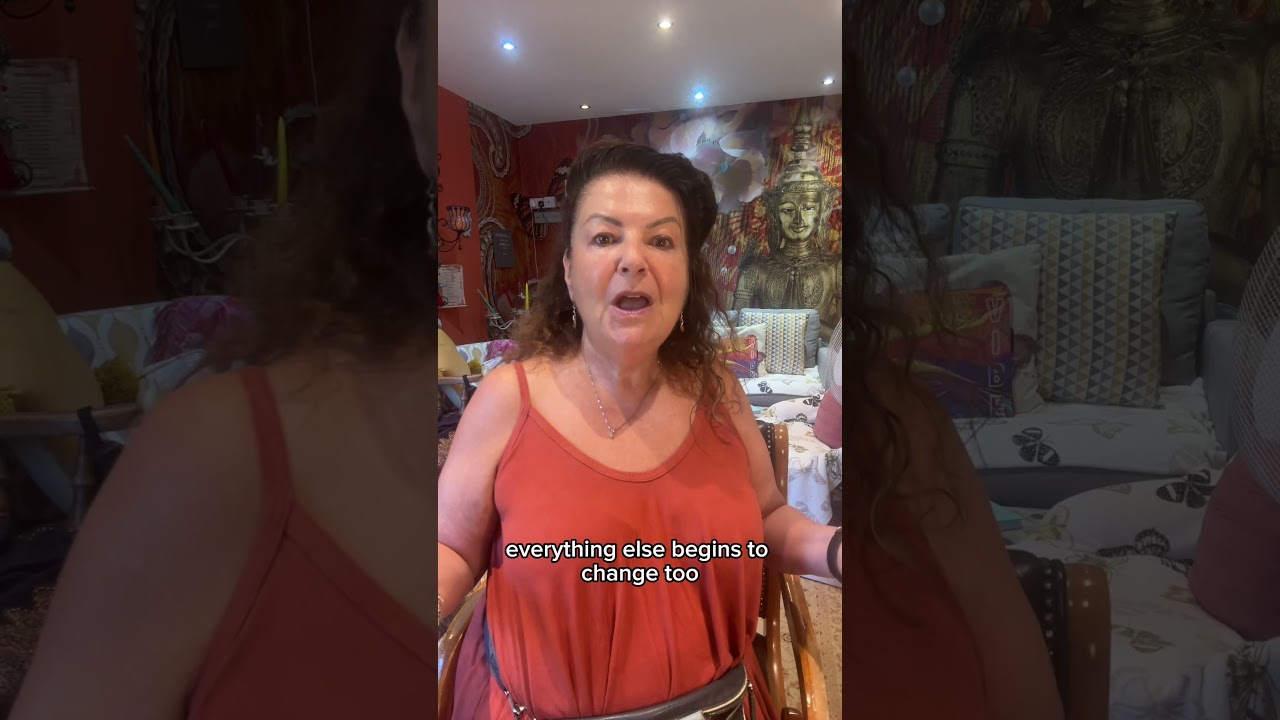
In this therapeutic monologue, Heather Prince shares a client’s story of falling in love as teenagers, marrying, and enduring a cycle of abuse rooted in both partners’ unresolved childhood trauma. The client’s partner, who grew up without a father and experienced physical abuse, continued to express his pain through anger, control, and violence, despite the client’s hopes that love could heal him. The abuse escalated to the point where their eldest child witnessed domestic violence, forcing the child to assume a protective role and later carry the emotional burden into adolescence. Prince explains how unhealed trauma embeds itself in the nervous system, leading to hypervigilance, mistrust, and fear of intimacy in adult relationships. She emphasizes that trauma does not have to dictate the future; healing involves teaching the nervous system safety, rebuilding self‑trust, and breaking the generational transmission of pain. By healing, a woman can change her own life and the emotional inheritance of her children, demonstrating that love can be safe and healthy. The video concludes with an invitation to book a free clarity call for further support.
Chapters
A client met her teenage sweetheart when they were both very young. Like many young women in first love, she saw the good in him, she saw his potential, she saw the wounded boy beneath the surface. What she also knew was that he'd grown up without a dad figure and he'd also experienced physical abuse during his childhood. As a young girl, she believed that love could heal those wounds. Many of us do. We think if we love someone enough, support them enough, forgive enough, sacrifice enough, eventually the pain inside will disappear. But Unresolved trauma doesn't simply disappear because someone loves us. It has to be acknowledged, it has to be healed, otherwise it often finds another way to express itself, sometimes through anger, sometimes through control, sometimes through emotional or physical Violence. The frightened child becomes the angry adult. The powerless child seeks power. The child who learned that love and fear existed together grows into an adult who unconsciously recreates the same pattern. This is how generational trauma continues, not because people are evil, But because pain that remains unhealed often gets passed forward. Over the years, she experienced behaviour that no woman should have to endure. There were moments when he actually left, and moments where she protected herself, and moments she believed things could never change. Yet hope is a powerful thing, and eventually she did take him back, and together they had a second child. And like many women in similar situations, she wanted her family together. She wanted to believe that things would be different this time. She wanted the story to have a happy ending. But trauma That has not been healed rarely disappears simply because we wish it away. And one day, their eldest child witnessed something no child should ever witness. She saw her father beating her mother. Imagine the impact of that moment. A child standing there watching the person who is supposed to protect her Hurt the person she loves most. The shock, the fear, the helplessness, the confusion. For a child, safety is everything, and in that moment, safety disappeared. Eventually, the child found the courage to say the words that should never have been necessary. She told her father to leave. A child stepping into a role that belonged to the adults, a child becoming the protector, a child carrying a burden far too heavy for young shoulders. Today that child is a teenager. Outwardly life may look different but the nervous system remembers. The body remembers. The heart remembers. She struggles with commitment. She struggles with trust. Part of her wants love, part of her fears it because the first relationship model that she witnessed taught her that love could be dangerous, that the people closest to you can hurt you. That home is not always safe, and while we often focus on the visible scars, there is another person carrying the trauma too. My client feels years later that she's still carrying the energetic imprint of everything she lived through— the fear, the betrayal, the disappointment, the grief. The loss of trust, the moments she questioned herself, the moments she ignored her intuition, the moments she hoped things would change. Trauma doesn't only live in memories, it can live in the body, it can live in our beliefs, it can live in the walls we build around our hearts. Many women who have experienced relationship trauma say they want love, yet unconsciously they fear it. Their heart longs for connection, but their nervous system associates connection with danger, so they keep people at a distance. They overthink, they doubt, they stay hypervigilant, they look for signs something will go wrong, not because they're difficult, not because they're incapable of love, but because their body is trying to keep them safe. The beautiful truth is that trauma may Our reactions, but it does not have to define our future. The cycle can end, the story can change. Healing is not about pretending the past didn't happen. It is about releasing its grip on the present. It's about helping the nervous system learn safety again. It's about rebuilding self-trust. trust. It's about opening the heart gradually and safely. It is about recognizing that someone else's wounds are not ours to carry, and it is about ensuring that what happened in one generation does not continue into the next. When one woman heals, she changes more than her own life. She changes the emotional inheritance of her children. She teaches them that love does not have to hurt, that respect matters, that healthy relationships do exist, that safety exists, that trust exists, and perhaps most importantly, she teaches them that their past does not have to become their future. their future. If this resonates, please do go to my bio or the comments for a link to book a clarity call with me. It's free. What have you got to lose?