In this presentation Heather Prince emphasizes the critical need to pause and engage in self‑work after a relationship ends, especially before entering second or third marriages, which statistically have much higher divorce rates (≈60% for second marriages, ≈73% for third). She explains that blended families, unresolved emotional baggage, increased financial independence, and prior divorce experience all contribute to these outcomes. The talk outlines a step‑by‑step process for moving from a shared "we" identity back to an individual "me" identity: (1) rediscovering core personal values, (2) identifying personal emotional and mental needs, (3) establishing clear boundaries, and (4) healing through self‑reflection to recognize patterns and personal responsibility. By completing this pause, individuals gain clearer self‑awareness, communicate needs effectively, and are better positioned to form healthier, lasting future relationships. The presentation concludes with a call to action for personal growth, contact information, and an invitation for further questions.
Chapters
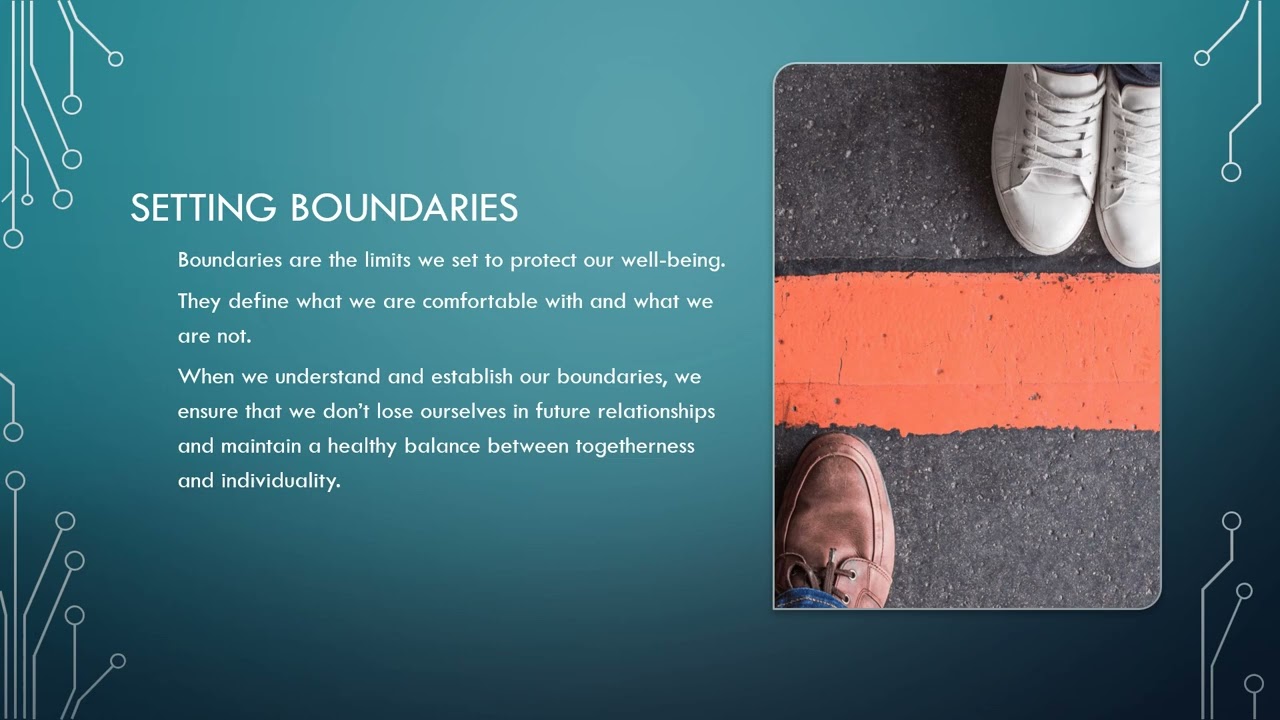
Hello and welcome to this presentation where we're going to talk about the importance of taking a pause when transitioning from being part of a we to being a me. And this topic is crucial because many second and third marriages end in divorce, and this often happens because people don't take the necessary time to learn and let go of the past and do the work on themselves before moving forward. So let's dive into some statistics. In the United States, statistics show that second and third marriages have higher divorce rates compared to first marriages. So second marriages, approximately 60% of them end in divorce, and third marriages, about 73% of them end in divorce. Now several factors contribute to the higher divorce rates. Blended family dynamics, integrating children from previous marriages can create complex family dynamics and conflicts and emotional baggage because individuals may carry unresolved issues from their first marriage into subsequent marriages and increased financial and domestic independence can make individuals less inclined to stay in a problematic marriage and having experienced divorce before Individuals might find it easier to end another marriage when issues arise, and understanding these factors can help in addressing the challenges unique to second and third marriages and potentially improve their success rates. First, let's understand the shift From we to me. When we're in a committed relationship, we naturally start to think and act as a unit. Our decisions, routines, and even our identities become intertwined with our partners. But when a relationship ends, it's important to re-establish our sense of self, our me, and this means taking time to understand who we are outside of the relationship. One of the key areas to focus on during this pause is our core values. These are the fundamental beliefs that guide our behavior and decisions. In a relationship, our values might blend with our partner's. After a breakup, it's crucial to rediscover what truly matters to us individually, and this helps us understand what we stand for and what we need from future relationships to ensure they align with our true selves. Next, we need to identify our personal needs. These are the things that fulfill us emotionally, mentally, In a relationship, we often compromise our needs for the sake of our partner or the relationship. Taking time to understand our needs helps us communicate them clearly in future relationships, leading to healthier and more fulfilling connections. Setting boundaries is another vital aspect of this pause. Boundaries are the limits we set to protect our well-being. They define what we're comfortable with and what we are not. When we understand and establish our boundaries, we ensure that we don't lose ourselves in future relationships and maintain a healthy balance between togetherness and individuality. Healing and self-reflection are also crucial during this period. Ending a relationship can be emotionally taxing. It's important to process these emotions and reflect on the experiences. This helps us learn from the past, recognize patterns, and avoid repeating mistakes. Self-reflection also aids in understanding our role in the relationship and how we can grow from it. By taking this pause to work on ourselves, we prepare better for future relationships. We enter new relationships with a clearer sense of who we are, what we need, and how to maintain healthy boundaries, and this self-awareness reduces the likelihood of repeating past mistakes and increases the chances of forming lasting, fulfilling relationships. In conclusion, taking a pause to transition from we to me is a powerful step towards personal growth healthier relationships. It allows us to rediscover our core values, understand our needs, set boundaries, and heal from past experiences. By doing this work on ourselves, we increase our chances of success in future relationships and break the cycle of repeated patterns that often lead to the end of of second and third marriages. Thank you for your attention. I hope this presentation has given you valuable insights into the importance of self-reflection and personal growth during this transition period. I'd be happy to answer any questions you might have or hear your thoughts on this topic. If you wish to email me, it's heather@heatherprince.co.uk. Heatherprince.co.uk, and if you wish to visit my website where there are many blogs and other podcasts, you can go to www.therootmaster.com.