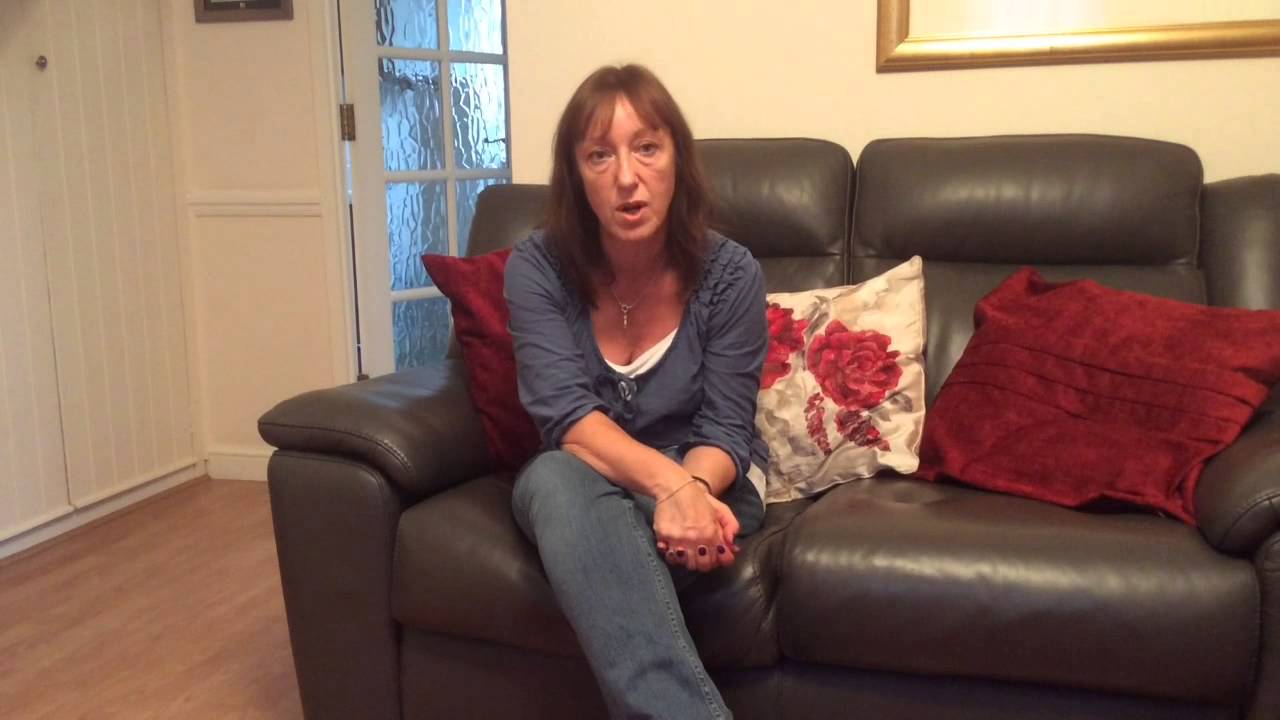
In this interview Heather Prince talks with dyslexia specialist Laura Shone about how parents can identify and support children who may have dyslexia, and the often‑overlapping issue of ADHD. Laura explains that dyslexia is multifaceted, frequently showing up as reading difficulties, avoidance of reading aloud, homework refusal, or disruptive behaviour that can be mistaken for misbehaviour. She advises parents to start with school‑based dyslexia screening, but notes that such programmes may miss some cases, so consulting an educational psychologist or exploring the Davis Dyslexia Programme is recommended. The Davis programme, imported from the US, uses 3‑dimensional, picture‑based learning (e.g., shaping letters from clay) to help dyslexic children ‘own’ letters, reflecting the idea that many dyslexics think in images rather than linear text. Laura also points to the Dyslexia Foundation in London and the book The Gift of Dyslexia by Ron Davis as further resources. When discussing ADHD, she expresses skepticism about quick diagnoses and the routine prescription of Ritalin, arguing that medication may mask underlying dyslexic difficulties without addressing them. She cautions against long‑term medication use and suggests seeking alternative support focused on the dyslexia itself. The interview concludes with practical encouragement for parents to investigate these options and help their children enjoy learning.
Chapters
Hi, I'm very happy to welcome Laura Sean into the interview room today on this programme about parents and children. And Laura, you have knowledge, don't you, with regard to dyslexia? And working with young children with that problem. Can you explain a little bit to parents about how they might recognise what dyslexia is?
Certainly. Dyslexia is a problem that affects many children and many adults. Often it goes unrecognised and the symptoms are unrecognised because dyslexia is one of these conditions that is a— it's like a diamond, it's multifaceted and it has many sides to it. One of the main things that you may notice is that children often have difficulty with their reading. Difficulty— they may choose not to read out loud because of these difficulties. They will often display behaviour traits, for instance Avoidance techniques. They may not want to do their homework, they may play up at school, they may play up at home. Many of these things are often symptomatic of an underlying cause, and don't always think that it's just that your child is misbehaving or is a naughty child. It's always worth investigating to see whether there is one of these underlying causes.
Just So Laura, if there's a parent listening to this interview and they think, yes, my child does display some of those traits, and deep down they know that child is not playing up but there's a deeper reason behind it, what's the next step that they can take?
Okay, there's many options open to parents. Unfortunately, most of them involve seeing some sort of— having to pay for some sort of advice. Advice in schools is not that forthcoming. Many schools do offer dyslexia screening programme, and obviously that's always worth your first port of call, but often these screening programmes won't always show up whether the How do you know if your child actually has some form of dyslexia? Because as I explained before, being multifaceted with many different traits to dyslexia, the one that your child may have may go undetected by any screening program. You can speak to an educational psychologist. The route that I personally would suggest they take is to go on the internet and see if they can find out about the program called the Davis Dyslexia Program.
That's correct.
That's been brought in from America and is widely used throughout the UK now with many facilitators. It's a program that recognizes that dyslexia usually exists because as human As human beings, we all think in different ways, we all learn in different ways, and most people with dyslexia are very much picture thinkers. And for them, the school environment can often be a very difficult place because there's lots of words that are spoken and it's a very 2-dimensional area, whereas for a dyslexic They often live in a 3-dimensional world. The programme, the Davis Dyslexia Programme, focuses on this 3 dimension and focuses on the fact that actually that's what these children need. There is also the Dyslexia Foundation in London who also offer some sort of screening. There is a book that accompanies The Gift of Dyslexia, and it may well be worth looking at the book first. It's called The Gift of Dyslexia, and it's written by Ron Davis. It focuses on the The fact that for many children, they never actually learn their letters, they never actually learn their ABC properly. They may learn the ABC as a song because, as I said before, because within school and picking up a book, that's very 2-dimensional. The idea behind the dyslexia program, the Davis Dyslexia Program, is that they actually It's through working with clay and making these letters 3-dimensionally. And by making the letters themselves, these letters, they actually own the letters.
Okay, Laura, so what about children out there that go to the local GP and they get labelled with ADHD?
Okay, I'm always quite I'm quite sceptical when children are labelled with ADHD. ADHD is, as we know, has many causes, one of which can be the fact that when a child is finding extreme difficulty in learning, one of their ways of coping with that is to display poor behaviour, especially getting up, walking around, around unable to sit still because they can't make sense of what's going on around them, and therefore they don't want to be in that environment. So they might get up, they might start being disruptive, they might start doing all sorts of things. And it's very easy— doctors are very quick to label children with maybe ADHD and also to try and give them medication.
Yeah, they— I think they prescribed something called Ritalin.
Yes.
And what do you feel that does to the child?
Ritalin, I know lots of parents love it because yes, it has the effect of actually calming their child down. What it's actually doing is affecting some of the receptors in the brain and it can change a child's personality. Yes, that on the outside may appear that they're calming them down, but actually they're not actually solving the problem. As such, they're just putting a cover over it. And if the real cover is that there is something to do with dyslexia, and dyslexia and ADHD are very closely linked, then it's probably best maybe to go and seek a way of helping that child through other channels rather than through medication. I'd never advocate the long-term use of medication.
No. Okay, well, that's really interesting and very good information for the parents listening to this. So thank you very much, Laura. And I'm sure they've now got lots of information that they can go to and research and find out what's going on with their child and where to get the help and how to help that child enjoy their education, enjoy the language and reading And everything that that has to offer. So thank you so much today, Laura. I really appreciate you explaining all of that, and we look forward to hearing from you parents out there and letting us know how Laura's chat today has helped you. Well, that was certainly an extremely interesting interview with expert Laura Shawn, and I hope that you found that of benefit. help your child if you recognise anything that Laura mentioned. My name is Heather Prince, bringing you information to take your home from chaos to calm. Thank you for listening.