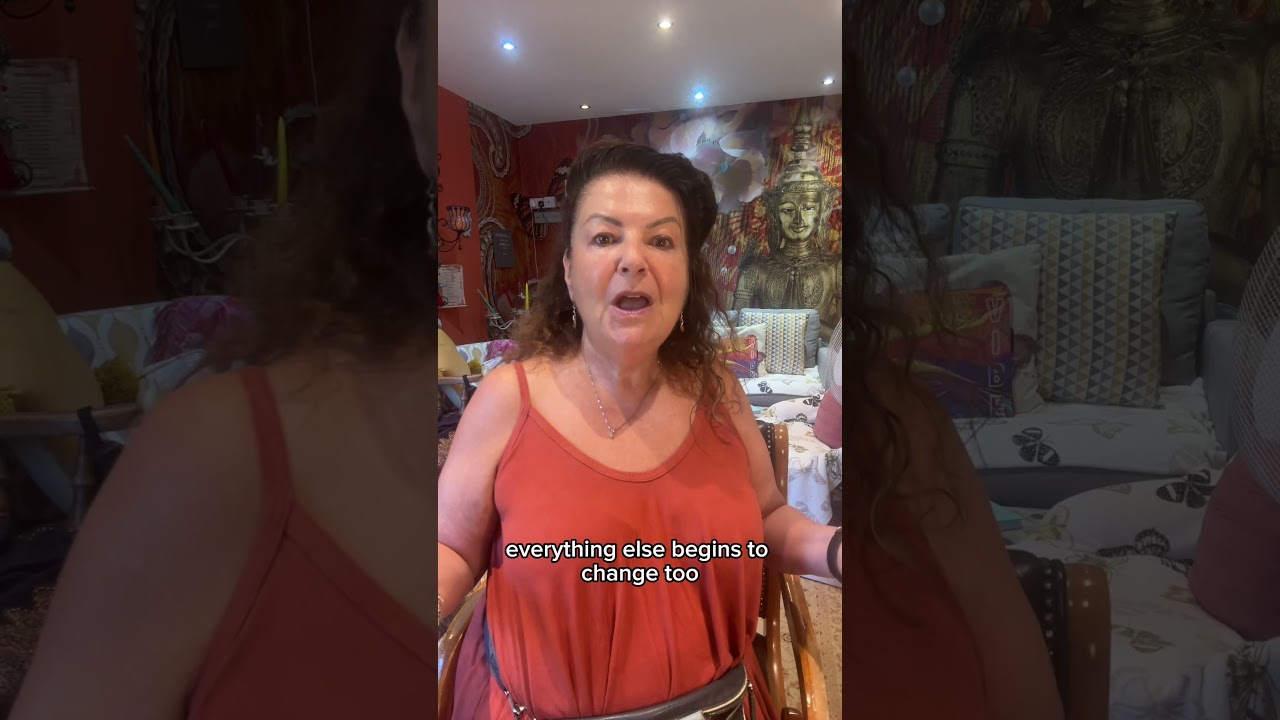
Heather Prince, a meditation teacher with 30 years of experience, breaks down the difference between talking at someone and talking to them. She covers active listening, paraphrasing, I-statements, and reading nonverbal cues to fix the defensiveness and poor listening that derails most conversations.
Chapters
Hello. When people are talking at each other rather than to each other, the essence of true communication is often lost. Heather Prince here, meditation teacher of 30 years and expert at clearing negativity from your Akashic Records. Today, let me explain the difference. Firstly, talking at each other, one-way communication, happens when one or both parties dominate the conversation without seeking input, acknowledgement, or understanding from the other. It's more about expressing oneself than connecting. And secondly, Defensiveness. Often talking at someone comes with a lack of listening. It can feel like lecturing, blaming, or trying to win a point. Thirdly, disconnected goals. The focus may be on asserting opinions, venting frustrations, or simply getting words out rather than achieving mutual understanding or resolution. So what's the answer? Talking to each other, two-way communication, involves active listening, empathy, and a genuine interest in understanding the other person's perspective. And collaboration. The aim is to build a bridge of understanding, resolve differences, and nurture the relationship, plus respect and engagement. When you talk to someone, you value their input and create space for both parties to express themselves meaningfully. So what you can do is practice active listening. Make an effort to truly hear what the other person is saying rather than formulating your response while they're speaking. Paraphrase or summarize their points to confirm understanding. Use I see, statements. Instead of blaming or accusing, express your feelings and needs using statements like, I feel, or, I need. Also, it's good to ask questions. Show curiosity about the other person's feelings, thoughts, and experiences. Open-ended questions encourage deeper dialogue. Be mindful of non-verbal clues, so that's body language, eye contact, and tone of voice. They can either support or hinder effective communication. And take turns— ensure both parties have equal opportunities to speak without interruption. And manage emotions. Stay calm and composed even during disagreements. Taking a pause if emotions run high can prevent escalating conflict and seek to understand, not to win. The goal of healthy communication isn't to be right but to understand and connect with the other person. So practice empathy, aim to see things from the other person's perspective and validate their feelings even if you disagree with their viewpoint. By shifting from talking at each other to talking to each other, you create a more respectful and meaningful dialogue that strengthens the bond in relationships. Communication is not just about exchanging words, it's about creating a shared understanding. So if this has been of help to you, give me a thumbs up, and I'm sending you so much love. And if you feel that you need to work on this, Let's have a free conversation. Just message me and I'll send you the link.