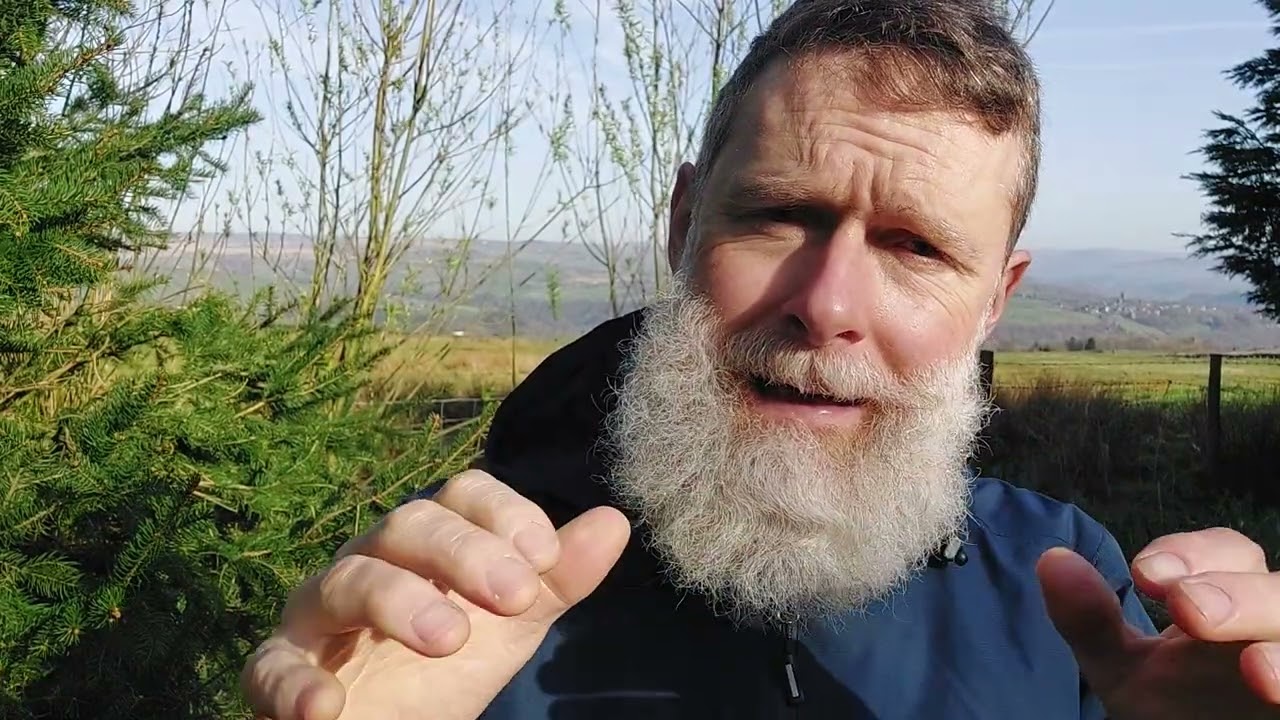
In this announcement video, the presenter outlines a public screening of the documentary "Boarding on Insanity" scheduled for April 18th in Glastonbury, detailing logistics (doors at 6:30 pm, screening from 7 pm to ~8:15 pm, followed by a discussion). The event will be held at the retreat centre where part of the film was shot in February 2024, creating a symbolic full‑circle moment. The speaker highlights the documentary’s focus on boarding‑school trauma, emphasizing recent research that neglect can be more damaging to child brain development than acute abuse. They discuss the concept that trauma experienced in a group setting (boarding schools) can be healed collectively, referencing Peter Sykes’s work and the importance of group‑based recovery. The video also critiques political leaders, citing David Cameron’s shift from family‑focused rhetoric to austerity measures, suggesting unconscious class‑based loyalties stemming from shared boarding‑school backgrounds, as noted by “Alex” in the film. The presenter promotes related outreach efforts, including a live podcast with Public Child Protection Wales, upcoming interviews with Peter Sykes and Helen O'Dell Miller, and urges viewers to share the word‑of‑mouth film, purchase tickets, and join the discussion to further awareness of boarding‑school impacts on education and policy.
Chapters
Okay, welcome. So today I just wanted to offer a few thoughts, reflections, and just to let you know that we are running a screening of the documentary on the 18th of April, and I'll just share some more details. Yeah, so today I just wanted to share That on the 18th of April, and that's between 7 and 9:30, we're going to be screening our documentary Boarding on Insanity in Glastonbury. And it feels like a circle coming back because we are going to be screening it at the retreat center where we filmed part of the retreat. If you have seen the film, you will have seen that we spent quite a bit of time in Glastonbury going up the Tor and then also doing the retreat. And what's lovely is that the retreat we filmed, and this was February 2024, was the first retreat that they'd run At the new center, they'd renovated it, and under Sam Bagaya. So it feels like a lovely connection going back there. So if you are around that area, you know, please do come along. It's not just going to be a screening, there's also going to be discussion and a chance to connect, to talk, you know, about these, these issues, you know. Are our leaders traumatized? And if so, how might it be impacting the rest of the world? And also, you know, boarding school— what is the impact of that on people? And I was talking on a podcast a couple of days ago just about neglect and how these schools are neglect. And there's more and more research showing that neglect is even more damaging to the developing child. his brain than acute abuse. So it's putting these things into context. We have asked some of the local boarding schools to Glastonbury to come, the house parents. Whether they come would be— I'm not sure. But yeah, so far the interest hasn't been that great. So please do share it with people who you know in that area or who are passionate about change. Maybe, you know, around education. No, please do share it. So, you know, I'll put a link to the tickets in the description. So it's between— the doors will open about 6:30. It'll be a chance to meet, have a cup of tea, and then we'll start screening at 7 o'clock. And then that will go on till, like I said, about quarter past 8, and then we'll have about an hour of just discussion and talking and connecting. And I think this is part of it, is this idea that because our wounding happened in community, in a group— it's not necessarily community because community is lots of different ages, but boarding school is very much in, you know, in a group— The healing therefore can happen in a group as well. I'm reading Peter Sykes's book at the moment, Somewhere Never Home, about his work in Oxfam, and he was a third culture kid, went to boarding school, and he's also saying how important groups were for him. Yes, one-to-one work was great, but being in a group of people, especially around addictions, and so yeah, that's what We have been creating in these spaces is a chance for other boarders or people who are passionate about, you know, what's happened to this country. What are our politicians doing? Do they seem to really care about the people? And it would seem by their policies that, well, no, they don't really. And this is often a side effect of childhood trauma. You know, David Cameron, he mentioned that, you know, in his speech in 2006 or 2007 when he wanted to be the head of the Tory Party. It's all about families. We're— Tory Party is all about, you know, creating this importance around families. But once he got elected in, you know, instead of putting £5 billion worth of cuts, they put in £91 billion worth of cuts, austerity measures. So he went totally against what, you know, he said his values were. And so, you know, it's almost like the unconscious, as Alex says in the documentary. He says they just are taking care of their class, meaning the people that they were at school with. They're not interested in the other people. So yeah, please do, you know, come along. I will be going, so it'd be good to meet you in person if I haven't done so already. And yeah, also got a podcast going live this Friday with a group called the Public Child Protection Wales, which is a group of parents and teachers and criminologists who gather together who are like, you know, what's happening in schools at the moment with Sex education is a disgrace, and they're just showing some of the evidence, which is you know that this is actually grooming our children, and it's you know it needs to stop. And it's it's a really another really powerful conversation. You and then next Monday I'm interviewing Peter Sykes, and then I'm also speaking to Helen. Helen O'Dell Miller about her work as well. So she was a colleague of Joy Shari and an amazing lady. So yeah, um, be great to see you, and please do share this. You know, this is, as I say in the documentary, it's a word-of-mouth film. We can't get this message out there without your help. So, um, you know, let's keep these conversations going. And, uh, yeah, okay, thank you. Take care. Okay.