Wild: From Lost to Found on the Pacific Crest Trail | Holly Furtick Book Club
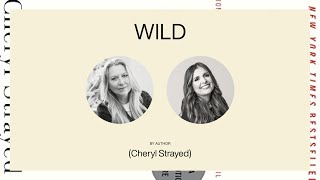
Cheryl Strayed talks about hiking the Pacific Crest Trail solo in 1995, a thousand miles that became her memoir Wild. She waited years to write it, published Torch first, then Wild in 2012. The conversation covers why she hiked, people she met, and how she learned to walk in boots that destroyed her feet.
Chapters
In 2018, I had this great idea.
To start a book club, mostly because I love books. I particularly love audiobooks, and I love.
Forcing them on other people and then talking about them.
And so I started this book club, and I just put it out there on Instagram and said, hey, read this book, and then let's come together and chat about it. And I wanted to share the those chats with you here on my YouTube channel. So I hope you enjoy this video. Look, guys, it's my best friend.
What's up?
What's up, everybody? Tell them what we're talking about.
I haven't showed him the book yet.
Tonight we're talking about Wild by Cheryl Strayed.
Wild was the very first audiobook that I ever listened to, and it was probably about four years ago, and I was so hooked on this story that. And if you have read. Haven't read Wild, I'm about to. We're gonna give spoiler alerts, but it's a memoir, so spoiler alerts are okay. And memoirs. And you might want to watch this later if you really want to read the book. But I'm not going to give any, like, terrible spoiler alerts. But anyway, the scene. The scene where Cheryl's. You think that she's about to be raped by these crazy hunter men. I was sitting in my car, running. I was running errands, driving around, and I pulled up to the store, and I was sitting in my car, and I could not turn the car off, and I could not go in because I was so into this story. And like, oh, my gosh, she's made it this far in this hike, and now this is about to happen to her, and I was so into it. I don't know if you're like me, but I just feel like Cheryl did such an amazing job of placing you in the story with her. I mean, my feet hurt, I was thirsty, my hands were sweating when she was trying to go across the ice. And I was so scared for her. And I was just so into this book. And it's. It's a book that made me fall in love with audiobooks. I will tell you, the book, if you haven't read it, is about a woman, Cheryl. It's her memoir. This is a true book, who sets out to hike a thousand miles of the pct, which is the Pacific Crest Trail, which is like the Appalachian Trail. We live in North Carolina, so we're all. The name of the book is Wild by Cheryl Strayed. So in North Carolina, of course, we're very Familiar with the Appalachian Trail, but the PCT actually runs from Mexico to Canada, weaves through all of the national parks, the Mojave Desert, the High Sierras and lots more. So she decides she's gonna hike this, this 1,000 mile, three month long hike. And the best part about it is she has never done an overnight hike before. And what I loved about this book is I felt like there were three elements to the book. There was the. Cheryl's backstory, where you're tracing, like, why was she. Why did she feel compelled to do this hike and what had led her to this and what had gone on in her life. And you find out that her mother has died rather suddenly from cancer and her life has sort of spiraled out of control from her grief and she ends up making a lot of decisions that she regrets and she ends up doing heroin and just really needing, feeling compelled to do this hike to really kind of. I don't know if she would agree with this, but reset her life. And so there's the backstory where you're going back and forth in the book and you're learning more and more pieces of Cheryl's story. There's the actual hike where your feet are hurting and you're thirsty and you're suffering with Cheryl and you're scared with Cheryl all along the way. And then the best part of the book to me, the most redeeming part of the book to me is the element of the people that Cheryl meets along the way. And I just, I love all of the characters that she meets and the healing that they help her find, not directly, but indirectly. And just the humanity in the book. I just, I thought all three of those elements came together so beautifully. And, and you get to the end and Cheryl's sitting on this bench and she's just like in awe that she's. That she's done it, that she's completed this hike. And I remember having tears in my eyes and just feeling so, so happy for her and, and the healing that she experienced. And so, Cheryl, if you're on, I'm about to get you. I'm about to bring you on so we can talk with you. Because to me, we read a lot of books. We read a book a month just about in this little book club. And a lot of times, most of the time lately we've been able to convince the authors to come on and chat with us.
But.
But one of the greatest things about reading a memoir and getting to chat with the author about the memoir is you actually get to Ask them, like.
Where are you now?
What are you doing? And tell us about what happened after you sat on that bench. So that's going to be my first question that I'm going to ask Cheryl.
Okay.
She says she's here and let's get her on.
Here we go.
Hi, Cheryl.
Hi, everyone. Hi, Holly. How are you?
I'm so good. Thank you so much for doing this. This is like the best. I just, I can't believe that you got on and you're going to chat with us. It really means a lot to me.
Thank you. I'm so thrilled. And thank you for all the sweet things you said about Wild and the comments here I've been reading. I'm so thanks for all the kindness.
Oh, you're welcome. I mean, what a great story. I love stories of people's personal triumph. I love reading about people who survived different things, whether it's the Holocaust or trying to think of, you know, just great memoirs like the Glass Castle and just great books of people's true life stories where you feel like, wow, if they. I think it inspires me to know if, if that person could overcome the things that they've overcome, then I can overcome the things that are in my life. I think it always just means a lot to me. So, like I said, one of the best things about getting to chat with the author of a memoir is we get to ask you, like, where are you now? What happened? Because you pretty. You abruptly ended Wild. I mean, all you said was, so, yeah, I'm sitting on a bench. And then, I mean, you gave us a little bit of. Said that you got married and you had two kids. But like, yeah, what happened between. Because your hike was in the late 90s and the book.
90S, actually, the summer of 1995.
Yeah, okay, 1995. I was 15. That's amazing. So 1995. And then the book doesn't come out till almost 20 years later in 2012. So what happened?
How.
Just bring us up to speed quickly of what happened in all of that. In between.
Well, a lot of things happened between the end of my hike and the publication of Wild. But, you know, it was. I really, obviously, when I was writing Wild, I was really mindful that it was a book about that era of my life, about my 20s, about that hike in particular, and the things that I'd gone through in the years before the hike. So, yeah, I didn't want to. I didn't want to tell, you know, the whole story of what happened afterwards. I tried to tell a Little bit of it. But in brief, what's happened afterwards is I became a writer. I. Wild was my second book. After my hike, I set about writing my first novel and did. It's called Torch. It was published in 2006, I think, or five, I don't remember. And I met the man who became my husband just nine days after I finished my hike on the Pacific Crest Trail. And we fell in love and got married and had. We have two kids, a boy who's 16 and a girl who's 14. And, you know, I basically that. That experience that I wrote about on Wild. That hike, it was really, for me, the experience that sort of set me back on my path. I really think it wasn't that I became a different person over the course of the hike. It was that I had been wounded and by my mother's death and other things. And I. That time on the trail was healing and it brought me back to my strength.
Yeah, I. I just. I was telling my husband this week, I said, one of the cool things that I. I feel like came about from your story is, well, first of all, the idea that you did this hike in the 90s. So there was no. There's no cell phone. There's no Kindle. There was no. There was. There was no nothing. And we live in a day and time where I feel like a lot of times we share our experiences before we fully even get to process them. And so when I started thinking about you being on this hike, you didn't do the hike so that people could follow you on your journey. You know, there's so many people who do things like this now, or they travel the world or whatever. Everything is about their photography and their, you know, their journey along the way and you following them step by step. And none of those things are bad. I mean, that's the day and time that we live in. But I think a lot of times I find that I cheat myself from the things that. The experiences that I have of what they can do in me and for me by sharing them too quickly. And so you had so much time. I don't feel the book. I think that's why the book resonates with so many people, is it doesn't feel like you did this hike so that you could write about it. You did the hike because you needed it for yourself.
Right? I wanted to have that experience. And I think that. That you're so right. I mean, when I was on the trail, not only were there no cell phones or there wasn't even most People didn't even know what the Internet was, you know, so it wasn't like we were all connected to each other. When I was out on the trail, I was really, truly alone.
Alone.
And you know, it. Nobody, like, nobody knew exactly where I was. And that's such an amazing feeling to be, like, walking in the wilderness and thinking, like, the only way I can contact people is if I run into them out here. Or I get myself to, like, a payphone, Remember payphones? And I could call somebody or write somebody a letter. And it was really genuine solitude of the sort that we don't have very often anymore. I mean, even now. I love to hike, and I want to say, I'm so sorry you didn't get your 40th birthday hike.
I hope you get it.
But I love to hike, but, you know, I always have my iPhone in my pocket. And, you know, there's a way that you're, you know, you're out in the wilderness and your phone dings, and then you've got a text from somebody, and it's. I really kind of feel so lucky that I got to have that kind of solitude that I had. It's amazing, you know, that I wrote about in Wild.
So what made you. When did you know that you needed to write about your experience from the pct?
Well, so, you know, I always knew that I was a writer. It's my calling. And so when I was on the pct, I knew the book that became my first book, Torch, was like, this book I was writing to my head. And I had been a writer before I went hiking. And so I worked on that. And then by the time I. I finished that and by the time it was published, I had two kids under the age of two, and I thought, okay, what should I write next? And my husband was always like, you gotta tell the story of your hike. And I would always say, well, you know, until I have something to say about that. And, you know, and by that I mean until I can really understand what that experience was, not just to me, but to us. You know, a writer's job is to make a character, whether it be yourself or a character you invent and write about the deepest humanity, that universal. Those universal truths that connect us. And until I really had that kind of awareness of what that hike really meant, I wasn't ready to write it. So I wrote it exactly when it was time to write it. And it took me some years to have that perspective and to develop the writing chops to tell that story as well.
Well, you Told it. You told it beautifully.
Thank you.
Okay, so I have a couple, like, quick questions for you, follow up questions and speed rounds. Yes. And I'm going to. If people. If other people have any other, like, questions, small questions that you have about the hike, then go ahead and comment and I'm going to try and read them. But. Okay, so you kind of answered this. Do you still hike?
Yes, I still hike and I love hiking. It's really my favorite thing to do when I get to do things.
So do you. Do you still do overnight hikes or do you just do day hikes?
Yeah, so I've done a few big hikes since the Pacific Crest Trail. None as big as that one, but, you know. Yeah, the most recent one was about a year and a half ago. My family and I went to New Zealand and we hiked. We backpacked the Milford Track and the Root Bern Track, and it was amazing. Like, it was so, like a couple weeks of hiking.
Okay, so have you found boots to fit your feet correctly now?
Well, see, that's the problem, right? I mean, I was young and kind of dumb. Like, I should have said right away, like, these boots aren't working. That's what I've learned is when I start to get a blister, I immediately stop and treat it. And I don't continue to wear shoes that hurt me. So, yes, I have actually found boots that. That don't hurt me anymore.
Everybody wants to know, are your feet healed? Like, I can't tell you how many people have commented, are your feet okay? This is like 30 years ago. Your feet are so funny.
Yeah, so, like, yeah, it'll be. Is it 20, 25 years this summer? Is that what it is? Yeah. Yeah, 25 years. So I. All my toenails grew back as, you know, I lost six toenails. But it took a while. Like, it took probably, I mean, a couple of years before they were back to normal. Now they are just fully restored.
So good to know. Everybody needs to know that. I have to tell you that I. You made me paranoid about boots because I also went to REI and did the whole little thing with where you stand on the little fake rock. And I'm like, I don't know. I think they feel okay. And then we did like a we, my husband and I, when we still thought we were going to hike. We did some little local, like, practice hikes or whatever because we're not big hikers at all. We like to go for walks with each other. But I do have a great appreciation for the national parks. Shout out to my mom, who's watching, and my sister. My mom and dad took us to 49 of the United States before I turned 18. And we went to all the national parks, like, we camped in all the national parks. So, anyway. Okay. People are asking, tell us about your backpack. I heard you say, I think on an interview with Oprah, you still have the backpack?
I do. It's in my basement. I should have brought it. I should have brought it up here. I could have shown you all. Yeah, my backpack was very heavy. You know, I made the. The novice mistake of like, just taking too much stuff. And plus, it was 1995. It was really, honestly before this era of like, ultra lightweight stuff. Yeah, I mean, if you, if you see backpackers from like the 70s and 80s, they're always. They've always got these huge, heavy frame packs. And so when I went hiking in 1995, it was sort of the end of that and the beginning of the other, you know. So, yeah, I had a very heavy pack. And boy, you know, people always ask me, like, well, would you do it differently now, like, if you could go back in time? And I think that the answer is no. As hard as it was to carry that heavy pack, I think in some ways it was exactly what I needed. Like, I needed that extreme challenge. I needed in some ways for it to be super hard and for me to be able to show myself that I could be. That I could do it, that I could be strong even when I was suffering.
There's so much symbolism in the. The whole. The backpack and the burden and the suffering of what you were going through, but I thought you did such a great job. One of my favorite things in a book is when an author takes a non human item or animal and makes them a character. Like, I don't know if you've ever read what's coming to mind, the Lonesome Dove. I don't know if you've ever read that book.
I read it many years ago.
Yeah, I read it last summer for the first time and loved it. And so great. The horse, you know, the guy's. The horse is called the Hell Bitch. And the horse in and of itself is like a character in the book that you love. And I sort of feel that way about your backpack. Only it was a character that I kind of hated because you would talk about the blisters all over and monster and the whole thing, but it had so much beautiful symbolism to it that I just. I thought it just wove the story together so beautifully.
Okay. You know what's so funny about Mon? So I called my backpack Monster in the book, as you know. But what was funny about that is that's what I called my backpack. Like, you know, I actually. As I wrote in the book, I gave it a nickname. It was Monster because it was this monstrously big pack. And it wasn't until I was writing Wild that I was like, oh, my God, this is, like, so. It's so symbolic. It's like, literally, you know, I'm carrying my monster on my back, as we all are, I think. And so I was. But it was funny how it was just. It wasn't symbolic in real life. In real life, it was just like. You call your backpack monster when it's super heavy.
Right. You weren't trying to give it a character. But then it. It became what it was.
Yeah.
The scene where you put it on for the first time, it was. I was laughing out loud, and I just. I thought it was. So. Somebody's commenting about Wilson, the volleyball. You know, the volleyball from Tom Hanks, his movie. What's that movie called? Castaway.
Oh, Castaway.
That was like, his friend. Monster was your friend. But I just. I loved it in the movie, too. It just made everything come alive. And how didn't. She did. By the way, what does it feel like to know that when people are reading your book now that they picture you as Reese Witherspoon? Because you are Reese Witherspoon to me. I almost, like, I told one of my kids tonight, I was like. I was showing him, like, clips of the movie, and there's this on YouTube. There's an interview of you and Reese Witherspoon sitting next to each other. And I was like, I'm interviewing her. He was like, you're interviewing her? And I was like, no, I'm interviewing Cheryl. But that's the person that I pictured the whole, like, the second time. And I read the book this month again, which I loved it just as much the second time as the first time. And I. But that you were Reese, that's a pretty great accomplishment.
She's so wonderful. We're dear friends, and I love her. And so if anyone wants to picture Reese as they read the book, I'm nothing but honored. She's a wonderful person. And that scene where she's putting on the backpack in the movie, it's just exactly like the book and exactly like life. And I was on the set of the movie all the time. And I remember before they shot that scene, Reece was like, okay, so show Me how? You know, show me how you put it on. And it was like, no, that's the magic of it. Like, let's actually weigh it down with all this real weight and then just try to put it on. Like. And that way you don't have to act, you can just wrestle with it. And that's what we did.
And then when you in the part where the people you got you hitchhiked for the first time and they just drop your backpack off on the ground, I was just like, oh, my gosh, how is this woman gonna do this? It just was so, like, just such great. It just gave such amazing life and picturing to it. Okay, so one more like kind of shorter question and I've seen several people ask, can you give us a quick update on any of the characters that. Were you able to find them later in life? I know you said one person specifically asked, did you ever see Joe again? And then also I know you said, was it Greg that passed away? Is he the one that.
No, no, Doug. Doug passed away.
Gotcha.
So, yes, I mean, so Greg. Greg's real name is Roger Carpenter. And you. But his Internet handle, you can follow him as Greg in Wild. What happened? You know, when I was writing the book, if I could find any of the people who I met on the trail, like, I would get in touch with them and say, hey, I'm writing a book. Do you want me to use your real name or change it? You know, but if I couldn't find them, like Roger, I couldn't, I couldn't find him. His name is Roger Carpenter. And I googled him and, you know, I couldn't find him. But like a week after Wild came out, he was like, Cheryl, you know, he emailed me. So, yeah, I've reconnected with a ton of people who I wrote, like, people who I met on the trail and then, you know, some people like, sadly, I learned when I was in that process of looking for, you know, Doug, I learned that he had died seven years after our hike. Joe I did see a couple of times after my hike and I. And the last time I talked to him, he had actually spent a year in a drug rehabilitation facility and was clean and doing well. But I haven't talked to him for a long time, so I don't know. But, you know, a lot of the people, my ex husband and I are on lovely terms. He is married and has two kids and a happy life. And we are, we, you know, hold each other in absolutely loving and high regardless. And who else My siblings are doing okay. And, you know, we're all. You know, we've all come across this distance and grown and changed. And, yeah, it's been, like, a really interesting journey to not just write about all those people then, but then reconnect with them. In the years since Wild was published, I've had a lot of beautiful reunions.
So some of my questions.
I don't.
I feel like if people want to hear, like, the super deep questions, they can go watch your super soul interview with Oprah. Some of my questions are just super selfish. But I really want to know also, how did you pick the books that you mailed to yourself? Because I find that selecting a book to read can be really stressful. And that's why I love having a book club, because I. There's. To me, there's nothing better than a friend that you trust, their literary choices. Who. Who says you have to read this book. You're gonna love it. Because there's also nothing worse than feeling like you wasted your time reading an entire book that ended up not you not liking it. And so I can't imagine the stress of selecting books to read along the trail. Cause that was, like, a huge piece of your journey was that book.
Yeah, that was, like, the only entertainment I had, you know, because, like, honestly, it was like, me writing in my journal and reading books, like, that's the only. And then maybe if I did meet somebody else on the trail that day, I could talk to them. But I wish I could. I wish that. You know, it's funny, because I never imagined that everyone. So many people would know about my hike. And I wish I had some, like, you know, process that I went through. But to be honest, what I did is, you know, like. Like a lot of writers and avid readers. I have, like, so many books on my bookshelves that I want to read, but I just haven't gotten around to reading. And before my hike, when I was, you know, packing up all these boxes that I would mail myself, I just sort of walked along my bookshelf and just pulled off like, oh, I've always been meaning to read Lolita. I've always been meaning to read the Dubliners. I've always been meaning to read. And I would toss one book in each box. So there wasn't really any. There was nothing. You know, there was no science to it. I didn't overthink it at all. And I was lucky that I chose pretty well. Like, there wasn't one book.
I was gonna say, was there a book that you were like, why did I pick? There was only one.
No, there wasn't one.
Oh, there wasn't one.
All the books. Yeah.
That's pretty lucky. You got really lucky.
I mean, they didn't all end up being, like, my favorite book, but there was not one book that I was like, oh, my God, this is a ridiculous book. Like, I. I actually love them all. Huh.
That's amazing. Okay, so you said this thing in the. In the book, you said that you were 50 days into your hike and you still didn't feel like a real hiker. Do you remember saying that? I think that's so interesting, because I feel like we all experience that in our lives to some degree, like, whether it's your job, um, and you still don't feel like you're a serious. Whatever, teacher or mother or. How did you overcome that feeling? And do you consider yourself a legit hiker now?
Absolutely. Yeah. I mean, I think. Yeah. No, I'm. I'm an expert hiker, you know, and I think to just say that, to say, like, I know what I'm doing is a really powerful thing. And I think especially for women, and especially for women in activities that we very often associate with, like, well, men are better, Men are stronger, Men are faster. You know, And I really felt like, okay, I'm inexperienced. I'm this kind of, like, dumb girl on the trail. And then I realized, like, I was undercutting myself, and I had done all of that. I had covered the same miles as anyone else.
Right.
And just because I had a lot to learn didn't mean that I wasn't doing it just as well as everyone else. And so I think for me, one of the most powerful decisions that I've made over and over in my life in many different ways, is to say, I will not insult myself. I'll say, you know what? I did this. And I didn't do it perfectly, and I didn't do it as well as maybe somebody else might have, but I did it, and that's what counts. And, you know, so that's really. I have to remind myself of that a lot.
Yeah, I think we all struggle with that. And it's always so helpful when people come alongside you and encourage you and say and say things. I think that's what's great about even having friends that can say, oh, you're so great at that, or a husband or whatever, to really, like, speak that into yourself. Okay, I'm running out of time, and I want to ask you. I have so many questions on Here. Okay, here's one that, if you can answer this quickly, one of the little things that you talked about was how when you were imagining the hike, you imagine that you would bathe in lakes and ponds all along the way, and in reality, you, like, did not bathe for days and days and days on end.
Hardly ever. Yeah.
What else did you romanticize about it? That. That, in reality wasn't. Wasn't like that. But then maybe what were some little surprise things that you still haven't forgotten to this day?
Well, I think, you know, every. Every time I've ever traveled, whether it be the hike or other trips, like, we tend to idealize the way something's going to be like, oh, it's going to be so fun when we go to Paris or Thailand or, you know, that Pacific Restaurant, and we'll do this and we'll do that and the other thing, and then we get there and it's like, you know, it's hard to hike. It's really hot. You get diarrhea because you ate the wrong thing. Your luggage was lost. You know, I really think that part of travel is embracing actually the uncomfortable stuff, the things that aren't the idealized version of what it is. And so. And what happens is the things that we often remember the most or laugh about are the things that went the most the wrong way. So, yeah, so much of the PCT was like that for me, where I was like, okay, I didn't realize that this was going to be so hard and so alone and so extreme, and yet everything about that extremeness is the best thing about the trail. Because, you know, like, the little, like, you say, what's the thing I always remember is, you know, I remember how fun it was to be miserable. I remember how fun it was to endure the hard times and then say, I did that. I did that. And wasn't that amazing? You know, and that's what. That's what we go to the wilderness for. I think it's what we. Why we travel, too.
I love it. I love. I love how you didn't quit because I think it really inspires people. I love how you answered the little voice in your head that somehow just called you to doing this hike. And you, like I said earlier, you didn't set out to go like, this is going to be my reset. This is going to be this. I'm going to be alone and I'm going to find myself. You just somehow knew that you needed to do it. But then I heard you say in an interview that the reason you didn't quit was because of what you thought your friends would. Would think of you. Your friends and family. Like, oh, there's Cheryl. She said she was going to do the hike, and that was one of the main things that kept you from quitting.
Yeah, well, it was all those things. It was the little voice. It was the not wanting to, like, disappoint others. It was like, you know, I think that it's so important to really kind of push yourself to go forward. I mean, almost everything we do that's. That's worth doing, we sometimes feel like, I want out.
Yeah.
I want to stop doing this. Right. And then you persist and you endure and you wait another day, you take another breath, and almost always it's worth having held on. Right.
So true. Okay, last question. We love to talk about titles in our book club. So give me. You know, how did you come to this title? And how did you know this was the title, that this was the right one? Was it easy? Was it hard?
So I wanted to find a title, a word or a phrase that captured both parts of the story. Because, you know, there's the wilderness hike. Right. But there's also the deeply, deeply emotional story about grief and about loss and about redemption. And I was in a book. I was in a writing group with the thriller writer Chelsea Kane. I don't know if you've ever read her. And she and I were just sitting around her living room, and I was like, how do. What's the title for this? And so we were brainstorming. We were like, the Nature of Love, the Nature of Loss. And then suddenly she said we couldn't come up with the idea. I left her house. Three hours later, my cell phone rings, and she said, cheryl, I have it. And she said, wild. And I was like, yes, it's perfect. And there was never any doubt about that going forward.
That's so awesome. It really does have a beautiful double meaning to it. And, you know, on the surface, you get it. The COVID is awesome with the boot. I mean, I actually, I don't say this about a lot of books, but I remember seeing this book in Barnes and Noble with the boot on the front and thinking like, oh, I think I might like that book. Just everything about the title and the COVID is just. Just so well done. And so you are welcome. Thank you so much for joining us tonight. One of my friends, she commented on my Instagram today, she said that she hiked 50 miles. I think she said 50 miles of the Appalachian Trail on her fiftieth birthday after reading your book.
Oh, cool.
I just can't imagine how many people that you've inspired to get outside and to. And to just really be alone with themselves and their thoughts. And it's just. It's just a beautiful story. And I'm so, so happy for the life that you have now and all your. And all your other books. I was flipping through the one Dear Sugar, which is. Yes, this is great. So thank you so much. We really enjoyed your book. And thanks for hopping on with us, Holly. Thank you.
And thank you all the people who are watching now. And happy 40th birthday.
Thank you.
Get yourself to Mount St. Helens and hike up that mountain Draw.
I'm going to. I'm going to. I've told too many people that I'm going to, so I have to.
I gotta do it.
All right, thanks, Cheryl. Bye.
Bye, Sam.
More from Holly








The Ultimate Packing Guide: Nurturing Your Soul with Gratitude for the Journey Ahead


