Commercial Lines Quoting
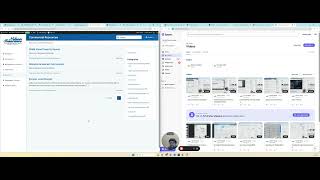
Hunter Nelson walks through commercial insurance quoting from start to finish. Learn the portal workflow, key coverages like general liability and workers' comp, how class codes and payroll affect pricing, and what goes into ACORD forms and submissions.
Chapters
All right, I'm going to teach you guys how to quote commercial lines. Now there's a lot of different lines here to commercial. So we're run through, you know what the different lines are all type of stuff and run through a chord forms, how to quote the quote, everything. So go through the first step here in the portal. You've got a lot of stuff here. So for commercial resources, right, how and when to pull in VRs choosing the correct class code. What is a captive? A captive is like almost building your own insurance company. If you're large enough, you just gotta be above like 500,000 premium. I've got all those steps here and we got in here quoting a CPP, which is a type of policy. Got quoting a BoP, general liability, how to quote word comp. Basically everything in here going for the aor. So sales, deal processing audits. Audits are anything with the exposure that comes from revenue or payroll. So you can audit a general liability because it has the exposure of revenue. And since there's that exposure, that is only going to be updated based on just being truthful. Like they're not going to ask you every year what's your revenue or you're not going to go input it every single month. So then they're going to audit you and see what your actual revenue is. Because people lie. Same deal goes for work comp. Let's say, hey, I'm doing a hundred thousand in work comp or in payroll this year. Well, they're going to charge your work. The, the premium for the work comp is based off your payroll. Well, you're not just going to go, oh, I want to pay more insurance. Hey guys. Hey insurance agent. My, my payroll is now 200,000 this year. The company is going to audit you and figure out the actual payroll was for the last 12 months and then charge you more based on what you did. So it's always good to keep that thing updated. Especially they go on to hire like five employees or something up to that ahead of time. So they're not getting a massive audit bill. So a quick example on that is, you know us. For example, I hired went from like three employees to eight if I had work comp. Well my payroll would be through the roof. If I had updated my work comp payroll or my payroll, my work comp policy. Every time I hire an employee, my monthly statement, my monthly bill would automatically update. If I wait until the end of the year, let's say I pay an extra 10000 work comp and I have a 5% rate. They're going to hand me a $5000 bill for my work comp. So it's better to update the stuff throughout the year instead of wait for last second because they're going to get handed an audit bill. So let's just go through first deals here the quote guidelines and standards. So for general liability we always do bare minimum of a million. It was a million per current. So per claim 200 or 2 million aggregate, which is how many claims could turn per year. Turn four or five hundred thousand dollar claims never go below this. People will want to go below it because I'm going to be cheap skates. But million dollars is already pretty dang low. Fire damage minimum, which is premises rental to you. 100,000. That's pretty standard. 5,000 medical payments damage premises rented to you. It's not like a renter's policy. Where I rent this building, it's not going to cover a hundred thousand dollars at this. If I cause a fire in this building, it is for renting somewhere for seven days or less. The building needs to be insured by the landlord. Approval by the principal must be obtained. If you're going to write something with two or more losses. We're not writing garbage business here. For accounts that have more than three policies for parents and the insurance company, we always work policies 45 days at least, preferably 60 days to renewal. Renewals must be processed after the account review. So do that 60 days ahead of time. And we always include hired slash non odd auto on the general liability on all that stuff. Hired or not on auto is very important as a general liability. Because anytime that an employee or they use their personal vehicle or anything for the business, running to the bank, running an errand, going to a meeting for the business, they can be sued for that. So general liability can pick that up. It's really cheap. And that's the last thing you want is the ownership of the personal vehicle covered by a personal policy. And they sue the biz this person they hit sues the business because they know they own a business. Nothing would be covered. There was cool replacement cost on property unless it is not an option by the carrier. So unless things like 150 years old, we do ACV. Don't ever screw anybody over with ACV unless you absolutely have to. And if they have ACV, you have to make them aware like hey, this is basically an option. We must always hit the coinsurance threshold. You know, we don't want to insure somebody for that owns a million dollar building for 500000 because they're going to get screwed at claim sign. If you're not being the co insurance threshold. Some are 100, some are 80%, some or whatever. Right. Let's say you have a million dollar building, you insure 500000 and it's 80% coinsurance threshold which means it must be insured for at least 80% of the rebuild cost. That's the co insurance threshold. If I insure for 50, 50, so 500,000, I'm not going to get 500,000 claims time. I'm going to have every single claim I turn in cut in half on the payout because I'm insuring for 50%. So if I turn a hundred thousand dollar roof claim I'm going to get 50,000 payout. And that's not even including the deductible yet minus the deductible too. So you really could be put in a tough spot very very quick by not insuring for the threshold. It also could be too for the for the final payout if the whole building burns down. You're like oh great. 500,000 coverage. What I want now it's be 500,000 times 0.5 because it's even not missing or it's still not even meeting the coinsurance threshold. So everything's be under co insurance threshold and it's just math problem. If you're for 400,000 everything to be paid out 40%, 700,000 70% minimum limits. What we do for general liability or for auto never go below a million unless you know you get my approval comp inclusion. I rejected signed a waiver. This is not true. I need to update this. This is a little bit updated but there needs to be some sort of signature. Signature. It's something. You'll see this in the binding procedures just for coverage that they reject. If the client has a vehicle under the personal name they must have a lease signed to the business or transfer the title to a business name. You can't insure personal auto under commercial auto and vice versa. So there's the insurable interest. It's owned by Hunter Nelson me and I have my business hand Incorporated dba Nelson Insurance Agency. I cannot insure my personal auto under the business because the business doesn't own it. There's no insurable interest. I'd have to lease it to my business or I have to transfer the name to my business. If it is used for business operations like I have the thing wrapped. I go to meetings sometimes. I really should Insure another commercial auto because there's no coverage for that stuff. Now granted I do have hired a non on auto so I have some liability that kicks in on that set. So I'm fine. But if your contractor, anything along those lines, there's gonna be lots of exclusions that come into play with commercial auto so. Or with, with personal auto if it's a commercial vehicle. So make sure it's insured, right? Make sure you have insurable interest on them. So those are the coverages here. I do have all the lines of business explained in here. Never mind. I do not. So I'm going to add a post here with all the lines of coverage explained after you don't watch this video, go watch that. To give you guys a basic breakdown of all the lines of coverage that can come from commercial lines. I'm going to just explain it to you quickly here. General liability is the basic liability of the businesses it offers premise liability, typically it is, it is insurance covering operation. It's insurance covering the operations of a business. So if I am an insurance agency, it is going to cover bodily injury and property damage. So if somebody walks in here and gets hurt is going to cover medical payments. So it's, it's a minor form of the bodily injury and property damage. It's going to cover personal injury and advertising injury. So if I go, let's see here, if I get sued for advertising, it's going to cover that personal injury is hurting somebody's name. So if I were to go and start throwing shade at Aqua Shirt, the agency right next to us, I can be sued for that. If I falsely arrest anybody on the premise, I can be sued for hurting their name. I can have an employee sue me if I give a re like an outrageously bad. What am I thinking of here? Like not. You guys know what I'm talking about. Some if another boss calls me and asks for a reference on them and I give it outrageously bad reference that it's untruthful and it costs them their job, it's going to cost them these interviews that are going to go poorly. They consume me for that. A really good example of this I learned through the CIC is there's a landlord and then there was manufacturer. The manufacturer obviously rented the building, the warehouse from the landlord. They went to pay the rent and later they had a meeting schedule. The Fritos as a ten million dollar contract to, to manufacture Frito chips went to pay the check and the check had. It was a little box with like a slit in it they were putting in the slip and it had just maybe missed it. There was a hole in the bottom of the box. They put it in there and the box had leaked out the check onto the desk it was out on. Well, when the landlord went to go collect the checks, he realized the check was not there and put an eviction notice on the door for the warehouse. Fritos and the owner of the manufacturer were going to the warehouse to meet up, talk about their 10 million dollar contract and they were just about done. We were signed papers. But what happened was he saw the eviction notice, he goes you can't even pay your rent you're not do business with. And then he had lost the contract. Well, he went to the landlord, he goes I paid my rent. Landlord had realized there's a hold on the box, realized it was wrong mistake. And now the manufacturer goes to the landlord if they want. This is an example personal injury. The other, the other coverage that general liability offers is products and completed operation. Completed operation. Like a contractor installing a chandelier. Chandelier week goes by, chandelier falls on somebody leaving the household, they go sue the contractor for it. Products. Is anything the product that's manufactured, anything along those lines, products of your work. Obviously this is very important with contract with manufacturers and general liability is not going to cover anything it's not supposed to. I know it sounds really obvious, but it's not going to cover anything else that should be covered under our policy. So it's not going to cover auto, it's not going to cover professional services, not going to cover management services, not going to cover employment services or employment practices. It's not going to do. It's not going to cover your employees, any of that type of stuff. So that's going to, it's not going to go over limits. The next one that's be really big is auto. Auto is pretty cut and dry. Auto is for business vehicles going out, completing business operations. There's endorsements or you can select like for progressive. Yes, they're using personal use and it will cover, it will extend a personal use in some circumstances. There, there are, there are symbols to auto on personal lines. It is just the vehicle and the driver on there it's covered with. Right. It's just that is what's called symbol seven. So there's symbols one through nine and it goes really all the way up to like 99. But the nine 1 through 9s repeat each other. So if you have like 1 through 601 through 69, that is motor carrier commercial auto. So that's the 6 in front of me is motor carrier. One is any auto. 2, 3, 4, 5 and 6 are really just kind of full off. You're not going to really use them much. So good to know them. But that's be used more on the MedPay, the UN and underinsured, that type of stuff. So you get any auto you have scheduled auto or specifically described auto. That is any auto on the policy symbol 8 to 9. All right, so symbol 8 is another big one. This is the hired and non on auto. Symbol 8 is hired, 9 is none. What this means is hired. Just think rent a vehicle. You rent a vehicle. Yeah. Do anything on those lines. If you get sued for hiring a limousine driver to drive around a limo in some way, you're negligent in that sense. Not own, is not owned by the business. This is your personal vehicle. This is employees vehicles. It's not some guy off the street that's going to sue you because it's not owned by the business. It's not owned for business operations, which is typically employees vehicles. It's also good to note that a lot of higher denominator auto exclude the owner's auto. So I drive my car. That is typically excluded. I'm with cna. They have my general liability slash bop. I am covered under their hired non auto because they have better forms than most. So there's auto. Let's get into the next one here. Workers comp. Workers comp has see here no limits for covering employees. There's no like million dollars, no $2 million. There is basically a limited amount of money for employees getting hurt. This covers them if they get hurt on the job. And while it's going to pay them out while they're staying at home. So medical bills and time that they're stuck at home for workers comp Will pay those. You are going to select limits when you come. When you call workers comp. This is employer's liability, not workers comp. Employer's liability is the aftermath basically of being hurt. So let's say here's a good claim example. I heard somebody's working around something radioactive or nuclear. Whatever the heck, the deal was hazardous. It messed him up inside and he could no longer have kids. Well, one second here. All right, so mess them up inside. No one could have kids, Right? So what happens in this situation? What about the family? Now the wife's upset because they cannot have kids anymore and they can no longer start a family. So in this scenario that creates pain, suffering, a lawyer is Going to hear that and have a heyday and that is what that will cover. So it is a resulting action of it. You know, there's pain and suffering. There's all sorts of different things where employers liability come in. So this is where the 1 million. 1 million. 1 million or 1000-005000-00100,000 comes in. QUOTE as high as you can. It's really, really, really cheap. That is how that plays out. And what's also nice here is work comp is a simple math problem. Okay. Workers comp is. Let's do this here. I'm going to show you guys how the exposures work with general liability and workers comp. So Google Docs. Google Docs here. Okay, Sorry, not Google Docs. General liability. Okay. GL, you have exposures for everything. Me and Marsh McLennan, the largest insurance agency in the nation, obviously our insurance is not the same price. They do way, way, way more business than I do. And we do the same class codes. They're not just going to go by what's the class code and then rate us. They're going to figure out, well, how do they determine how much exposure is there with these guys? So let's say insurance agency's got a rate of, let's just call it 0.01. Okay. Times the revenue. Okay. Times the revenue of a million equals, if I click this right, equals. I want to say it's 10,000. Let's make sure I got my math right here. Yeah, 10,000. Okay, so $10,000 for the premium. That is how it's rated. Class code, rate times pay or times revenue equals premium. Work comp is also very simple like this. And again, work general liability is not going to be quite that simple. But that is the basic exposures to it. There's going to be a lot of other, maybe some nitty gritty stuff that goes into there. Work comp, it's. It's extremely, extremely simple. Let's say you got a rate of 0.1, which is something risky like a roofer. So they call it 10% rate. So it's be times the payroll of 100,000. And then you've got your EMOD. So let's say your EMOD is 1.1. What this is saying is there's a 10% rate for the class code. You have 100,000 in payroll. And your E mod, I think of EMOD is like a credit score for work comp doesn't have anything to do with credit, but it's a comparison of how well you perform in your safety and your claims compared to everybody else in the industry. So everybody's got a roofing Class code A1 is exactly average where you start off. If in two years you're turning in twice as many claims as the average person or the payouts is twice as much the average person, your EMOD is going to be two. If you, if you're turning in way, way less, you might have a 07 usually does not get below 0.6, but it can go basically as high as possible. I believe I've never really seen anything above like a 2.5. And so we're going to do this. 10% of 100,000 is 10,000 times a 1.1. You have $11,000 rate for something like this. So as you can see it's, I mean you're paying more on the work comp just because there's, there'd be a lot more exposure there. You got an email type of stuff. But that is how exposures work. It's very simple math problem, okay? And that way if you're going against work comp, the main thing that really matters there is the rate, not the premium. Because I've got somebody right now paying 60,000, I'm coming in 150,000. You'd think my quote is $90,000 higher, but actually I am cheaper because they have not had their audit yet and their payroll is incredibly low and which means they're going to get an insane audit bill and they're going to want to strangle their agent. So there's that. Because I can do the math problem. I can see my rates are lower. You have work comp, you have an umbrella. An umbrella is the same as a personal umbrella. It's just for commercial. If I have auto general liability and work comp, I wanted an umbrella for a million dollars and stack over all of them. I have million dollar limits, million dollar limits, million dollar limits. I have 2 million over everything. One umbrellas over everything. Excess is one line. I have my auto, work comp, general liability. It's gonna do excess boom. Two million for auto, one million for the other two. You think, well heck, how do I get a million dollars over an extra million dollars over work comp? It's not going to go over work comp, it's going to go over the employer's liability which is a coverage built in work comp, professional liability. That our word for is E O is for professional services. It is basically runs down to advice. If I have a tree service and I go, I look at that tree and I go, nah, I wouldn't cut it down. I think it, I think it should be fine. Or I think I would cut it down. And then you know something, there's an error in it and it causes damage. The main, the main line there is the, the, the main thing it really comes down to is the ice is that main thing. Most common is the advice, right? If they tell you not to cut down a tree and then that tree hits the house. Well, my, my tree service guy told me not to. They miss. Who for that? If I am an insurance agent and I go, yeah, you don't need an umbrella. Let's. You have an umbrella right now. Let's cut it. Let's save you some money. Boom, $2 million claim happens tomorrow. You can be sued for that because you told them they don't need an umbrella. So not that this really matters in this section of the course, but never give stupid advice or never really just give advice at all. I always word it as here's what I typically see. So there's something on those lines. If I'm an insurance agent and somebody tells me to auto add a vehicle, I forget to add it, there's an error for errors and omission. I can be sued for that. If that, if that auto that they just added gets an accident tomorrow, there's professional liability. DNO is management liability. It's like a chamber of commerce. They have their members of the chamber of commerce and they'll make a stupid decision, get sued for it. DNO EPLI is employment practice liability. If I'm an employer and I say to be hired here, you have to do something outrageous and then get somebody hurt or it just seems outrageous and it caused pain and suffering. Like this is the extremely stupid situation. If I say you to be hired at Nelson Insurance, you have to run a marathon at somebody's. Whatever. They can't do it. That's, that's a race, right? If I, if I discriminate, hey, you're a woman, you shouldn't work here. I can be sued for that. Obviously, you know, discrimination, anything along those lines. There's also employees benefits. This is usually an add on to the general liability. But if this is covering suits, lawsuit rising out of the benefits of the insurance agency, like their health insurance, the 401ks and all that type of stuff. You have pollution liability. Pollution is defined as anything that it is not or anything where it's not supposed to be. Hot water in a stream, I can kill fish water in a gas tank, smoke causing damage it really, I mean obviously you got the obvious stuff. Acid getting in the ground, gasoline getting in the ground, chemicals getting into stuff including wildlife, you know, pollution. Liability is very, very important. Inland marine. Inland marine is personal business personal property that is being transported off premise. Personal property is meant for stuff saying on premise or within a certain distance of the premise. If you are a contract, you have a hundred thousand of tools and equipment and you take it off premise, not covered on a business. Personal property that needs to be covered under inland marine. We are heavy in trucking insurance. Cargo is a form of inland marine coverage. You also have cyber. Cyber is pretty obvious or kind of, kind of sounds. It covers exactly what you think it covered. Data, malware attacks, false invoices, you know, just getting hacked, all that type of stuff. That is cyber. You. I'm sure I'm missing something. I, I'll kind of think of some other ones as I'm coming out here. But then you also have a bop, a cpp, all this other sort of stuff. So what a BOP is, is a business owner's policy. BOPs are made up of two coverages. A form of property and general liability. Okay. That is a BOP makes up those two. So a BOP has general liability and property. It could be in the marine, it could be business personal property, it could be a building like a lesser's risk. A landlord has a bop, he covers the building and the landlord liability that can come out of suits coming from the building. CPP is a commercial package policy. This is going to have other lines of business, other liability in it too. This could include professional liability with it, include pollution liability with it, a couple other coverages. So it's a makeup of couple policies. It's not usually gonna, I don't know if it's impossible to have auto and work comp and all stuff in it, but it's going to cover the other forms of liability in this as well. All right, so I'm just going to go over a couple miscellaneous ones here too. Like a bond. Okay, so a bond, surety bond, whatever you want to call it. Bonds are usually a kind of like a one time deal. Typically you can renew a bond, but those are going to be like a guarantee to get something done. So if I am a contractor and I'm building a street for the city, the city goes well I don't want this guy to go to business. I don't want him to get up and leave the country and I'm screwed with no with a half finish street. So then the, the city can Turn in the bond, get enough money for the whole project to be redone and finish the job off. If you turn in a claim on a bond, you will probably never get another bond in your life. The another example of a bond is a pre pass bond. This is for the tolls that truckers are going to pay as they're going through, you know, roads, getting toll, get the toll fees, you get a $25,000 bond. And then that way if they decide not to pay their bonds, pre pass can collect on them and get their bonds. You property this pretty basic building in the marine business, personal property. We went over all this stuff. Arizona mission. An event policy is going to be something along the lines of a special event, you know, so if, let's say, let's say Nelson insurance tomorrow I decide to host a big party here celebrating our third year anniversary. Well, I'm gonna have liquor here, I'm gonna have all sorts of stuff. I'm gonna have an abnormal amount of people in my office. And really that's not an exposure insurance agents insurance agency is going to typically have. So it's gonna, it's not gonna include the, it's not gonna include the liquor liability. It's most likely not going to include anything for a big amount of people being in here and somebody getting hurt on those lines. So I want to make sure I get an event policy you can include like liability. It's going to cover the event for something outside of the average or the normal exposure of that business. And you know, you get non trucking liability. This is bobtail. This is not really a big like commercial policy, but non trucking liability is the slang for bobtail coverage for when you're bobtailing. You have your auto liability that follows the policy and it follows, I'm sorry, the authority. And if you're leased onto somebody and you decide to get done with your load and you go to the gas station and you go home and all that sort of stuff, that driving that's not under that authority is not going to be covered under the auto liability for the person you're leased onto. So you got to get your own bob tail liability. Then you get flooded. Some other kind of BS there. So those are really the main lines here, right? Let's get into quoting here now because quoting is, this is what we're about here. And let's get into that. So let's quote a bop here. I got a video on how to quote a bop and then I'm also going to quote a bop if needed here but let's watch this thing and then I'll talk over and really go into depth it. So again property, we need the building updates, we need the building years, we need the building info. The four utilities I just talked about roof's not really utility but the four utilities I just talked about H vac, roof, electrical and plumbing, we need those Update users are very, very important obviously indeed. The exposures we talk about exposures with general liability and work comp properties usually got the exposures usually rated on the exposure of square footage. We need that. And then the building years and stuff is determined for a little bit of rating and appetite guideline. So talked about loaners and that type of stuff. So it's good to know the businesses which is why we niche down. If you got something that's really tough, you're going to want to do some research on the business. Go look at the. Go look at the business's website and see what they do. So this guy is the auto body shop. He's got an auto policy, 20 vehicles. Well shoot, I bet you 20 of those employees, those mechanics do not all have their own vehicle provided by this guy. What they do, what's common in this industry is they'll give you a loaner vehicle. So what he's doing is he's giving out vehicles to people while their vehicles in the shop. It's good to know the industry. Go check people's websites and know this stuff so you know what questions asked. If you got somebody on the phone and you forget or you don't have time, always say I will come back to you with underwriting questions. I'm sure I will. Because every company is different. Some companies will take longer vehicles, some companies won't. Some people are going to ask different questions than others. So good to know what kind of operation they're running and then say come back. I will come back with underwriting questions most likely. So yeah, commercial lines is very. This is, this is a policy that was going to Midwest Hill and Mutual. If it's going to be a submission based carrier, it's going to have the same stuff kind of like trucking. You need loss runs, you need the information, all that kind of stuff. Stuff. If I'm coding this thing and it's a small little bop, I, I should ask for the losses, but there's probably nothing I really need. Get to know the cures, get to know the underwriting guidelines and all type of stuff. It was submission based like Midwest Mutual or going to brokerage. You're going to need the lost runs and the works and all the explanations and everything. It. I'm kind of just recapping information here. I don't know what I was kind of thinking this time. But like EIN number that is always needed for work computer. Always, always, always needed for work comp. This is how they pull their emod. So if you're quoting work comp, get the EIN number going over safety property. 12 months. So repeat that again. Exposures, they're going off the next 12 months. Not the past 12 months. It's not. Oh, you've had five employees the last year. 10 last year, but now you got 10. We're going off of and we're going to write off the last five years of payroll. We're going off of what the next 12 months look like. Take the best estimate and then if they're really uncertain, check back in with them every quarter, every six months or six months or whatever. Make sure it's accurate. Because worst case scenario, you rate it too low, they get an audit bill and they're going to be out to kill you against general liability workup. GL code. This is a class code. Class codes are extremely, extremely important. Like I talked about the exposures, everything's going to have a class code. A general liability class code is different than work comp class code. They're still going to be. The numbers for the class could be different, but you're still going to be like rating as like a, a general repair auto body shop. They're both going to still be that class code. But it's very important that you choose the correct class code for anything because that can sometimes that will change the forms based on the coverages. If a company goes, let's say you got somebody rated as like a landscaper and then all of a sudden they're doing tree removal and lot and snow removal. So if somebody else is doing those extra activities, those are not being rated for. Those need to be rated for and that needs to be covered. So not everybody's the same. Not every landscape guys can be rated as a landscaper. You need to make sure you know their operations are being rated accurately. So for example, if you got somebody who's a trucker, they're hauling hazmat versus general freight. One needs to be a general freight trucker when he'd be a hazmat trucker. So the class code, for example, like if you're in progressive, it's going to be for other, other for hire trucking. What are they hauling hazmat or with a hauling Livestock, general freight, whatever. If you are a landscaper, you could also be doing sprinkler insulation. You'd also be doing tree removal. You could also be archery trimming. You could be doing snow removal. There's all sorts of different things where it needs to be rated correctly. And so you need to know the business operations and then you need to go figure out what the class code is. You you can sometimes start typing in the keywords into the carrier and it'll start popping up the class codes. If you're doing a cord form, sometimes you need to go to like insurance X states where you can start searching up the GL class codes. You can google it, but you need to look at the description of the class code and make sure that is 100% correct. Or all the class codes are also put in there because sometimes you have multiple different class codes. It obvious sounds real confused here. So they'll take it up general liability or they'll take it for work comp. But not, not the bop. But I'm going back and checking underwriting. Always, always, always know these underwriting appetites and these guys, they will allow you to answer your questions and create a. As you can see, I'm pre underwriting this deal. I'm looking at exactly what they're doing. Go to their Facebook, look at their website. Make sure you got the exposure it's rated for. It was trucking. Go through the cab, see if maybe they got a website. They're big enough. Yeah, you'll look up any secretary of state. So if you type in Vermont Business search or Vermont Secretary of State Business Search, you get or like wherever the state is, you can go review that business and it'll tell you who the primary agent is. Like who's the owner signing off on that paperwork. Every year a business has to sign minutes for their entity. Whether it's an llc, corporation, whatever. They go sign minutes. So I'll tell you who it is doing it. It's gonna tell you when the business was started to tell you all that information on that business. Go look at the Secretary of State business search. I'll tell you a lot of information on who's the owner. When they start all sorts of stuff it I always just keep it really simple. If it is really simple. If they're doing anything out the ordinary, mention that otherwise they kind of get the idea. Let's just submit it to a full story of other risk management all that type of stuff. It it's go through it My good lord has been way too long on Those. Okay, well I remember that video being a lot more complex. But that just gives you an idea of you know, stuff right there. And then you're gonna go through and fill the rest there. So I'm gonna quote just myself here. I'll quote the agency real quick. So I'll just use like simply business. I'm gonna quote the general liability or the bop. And then I'll have you guys quote professional liability. Well cool. Professional liability. Because that's something that's actually useful. And then I'll have you guys quote the work comp. So just kind of run through again. We're just this thing multiple, multiple times. So it sticks in everybody's brain. So what, what's the class code? An insurance agency. Well, this is stupid. Insurance professional initiates insurance professionals. I mean that, that is. That is us. So. Well I suppose, I suppose we'll include general liability. We do want Arizona Mission. What state? Pretty obvious here. South Dakota. It's the legal structure. We are a corporation. Again, if I don't know this, I go look at the Secretary of state. We start 22. What month? April. Home or clients? Who's the owner? Hunter Nelson. So hopefully when you guys are done with this, you guys be locked in with. With how to quote commercial. And then we'll. The last thing we'll skim over is. Is a court forms because those are. Those are pretty brutal. We currently have seven employees, one owner. Anticipated revenue. I'm just gonna use something random here. Let's go. A million bucks expected payroll. Again, this is weird. It's not work comp. So including myself. Full time employees. Since I'm not even quoting work comp. And use a BS number. It's called a hundred thousand. Okay. Part time, full time. Again it goes off of that. We're roughly 1200 square foot for our building. Maintains current valid professional training, certifications, licenses. Yes. Everybody in my office keeps their licenses. Do you perform or operate any of the below actuarial? No. Again, if you know this stuff, Google it. Know the industry financing and audit services? No. Investment? No. Legal advice? No. Lobbying? No. Medical? No. Merger acquisition? No. What type of insurance placement do we do? We do all three. Which is not easy to insure. Does the provide any of the insurance placement further below Aviation? No. Long haul trucking? We definitely do. So it's going to kick us out of here because I know when I answer yes, this it's going to. It's going to kick us out. But we're going to say we do know. But for clients we do want to know this stuff. And if you don't know, you can go look at the website. If you go look at our website, you're going to see we have to do trucking provide services in the capacity of the following. So do we act as. No. Do we accident mga? No. This is a program underwriter. No. Peo. No. We act as. None of these guys. Do we tend. Do we distribute goods? Do we any construction? No. Do we currently have insurance? Yes. Retroactive date. When did it start? I'm going to say yes. We have a retroactive date of 422 2022. If you ever had a claim canceled. No. So a lot of professional IBOO have a retroactive day. So no. When did they first get that stuff? Don't. Waiver of segregation. Oh, is waiver of segregation endorsement required by any of all of their clients or required? No. We don't want that anyway. Waiver of segregation is waiving the right for the insurance company to segregate. If somebody else is at fault and somebody turns a claim through us, my insurance company not go segregate that claim and get into the Ethel party screws the client. So never include unless you absolutely have to. We include all trucking clients include on every single trucking client you insure because brokers almost always require it. Does the client need to add their customers additional insured? No. TRIA is terrorism insurance. I want trio probably not a bad idea to have I'm gonna say no for the sake of this because the government provided insurance and there might be some added stuff that comes along with the with it. And I don't want to answer the actual questions. Well, my policy start. I'm going to say renewal date because it is very soon. So 412 business name the legal name, not the DBA. We are Nelson Insurance Agency but the legal name is Nelson Insurance Agency or the I'm sorry legal name is Hannah Incorporated. So Hand Inc. Dba Nelson Insurance Agency. You always, always, always insured the legal name, not the dba. If there's an option to put the dba put it in there but never insure by the dba. So I'm gonna pause this thing while it. Oh anyway, couldn't offer me a quote but at least you guys know how to quote that it was pretty simple deal there. So you can do the same thing for all its other stuff. If you have your underwriting questions, just go in there and ask just you know again like I was kind of saying, tell the question to pop up and then go in there and ask the Insured. So I'm going to do the last thing here, which is a core forms. Let's kind of run through a core forms here quick. Because the chord forms is everybody's favorite thing and they are really, really tough and fun to do. Where are chords? I feel like I actually have an own section for accords. Accords. I do. Setting cancellation, Doing a coi. Go for the award. How to fill out commercial court forms. So let's look through some accord forms here. Okay. Shalu is its own deal Sinai Hazmat International. So let's go through Hazma International. So as you see, I. You can go in here and update them if you need to. So put the date, applicant effective dates, agency name, carrier and policy number. You're never going to worry about. We don't know the carrier that's been placed with. We don't know the policy number that's going to happen. This is for the eight. The. This is for the insurance carrier side. Again, premiums. We don't know what the premiums are. I wish I can go in here and put the premiums, but we're not going to employee benefits. That's what I was talking about. You can add this coverage on this. These are the coverages that are going to make up a general liability policy. You can add deductibles to this. This is a general liability of cord form. Okay. So with every single. I'm gonna back up here for a second. Every single accord form submission you're gonna have is going to have an Accord 125. This is the general business information accord form. And then you're gonna have an accord form for every single coverage you like. General liability, umbrella, auto, blah, blah, blah. Here. All the general liability coverages. I want limits to apply to per policy. This is the aggregate. I don't want it per project. I don't want it per location. That's always very tough to get. Normally it is per occurrence, per policy. And then you have deductibles. Would you like a certain deductible for this stuff? Per occurrence? You can add this. I'd added this because of what they currently have. Here's where it talks about exposures. So our class code here is this class code, which is description of a Hazmat cleanup. They also do road and street construction. So I'll put this exposure too. And then I'm going to break it out per exposure. So there is. We did s. Which is gross sales per every 1000. This is that math problem I was talking about. You can have payroll, can that area total cost, blah blah blah. This stuff. I don't know frankly why they have it. You're not going to rate the general liability by payroll. Rate it by sales. That is what the exposure is. And then you go in here and rate it per class code. So they do most of their work as hazmat cleanup rodents. Reconstruction is not as much anymore on these bigger accounts. You're going to need to know the exposures per class code and rate for it accurately. Again, talking about rates, we don't know the rate, we don't know the premium. That's for the insurance company to decide. We answer these questions if it's a claims made policy. A claims made policy is worse than an occurrence policy. We don't want to freaking do it. So don't fill it out. And we never do claims made unless we have to. Claims made is if, let's say I'm going to use a home and Autopulse, for example 2023, 2022 we had a large hailstorm come through. Now their policy renews in 23. That claim still happen during that policy with call it State Farm for example, you could go back a year later and say hey, I didn't realize that I had hail damage. I'm going to turn in a claim because I had insurance with State Farm at this time. Claims made is after that policy's up, you no longer can turn that claim. So there's that situation. If there's a claim in auto and you get in an accident, you hurt somebody, you pay out for their vehicle and you go on with your day. Two months later the let's say you were new, okay, you were new. The next month, a month after renewal, the the third party they will say is that my back's really starting to hurt. Go to the doctor, get a hundred thousand dollars in audit and medical bills or they get a hold of a greedy lawyer and they say they're going to find everything under the sun to go sue the crap out of the sky. Claims made is going to screw them. So do not do claims made if you don't have to. It's going to ask you contractor questions. Does the applicant draw any plans? Do they do any blasting or utilize storm exclusive materials? Just know this underwriting questions type of work subcontractor that needs work subcontracted here's products completed operation. There's the exposures for this stuff. Additional insurance. Is there any different insurance need to be added? What kind of additional insured are they? Are they a lien holder a mortgagee A just a straight up additional insured general information, the loan or rent equivalent to others. And I fill out this stuff here. Information remarks if you got anything and you can quickly sign here. We also have. That was 126, here's 125. The general form is going to fill it up for everybody. Again carrier NIC code stuff for the insurance company, right? We want a quote. We're going to fill out our information here. What kind of policies are we looking for a quote on? Is there any endorsements? We are looking to add proposed effective date and expiration date billing plan. Usually people know so you can fill it off if you'd like to pay plan. Don't worry about it. That's for the finance company. GL code is the class code for the gl SIC is for work component stuff. Put in the ein number, business name, all this type of stuff. What kind of entity are they? The legal name, this is for other businesses along with it. Then you put the main contacts put in again their exposures, how many employees. So annual revenue, occupied area if you're doing property, basic description of what they're doing. Retail stores or service operations of sale. Are they doing installation work, Any off premise installation Here we got additional insurance. Again, again the general information. So a formal safety meeting in the works. We are going to take our best guess on this stuff. If we don't have the answer and then we can call the insured and confirm or you can ask somebody who's done the stuff in the past. I know they have a safety manual. I know they do monthly meetings. I know they do osha. If it's a very very small account and it's not worth asking 50 questions take your best guess on the stuff and then just, just call it insurer to confirm that stuff there they're on their current insurance information. This should be filled out more. We need the policy number if you have it with a premium if you have it. Effective dates are also very very important. This stuff you really should be able to fill out almost all of it. So fill out as much as you can. As you can see I added work comp in here for Texas Mutual Claims. I usually don't fill all the claims in here. They're going to get their loss runs. So just say. I always just say see loss runs. If it's just one or two claims and you know about it, you don't have a lot of. You do just throw it in there. Put the date of the occurrence, the line of business the claim happened on description or. Or of the occurrence of the claim or claim date of the claim was made. So these be two different dates it happened when it was reported. Amount paid reserved would be exactly like what I was talking about. Somebody having the back pain. Imagine you get into an accident and they pay out the 10,000 for the vehicle you hit. Okay. And a guy goes ah, I'm going to the doctor. My back doesn't feel good. The insurance company is going to reserve money on the side for the highest possible payout of that. Let's just say they've had loss of the past or $2 million for somebody with back pain. Sounds outrageous, but it seriously might happen. They're going to reserve $2 million. The insurance company wants to know this because they don't know what else can be paid out for that claim. Is $2 million likely to be paid out? Not at all. But I've got a claim where my progressive loss ratio is like 30 was 3500 because of reserves 50,000 was paid out. And I've got way more than 50,000 premium on the books. But because the reserve was like two point some million and nothing ended up did get paid out affect my loss ratio. So that is kind of how that works is being segregated. And is it open? If it's open it's going to have reserves or it might, might have. You should have reserves. So there's 125. This is the one always needs to be filled out no matter what. And then you have work comp. Here's just another quick one I'll do here. Workers comp, same exact thing. Fill out the basic information here. Throw in your class codes and CCI risk ID number. This is something if you get, get their. This is something for if you get. I'm totally blank on the name but there is like a EMOD worksheet so you can get that. It's through ncci. They do all the work comp stuff. So you can look at that. You're not going to answer anything. It's crazy. The code, the sub code, agency customer id. Fill out this information here. You were not even gonna get a say when the audit happens. So don't worry about freaking filling that out. Proposed effective date, effective date, expiration date. Don't worry about this stuff. States if you want deductibles on the work comp, other coverages. I never usually worry about this. Is there a safety group, additional company information. Estimated annual premium on all states. This was filled out incorrectly. This is premium, not payroll. That is Filled out or this filled out wrong. Work comp needs to know the states for where business being done because some states have different laws A lot actually a lot of them do have different laws. There are four states that are monopolistic states means that monopolistic means that or monopolistic state and work comp means that they're going to have to go through the state to get their insurance. So there's not really much of an option there and you have to get your work out through that state. So they want to know that stuff. Who. Who are the individuals being included slash excluded? This is partners, officers, relatives except with the two owners on there they have 50, 50 ownership and they're both going to be excluded. Typically you're excluding owners from the work comp so I just kept it really basic there. Again class codes broken down by the class code they have people now again they've got construction, they have all sorts of stuff. But what are these employees doing? Some of them are salespeople. So they have three salespeople and they can't 400000 they have 10 clerical people, 10 office employees that just sit in the office and don't do a whole lot besides I just don't do a whole lot I should say they don't do a whole lot out in the hazardous fatigue cleanup the contractor side all type of stuff. So they're going to be rated a lot lower because they're not doing a lot of the work that's considered hazardous. And so you'd rate for that then how many people are doing such and such through all the payroll product class code the class go right here. Rates we don't know Premium we don't know it's our insurance company aside premium doesn't matter I should throw my marks my remarks on what I am or what the business is doing. My basic operation description here right prior history All I know is this mod is the EMOD we've talked about this number of claims not paid reserved These were filled out when I did not have a lot of information. I really should update these accord forms but that is what I've got in there for now. Fill out the underwriting questions again know the industry, know the client, ask them the stuff and then you'll date sign if they're ready to bind. Read this stuff and that is a chord. So this is the longest quoting video we've got and yeah that is a lot of how to quote commercial lines. Hopefully after quoting or after election this deal you'll be an expert and go, go look through the sop. I'm going to include a couple more pieces of information there. Go say the portal real quick and then get onto your activity. Put your stuff to test. You're going to be quoting us. I'm going to give you a couple lines of quote the information for it and then you're going to check the answer and see how you did on quoting Nelson Insurance Agency.










