Day In The Life Of An Insurance Agent l How To Get Started
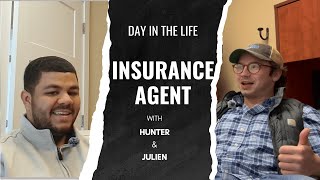
A recorded conversation (YouTube) between Hunter Nelson and agent Julian about working as insurance agents focused on trucking insurance. They describe how they entered the industry, compare captive vs independent agency models, explain common pay structures (salary, draw, commission splits), outline costs and tooling needed to start an agency, and walk through a typical workday (calling leads, service tasks, sending submissions, and prospecting). The video emphasizes niche expertise (trucking), relationships with underwriters/programs, and long-term wealth-building via renewals.
Questions this video answers
March 4, 2025.
81 (first try).
May 2022 (stated as "started in May 22, so almost three years").
About $15,000 per year ("Cabs like 15 grand a year").
Approximately $250 per month ("my CRM is like 250 a month" ≈ $3,000/year).
Chapters
All right, so guys, we're just gonna do a video here. It's me, I've got Julian, he's an agent here. We're just gonna run through the day in the life of an insurance agent. Our agencies out of South Dakota, we do trucking insurance. And yeah, we got about. We got a couple producers who all do trucking, a little bit of home and auto. But the main deal we're gonna be going over is like just a day in the life of a trucking agent. So, I mean, you, Julian, how'd you get in the deal?
Yeah, so out of college, I went to a life insurance company and I was doing claims over there. Didn't love it. So I ended up starting looking for something else and got hooked up with you. Liked what I heard, so figured I'd give a PNC a shot. I got licensed. Took me about a couple weeks to get licensed. And then right off the bat, started doing the home and auto stuff, kind of the easier stuff side of things. And after a few months of doing that, moved into the commercial side. I got into the contractors at first.
Yeah.
And obviously we kind of found our niche in the trucking industry and that's what our focus is now.
So. Yeah.
Been doing that ever since and. And loving it so far.
Yeah. I mean, the one thing I really like about being an agent is you just get. I mean, it's not like. It's like a 9 to 5. You work for somebody, not. I mean, you're. Some can have you as a 1099, like an independent contractor, but you get your say in what you're doing every day.
Exactly. I mean, it is really nice having your own hours. I can come in as early or late as I want. I can leave as early as. Or as late as I want. And obviously you got to work, you know, to get stuff done. So I kind of have a set schedule for myself. But you really. You really are your own boss. Obviously, if you ask me to do something or whatever you might need, I'm there for you.
Yeah.
But most of the time it's just me doing. Doing whatever I think I need to get done. So it's. It's definitely better in my opinion, than. Than the nine to five that I was working where it's.
Yeah.
I mean, they were tracking you down to the minute. Like the. The second. Even like if you're not clocked in and taking calls at, you know, 7:30am You're. You're getting dinged. So that was. That was. Wasn't really for me.
Which, that just drives me nuts. Like, I, I want to be paid on how hard I work. If I'm good at my job, I want to get paid for it. If I suck, great to go find something else. But like, I, I hate the. You got these set work hours.
Yeah.
You know, I mean, I mean, before this, I worked at Pizza Ranch with nothing crazy, but like, I got scheduled to the worst times of the week, you know, which, which kind of what you expect for that job. And then I poured concrete for a while. Not a while, but a couple years in the summers while I was in high school. And I love that because it's rewarding work.
Yeah.
But it was like, I mean, there's some. There was long days. You're out in the summer, you're be. It's, you know, you're out in the heat.
You get.
You're just beat and you're just, you're like, you're pursuing somebody else's dream. You know, that's the main thing. I didn't like 100.
And I mean, I got buddies now who, you know, we're. We're at that age where people are kind of finding what career path they want to take. And yeah, I got buddies who do blue collar stuff. And I mean, it's pretty decent money, for sure. There's nothing wrong with it. You can definitely make it a career. But I definitely hear a lot of complaints and like, dreams and aspirations of, I want to start my own thing and I want to do this, but I got to save up enough money first. And by all means, like, it's definitely a great path to go down, but it's hard to save up enough money to start your own business, you know?
Yeah, that's. I mean, that kind of brings another point. It's like, like, if I don't mind doing construction at all, I like construction. But if you're doing for somebody else, it sucks because you're pursuing their dream. You're getting this guy one step closer retirement, you know, Whereas, like, you can get into insurance and you don't need to go spend a hundred thousand dollars on trucks and equipment and. Exactly, you know, taking out all the risk of employees because, I mean, at the last job, they started the summer at 11 employees ended back down with three. So it's just like, yeah, you know, those eight guys did very little. You tried training them. You just burned through cash.
Oh, yeah.
And you get started insurance and it's like, you don't have to put down a lot of money to get started, but you don't put. You don't put down any money. Get started. The only thing you got prepared for is just kind of depending on how the agency pays.
Yeah.
You know, like, if it starts selling.
Right away, something going. Yeah.
Or if it's commission only, you got to start selling here. You start working like 80 hours a week right off the bat and start selling right away, something going.
Yeah.
Or if you had a salary and the agency owners finally lose some money while you go figure it out, I mean, that's. That's safe and comfortable. But then at that point, if you start killing it, you start losing a lot of the. Of the benefits. Like, I got way lower commission. I'm. Based on the salary. You'll close a $200,000 a month. It's like, you know, I could have made way more money if I was on.
Because obviously we had the split going for a little bit. Or like the salary and commission split.
Yeah.
And then once I started selling enough, then we went to commission only, and then we went to 100 commission.
We figured out again.
Yeah. And then I had a crazy month, and that was. That wasn't gonna work for long, so. Yeah. So it is tough finding the right balance because obviously everyone's here to make money. That's what you go to work for.
Yeah.
I. I love insurance, but wouldn't do it for free.
No.
So, you know, starting out, I had a certain split where I had a salary and a commission split just because I was coming from a pretty good job and wanted to have some sort of security blanket since I had never done insurance.
Yeah.
I was pretty fresh out of college still, so I hadn't done too many or had too much experience in sales. Eventually got to a point where I was putting up some decent numbers with the home and auto, so went to commission only then. And we've kind of. We've switched it around a bit, you know, started with a. With a certain split and then went higher. New business. Yeah. Dang near no renewals. And it was. It's a nice. You know, it's a nice check if you have a great month, but obviously you're not building anything for the long term, and.
Yeah.
And now we're back to a. To a more reasonable split, I would say.
Yeah, I mean, that's. That's exactly right. So, like, giving you guys kind of idea of what. What pay looks like, as in, like. Like from the agent standpoint. I mean, a lot of the guys I know that I've talked to start with like a. Like a salary and then a low commission and then that commission dwindles away and then you get the same like new and renewal.
Yep.
So let's say you get 30 new and renewal. You get 30 of the commission. Just everybody's clear on that. You're not getting 30 of the premium.
Yeah, I wish.
Yeah. I mean, pretty Dang Nice, but 30 of the commission and then as your renewals start building up, that salary keeps dwindling away over like three or four years.
Yeah.
So it's not a half bad gig. It's just you gotta be extremely picky on who you hire then or like, you know, and from my point of view. But yeah, I mean, we have, we get kind of unique payment structure where it's just 75, 25, you know, so you get a lot of. From you get the 25 renewal, which is really pretty much industry standard.
And, and I think I was listening to the insurance guys podcast earlier here today and they were saying, I want to say Bradley Flower said he does like 35, 35 or, or something along those lines.
He does the draw.
That's what. Yeah. So they were just talking about a bunch of different structures.
Yeah.
And I, I know he said he does the draw, but they do it a little bit. He kind of has a better version of the draw where.
Yeah, it's, it's.
You get the 3,000 for your draw, but they're not going to charge you back the next month if you don't get to that 3,000 in revenue.
Yeah.
Right. Which, yeah, that's definitely not a bad, bad plan. I mean, it's, it's nice to have that cushion.
Yeah.
And then eventually you're going to get to the point where you're making over 3,3000amonth, revenue wise. I mean, especially with renewals, if you do it for a couple years.
Yeah.
So, so that's, that's a good deal. But those larger agencies where they do, you know, a draw and you're having to pay it back, that's. That's brutal. I, I know in the podcast they said they've heard some horror stories about people going into the draw, going into the draw month over month, and then at the end of the year, they're. They owe the agency 15, 20 grand.
Yeah.
And they fire them and then they. You still owe it back.
Yeah.
They still paid you that money.
Yeah.
So now you're without a job and you have to pay back this money that you took from them. I know, that'd be brutal.
And it's really low commission splits.
Yeah.
Like one of the big, like one of the biggest guys out there paid 25. 25 and they have the draw. So if you're not cranking enough business to make your 25% of the commission over, you know, go over your salary to own the money.
Exactly. And I mean at 25%, like 25% of the commission, you're going to have to bring in so much new. It's, it's kind of a system set up to fail new agents. I feel like just thinking about it right now because if, if you're getting 25% of the new business that you write that first year, you have no renewals, you're a new agent, at least to that agency.
Yeah.
You're having to bring, I mean, you're at the bottom of the totem pole. They're not going to be giving you the crazy by any means.
Yeah.
You're probably bringing in every lead by yourself and you're having to crank out business at a new agency just to, just a break even dang near. And I mean that's probably why most agents don't make it through, through their first year of, of the industry.
Yeah. We're not trying to scare everybody watching this deal. Like you definitely can make money in industry. You definitely can do very well. Yeah. It's just like it's, not everybody can do this thing and go make 300,000 a year within like two years. It's, it's. Yeah, you can make well over 300,000 a year, but you gotta be, it's a long term game. So you gotta write a lot of business, you gotta do it quick, find an agency that probably pays higher commission if you're, if you have some confidence in yourself.
Yeah.
And then start cranking on the new business and you have the renewals coming in. And after, you know, I mean you think about long term when you're getting like, let's say you've been doing it for like 15, 20 years, you got, I mean you got insane money just sitting there ready to go for you, you know.
Absolutely.
You dang near go take vacation every month and send just fine.
Yeah, exactly. Well, once you get to that point, I mean, obviously you got quite a few, few people that are insured by you. So you're probably getting a couple calls a day at least. But it's, it's not a bad gig at all. You can definitely build a very long term, long term wealth doing it.
Yeah.
And, and then once you do get to that point where you have a pretty decent sized book you got renewals coming in. It's. It's really great. It's something where you can go and do other ventures that, you know, you're. You're passionate about, whether that's real estate or art, who know, you know, whatever you want to do. You can definitely get to a point where you're not working every single day, just Cranking. Cranking out 10 hours a day every day, you know?
Yeah, I mean, that's exactly right. And like, let's say. Let's say you're new in the industry, trying to get in the deal. I mean, like, you. You pass a test and got things on right away.
Yeah.
Julian likes to brag about. About his 81 first try here.
I mean, it's no big deal. I know quite a few people who have failed it a few times. You know, maybe. Maybe people in this room, per se. But yeah, I mean, as far as how I got started, like I said, I passed a test, studied for, you know, two weeks or so, got my test passed. And then Hunter gave me probably the worst leads on the face of the earth. I mean, been called through hundreds of times. Just all. All this dirt leads, man, and I grinded through those. Finally got a sale off of one of them. And what. I mean, it probably took like a week maybe.
Yeah.
Yeah. Finally got a closed deal off of those leads and then kind of got moved up to some actual leads that were. That were pretty nice and. Yeah, so that was probably late November. Yeah, probably late November when I started going on those ones.
Yeah.
And got a few deals closed towards the end of November. Better December. And I mean, it really is. You kind of just start snowballing. You close a few deals, you start asking for referrals, you keep cold calling. Keep the pipeline. The pipeline hot. And with the home and autos, though, the only drawback is you can. There's only so much time in a day. There's only so much you can do in a day. At least for what I felt like. I mean, January was my best month of. Or January. February ended up being my best personal lines month where I was just doing home and auto.
Yeah.
And that was literally closing a deal a day. It was at least one deal a day. Especially here in South Dakota. I'm sure some age that she's getting going.
Yeah, I mean, that's right. I mean, two. Just like getting started. I mean, I'd say. I'd say most people take the test two or three times. Unless you're Julian and study for about four weeks. I'd say it's like not four weeks, like 40 hours of studying is what I think you really need to pass it. Just going Kaplan, go get the Financial Institute study guide there. Get started. Yeah. So I mean, like when I first started, I was door knocking for leads. Quote him at night, call them back that night, and then start building up a stack of papers to start just calling those guys.
Yeah.
It was like 300 people. And I just keep calling that list every single, you know, I kind of had like I call them like every three days if I wasn't hearing from them. Yeah, but get them quoted, called the same day, door knock for a couple hours a day and then kind of find, like I'd say find your niche before you want to get into the deal too, if, if possible. I mean, it's kind of tough to say start off with home and auto or as a CSR if you want to get into something big because like you're not going to go start writing half million dollar accounts day one.
No, no one's going to take you serious. Day one.
No, you need to know the coverages you need, all the questions you're asking. You know, the markets, I mean, the markets for one is like one of the biggest struggles. I'd say it probably one of the most common struggles.
Yeah.
Of knowing who to quote them with. What really should be another big thing is like knowing coverages but 90 of people just don't care.
Yeah. I mean, you definitely run into a lot of agents where they just, they're, they're doing it for premium. They don't care.
Yeah.
And I mean, premium's awesome. But at the same, especially once you get to the commercial stuff, you really got to make sure you at least have an understanding of it before you start selling these commercial policies because you could really, you could close someone's business down if you're not, if you're not doing the right thing. Yeah, it could go wrong very quickly. But as long as you, I mean, if you have a great mentor like Hunter over here.
Yeah.
You know, you're going to be good to go. That is the one nice part I will say about like a large agency like that is they're going to get you trained up, they're going to teach you. Correct. I mean, whereas you go to, you know, some of some smaller places or captive agencies, potentially, you might not get the best training. Now, it's not all of them by any means. And it really just depends who's training you if they're doing the right things or not. If they know what they're talking about. But once you get to that point where you feel confident in your knowledge and that's really when you can start excelling in any niche that you go to. Because once you know all the markets you, it makes you feel so confident. You know exactly where you can put someone and what you can do for them.
Yeah.
Before you are, you know, before you start quoting it. Whereas like even when I started doing home and auto, I didn't own a home and I had no idea what home insurance should cost. I didn't know what the coverages were. So it's really taking that test, getting into the office, hearing all the jargon and learning all the coverages that, that makes you feel confident and gives you the ability to sell.
Yeah, yeah. I mean, I totally agree. I mean if you're, if you're getting started or you're at somewhere right now, like, let's just say you're a captive agent because I mean really, I'd say that's very common for a lot of the new producers. You know, going to captive agency, they're recruiting people. Or if you're just new, start up a captive agency.
Yeah.
And you're wanting to get independent. If you're going to go independent, I mean you can go the goose head route. I hear a number of things where that doesn't work out for people. That's a lot of home and auto too. But like let's say you're trying to get into the middle market space. Yeah, middle market. I mean you got the ABC shops like Marsh Gallagher, et cetera, et cetera. But I mean they're going to have every insurance carrier. But I don't know, I mean a lot of the guys like, like we, we watch or listen to max revenue and he left one of the big shops to go smaller and a lot of the smaller guys actually probably win a lot of the $100,002 million deals.
Oh, 100%. I mean the, I mean just the amount of people that we've talked to inbound leads that we're not even going out and finding.
Yeah.
Who are good sized accounts and say I can't get someone on the phone at my big, you know, ABC agency.
Yeah.
I, when I call, they don't answer is ridiculous. I mean they, they have a large business, they have insurance needs and they're a client of yours. So it should be a no brainer that you can at least pick up the call. Well, they're, they're gonna see a. Why, you know.
Yeah, I Think it's. You gotta keep producing business. And they. It's almost like a corporate structure. Yeah. It's almost like you go back to captive, like they're sitting here saying, okay, where, where this next year, what accounts you're gonna close? Where are you guys at with this stuff? This is where we need to be. Like, here's like where you need to close business.
Yeah.
It's only they have time almost to help service those guys. Not they. Not that the account managers really shouldn't be, but it's just like. I think it almost just becomes more of a corporate structure where you can find somewhere that's got some of the big carriers. A lot of that big stuff, honestly, is going to brokerage anyway. And if they don't have the program or market, they can go find it. And just like. So people know too. Like you go through Amwins, Amwin's is going to give an appointment out to anybody right now. Amazon's got programs where it's like you got the different branches, you know, and me and you was talking about this today, but like you can go reach out to one underwriter and he's got these markets. You go to this underwriter, he's got these markets and this guy's got. He's. He's a managing general underwriter. So he got. He's got his own program that is on Obsidians or Trishuros or whoever's paper. Yeah, they're getting the pen. They can go out there and underwrite and get some say in the price. And so I mean, really, that's where a lot of the stuff's getting placed at anyway is like the programs. I mean, right now, let's think about this. I mean, the big accounts that we have that just came in, so you've got like, you're looking at 120 unit account that's with Great West. Now granted, that thing is with one of the appointments that you kind of need from like a big shop or just somebody good. Like, we can probably go beat that thing, no problem. Honestly, that's just what they're with right now.
Oh yeah.
And then my guys are through a program. I'm gonna go place one. Another program that's easily accessible. You just got to know the markets. And then the third one's through Trishura, which is also a program. And I'm gonna go to another program. You'll find it.
Yeah.
You know, so it's just knowing the underwriters and like once you get into that space too, it's not so much about, like what? Well, I mean, cares are very important, obviously, but yeah, you can go out there. If you had a good relationship with your rep, your underwriter, they'll go to bat free and beat that price anyway.
100. It's. Yeah, it's not so much carriers as underwriters, you need to, I mean, you need to have someone that you have a relationship with where you send them a piece of business and they know they're not going to get hosed on the back end, you know.
Yeah.
And they have confidence in you that you're going to get it bound when they go. And when they go and they fight for a certain price.
Yeah.
With, you know, their manager or whoever they're talking to that when they come back and give it to you, it's going to get bounced.
Yeah.
That's one thing to definitely make sure you're doing when you get into the commercial space is find the guys you want to work with. I mean, obviously we like to find young, hungry underwriters who want to write business who don't have a big book already.
Yeah.
So they're not always quoting and xyz, they have a little time for you and you start building a book with them and all of a sudden you're getting quotes in a couple of days instead of a week and a half.
I mean, that's exactly right. Now, this is a monster account, but 150,000 account I go to, I go to an underwriter and I'm like, hey, heard you guys got a program for something like this. And this guy starts bragging that he's like the biggest underwriter. He's like, I'm the biggest broker here. I got a two million dollar account, blah, blah, blah. Send him the submission. And it's like day before renewal. And I had to find somewhere else beforehand, but it was just like, he's like, you still need a quote on this? I need this information. Like, I haven't heard from you in three weeks. I've called you, I can't get on the phone. And then we got another underwriter who's younger, got a smaller book, reaching out to us, wanting to write some more business.
Yeah.
Getting antsy for the stuff. And it's just like, great, I'm gonna go to, I'm gonna, I'm gonna send you everything I got. Even though you're a smaller shop, you got less option. This guy, he's got way more experience, like it don't matter, you know, so, like that stuff also really important and kind of Relates back to like the agency side too. Like, you know, if you go work for an ABC company, it's very cut, it's very cookie cutter. This is what we're doing, this and this. Whereas you go, you go to a smaller shop. Even like Bradley Flowers talks about all the time. He takes people from like the smaller guy from the big guys.
Yeah.
And it's like, hey, get a little more say. Here is actually a culture. You can go out with the co workers. You know, we can, we can kind of negotiate on pay if, if it's, if it's needed. Like if you need some time off. Like Becky, right? Like, yeah. She takes a day off every once in a while. I'm not making her turn. A PTO works like an animal.
Yeah. You know, you come in, you do your job, we're gonna. You, you understand that people are people, not just machines to make you money. Like, yeah, it, you, you can work with them a little bit more. I know. I think Bradley Flower, it was him on the podcast I just listened to, he was saying they like to go after either new guys at big shops or just new guys in general. Really? People who don't have a big book left built up yet. Because, I mean, it makes sense because once you get to that point where it's something to keep in mind for agents, like, don't build a huge book at a place you don't like.
Yeah.
Because yeah, they're not gonna give you that book when you leave. They're not just gonna be like, yeah, here's, here's all your money. Here's have it all, bud.
That's exactly right.
Like, if you don't like where you're at, get out as quick as you can, man. And find somewhere where they're. Especially for newer agents. Find somewhere where they're going to coach you up. They're going to work with you and help you become a successful agent. Not just we have these carriers. Go to work and figure it out. Like, make it happen.
That's, that's a good point too because you have a non solicit. And here's the thing is it's like, okay, get my non solicit. What if a lot of my guys reach out to me? Yeah, it don't matter. You're going to court anyway. Because you don't know until you go to court to figure out these guys call you, they're not bringing all your clients and they're going to be sort. There's like, great, I'm not going to do you guys Now I'm going somewhere else. And so you can't even take hardly the guys back even if you're in compliance with your non solicit.
Like, sure, yeah, maybe take your, your family members. Like that's obviously they're going to reach out to you, but other than that, yeah, they're going to come after you. Especially if it's a decent amount that you're, you're taking away from them. I mean, at the end of the day that's money out of their pocket. If they want to at least try to stop that from happening, they're, you know, legally well within their rights to take you to court. It doesn't mean they're going to win, but it's going to cost you money. It's going to cost them money. The client's probably not going to go with either of you like, like you said. And at the end, and you guys are just both losers at the end of the day. So. Yeah, but yeah, so that, I mean that's definitely something to keep in mind. Do not build up a huge book at a place you don't like. He was saying in the podcast, he's like, I got a, I got a friend that I've made over the years who every time we talk he tells me he wishes he could come over to my agency, but I'd have to pay him too much. Like I can't afford to pay him how much he's making and he doesn't want to lose that, you know, so. Yeah, so now he's kind of stuck where he's at and he hates that agent. Like he hates going to work pretty much, you know, so.
Yeah, yeah, I mean, that's exactly right. Let's say, let's say you're going to start up your own shop now. Okay. I mean that's, that's a tough deal. Like, I mean, granted not a lot of people listen. This will probably be starting up their own shop, but if you do, you got to have some serious money.
Yeah, like, yeah, because earlier, like, realistically you could somewhat make it work, you know, with, with low, you know, starting funds. But it's going to be tough. I mean, you need, if you want to run a good shop, like if you want it to be clean and smooth off the jump and you're starting a trucking agency, you're going to need an agent, like a management system. Cab, you're going to want Cab, you know, at least some version of it just to, to kind of help you out with getting leads. I mean it Is insane what you can do with cabin as far as getting leads. So you're going to want cab. You're going to need some sort of CRM for those alone. I mean those two things alone. How much, I mean how much do you think they cost you a year?
Cabs like 15 grand a year and my CRM is like 250amonth. So 3 grand there AMS is a couple hundred bucks a month. And those are really just the basics. I mean, you could go without cap. I mean, if I'm starting up brand new, I'm not getting cap. But it's like you're going to waste a ton of time on guys you could have just, you know, put down right away.
Yeah, well, and then you're going to especially you get these appointments and then you're talking to these underwriters and you have no idea they're looking at cab.
And you're not, you're like, I, I got no idea what you're seeing.
They're like, hey, why is this guy popping up as a chameleon carrier? Why does he have four crashes in the last 24 months? Why is his out of service rate for his vehicle maintenance at 90%?
Like, you know, and then you're looking, you're just looking like an idiot. You're like, I, I can't afford cab.
Yeah, because, because then you're going to go talk to the insured and he's going to. No, no, I haven't, I haven't had any accidents in the last two years.
Exactly. Right now you're just like, okay, what do I supposed to do now?
Yeah.
You know, yeah.
And then you lose the deal because someone who does have cab was able to call him out on his bs, get an explanation and make it happen.
You know, give him a little more details and figure something out right away. I mean, plus even carriers like, you know, starting off with this deal, most these carriers want a pretty big threshold from you right off the bat.
Yeah.
You know, you got progressive who used to hand out appointments like candy. Yeah. Now they're even taught to get appointed with progress or Geico handout appointments to anybody. Cover boy is the same. Same deal cover. Well used to handle appointments anyway with the Pulse now it's yet 5mil to even just get a conversation.
It's like what?
First try you could probably get something pretty easy. Yeah, I mean some of our other guys, we got some mutual guys who are local. Those were not easy appointments. I mean like one of our mutuals is, has got like a number of appointments in Sioux Falls, I count on my hand, which is extremely slim. Just even a compare like acuity or something.
Yeah.
So you got those guys and then you get the big. The big dogs that just kind of playing it like Century, Great West, Lancer, AM Crust, all require just insane books of business to even get looked at. And someone just weird too. Like I heard. So, like, for Nirvana's appointment, you need to have. I think they told me 35 mil just to get a fleet appointment.
Wow.
I think AmTrust only writes 20 units and up is what I heard from today, which is kind of crazy. I don't really still do that because I see them on five and under.
Yeah, I've definitely seen. And I mean, I guess you can always run into this stuff where it's like a year ago they were doing it.
And that's the problem too, is everybody freaking switches. Yeah.
Well. And especially right now, the market's just so brutal. That's. I. I could not imagine starting an independent agency right now. Like, you see an insurance soup all the time. People are like thinking about starting my own agency. What should I know? And the comments are all just like, good luck, welcome to hell.
You know, it's like, wait, wait 10 years.
I mean, seriously, realistically, if you try to go on your own without going to, you know, like an aggregator or whatever, who's giving you an appointment with. No. No book of business to roll over to them. No clients, no proven track history, even.
Some of the MGA's are cracking down.
Yeah. And we got.
MG wants a million. Some just even be appointed with them, you know, so it's like, holy crap. You get all this business, you don't have money to bring in leads.
You have a pipeline built up at all.
No, that's exactly right. And you got to start now to. You gotta bring appointments to write the business, and you gotta write business to get the appointment.
Yeah.
You know, so it's like just a double whammy. You're screwed.
Exactly. And I mean, whereas what you open the agents, the. Or went independent like three, four years ago now.
Four started in May 22, so almost three years.
Okay, three years.
Yeah.
Three years ago. Got all the appointments in the freaking world, you know, I mean.
Yeah, I frankly, I was getting stuff. They're pretty easy, honest to God. Yeah, that's true. We're getting. But granted, those are home and auto appointments even. Those are tough now.
Yeah, no, that's. Home and auto appointments especially are tough right now.
Yeah.
Yeah. No one's writing. No one wants to write homes right now. I mean it is brutal. The. The trajectory that that is going. I mean just more and more expensive deductibles are going up. And I mean at least with the truck. Trucking is what people are paying right now. New venture to. To have to pay 20 plus thousand dollars a year as a new venture trucker who realistically, unless you age your authority for six months, you're not even really getting loads. Yeah, it, like it's ridiculous how much they're asking for right now, but.
Yeah, I mean, that's exactly right. I. You know, if, if I'm in. If I was just gonna go start tomorrow, close this thing down and go to a new agency, you know, I mean, obviously having experience would be a big help. I think once you get. You got to get licensed, get another basics. So maybe start off as a csr, Start off with a captive. Something basic. Yeah. And then this organ certificates, you know, like right away start getting your trip, starting your cic, start working all that stuff. And then, I mean, heck, I mean, I'm probably gonna go find another agency. I mean, a little bigger than mine just because we're so new. But like that's still Right. That's. I do find an age that's right. In business per produce. Like we are.
Yeah.
You know.
Yeah. Patience. If anyone's looking. I mean, we use Ermie for our stuff. That's who we've gotten our certifications through. There's other guys out there, but Ermey's pretty good. I like their, their system there.
They're pretty dang cheap. They're. They're industry related instead of being like coverage line related because like uscic, I mean that's like one of those popular ones. That's awesome. But it's like there's be a lot of stuff and that doesn't relate remotely to trucking or you're in a certain industry. Great. I'll tell you about the coverages, but like knowing the industry is really a big thing.
Exactly.
Yeah. Like niche first generalist.
Yeah.
It's kind of how it is.
Yeah, absolutely.
Yeah. Let's go through like each other's days. Like what do you, what are you doing throughout your day?
Yeah, so usually whenever I get in, we have leads that are coming in throughout the night. Most truckers, they work all or they drive all day. So when they're on their phone, it's 10, 11, midnight. You know, they're just sitting in bed scrolling. So that's when a lot of our leads will come in. Is in the middle of the night. So I get in first thing and I'll call through those guys, call through, pull them up on cab, kind of take a look at what they got going on. And I mean, usually I wish I could get this time down, but if, if I'm gonna end up quoting the guy, you know, if I'm taking them on, it's probably a 30 minute phone call to get all their information that we need, Kind of get a feel for what their story is, what their situation is. Yeah, make sure I have all that jazz. So, you know, if we have four or five leads coming in, you know, in a night, probably start off my day with like an hour, hour and a half on the phone phone of just talking to different people. Once I get through calling all those guys, I like to get my service done just to get it out of the way. Now service is a never ending chore. Yeah, you know, you start doing it and then you get a call from someone else who needs something from you, and then you get sidetracked and sidetracked and sidetracked. But I like to, to try to block out. Right after I call everybody, I'll do my service. So service is going to be your post buying stuff. Found a policy yesterday. Today I need to make sure all my notes are put into our ams, which is like our customer, you know, management system. Yeah, I guess is what I'd call it. Put all my notes into there, make sure we have payment information documented, make sure the policy is good to go, that they don't need to do anything. Make sure we have signatures on the cancellation form, any policy documents that need to be signed, get the cancellation sent off. All that jazz, you got to make sure that's taken care of. And another service you're going to run into is some clients have your personal phone number. So they are going to call your personal phone number, they're going to text you personally. And instead of, you know, sending a task or sending an email to someone else, it's just going to be quicker to take care of it yourself. Whether that's changing payment information, adding a truck real quick, quick, whatever it might be.
Yeah.
So I try to get all my service done. That'll take hour, two hours, you know, something along those lines. And then after that I usually look through, I'll look through Facebook, through like the group chats. I like to just check in on those, see if there's any good information. And like Trucking Syndicate is a great one for the trucking industry. Insurance Soup is another Great one. And then as far as getting leads, I mean, I don't know if you want to throw this in there, but like hop into like trucking group chats, like that kind of stuff, because people will ask in there, who should I use for insurance? Blah, blah, blah. Or they'll ask questions, which is a great way for you to hop in, provide some value. Maybe they reach out for a quote. So I'll go through that stuff and then usually around midday we'll have a couple more of leads that have came in. And so I'll call those guys. Might take, you know, another 30 minutes to an hour. And then this is kind of something I just sprinkle in throughout the day. But as you're getting all the information, because when you, when you get a new lead, if you're sending it to brokerage, you have your discovery call where you're going to get most of their information. But then you're going to need loss runs or some other documents. Maybe they don't have their driver's, you know, driver license, or maybe they don't have the truck van or the trailer vin. So you're going to be getting information, they'll email it over to you afterwards. So throughout the day, as I'm getting accounts finalized, where I have all the documents, have all the information I need, I'm typing out, you know, a little, a little essay to an underwriter and sending those submission off, those submissions off, you always want to get those done as soon as possible just to get it top of the inbox and get a quote back as soon as possible. So doing that, I mean, I would say sending submissions off, you know, that'll take 30 minutes to an hour a day. Just kind of sending it to all your different guys, looking over quotes. As you're getting quotes back, you're gonna have to present it. And that's the thing about being an agent is your day's never gonna really be the same.
Yeah.
Because one morning you might come in and you have no quotes ready to present, you have no submissions back or right now. So you have, you know, an hour or two hours where you can just sit there, call through all the guy, all the new leads you have, check in with some people and move on to the next thing. But then some mornings you come in, you have three quotes back from your underwriters and you have, you know, your assistant who does. We have an assistant who quotes for us. She has, you know, two guys done quoting with, with our direct carriers. And now I have five quotes to present or four quotes to present, whatever.
So.
That'S kind of the day there is just calling new leads, inbound leads, sending off submissions, making sure everything's ready for brokerage. You're gonna have your service. I guess I'd call it learning. You know, going through the group chats. Yeah. A little bit of prospecting or reaching out to guys and, and then presenting quotes. You know you, that's the fun part is saying hey, here's the numbers. How we looking? You want to, you want to go with us? And now I mean Hunter knows we were getting swamped with Facebook leads for. You want to talk about Facebook? Yeah, yeah. We were getting swamped with Facebook leads for like two months there.
Yeah.
Where like really I had so many people to call in a day that I did not have time to cold call. But I've kind of. We've dialed those back a little bit and now I'm getting to a point where I could. I have time in the day start cold call and start prospecting and really I'm looking for kind of that 12 to 10 unit stuff.
Yeah.
Where we have a, you know we have a couple options. Options for that. Those guys. And so cold calling here again. Try to block out like an hour to an hour and a half. I'd say a day to, to cold call and prospect.
Yep. Yeah that's about right. I mean that's my day is a little bit everything just because around the agency. So working like carrier partners, working with clients who have my. Myself.
Yeah.
Just getting kind of that stuff done, training employees and then yeah. Selling. I mean I just take a couple decent sized accounts a month, grind those things out, fill out a million applications, learn about all the markets who, who, who will write that stuff. Nice part is though is you know you get. You only have to close like 12 accounts a month to make some pretty decent money. It just, just a lot of work goes into it. It's a lot of inconsistency.
Yeah.
But you know, I mean some of the accounts that like I've got, I've got like a 70000 auto body shop. I got a 1.7 million dollar contractor and that they get a sister company that's a 150 unit towing fleet. I mean like what else I got. I got 11 unit non emergency medical transport account and it's just like all that stuff is still working on that.
Staffing company.
Yeah. Staffing company. It's just like find every single person who'll take this stuff because it's like you know for a $400,000 account. Yeah. I'm going to go shop everybody who'll take this, I'll go learn about the programs, fill out all the applications again, submit to the next guy and just get decline, decline. Oh, I got your quote and it's like, sweet, finally, you know. So sometimes it takes a couple months get close, sometimes a couple weeks get closed. Just kind of, kind of figure out what I can do there.
No, absolutely. I mean, one thing I would say if you're thinking about starting your own agency is get ready to work some long hours.
Yeah.
And this guy works like a dog, man. I mean I hours wise, there's definitely days where I, you know, work maybe nine to six or some nights it's been like seven. But this guy's here a lot, a lot later than that.
Yeah. I mean running the agency, I have a starting capital, so it's just working long hours to get it going. I still got to do the work for producer, the CSR train people. So it's like 80 hours a week, six, seven days a week. You know, can't complain though. I do like it. So. Yeah, man, you know, at least got that going for me.
No, and insurance is a great field. It's. It's something that's never. That people are always going to need one.
Yeah.
So it's not a dying industry by any means. I mean people talk about AI is taking over a job and companies are all going to go to the online stuff.
Yeah. Like the direct stuff like that. We're not going anywhere.
They've tried it before. They've. Yeah, they've been trying to do it and it doesn't work because people don't want to talk to a computer. They want to talk to a person who can understand how they feel and can talk, talk them through in a reasonable fashion. How to get through a situation and.
Anything bigger than the, than anything different than like the person who wants the cheapest home. In auto insurance, I mean like you get idiom poison, you're a contractor, you're not going line, not going with fiber.
Yeah.
Next insurance, you're not buying that thing there. No, you got to know, I mean like all. There's so many coverages with that stuff that nobody's going online and do that. They don't know what pollution, liability is. But E and O, umbrella, any. That type of stuff. No, they're gonna, they're gonna get caught their pants down and pay out a million bucks because they, you know, I mean, you could still do that as a Small operation.
Well, and they forgot to list. They forgot to list one of their operations and.
Yeah.
Oh, turns out that's excluded on this general liability policy.
Yeah. Oh, I do snow removal in the winter and I really think list that. And I just ran into a building, you know.
Oh, well, hopefully you got half a mil sitting around. Yeah. And even the smaller guys, though, don't like dealing with. Don't like dealing with it. I mean, yeah, we had a. We had a contractor walk in on. What was that? Friday last week?
I think so.
And I had. I had a few free minutes. So I, I sat with him. He kind of told me his situation. And he was with one of those direct online carriers where you go online, you quote it and bind it in five minutes. Right. He was trying to get a COI or something or another. Yeah, COI or he needed some sort of service on his policy because. Yeah, because of a bid they're putting in. And called them, sat on hold for 30 minutes, didn't get anybody on the phone, and then he got disconnected. He tried to call back, sat on hold for another 20, 30 minutes and. And then got disconnected again. And he. And he was literally so fed up with it, which understandably that he just canceled the policy. Came into my office, was like, hey, so when I need something, can I call you? And I was like, yeah, two. Two owners, smaller operation, by. By all means. But I mean, it's. It's an easy deal for us to get them taken care of. They might call in a few times a year to get a coi, or maybe they need to add some commercial auto work, whatever it may be, but they would way rather prefer doing that than having a robot tell them, please, please remain on hold. Please remain on hold for 30 minutes.
You know, you know, the kind of rule is that 20% of the agents do about 8% of the business. So, you know, you kill your job, find your niche, get the referrals, you know, separate yourself from the guys who are doing the general list or they're doing a home in auto and they somehow landed a $50,000 account and, you know, progressive will do it. And so. Oh, they're trying to figure. Trying to figure something out, you know, because they left off half the coverages, so it's cheaper.
How far away from your garaging address are you going? Oh, like about 500 miles. And then they don't ask if they're ever going over 500 miles. Miles and just listed at three to 500. And yeah, for some reason it's a grand cheaper than my quote, you know.
Yeah. So, I mean, yeah, it, you know, you figure out what you're doing, you're not going to replace, you're going to win a lot of the business and you're to separate yourself and make some stupid money.
Yeah.
Yeah. That's kind of, that's kind of the day in the life. Kind of what things look like to get started and kind of some tips from. From Nelson Crew.
Yeah, from the Nelson Crew, baby. Nelson Insurance to the moon.
That's right. Sounds good. Thanks for watching, guys. Let me know if you guys got any questions. Just feel free to email me, message me, whatever. But thanks for watching. Sam.










