Trucking Quotes Continued
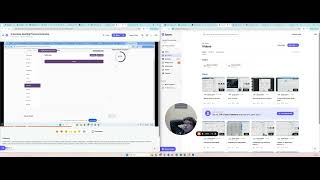
A training video by Hunter Nelson explaining how to quote insurance for trucking businesses. Covers importance of selecting correct class codes, types of exposures (mileage, revenue, payroll, number of units), telematics, differences among trucking operations (local vs. long-haul, intermodal, dump, logging, reefers, household movers), when to submit to direct carriers vs. brokerage, and best practices for underwriting submissions.
Chapters
All right, so I accidentally clicked n video on the last one here. So let's, let's keep going with the trucking one. One thing I do want to bring up here too that I kind of forgot about like a little step it over. It just kind of went over here is choosing the correct class code. So I'm just going to review this here real quick. And this is why I'm going to have you guys the whole video before I have you guys do any activities here. But choosing the correct class code is very important with, with going over the business. So if I say choosing the correct class code here, here's a video introduction. The class codes, common class codes. A class code is the type of business that they are like the type of operation. So you might have somebody with a semi truck that is doing very different things. They could be hauling general freight and calling hazmat. Those are two different class codes. You could have a guy with a semi truck who's doing general freight trucking and a guy who works for a lumber company. Hauling, delivering lumber. Well, one is a private carrier hauling their own goods. Almost four hire, going out all over the nation hauling goods, driving that truck non stop, throwing on 100 and some thousand miles a year. The other guy might be throwing on 20,000 miles a year, 20, 30,000 miles a year delivering lumber for that place. And it's usually pretty local trips, they're going about 50 mile, 50 mile radius. So one is obviously way, way, way more expensive than the other. And the coverage has been different, the ratings be different. All that stuff is very important. So. So you also might get two different class codes. If you get two different class codes, they need to be semi relatable. You can't have a guy who, for example, if I'm an insurance agency and tomorrow I decide to start manufacturing tires under the same name. That's not going to work out. You can't usually can't put two different classicals on a policy. And you're not really going to be having much luck insuring both of them. Because they're two completely different things, things they really should be under separate businesses. And you might get two of a class codes that relate or even 10 different class codes that relate. Like a grain elevator. They had grain manufacturing, grade sale, seed sales, crop spraying, all sorts of stuff that kind of coincided of what a grain elevator does. So it's something like that. The best. You're gonna have the best luck fill out cord forms. Because you fill out a cord forms, you could put millions of different accord Class codes on there and let the carrier kind of figure out how they're going to rate it there. So the submission based stuff is very easy with that. If you go to Chubb, who allows one class code, best to talk to an underwriter and say, hey guys, here's what I got going on here. Should I write for the biggest exposure for the one that's, that's popping up most often like they're doing nine. Let's say you got a. Let's say. Let's say I was doing the tire manufacturing. Insurance agency. Somebody would take that. Are you guys gonna be rating off of the fact that I'm doing 90% of my exposure as an insurance agency and 10% as a tire manufacturer, or are you gonna go off the riskiest one? You ran me as a tire manufacturer? Because it's the riskiest class that I'm doing. So that's an exposure. The other exposure is going to be revenue, payroll, number of units, whatever. Right. Every different type of policy is going to have exposure because me verse startup State Farm agency. Very different exposures there. I've got eight employees. This guy's working at nights. This guy's working 40 hours a week selling a couple home and auto policies a month. You know, very different exposures. Right. He's right. 20,000amonth. I'm writing 200,000amonth. Or me versus Marsh McLennan. I read our agency writes 250,000amonth, 200,000amonth versus them writing probably 2.5. I mean, it's, it's. I don't even know what they write. Millions and millions and millions of millions a month. That ain't that. That's not the same exposure. So they write off a revenue that's for general liability. What about workers comp. I got seven employees, they got 700, for example. They write off a payroll, which is kind of interesting. Some people write off of employee count, but usually it's based off of payroll. What about commercial auto. I've got one vehicle owned by the agency. They've got owners upon owners. It's called 100, 100 autos. They write off the number of autos. You know, so there's a two different types of exposure, but the class code and then how you rate that exposure. So that's also very important with that. But let's get back to this video here of how to quote. This is going over the telematic. Almost everybody has telematics where you can get it like a, like drive safe and save kind of, kind of deal. I, I didn't understand this because it's more expensive which just didn't make any sense to me because progressive is the app. So if you have a dash save you a ton of money, check out trucking. One tells you what this document filing number to number basically. So just going over these real quick. These are different types of classical based on the different truckers. A local trucker versus a long haul trucker. Very different. You know, one's driving a lot more miles, one's going into unfamiliar territory. Intermodal or port. And you got intermodal uia. Intermodal is if you guys take the trip, you'll understand this. It's, it's intermodal means multiple types of transportation. So for example, usually intermodals are cargo containers because they're coming from a, they're coming from a cargo ship and it's a container hopping on a truck and it could be going onto a railway. Next you got dump trucks, which is like a dump truck dumping operation. You got dump trucks for sand, sand, gravel and dirt. You've got end dumping units which might be a semi trailer but it's an actual dump truck that's going to be dumping the grain of talling. Logging. If you're hauling a couple logs on a flatbed, it's a little different. Like you're hauling just again, a couple logs and usually on metal and other building materials. That's different than logging because logging is you're running through the forest on log dirt roads picking up the logs you're hauling. I don't even know, 30 logs with the high beams on the side of the trailer, stacking the thing full logs. It's risky. Reefers, refrigerated trailer. Oversized, overweight auto hauler. Yeah, household good mover. Now again, they got all these classical. Doesn't mean they're taking them. I, I could tell you right now these guys will not take household good movers. I do not believe they take tankers to find this stuff out. You go into the portal and then I have an appetite guide link for cover whale. I just misread it. This is also important to state what, like what they're doing because a lot of these guys maybe don't even understand the difference of what, like what insurance looks like. Especially their new venture. Like final mile is going to be, you know, from maybe retail shop to the house. So it's final mile. It's at the, it's at the house. It's the final mile of it where trucking is. Warehouse, warehouse, warehouse to Retail, you know, anything along those lines. But it's important to ask the questions of the business. Hey, how can I help your business? Give me an idea of what you're doing with your business. That which just means that they're going to jack up it this just recover. Well, it's a, it's a mga. But like if we go spit this thing fopm, we need a whopping whole whole story cover. Well those are hardly, hardly look at this stuff. So you keep it really basic. Throwing the information, you know that they asked for summary account experience. Okay so that's basically it there. But that's quoting coverable account. Again, you're going to kind of use everything. So the steps are, you know, fill the quote form to the front of the website. Make sure you got cab pulled up. You're asking all the right questions. Find the carry to go quote it. Make sure you got the correct class code down. You understand his business. Go quote the carriers. Who you think would be a good option. You know, we have the VAs to quote this stuff. So the VA is going to quote the direct markets. We're going to call the brokerage markets. FOPM will have this thing automatically. If you select yes to brokerage, go from there and get all that stuff done. Yeah, so that's basically a trucking quote. That is how to quote through a direct carrier. If you guys are going to submit to brokerage, let's do this here real quick. So if we're going to brokerage again. So if you want the other markets. So like if we want a credit tip which through brokerage, anybody with parentheses of brokerage. And if I want to split to a brokerage, I'm gonna go, you know, when can I, what can I process midterm, move to brokerage. Where can I quote something there? Because you can't just quote everything through their MGR brokerage midterm. They usually want to see it at renewal. Some companies again will quote midterm. So go look at that. And then the other one is going to be how to spend business to an underwriter. So right here is models. You know, underwriters do not just welcome all, all new agents. I wish, I wish it was just, oh great. You want more submissions? I was looking for more submissions. They're not like us. They've got so many freaking submissions coming in. They're just picking and choosing. You know, they, they got a million agents submitting stuff to them. Usually a lot of agents who are low producers or spend the garbage to them. They don't want to work there. You gotta earn their respect. So submit good submissions. Buying the stuff they give you quotes on. Here's the objectives to it. You know, they're working with insurance carriers, they're working with agents. Make sure you pre qualify the lead. If we're not, we're not submitting something that we haven't heard from the guy in three weeks. I can't get on the phone anymore, you know, make sure you have all the answers, all the answers to the questions that might pop up, you know, so I, if you don't know something, don't submit to a broker because they're going to look into it more heavily than you probably are. And don't leave the guy going, well, what the heck, they got a chameleon company. What's going on with this hundred thousand dollar loss and why are they shopping two months after renewal? I mean, you can't, you can't just send this off with no explanation. If they send you a quote and it's $5,000 higher than what's paying now, don't leave them in the dust. Don't say, shoot, what a, what a freaking waste of time. Say, hey, such as an underwriter, unfortunately you're five grand higher. If you got something better, let me know. Otherwise going close by on this thing because that ain't gonna work. No, the markets that you're submitting to, honest to God, half these underwriters are just seat warmers. They, you'll submit something and be like, oh great, this one's perfect for Northland. IAT Canal. You get a Niko pullback, Niko takes anybody. And they're not competitive. So it's like, you know, what are you doing? Tell me at least why it's not, why it's not qualifying. Get all the information over to them that's needed. Some companies need more information than others. You know, Canal would get indication without even loss runs, whereas bsb, well, I suppose BSB will also get an indication on loss runs, but like Northland, they're not going to give you a call. Without the Lawsons, without the, without the IFTAs and stuff like that. Again, a little bit. It's a learning process. Got it kind of figured out, you know, but you know, tell them why they should write the account, get a whole story on the deal for the incumbent, mention where the incumbent give them a target pricing, go submit the business. And then here's a bunch of stuff right here. Here's the ideal submission. This one looks really, really good. I had a lot of documents for him. Here's another ideal submission. We have a call that I had called somebody prepping them for underwriting or Tom was going to spend underwriting. Then here is some courses we took with the mcif. But what their thoughts are on submissions because honestly a lot of the people at MCAF are underwriters. They're telling you from their end what they want to see from us. So there is the trucking quote, how to. I know this thing's probably like what, like a dang, you're an hour long. But this is an in depth training to how to quote business or how to quote insureds, how to manage them, you know, so that is what that looks like. And let's get on to commercial lines, personal lines. I'm gonna make two different videos for those. That way you can kind of bite size this stuff. Or if you're somebody who does not work on personal lines or commercial lines, you don't have to worry about that stuff. So let's get to the next one here and run through the sop, which is standard operating procedure and activity and then move on to the next step if you need be.










