How I Systemized My Business to Work Less and Make More
James Blackwell walks through systemizing a business to work less and earn more: document processes with Loom, automate with Zapier, delegate to remote assistants from South Africa at $1,000-$1,500 monthly. He recommends E-Myth Revisited and Traction, and emphasizes automating lead generation so founders focus on high-income work.
Questions this video answers
E-Myth Revisited (Michael Gerber); Systems Mindset (Sam Carpenter); Traction (Gino Wickman).
Dripify.
Cobie AI.
Zapier and make.com.
Loom.
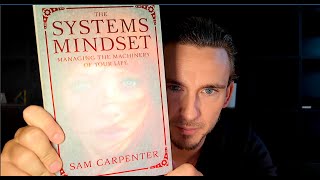
In today's video I'm going to be explaining how I systemize my businesses so I can actually work less and actually make more. Now most entrepreneurs work harder, not smarter. And I really found a way to really systemize my business so I can actually work less in the business and actually earn more profits and more money. So what I found is it's all about creating repeatable systems. And today I'm going to show you exactly how I do that in my businesses and, and exactly the steps that you can take in your business so you can start to build a systemized machine. Because a lot of people talk about building systems but they actually don't teach exactly how you do implement it in a business. So there's some books I'm going to share with you as well that you can go away and read so you can implement yourself. So I'm going to be covering off some books that I used was E Myth Revisited by Michael Gerber. I actually had the pleasure of meeting him in person over in Glasgow. That was like the last time he actually came to the uk. So he talks a lot about in the e myth the McDonald's franchise and how Ray Kroc actually managed to scale up business by systemizing the operations of how they created, made the burgers, how they produced everything. And then the other book that I really recommend is by Gino Wickman called Traction. I actually haven't got that copy here because this is here in my place in London where I am currently. I. So all my books are actually still in storage. But the third book I would recommend, which a good friend of mine actually got me this the other week called the Systems Mindset, which is this one here by a guy called Sam Carpenter. So hopefully you can see this, this is quite a new book as well actually. So all about obviously making more work and less, which is what Sam talks about here in the book as well. So basically in scaling your business you really need a team to implement systems. Okay, now the first thing that you're going to learn from E Myth when you read that book with Michael Gerber, he talks about if your business depends on you, you don't own a business, you actually just have a high paying job or what I call golden handcuffs. And that's probably the worst job in the world because you're working all of the time. So the whole idea of systemization, it's going to allow you to transition from what he would call like a technician that is the doer to, to what a true entrepreneur is, which is working on the business, not in it. So actually becoming a CEO as opposed to just an operator in the business, and that's going to create more predictability in your company as you grow. So in systems mindset, Sam talks about a system is a group of interacting components that obviously complete a complex whole. So I'll talk about that again and that comes on to creating predictability. So from a systems mindset, a system actually gives you more predictability because systems remove the guesswork and you having to remind your team to do things all of the time. So that really helps with operations and that's going to compound benefits over time. So having strong systems in your business creates momentum and that momentum is the fuel for your business growth. So for example, like systemizing your marketing efforts, so having an automated lead nurturing machine, which is something I build in our companies and the ones I mentor, it's really crucial because then you've got more leverage so you can create ongoing returns with minimal effort. So like putting in place automated client outreach, for example, as well to generate leads is another thing that can help. So most bottlenecks for, for example I see in small businesses that want to grow, they don't have an efficient lead generation system. So basically you could spend hours like doing manual outreach, trying to chase leads and following up with prospects. But the idea is to automate, maybe with tools. So you could use tools. For instance, in LinkedIn we use a tool called Dripify to automate the outreach, we would use video outreach software. Cobie AI is one that I produced recently as a SaaS model. Or most importantly, you could use what I would call a remote assistant. So remote assistants are, these are like VAs that can go and do outreach for you. So one of my companies is remote assistance AI and we actually place remote assistance from mainly South Africa and not the Philippines. And they do all video outreach and lead nurturing for your businesses. And that really helps you systemize a business because you know that's delegated and taken care of. And most importantly, it saves you on cost and it reduces any time consuming admin tasks. So these can be mini pas or executive assistants in your business as well. So they could do all of the scheduling, invoicing, managing emails, using your tools like calendly, scheduling, links, delegate and email management for example. And that firstly reduces like level one burden on the business owner because in emyth they talk about your business should be able to run like a franchise whether you're present or not. So that's obviously the true test they all talk about if you Take a holiday for six weeks. Is your business going to fall down and fail? So when you build workflows and then you've got a remote assistant that can help with implementing some of those steps at the start, before you hire what we call in office employees or higher level employees, that's like your first step that you can take. So you might be asking like how do you actually systemize a business and what steps would you start with? So the first thing is you want to identify and document processes. So the most easiest and efficient way that I do this is imagine every task in your business that is repeated. I see that as like a recipe in a cookbook. Okay. So the first thing you want to do when you step to document things is record the process. So whether you're using Loom, I like using Loom. And I would just do a video of 2, 3, 4, 5 minutes of what the actual task is and then that can be put in a clear step by step process. So whether you're using like a Google Doc or you might use a Notion board Confluence, like something that's easy to access, that you can actually put in written format from video format and then also using Zoom. So we have a lot of Zoom meetings and I might be hopping on with different departments, whether it's in marketing, sales, back end operations, if there's something good that we want to try and systemize. If I talk about that actually on the, the actual video meeting, we record it, we can transcribe it, we can use AI and we can document it. Okay. And then you have a centralized documentation, like I said, whether you're using Google Docs or Notion, these things, that's systemized now. And then it's up to your team or your remote assistants that are going to make sure that's implemented on a daily and weekly basis. Thing is automate repetitive tasks. By the way, I'm not drinking any alcohol. This is my favorite water at the minute. Is this called Lauretana? So it's actually a mineral water from. I think it's from Italy. Yeah. And I get this imported in and it's honestly like the. Better than Fiji water and Voss water. Lauretana water. It's, it's, it's one of the best and it just tastes so pure. So I just wanted to let you know that. So automate and repetitive tasks. So when you're using tools. So you can use Zapier and Zapier is a great tool. There's make.com as well. We use both and they can connect to all of the, a lot of the software tools that you're using put it in one centralized piece and they can create automation recipes that maybe go into your Slack channel into Gmail. And that is a big game changer for us when we're automating lead generation and we're getting flows coming into Slack for the team to reach out. That really helps. Things like Columbia, for example. I mean, they're simple things that you can automate your diary booking system as well. The third piece would be a project management system. So when you've got actual projects that you want to implement in your business, they talk about this heavily in traction with Gina Wickman. Strong teams are built on clear accountability and streamlined communication. So one of the key pieces to use is something like Asana ClickUp. So there you can assign tasks, you can track progress. We have all of our team, we use ClickUp a lot on the back end for our client success management team used to use Asana quite a bit for any higher level projects that I wanted to assign and get things followed through. And then Slack really is probably the number one tool that we use to centralize everything. So we have a lot of different channels for each department for where the projects are going. So Slack is like the central tool. You might use something like Trello for your remote team. That's quite good that we use still Trello to use all of the client onboarding processes. So that works really well as well. So once you start to document some of the processes that you have in your business, the key thing is you need to delegate that out. So I mentioned before about having a remote assistant. Every business owner should start with having a PA or an executive assistant remote assistant. You can have an operations remote assistant as well. So I call these like operations integrators. And basically what they do is all of the tech stuff. Okay. So things like automation, AI chat, GPT, Zapier, handling the projects, everything like that, they are the person that's going to be the go to for that part of the business. So when you're running a business, you could have operations integrator remote assistant, you would have a PA executive assistant, and then I have marketing assistants as well. So they do all of the client outreaches and they can generate leads, they can do video outreach, they can do voice note follow ups, they can do CRM management, they can do social media posts, they can do videos. All of that can be done and outsourced for very little. So like most of the remote assistants that we have in our businesses are between $1000 and $1500 a month. So it's really lean, really agile and they're superstars and they get paid really well for where they are in the world. And that is how I would start to delegate a lot of the systems. I would start with the remote assistant team. And then when you as you scale maybe past 100k per month, you might start to bring in higher level a player teams that are either in office or hybrid, but they're more like based in the US or the UK and Europe, for example. So you can start small, hire your first assistant to do all of the admin tasks because your value per hour needs to go up. So you shouldn't be doing anything that is a low value task. So anything below 100, $200 per hour, you want to make sure you can delegate that. And the easiest way to do that is having a remote assistant to do that. They can take over those responsibilities. They could create the SOPs and the systems in your business. And that's the most important thing. So traction book Gino Wickman talks heavily about. This is the building a strong team to implement your systems effectively. Remote teams are an excellent way that you can really achieve that in your business. And then once you have systems in place, this really frees up your time so you can work on the business, not in it. And then you can start to really scale up. Okay. So you can work on what I would call high income generating tasks or what you're really good at. So whether that's going to be sales driving the sales team, whether it's going to be fulfillment, whether it's going to be networking to get more investors, depending on what your business sector is in. But these are the key pieces of like implementing systems. You need a team. And the best way to implement a team is to start with remote assistant. And the three books I recommend for this, like I said at the start of the video is the E Myth Revisited by Michael Gerber, Systems Mindset by Sam Carpenter, and Traction by Gino Wickman. Those are probably the top three books that I would recommend on systems. You, you don't need to go down a massive rabbit hole of buying every single book about systems. Between those three books, you're going to have everything, pretty much what you need. But like I said, the most important thing that you need from that is it's all well and good having some SOPs and things that are created, but you actually need a team that's going to implement that. So hiring your first remote assistant or starting to build a remote assistant team is going to be a lot more cost effective for you, easier to scale, and it's going to help you start that process to systemizing your business so you can start to work on the business, not in it. So if you're interested in having a remote assistant, we have a website, remote assistance AI. We actually have a full solution for you where we actually find source and train that assistant into your business for a four month period to embed them in. So we do everything for you end to end. So if you're interested in that, you can check on the website you want to book a call and I hope you enjoyed this video and I'll catch you soon.










