How To Create A Recruitment Machine: Systems And Autonomy In Your Agency
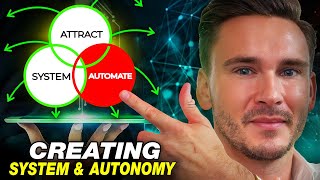
James Blackwell breaks down how recruitment agencies scale through systems and automation. He separates automation (tools like LinkedIn messaging) from systems (repeatable processes with people and tech), then walks through client acquisition: mapping 2-5k prospects, building lead funnels, and creating a sales system that works with remote teams.
Hello, ladies and gentlemen, James Blackwell here. And in today's video I'm going to walk you through what actual is autonomy inside a recruitment business and how you implement actual systems inside your recruitment agency. Now, I know I always get like a lot of questions around like how you actually implement systems inside your agency. And basically in this actual short clip inside this training, I'm actually going to show you the difference between autonomy and systemisation and what actually that could look like for your agency inside both bringing in new clients inbound and candidates inbound. So I hope you enjoy the video and at the end of the video, if you feel like you would like a personalized game plan and approach to actually implement these systems inside your agency, we actually have a unique coaching program that actually teaches recruitment business owners just like you how to basically reduce chaos, increase profit and build a bulletproof, solid, systemized business using our blueprint. So if you're interested in that, after the video, there should be a link somewhere down in the video and you can schedule a call with either myself or one of my team and we can walk you through that game plan. But in the meantime, enjoy this clip and I'll catch you soon. What the difference between systems and automation? So automation is a tool. So automation is a tool. So these are tools in your stack that go in, automate certain tasks. So that might be LinkedIn connections, it might be LinkedIn messages, might be follow ups, might be email campaigns. Those are really the things that are very good at automating. Well, when you're building systems, so systems are standard operating procedures, so it's not necessarily a system as such, but you're building systems within standard operating procedures. So you have systems. So we have systems for how we generate candidates, we have systems of how we engage with candidates, how we follow up with candidates, how we get them across the line, everything systemized within that business. So there might be a human element to that. And the beauty about building your system is once you built these systems, you hand them off to a team. So whether you've got a remote team, so you might have remote VAs that can operate a lot of these systems, or you might have your delivery team that is going to be capable of managing these systems. But the idea is we're moving you away from doing these systems. So once you create the systems in your business like I have, I don't have to do any of the systems. And most of the business in recruitment is, can be systemized, it's still going to take a human element as such to deliver it but it should be a standardized procedure, if that makes sense. Then on top of that we leverage actual technology systems. So within the systems there is technology systems that hold a lot of the weight of this. So it's a mixture between. So the difference between systems and automation is the automation is a tool and stack. And then systems are a mixture between actual technology, software systems and actually systemized processes that are managed by either remote teams, virtual or actual delivery consultants. Okay, so Andy's showing the clients and candidates. Chris for clients, client for Bethany and qualified candidates. Yeah, so I think most of you are. All the businesses is really structured into two areas. So you've got like, you've got clients and you've got candidates. And when we boil it down to first principles, these are the two things that when you split it down into a recruitment agency, we've got a lot within clients and a lot within candidates. And one thing that we need to do is I personally think is like clients are the lifeblood of any agency. Without clients, we don't have any income. Regardless if you have 25 candidates, we have no paying clients, we have no business. So normally the first thing we need to fix is clients. So a lot of you might be working active roles now, but it doesn't necessarily mean they're the right type of clients. So is it easy to fill roles? Are they quite hard to fill? Are they going to pay on time? Are they going to move fast in the market? Do they pay well to the candidates? Are they a Dream 100 client? A lot of these factors are broken down when we are first defining our niche and actually mapping out the market correctly. So when we're getting clients consistently, we want to have a lead, the lead generation funnel. So we want to have a lead funnel where we're consistently reaching out to our client market. So when I map a marker down with our clients, we Normally choose between 2 to 5,000 potential clients that we could work with in our niche. And with that we want to make sure that we're consistently engaging with this audience. Because at some point, normally between 1 to 2% of the market is actively looking right now and is open to having your help. But it's all about timing the message, how we reach out to them, how we follow up with them. So the first thing is like building a lead funnel that is going to get in touch with these clients. Then it's making sure that our message sequence is correct, which is like our follow ups, are they automated or manual? And how are you following up what is the message? And then it's how you convert them. So a lot of agency owners struggle with this conversion piece. That's because they don't have a proven signature sales system. So I work people through like a signature sales system which is like a firstly like a pitch deck of how we convert that client prospect into sign, exclusive or retained. So the idea we always want to get go for exclusive. I'm. I normally prefer exclusive or retained just because I know if we've got two weeks to work a job I know we're going to fill it. But you've got to walk the client through a journey to do that. So you can't just say that you're the same as every other agency. You need to have unfair advantages in the market. And you probably heard the old saying like usps, but we call them unfair advantages so we can get some more leverage from that client to sign them exclusive returned because it's hard enough getting clients on board, but we need to make sure that we can deliver as well. So the first thing we need to do is like I said, lead funnel. So we need to make sure we've got a mixture between automation and systems to get a constant flow of clients coming inbound and we can turn it on and off like a top. So when we've got too many leads coming in we can turn off that lead flow and then we can focus on delivery which is the candidates next. So like it's going back to the lead funnel. So we want to firstly like you need to map the market out completely. So you need a framework on how you're going to actually map your market out. And once you've done it once you shouldn't need to do it again. So like the first task is mapping the marker down for sure and then once you've mapped the market out is you want to have the right type of systems and tools here to reach out to the market like one to many. So that's without you doing a lot of the leverage and hand holding. You should be focused on building out your Dream 100 strategy and that's when you're doing more manual touch points and personalized outreach that we walk you through. But the rest of the market it's having a client attraction system that is going to reach on to the market, want many with the right type of follow up sequences, the right type of lead flow and then it's managing when you get the replies in, how are you going to manage them and how are you going to walk them through a process to then get them on a call and then signature sales system and then get them on a pitch to tie them up.










