Live with Mac @ Porn Free Millennial
In this two‑hour live podcast, host Mac (Porn‑Free Millennial) interviews James Menendez, author of Creation Awaits and creator of the Victory in Christ course. The conversation moves from a practical recovery tool called the FAST check‑in (Faith, Activities, Sobriety, Threats, Tools) to deeper themes of honesty, disclosure, and the role of spouses versus male accountability partners. James shares his personal testimony of childhood bullying, early porn exposure, substance abuse, marital breakdown, and a turning‑point conversion to Christianity that enabled him to confront his porn addiction. They discuss how pornography functions as a wound‑medicating behavior, the biblical framing of sin (lust of the flesh, eyes, and pride), and the transformative benefits of a porn‑free life: freedom and joy, restored relationships, and deeper intimacy with God. The dialogue weaves in scriptural references (Romans 6‑8, James 4:7, Galatians 5) and emphasizes that true healing comes from addressing emotional wounds, submitting to Christ, and using biblical counseling. James outlines his Victory in Christ program (three tiered Patreon offering) and his Creation Awaits Substack, recommending Christian‑centered resources over secular programs like AA/SA. The episode closes with a prayer for freedom, reconciliation, and the raising up of “soldiers of God” against pornography.
Chapters
Hey everybody, welcome back to the Porn-Free Millennial podcast. Tonight we're diving into a powerful discussion about redemption, healing, and practical transformation. Joining us tonight is James Menendez. He's the author of Creation Awaits, Substack, and also the creator of the Creation Awaits YouTube channel, and also the founder of the Victory in Christ course. It's a 10-week program designed to help individuals overcome pornography addiction and embrace true freedom through Jesus Christ. James is an amateur Bible scholar, biblical counselor, and addiction counselor who has dedicated his life to helping others find healing and restoration. His personal story of redemption is a testament of the transformative power of faith, and tonight he's here to share his journey with us. Now, real quick, uh, this is how we got acquainted with each other. James actually reached out to me on Substack. We both have a publication on there at the end of last year, and he wanted to collaborate, basically cross-post, uh, a post to start the year to give people encouragement and motivation to conquer the destructive habit of porn in their lives. Since then, we've been in constant communication. We've been fostering the start of a strong bond of brotherhood. It's been incredible to connect and share our mutual passion for helping others have freedom from addiction and destructive habits. So tonight, James is going to share his transformational journey with us, offering both inspiration and actionable advice. He's also going to give us deeper insights that will help you build momentum in breaking free from your destructive habits and embracing lasting Freedom. Whether you're seeking to break free from addiction, strengthen your faith, or restore relationships, this episode is going to be packed with practical wisdom and hope. And just to let you all know, we're going live right now. So we're live on X, we're live on YouTube, and those links are both on Substack as well. So this is the first time I've done a completely simultaneous stream, so this should be fun. So let's dive in. James, how are you doing today, sir?
Great, man. Thanks again for having me. And thank you for getting my name right. It's a difficult— yeah, but you got it right first time, man. I appreciate that.
Starting off strong. My last name normally gets pronounced wrong, so I feel like I have this, this, this sense of unity where I got to get it right because I don't like it. I don't like it when my name's not pronounced correctly. So, me too. Glad we started off on the right foot there. So to start this podcast, James is going to share his story of redemption, healing, and freedom through Jesus Christ. It's quite the remarkable story. And after that, after James shares that, we're going to dive into some practical advice for the year that you should be able to benefit from. And he's going to discuss what the negatives are when you have porn in your life what the positives are when you have porn out of your life. So start off, James, go ahead.
Thanks, Mac. Yeah, so, um, I have a pretty long story, but it's an amazing story of what God did in my life. Um, so I'm going to start back pretty young. Um, so I was raised Catholic. Um, we were basically nominal Catholics where Uh, you know, we would go to church on Sunday, you know, all of the sacraments, you know, we would, we would, you know, faithfully do all of those. I went to Catholic school, um, and so my understanding of Jesus was through Catholicism. And I can say with, uh, uh, clarity that I didn't know who Jesus was. I had no idea. I didn't know what he did for me. Um, it just never occurred to me. Um, and so when I was very young, probably 5 or 6 years old, um, we had a babysitter. Her name was Haley, and she was, she was amazing. Um, but, uh, she and my brother had this sort of like closeness that she and I didn't have. And, um, she would— she and my brother would play tricks on me. And so, um, so they would do like— the reason, um, so basically behind it was I had a speech impediment very young. I had a very hard time forming words. And so they would do things like they would lock themselves in my brother's room, and then they would make me say words that they knew that I couldn't say so that I wouldn't gain admittance into the room. And so, for instance, one of the words they had me try to say was supercalifragilisticexpialidocious. And as a, you know, 5, 6-year-old kid, it was impossible. I couldn't get it out. And so, um, what this did was it formed in me an intense desire for acceptance, right? This was the, the first seed of that. And so, um, fast forward, uh, 1989, my parents, um, you know, seeking a better life, decided to move from one part of town. I live in Tampa, Florida, and they wanted to move from one they did move from one part of town to another, from South Tampa to New Tampa. And so, um, I had been going to St. Patrick's Catholic School, and now because of the, the new location, I had to go to a different school which was called Corpus Christi. And so this was in the 4th grade. And so I had lots of friends at St. Patrick's, and, uh, and everything changed. And then all of a sudden there's all these new kids that don't know me from Adam. Um, and also the thing about private school is, is you, as everyone knows, pay to go to private school. And so typically the, uh, the income of the parents is a lot higher for these places, right? And so, um, but my parents, they were not wealthy at all, right? They, they, they worked really hard and they wanted to give their children a really good education. And so, um, I didn't have the rich people shoes, I didn't have, you know, all those kinds of things. And so even though we all wore uniforms, um, you know, the way I wore my uniform or the, the way I kept my hair or the shoes that I owned or, you know, all of it, um, would stand out. And I started being bullied by kids. And the desire that I already had, um, from, you know, the speech impediment and, you know, the things that had happened with the babysitter, uh, it was already creating in me this intense desire for acceptance. And so when I perceived that I was being rejected by the kids at school, I would react emotionally, which actually made it worse. And so like there was this one incident where I don't even remember what they said or what happened, but my emotional reaction was to like basically scream and jump up and down, right? And so I'm, I'm like, I guess, 10 years old, right? So 10-year-old kid is getting frustrated, jumping up and down, and it just fed into the bullying, right? And so, um, so the bullying continued throughout my middle school years. So from 1989 until I went to a different school starting in the 9th grade. So 4th grade to 9th grade. And so what happened as a result of the bullying was I started acting out, right? I didn't want— I didn't— I wasn't— I didn't know how to process what was happening. I didn't know how to, you know, I didn't know I could go to my parents with this. I was embarrassed, you know. And so I started getting detention. I started, you know, having those kinds of acting out. And then my parents, in turn, seeing that I was kind of going off the rails, were clamping down on me with punishments and, and things of that nature. And unfortunately, it really freaked out my father, and he and I's relationship— relationship started to suffer. And so, um, and so I would be bullied at school, and then I'd come home and I'd be bullied. And so I just never accepted, you know. And so this went on for a while, and then, uh, I think I was— it was the 7th grade, might have been 6th or 7th grade, um, in the, the housing development where we lived. It was still under construction. It was brand new. Literally, our road was the only road that had houses on it, and then it was just a bunch of roads that they had laid out in the complex. Uh, it was called Pebble Creek. Okay. And so, um, they started building all these houses. And so, you know, as a kid, you get on your bike, you go out with your friends, right? And you get into trouble. And so that's what we did. We got into a lot of trouble around there. Um, and so one day I was riding my bike around, I think I was, I was by myself, and I came across a construction site. And, um, in the construction site I found a shopping bag, and I opened it up and there was a pornographic magazine in there. And so I grabbed it, I took it home, and I obviously hid it from my parents. And I looked, you know, through the entire magazine and just, you know, took it all in. And then the next day I decided that I wanted to gain acceptance from my bullies, and so I brought the pornographic magazine to school. And when I got there, the kids— because I wanted acceptance so badly— my bullies, when I presented it to them, they wanted to take a page with them And so one by one, my bullies would come up to me, they would— I would show it to them, and they would rip out a page and give and hand it to them. And so there were probably like 4 or 5 kids that I handed them out to. So I'm distributing pornography at school in 7th grade, a Catholic school, right?
And right, oddly enough, that's not, uh, out of the norm. I would say that probably happens more often than people think.
100%. And so, um, inevitably I got caught, right? So the teacher found one, uh, that was in possession of one of my bullies, and, uh, you know, she asked whose it was, and for some reason I was brave enough to say it was me. And so, uh, they sent me to the principal's office, and I nearly got expelled, but cooler heads prevailed. And they allowed it to just be an out-of-school suspension. And so, um, so that was my first foray into pornography. And so, um, so my childhood— so the bullying continued even after, you know, the bullies, it wore off after a couple of, you know, minutes really, you know, didn't take long before they started bullying me again. Um, but also I noticed in around this time that girls were starting to notice me. And so, uh, you know, I would, I would hear whispers of, oh, such and such likes you, and, and this and that. And so in this, I found an avenue of acceptance, right? Oh, like there's something about me that people like, right? And so I, I rushed headlong into relationships seeking the gratification of, um, of acceptance. And, you know, um, and so, you know, I went, you know, so at first, being a good Catholic boy, you know, any kind of sexual activity I tried to keep to a minimum. My mother had told me, uh, because she was a good Catholic, she told me, uh, if you ever have sex, you're going to burn in hell. So don't have sex, right? And I think she meant premarital sex. I think she might have said premarital sex, so she might have qualified it, not sex in general, right? Um, and so, um, so I was, I was scared. I was, I was scared that if I made the wrong choice, I would, I would burn for all eternity, right? And so I, I avoided, right, as I started getting older, you know, and then the hormones start kicking in with both me and the girlfriends, right? Um, there was always a limit to how much sexual activity we did, right? And I mean, I did basically everything but penetration, you know. But, uh, so I mean, it's silly. I think back on it now, I'm like, it's ridiculous. Like, I was, you know, I wasn't being holy in any sense of the, you know, I was— it was a technicality, right, that I hadn't quite, you know, broken yet. And so, um, so that continued on until, um, I think I was a junior and I was dating a senior, and, uh, I finally relented and I had sexual intercourse with her. And so the moment it happened, it was like, well, that's it, I guess I'm gonna burn in hell. I, I couldn't, I couldn't keep myself from, from doing the deed, so you know, I guess, you know, since I'm not going to heaven, who cares? Like, what is it? What does any of this matter? Like morality? Like any of it, you know? And so, um, that's when I started, uh, into sex, drugs, and rock and roll. Like, if, if I'm, if I'm going out, I'm gonna die, I'm gonna have some fun on the way out, right? And so I formed a band and started playing music.
We started— oh, so you actually did do rock and roll?
Yeah, literally. Literally, literally.
Sorry for interrupting, but I thought that was— I, I got the, I got the terminology, but then you're actually like, I started a band. And yeah, so you actually did the full thing.
Yes, sir. Yeah. Okay. And so, uh, I was the rhythm guitarist, lead singer, and principal songwriter for a progressive metal band called Area 51. Oh man.
Okay, we have to put that in the show notes, huh?
Please don't. Yeah, please don't. So that was— it was a cult. Like, the— my lyrics were a cult. Everything was a cult. And so I'm not proud of anything that I did during that time. Um, and so anyway, but so here's, here's why I bring it up. So my need for acceptance made me shy, right? And so as you can imagine, getting up on stage and you you know, bearing your soul to people with your own personal music is really difficult to do. And so I've started picking up habits, right? Drinking, street drugs, alcohol, etc., right? And so this is where addiction, um, started entering into my life. Um, pornography— I mean, I'm— we're talking the '90s here, right? So if you wanted to access pornography, you you needed like a VHS, right? Eventually a DVD, right? Or a nudie magazine, or to go to, you know, an actual physical location to see, you know, people. There was no internet back then, right? And so pornography wasn't really an issue with me. Like, obviously—
and you're Gen X, right? I am Gen X. Okay, that's neat, that's neat. I don't, I don't know if I've interviewed a Gen Xer. Oh, cool. So that's pretty cool.
It pleases me to be the first. Yeah, so we're really weird because we had all of this archaic stuff. Sure. You know, and then, then the internet came into being, and we weren't like really old, you know, when the internet came along. And so we started, you know, our generation knows what it's like to not have the internet. And I think we're pretty much, you know, aside from the boomers, you know, were in who don't even want to—
I had a teensy bit, so I was born in '91, so I still remember the dial-up internet. So there was a time, but it was a very short period of time, I think.
Yeah, you know, so we had, we had a glimpse. Yeah, in, I think in like the, the mid-'90s, the kid across the street got something called Prodigy which was like a precursor to AOL where it was dial-up internet. But I mean, that was it. We didn't understand it. I remember the first time I wanted to access the internet. There's this internet, you should access it. I went to an internet cafe. I don't know if you're familiar with this, but literally there were these cafes where you could go and you could pay a fee and they would give you access to the internet for an hour. Right? And so I remember somebody gave me their email address. And I took it and I put it into the, the place where you're supposed to put the URL. And I hit enter and nothing happened. It was like an error. And I'm like, that's weird. I thought that's what you were supposed to do. Which is funny because I'm a web developer now. So it's kind of an embarrassing story for me, I suppose. But, you know, everyone's new at But, uh, anyway, so we didn't have the internet, and so pornography was few and far between. If you knew someone who had access to it, you would watch it, you know. Um, I will say that when I, um, when I was a preteen, a kid down the street found his parents' pornography collection, and we went to his house and we would watch for hours, you know, all of this hardcore pornography, right? And so, you know, really developing those, uh, those, uh, ideas of what women are and what they want, you know, at a very early age, uh, which is a deception, right? But this is what I started to believe. I started to believe that this is what women wanted, right? And so, um, so anyway, fast forward. So I, uh, so I was in Sex, Drugs, and Rock and Roll, and then, um, right out of high school, you know, sexually active. And I met a girl at a Subway, and she and I started becoming sexually active, and, uh, she got pregnant. And so my first son was born, you know, obviously 9 months later. And, uh, and so, you know, life pretty much changed at that point. Uh, now I'm a, I'm a husband, I'm a father. And, uh, I have this person to be responsible for. And so, but I mean, being— I'm an addict, you know, I'm a, I'm a, you know, musician, you know, so I was not really holding down a job. I don't have Christ in my life. And so, you know, I'm just kind of all over the place, not very responsible, you know.
Sure.
And, um, anyway, so Uh, she and I lasted for, I think, like 5 years, and then, um, we started getting separated. So during my marriage to her, that's where, uh, we have AOL coming online, right? And now, you know, pornography— you know, the thing about humans is as soon as something's invented, the first thing you do is say, how can I have sex with this? Right?
That's, that's so true.
I mean, seriously, like, how can I—
so true.
And so, you know, the, uh, we got a computer, you know, put the AOL CD-ROM in there, you know, loaded it up. Actually worked for AOL customer service for a while, actually.
And, uh, yeah, it's a relic right there.
Oh, absolutely. Yep. Um, and so, uh, with the internet, uh, all of a sudden pornography is, is super accessible, right? And so the interesting thing is my my wife at the time, she was, she was very suspicious that I was cheating on her. And I hadn't, hadn't actually had an affair or anything like that, um, but I was using pornography quite regularly on the internet. And so it's funny, women, they are very intuitive. They know that something's wrong, they just don't have the facts, right? And so, um, it, it eventually, you know, my um, my pornography use, my drug use, my irresponsibility, um, drove that marriage to divorce. And so we were divorced. And, um, and so, uh, you know, pretty much around that time is when I met my second wife. And so, uh, you know, she and I, we started you know, sexual relationship right off the bat. You know, she was a musician too in the, in the area. She was the lead singer of a band. I was the lead singer of a band. And so we started our relationship and eventually got married. So, um, the, uh, here's the interesting thing. So we want— we have this house together. It was a rental property. And we really couldn't afford it. And so we asked someone to, to roommate with us so that we could afford this house. The house was amazing. It was this beautiful, like, 2-bedroom house. It had a pool and a deck. It was, it was amazing. And a garage, like a separate garage, and which was perfect for us because we were, you know, practicing with our bands in this garage, you know. And so let me give you a snapshot. So we would practice, you know, a couple times a week, and of course the whole time we're doing alcohol, drugs, right? We're drinking and everything, partying. And so one day we're on the back deck and we're all sitting around after practicing and just drinking, you know, and probably half drunk. And as typically happened at our house people knew it was the party house, so they just showed up, right? And so some, so some people just show up at the house and they're like, oh hey, uh, what's the occasion? And I'm like, Tuesday. So that was pretty typical of how it was back then. I mean, we drank like at least a six-pack a day, probably. Wow. So pretty, pretty hard alcoholism. And so I understand now that what I was doing was I was pouring medicine on the emotional pain within me, right? Sure. And so, um, so the roommate that we had, um, to help us with the rent, uh, you know, we were all like doing drugs, we were all drinking, you know, and so responsibility wasn't very high amongst us, right? And so um, there started being tension in the house, right? And then we started noticing that all of these weird things were happening. And I mean like supernatural things. Like, um, I'll give you, for instance, one day my son and I were having an argument. It's not like a heated argument, but it's just an argument about something. And as we're standing there, we're in like a, um, the dining room And there's a window right next to us, to us, to the side of us. And as we're arguing, we hear click, click, click, click. And we go, we take a look, and the mini blinds on the window, it looks like there's an invisible finger like going like this down the mini blinds. And we look at each other and like chills like go down our back, right? And he looks at me, he's like, did you just see that? And I'm like, yeah. What is that, you know? And this is just— I could tell you all sorts of crazy stories about the haunted house that we lived in.
Those are always, those are always fun stories.
Yeah, well, yeah, absolutely. I always come back and tell you the part 2 about the haunted house.
Absolutely.
But, uh, so all of these strange things are happening, right? Yeah. And, um, at the time, I'm an, I'm an atheist. I'm Well, I would— I guess at the time, well, yeah, I was probably an atheist at the time, by that time. And so I'm seeing all these supernatural things going on, right? And, you know, to me as an atheist, right, everything is just matter in motion, right? And so what, what is this? Like, how do you quantify this, you know, within, uh, you know, science? Like, how does science account for this, right? And so then one day, the strained relationship between the roommate and I, um, there was an occasion where we needed rent to pay the landlord, and so I needed rent from the roommate. And so I go to ask him, he comes out of his room, and I start to go ask him for rent. In his head flips in my direction, facing me, right? And his eyes are completely black, and the look on his face is complete and utter hatred, right? Like, I have never seen the level of hatred that was on this man's face. And so I just stopped talking, and I just started kind of like backing up. I'm like, okay, maybe I'll get the rent later, you know? Um, but, uh, what this did was it made me— it gave— there was like the seed planted in me that day. I have just experienced supernatural evil. I know it exists. I just witnessed it, right? What just happened is not scientifically possible, right? That was— I've seen it in the movies. It's called demonic possession. Like, I've seen that before, right? And so, um, so the, the question that entered my mind is, well, if there is supernatural evil, does that mean that there's supernatural good? And if so, what is it, right? And so there's this question mark left hanging in my life. And so inevitably we kicked him out of the house. We found, you know, all sorts of crazy things. He was doing witchcraft and stuff in the house, which is why the demons, right?
There you go.
And so even though I was an atheist at the time, um, my wife and I, we had gone on our honeymoon, uh, this is my second wife and I had acquired a bottle of holy water. You know, I saw this in the movies. This is what you do, right? Just go around the house splashing, you know, in the name of Jesus, like splashing holy water everywhere, right? And, uh, you know, not in any way like understanding faith or grace or, you know, what Christ did for me on the cross, but just, you know, copying the movies. And so after he left and after he splashed holy water everywhere, the, the supernatural activity stopped in the house. So, uh, it worked. And so that also left like, I think, like a little underline right there, like, hey, that worked, you know. So, but it didn't— yeah, I didn't come to Jesus at this time, right? It took a little while longer. And so, um, fast forward, um, my wife and I, we are married for I think 10 years. Um, this is in 2014. And, um, my life was a living hell in 2014. Living hell. So my marriage is failing, I'm a probably 3 times a day porn addict, my, um, my business is failing, my relationships are failing, my band is over, right? Like everything, my whole life was just like in tatters. It was in ashes, you know. If I look behind me, I could see just a long train of burned bridges. You know. And so this is when I decided that I didn't want to be around anymore. And so I, uh, so I don't ding the YouTube censors, I'll just say that, uh, I decided to check myself out, right? Right. And so, um, at this point in time, I am a full-fledged atheist, all right? And so in— during the process of me, uh, trying to check out, trying to shovel off my mortal coil, let's say, uh, I cry out to God, which is strange to me as an atheist. Like, why am I doing this, right? Why, why am I calling out to a God I don't believe in, right? And so I put down the weapon of, you know, that I was going to use. And I, I say, you know, if, if there's even a remote possibility that I'm gonna be, you know, waking up in a very hot place, maybe I should go and take a look at what the Bible says, right? And, um, just to kind of give you a little context, as an atheist, I read the Bible all the time, you know, in spurts, like little verses here and there to disprove it, right? Uh, or to find something in it like aliens, you know. My band was Area 51, so I wanted to find aliens in it, you know. And so, uh, yeah, I love that. And so I said, if I'm gonna read it, I'm really gonna read it and I'm going to let it speak to me rather than me trying to find what I want to look— find in it, you know. So that's what I did. And I recalled my father, he told me, if you ever read the Bible— this was when I was a teenager, he said this, and the Lord brought it back to my memory— you should read— you should start reading in Matthew. You really shouldn't start reading in Genesis. And so I did. I, I think I had an iPad at the time. and I downloaded the Bible app, uh, the YouVersion, and just started reading in Matthew. And so, um, so I started reading, and at first, um, I started getting surprised, right? As an atheist, I really thought I knew what was in there, you know. I really thought I had gone to Catholic school, right? We had religion class. By the way, the only thing you ever learn in religion class at Catholic school is Catholicism.
Um, so I grew up Catholic too, so everything you're— I think just, just to butt in, I mean, so far just about everything you're saying, it lines up with my life story in a lot of regards. So it's, it's so cool that we're talking tonight. Uh, but yeah, I totally agree with you. Catholic school was learning Catholicism. And, uh, going to church every Friday. I think that we did. And also, I do remember Faith Field Day. I don't know if you ever did that. Maybe that was a little after your time, but it was basically like, um, a field day but for faith. So there'd be all these quizzes and challenges, and then whatever color you were matched up. So first grade orange, eighth grade orange, all the points would add up, and at the very end of the day, they'd announce what color won faith field day. So it was fun, but looking back at it, yes, there was a lot of disconnection from Jesus and connection with Jesus. So yeah, I just thought I'd add that in right there with you.
Yeah, I appreciate that. Um, I didn't have any, any kind of faith field day. I don't recall that in Catholic school, but you know, every Catholic school's somewhat different, I suppose. But, uh, anyway, so I'm reading the Bible And so just to kind of give you context, like, I'm, um, I have my own company at this, you know, at this point. And so I've basically just like forsaken everything and I'm just spending every day now, uh, reading scripture, right? And so as I'm reading, this person of Jesus just starts jumping off the pages at me, right? I'm, I'm like impressed by him. Right? What he's saying is resonating with me. And, um, and so I continue reading, and I read for probably about a week, maybe a week and a half. And, um, I get to— I'm pretty sure I was in the book of Ephesians, and I read something. I don't remember what it was, uh, but when I read it, it like hits me like a ton of bricks. That, oh my gosh, this is true. But not only is it true, it's true for me. It's available to me, right? And as soon as I have this thought, it's like the room had been— had like this dark cloud in it, right? And all of a sudden that cloud just dissipated, and then light is shining in through the window. I will never forget this moment. And I took this deep breath And for the first time in decades, I felt peace, actual peace. And I know now that this was the baptism of the Holy Spirit. I accepted Jesus' sacrifice for me on the cross, and the Holy Spirit entered me at this moment, entered me, and he started giving me peace immediately, right? This is what I've been seeking, right? All of the drugs, all of the alcohol that I was pouring on it, all of the acceptance I was seeking for. I was accepted. I was already accepted. I, I had been accepted the whole time. And so that was it, man. Like, okay, let's go, let's figure this out, right? And so I told myself two things. I made two vows that day. The first is I'm not going to be a bash-you-over-the-head Christian with the Bible Christian.
Right?
Sure. Um, and unlike most Christians, I'm actually going to read the Bible and do what it says, right? Because a lot of Christians I knew, they were not living up to the example of Christ. And I said, if I'm going to do this, I'm not going to be a hypocrite, right? And so that's what I started that day. I started trying to figure out who Jesus was and what it meant to follow him. And I was terrible at it at first. And so my wife at the time, she was agnostic. Um, she was very much into like the Eastern sort of new agey kind of stuff— yoga, Reiki, that kind of stuff. And so I was certain this was going to end our marriage. Like, as soon as she found I was a Christian, she be like, uh, I didn't marry a Christian, you know, see you, right? Um, and so I kept it from her for probably about 2 weeks. And so I'm trying to build my faith up, I'm reading scripture, right? And, um, I, I asked the Lord, right, because my only, um, you know, idea of what a Christian should be came from Christians. And so I see Christians going proselytizing to people all the time. And so I wanted to know from the Lord, like, what, what do you want me to say to my wife, right? Because obviously now that I have this faith, I would love for her to follow in that faith, right? And so I asked him, and the answer he gave me surprised me. When I asked, what am I supposed to say to her? He said, nothing. That's my job. What you're supposed to do is be Jesus to her. Serve her. Love her. I'll do the rest. I said, okay. And so that's what I said about doing. So for context, I had been the worst husband imaginable. I never did anything around the house. I was addicted to pornography, kept secrets, all these things. I was mean to her, right? And so that's the husband she knew. All of a sudden, I gave my life to Jesus. Now I have the Holy Spirit within me. I start doing chores around the house, right? And so, but my wife is a, is a sort of, uh, suspicious person, right? Sure. And so when I start doing this, she's like, what's he trying to get over on me, right?
What did he do wrong?
Exactly. Like, what is he— he's trying to trick me into something, right? And so, have you ever seen the movie Fireproof?
No, I've not. Who's in that?
Okay, so that's a Kirk Cameron film. It's a Kendrick Kirk Cameron in it. It's a great film, but literally I lived that movie with the exception of like the actual firefighting. Like my wife and I went through almost everything that's in that movie where, you know, her husband in the movie, played by Kirk Cameron, he's a terrible husband. He finds Jesus, gives his life to Jesus, and then starts serving her, and she's like, what are you doing? I don't believe it. I can't believe it's true. And, uh, there was even a scene in the movie where the wife of Kirk Cameron gets sick and he brings her soup, and that's when she like breaks down and she's like, I don't understand what you're doing. You know, me and my wife had the same moment, literally the same moment. And in the— in that moment in the movie, Cameron kneels down and he tells her how sorry he is for how much he hurt her when he was apart from Christ. I literally told her same exact thing. And so, um, so yeah, so I'm serving her, I'm loving her, I'm being Jesus to her as much as I possibly can. And I'm also going to kind of back up a little bit. So the instant that I gave my life to Jesus, the drugs went away, the addiction to drugs went away. Alcohol followed shortly thereafter, and I was also a smoker, and that, that followed shortly immediately thereafter me quitting alcohol, but I'm still a porn addict.
Okay, can I ask you really quick with the alcohol and the drugs? Sure. Was it something that just internalized when you were committed, when you committed yourself to Jesus? Was that just something in your mind that it's— that told you this doesn't, this, this doesn't match up with living the path? Is that, is that what mentally did it for you initially with the, with the alcohol and the drugs?
Yeah, so day— obviously the conviction of the Holy Spirit comes on as soon as he, you know, as you give your life to Jesus. And so he convicted me day one that the drugs have to go, the alcohol has to go, and the smoking has to go, and so does the porn, right? And so, um, so yes, I knew instantly that those things were bad. Right? And then I needed to stop. And so the drugs, day one, never— I never touched drugs again. And I would do like Xanax, like mushrooms, like all sorts of drugs, right? Never had a problem with it. Day one, alcohol was a little more tough, um, but eventually, you know, not very much long after giving my life to Jesus, the alcohol went too. And then smoking after that. And so now I'm left with one vice, and that's pornography, right? And so, um, so even though that I'm, I'm being like super husband to, to my wife, I keep going back to the trough of pornography over and over and over again. And you know, it's a cycle, right? I do it, I feel horribly ashamed about it, I tell God, God, I triple swear I'll never do it again, please, please, please help me get rid porn, stop for a while, go right back to the porn, the whole cycle starts over again, right? I didn't know at the time that there is something called a shame cycle, and I was completely mired in a shame cycle. And so it is a real bummer to be a Christian and be a porn addict. It is a— it's a bummer.
Incredible bummer. Uh, just as something to add in, just for my personal story, when I was in second grade, I internalized that if I looked at porn, I'd be going to hell.
Even you even looked at it?
Okay, if I looked at it, that's how I internalized it, that it was this cardinal sin, that it would be so difficult to get forgiveness. I'd have to jump through all these hoops and get all these— do all these sacraments. This is how in my mind. Now, if I could go back in time and if there was a video recording it Did they say that exactly? I don't know, but I internalized it to where I was convinced that I was going to hell. So then when I watched porn for the first time when I was 10, in my head, like you were saying, and same thing for me when I had sex before marriage, you just think about it and you tell yourself, well, I did the thing. Yeah, I'm done. I'm done for. So why would I— why would I even try to change my ways?
Absolutely. It's meaningless at that point, right? It's already done. You've already sinned. There's no forgiveness. There's no, you know, nothing, right? As far as I was concerned, like, it was over, you know? So, so, um, I need to pause real quick.
Yeah, yeah.
So why don't you continue with your story a little bit more, and I'll be right back.
Okay, all right, cool. All right, we're going to hop over to me really quick. James is going to take a quick break. Hopefully y'all are enjoying the conversation so far. I really appreciate all that's been sharing the message online. Uh, thanks to everyone on YouTube, on X, on Substack listening tonight. Uh, we have some, some good viewership so far, so really appreciate it. If y'all have any kind of questions for James and I, uh, feel free to add them in the chat.. We'll see if we can get to those at the end. Uh, that'd be fantastic if y'all have some, some questions for us. Oh, I got a, a statement from Doc over on X who's been an awesome supporter. Really appreciate you, Doc. You need to work on your beard game. James is on pro mode. That is so true. I, I shaved it a little bit, uh, trimmed it up, but I might have to take some tips from James, so That's hilarious. But, uh, yeah, great conversation so far. I think what I was just saying was the shame cycle is a huge thing. I think when we struggle with porn, and especially as Christians, we have this internalized, uh, I would say, thought that we're just unlovable, that we're disconnected completely from God, that he's not going to love us every time we do this. And I think what we gotta, we gotta remember and what we have to focus on, which I think James is going to get to and what he's been talking about, is there's these very deep, deep, deep, deep programmed hooks, triggers within us. I mean, I started when I was 10. These things— porn hooks itself deeply into us when we're young. And James is back. James, I was just saying that I think it's, I think it's really, really important that you have been telling your story from the beginning because when I think about my story with porn and why it caused so much devastation to my life and why it was so hard for a while to really kick it is because when you're young, like when you're 10, when you're just a young kid and you're impressionable, you're curious at first, but your brain's not even really developed, so you don't even, you don't even know what you're getting yourself into. And the porn, especially today and in the modern world, is, is very, very graphic, traumatic, and not just for kids but for adults. I mean, this is stuff that even if you see this as an adult, it's stuff that I never would want to see. When you think about the internet, right, we, we— I've seen more things in my life than anyone would have ever seen in their life in 1980, because there's no internet. You wouldn't have seen this graphic stuff ever. It'd be very rare, right? You'd have to almost be in a situation that might be dangerous, that, that you don't want to be in, to actually see that stuff happening live. But now you can see that, and really ever since the internet started, you can just see that at a click of a button, at a, at a swipe of a finger. Uh, and, and that's at the fingertips not just of adults but of children. And I know for me, I saw porn before I even kissed a girl. So that, that has some— yeah, yeah, that, that has a deep effect. That's a really deep effect. So I just want— I was just talking about that while we were on the break. Uh, we do have a question in here, uh, okay, that, that we can I don't know if you want to answer it now or we can talk about it later.
Um, we could probably do a session at the end where we do all the questions together.
Yes. Yeah, Trevor, thanks for asking the question, bud. We'll answer it at the end. Really appreciate it. But James, I think where we were at, right, was we were talking about how the Holy Spirit— you accept the Holy Spirit, which I just think is phenomenal. It's powerful. I was getting goosebumps when you're talking about it, man, because it's a, it's a great feeling when you, when you feel God's hand on your shoulder letting you know, I'm right here with you. And, uh, so you're talking about, I think, the alcohol, the drugs, the cigarettes, the smoking, and now shifting to the, to the porn. Let's, let's talk about that.
Yeah, absolutely. So, um, so once again, you know, I'm repenting, sinning, repenting, sinning, just over and over and over again. And so, um, for 5 years after giving my life to Jesus, I'm in this cycle, shame cycle of sin to pornography, over and over and over again. And so, um, about 5 years later, I started noticing that my wife was becoming interested in Jesus, right? And so the, the she had seen the transformation I had made, right, from basically the worst husband imaginable to this person who was serving and loving her consistently, right? And so just to give you kind of a little bit of context, um, she saw me change personality all the time. My desire for acceptance caused me to go through these little phases where I would change my personality, right? When I, when I got to a specific where I realized I'm not getting the level of acceptance that I, you know, wanted or desired, then I would just switch and change, right? And so she thought that Christianity was another one of these changes. She thought I was just like, oh, I'll just change my personality for a little while, you know, and then whenever that didn't work out, I was just gonna flip to something else, right? So it actually kind of upset her a little bit when I told her that I was going to be a Christian. She was like, You don't— you shouldn't mess around with stuff like that, man. That's, that's a, that's a faith, you know?
Sure, sure.
And so, so anyway, so we, uh, so she thought that I was just going to change again, right? And so, um, so 5 years into my walk with Jesus, I'm, you know, I'm at my church, I'm, I'm praying for her, right? And, uh, one day I caught— I, uh, I asked her if she wants to um, go to a marriage conference with me. And, uh, she agrees. So I was really surprised. I was not expecting her to say yes. She is not a Christian at this point, right? But apparently her heart was being softened. Oh, you know what? There's a really, really important part that I don't want to miss. Okay, okay. So just before this, right, I had a routine where I would get my gym clothes on, grab my gym bag, go to the gym and then drive to work, right? And so I did this routine every single day. And, uh, one day I have my gym clothes on, I literally have the bag in hand, I'm about to walk out the door, and I hear the voice of the Lord tell me not to leave. Like, what? And I know it's him, right? When, when he speaks to me, it feels like with every fiber of my being that this— that he's telling me something, right? And so I literally like dropped my bag and I'm like, okay, what? And then I hear, your wife, you need to go check on her. I'm like, okay. And so I walk back into the bedroom and I see my wife. She's laying in bed and she has tears streaming down her face. Wow. And I say, what's wrong, honey? And she says, I'm so done. All of the— she had been like sick and going through a lot of struggles at this point, and she was just completely overwhelmed by it. And after she said that, the third thing the Lord said to me hit me right then. He said, now, now you tell her about me. And so right there in that moment, I said, honey, there's another way. And she said, what are you talking about? And I said, I'm not telling you that Jesus is going to heal you, right? I'm not telling you it's going to be the greatest thing ever, but what I am saying is you will have hope in him. And so I— we talked for a little while and I knew that the Lord was bringing her, right? I knew it. And so then I asked her to the marriage conference. She agreed. And so this is how it went. So the marriage conference had 4 breakout sessions that you could choose from, right? And so, uh, and then so when you're registering for it, you had to choose which ones you wanted. So it had parenting finances, communication, and sex, right? And so I said, well, you know, the kids out of the house don't need parenting, finances are pretty good, right? I said, so that leaves communication and sex. So you had to pick two. So I chose communication and sex, and the sex one we chose for the morning and communication for the afternoon.
Yeah.
And so we go to this marriage conference, things are going pretty well, the the next morning is where the breakout sessions are. So we wake up early, go to the— go to the church, excuse me. And, um, and so I have— the Lord set me up, by the way. Like, I'm sure he's laughing at this point. He's giggling and with glee about what's about to happen, right? And so, uh, I, you know, in my mind I'm thinking, well, it's probably like a nice old pastor who's going to take us through all the scripture and tell us what good biblical sex is, right? And that is not what it was, okay? So what it was, in fact, was a couple, uh, who were part of the congregation of that church, and they were giving their testimony about how he had been addicted to chat rooms and pornography, how it nearly destroyed their marriage, but they had had redemption in their marriage and their marriage was stronger than it had ever been. And so I'm sitting there listening to this testimony, my wife's sitting right next to me, and I'm literally like shaking, you know. I'm trying to hide how much I'm shaking because this is me. The thing that this— the, the story that this guy is telling is my story. It's the same story, right? I'm the porn-addicted Christian who can't overcome his porn addiction, right? And so at the end, they asked if if anybody had any questions. And so I raised my hand, and the only question that I had was to the wife, and I asked her, how could you have forgiven him for what he's done? Right? Why am I asking that question, right? Because that's the one I want the answer to, right? In my own, my own struggle. Because I was certain that if I revealed all of this, like it's over, like, you know, the marriage is done, you know, all of it. And so, um, right after the breakout session, um, we had a lunch break. And so, and she and I, we actually walked to the church. So we walked home during the lunch break, and I disclosed everything to her, everything that I had done. I told it to her, and I was like shaking. I was certain, like, this is it. Like, we just went to a marriage conference, we're going to have a divorce. Course right in the middle of a marriage conference. And so what surprised me was she didn't get angry. She had compassion and empathy for me. She forgave me. And then she confessed some sin that she had been a part of. And so we were like, okay, so now what do we do? I don't know, let's go back to the marriage conference. And so we go back to the marriage conference, and the, the second part of it was communication breakout session. And so this conference was put on by a local biblical, um, counseling center, uh, and the woman who was doing the breakout session, she was a biblical counselor. And so she— her breakout session was about, um, you know, the way people fight and the kinds of things that go on in your brain, uh, and the fears and pride and things that kind of get in the way of communication. Um, and so at the end of it, my wife and I, we decided that we were going to go to therapy. We're going to go to this biblical counselor, this Christian biblical counselor, and get therapy together. And so, um, we called and she recommended that we do what she called an intensive weekend, and it was intense. For sure. So basically the idea is instead of like, you know, an hour a week for, you know, 20 weeks, it was like 20 hours in a weekend, right?
Wow, that's a lot.
Yeah. And so, you know, I show up. Once again, God's giggling. He's set me up for what comes next, right? And so, uh, so the, the counselor, she's doing cognitive behavioral therapy, right? And so she starts with my wife, and she starts asking her questions about her life. And she's got this big old whiteboard, right? Um, and she starts, you know, as my wife is talking about everything that's gone on in her life, she starts writing down all these things, right? She seems to be interested in certain things, and she starts writing them down. And so by the time my wife is done talking, the whole you know, whiteboard is taken up with stuff that she's written, right? And then she kind of summarizes it, right? And so basically what was on that board was a long train of male abusers who had abused her over and over and over again, right? And so I realized in that moment that I was just one more abuser in her life. I was, I was the guy at the end of that long train of abuse, right? I was, I was the caboose. And so, yeah, it was powerful. It was a powerful moment just to see all of that on the board, right? And so she rips off that paper and she starts asking me about my life, right? And so, uh, so as I'm telling my story, there was a moment in my story where I was literally gloating about sin, about sneaking around and getting away with stuff. Right there in front of the therapist, right? And even after I said it, I was like, ooh, that doesn't sound very good, right? Right. And so she gets to the end of asking questions, the paper's all filled up, right, on the board. And so she summarizes it, and it's basically, so you've basically spent your whole life not feeling accepted and sneaking around and doing what you wanted to do. And I mean, it hit me like a ton of bricks, right? Sure. And so I go home that night, we had therapy again the next day, and I can't sleep. Like, it's bothering me. It's like really bothering me, right? The gloating that I did in the middle of this thing, like, was— it was like there's something within me that wants to sneak around. There's something within me that wants to get away with it, right? I've been trained You know, when people didn't accept me, I just did whatever I wanted to do, right? If you're not going to accept me, fine, I'll show you an image of who you want me to be, and I'll just sneak around and do whatever the heck I want to do, right? That's what I did. And so the next morning, I showed up— we've showed up, my wife and I showed up to counseling again, and I told her, I told the therapist, I said, I don't want to be that person anymore. And I pointed at the board. I don't want to sneak around. And And so after they suggested that I go find, uh, some kind of accountability for pornography in order to overcome the pornography addiction, and so I had already like watched the Conquer series, uh, which is on soulrefiner.com, and, um, and so I was familiar with it. And so I was like, okay, I'll just find like a Conquer group in the area. And so I went on their website and I searched, and I— there was a couple like somewhat nearby, and I reached out to them and I never got a response. And so wanting to have accountability, um, I decided to just start a Conquer series group at my church. And so that's what I did. And so I started it. I started, um, you know, advertising for it on the church bulletin and everything. And people started showing up, right? It wasn't a lot at first. It was like one here, two there, right? And so I started getting over my own pornography addiction, learning the tools necessary to get free. But then I was also starting to help other people break free as well. And so, um, after, after I learned so much during that time helping other people, seeing what they're going through, seeing their successes, you know, knowing my own successes and what I'm going through. And then between the cognitive behavioral therapy and the Conquer series and my own study, I started forming basically like the foundation of what is now Creation of Weights on my Creation of Weights Substack. So basically, Creation Awaits is, uh, on my Substack, is I would repeat these things over and over and over again to people, and I was like, you know, one day I really ought to like put this down somewhere so that I could tell them, hey, just go to this link and read about this particular thing, right?
Sure.
And so eventually that's what I did. But anyway, so I was a porn addiction counselor and have been for the last, I guess, man, it's almost— see, 2019 to 2025, so 6 years now I've been doing porn addiction counseling.
That's phenomenal.
That's awesome. Yeah, man. And so finally I was able to break free, uh, and you know, when everyone shows up for the porn addiction course— every man, let's put it that way— what we want is we want to just take the tools that it's trying to give us, right? Like, oh, it's going to have, you know, these secret ways to do it, and then you follow those secret ways and then blippity-blam, right?
Yeah, it's done.
Yeah, it's done, right? That doesn't work, right? 100%, that does not work. That is not how porn addiction courses work. That's not how to get free using a porn addiction course, right? And so what I eventually came to understand is that the grace of God is what sets you free, right? And so, um, when I finally got to the place where I understood the grace of God, right, and that all— so what humans are basically attempting to do is derive, uh, well, let's put it this way. What people want is to be accepted, secure, and significant, right? Those three things. And so the problem happens when we try to derive our acceptance, significance, and security from things that aren't God. Great, right?
Yeah.
So when you go to the porn, what are you looking for? You're looking for acceptance, right? When you, you're driven to succeed, what are you looking for? Significance. You want to leave a legacy, right? Right. When, when you, uh, you know, get a nice job, right, and you feel all good about yourself, the job is security, right? You have money, you can provide, right? These are the things that men are— look, everyone's looking for, women and men, that's what they're looking for. And so the truth is that only comes from God. The only true source of acceptance, significance, and security comes from God. And when you find that in your life, when you actually start deriving those things from God, that's when you start healing, right? Because I don't need acceptance from the pornography. It already comes from Christ. I don't need significance from my job or security from my job. I don't need significance for leaving a legacy. It's all ashes and dust anyway, right? You can, you can get all the trophies you want in the world, right? Here, let me ask you a question. Name somebody that got a trophy in, uh, ancient Egypt. That's right.
I'm sure the pharaohs probably devised trophies for themselves. Yeah, King Tut's like, I won it again! Everyone's like, yay!
But he's dead and gone, and he can't enjoy it, right? It's all ashes and dust. The only thing that has any lasting significance is what happens between you and God, right? And so when we derive our significance, acceptance, and security from God, we can start healing from pornography addiction. So I did want to go into those things that we talked about. Um, it's a good segue, right?
Yeah, I think it's a great segue.
So we're going to talk about some of the, the destructive effects of porn. So you already heard a lot of them in my testimony, right? But so first off, one of the most, um, destructive effects of pornography is shame and isolation. And so, um, Secrets are what put the bullets in the enemy's gun, right? And so that's why pornography is a secret sin, right? We don't want to share with anyone the things that we're doing, especially our spouse, right? We do not want them to know that we are choosing a sexual object other than them, right? We We don't want them to know that. We don't want our pastor to know that we're doing it because we wouldn't look like good Christians. We don't want our boss at work to know it because we'd probably get fired if they knew what we were looking at, right? It's a secret sin. But the secrets put the bullets in the enemy's gun. And so in order to break free, you have to remove the isolation and you have to remove the secrecy. That's the only way out, okay? And so as you heard in my testimony, the disclosure to my wife was the freeing agent, right? And so all of a sudden she knew all of my secrets and she still loved me, right? And so the disclosure was a very healing moment for me, okay? And so now my wife and I, we set about staying in freedom, right? So that if anything started coming up, she and I would talk about it, we would communicate right? And so shame and isolation were killing me. Let's talk about that, right? So the shame of it— once, you know, I'm sure anyone who's listening right now who is a Christian man who is struggling with pornography addiction, right, knows just how horrible it is, right? The shame is almost unbearable. It's unbearable. The, the feeling that you get when— right after— and let's talk about the one-two punch of the devil real quick. Okay, so the first thing that the devil says is, come on, it's fine, everybody does it, there's nothing wrong, just do it. You know, that's number one. And then you do it, he says, look what you did, see what you did to God.
Yeah, how's God gonna love you after that?
Exactly right. That's his one-two punch. And so, um, that's what it feels like, right? I don't know, are you familiar with Patrick Carnes? Karnes.
Yeah, my, my mentor talks about him all the time.
Okay, good. Yes, so Patrick Karnes— this is really important— he wrote a book called Out of the Shadows. I recommend it to anyone, uh, who is, uh, in porn addiction or is wanting to help people overcome porn addiction.
And in it, show notes too, absolutely.
In it, he talks about the shame cycle and he gives it 4 different, um, parts. Okay, the first part is called ritualization. All right, and so this is where you're thinking about sex, right? Um, you are— actually, I'm going to bring it up just to make sure I'm 100% accurate on this.
But yeah, this is— it's phenomenal you're bringing this up because this is a lot of stuff that my mentor and I talk about.
Okay, cool.
There's a ritual of where we're preoccupied in our minds with these thoughts, right?
Let me see if I can find it. Um, just give me one sec.
No, no problem. Yeah, while you're going, I think, uh, the ritual is very interesting, uh, to think about. So listeners, when you're thinking about this, what rituals do you start to do when these thoughts go into your head? When these triggers come. I think like, like James is saying, I know looking back at me, there were certain things that would trigger me to where I would start to have these intrusive thoughts. I'd start to have the urge to want to go back to pornography. And it wasn't like I would just go straight to pornography right away and start looking at it. It would be this edging behavior where, you know, I'm starting to do these, these habits that aren't healthy. It could even be just staying up really late on my phone. Maybe I'm not even looking at anything pornographic or anything sexual, but I'm starting to develop the ritual of being on my phone late at night, and that starts the ritualistic behavior that ultimately leads to the relapse where you actually do the deed.
So yeah, so I actually lied. The first step is not visualization.
This is why you didn't lie.
Yeah, I knew in my mind that what I was saying was slightly off. So the first step is actually preoccupation, was what you're talking about, right?
Hey, we'll see. I filled it in for you.
All right, so preoccupation is the obsessive trance of your mind where you're consumed with sexual thoughts. Anyone who is a porn addict knows exactly what I'm talking about. You start fantasizing, you start thinking about sexual activity, when you're going to do it, how you're get away with it, etc. When you see women walking around, right, especially these days, right, they're, you know, there's like excessive titillation all throughout our culture, right? Sure. You start like, you know, ogling them, desiring them, wanting to have sex with them, right? So that's a preoccupation. Next is ritualization. And so there are specific routines and behaviors that, uh, go around your addiction, right? And so it'll be like a certain computer in a certain room at a certain time, something like that, right? Or maybe it's the shower with some soap or whatever, right? And so that's the ritualization. It's, it's the, it's the actual routines and behaviors that lead up to the acting out. The third part is sexual compulsive behavior. And so this is where you actually do the deed. And so this is the smallest part of the addiction cycle. Right? It only lasts— like, for some guys it might last, you know, I don't know, 10 minutes, but for most guys probably 2, right? And so that's when you actually have the release, right? Your mind, your brain is completely flooded with dopamine, right? And, uh, which is what you're seeking, because porn addiction is an addiction, a drug addiction to dopamine. That's what it is, right? And so, and the dopamine, uh, and the ritualization and the preoccupation actually change gene depression in your brain. It starts what the Bible calls searing your conscience, okay? And so, but the compulsive sexual behavior is the smallest part, right? But the rest of it is still your addiction, okay? The fantasy, the ritualization, the acting out. And then the fourth aspect of the shame cycle is shame, right? At the end of it, you're like, I did it again. I went back to the behavior I swore I would never do. I made promises to my wife. I I made promises to God, I made promises to my accountability partners, and here I am again. There's something wrong with me, right? And so that cycle, right, of shame is what keeps us locked in bondage. As long as you stay in that cycle of shame, right— the Bible calls it a grave, right? Shame is a grave. It is like where you are dead. When something's dead, it is inert. It has no activity, right? And so your spiritual fruit is dead. You cannot bear spiritual fruit when you're dead, right? Dead things don't make fruit, right? And so the shame and isolation causes you to have a marred walk with God. It is no longer a fruitful walk, which is what he desires of you, right? And so The second aspect, uh, that we're going to talk about, about destructive effects, is distorted relationships. So we already talked a little bit with the preoccupation about, you know, looking at women sexually, right? And so what you're doing is you're reducing them to objects of sex, right? These are women, daughters of God, who are made in the image of God, right? Before the foundation of the world, they were given a purpose in Christ Jesus, right? These are the people that we're looking at, right, as sexual objects. So that's number one, right? And so I promise you, if you look at somebody like a sexual object for long enough, you dehumanize them, right? They are no longer a human. They are an object for your sexual gratification, right? And so just, just, you know, if you think about the long-term effects of this, right, what do you think rapists are? Right? They've dehumanized women to the extent that they feel they can just walk around and have sex with whoever they want without consent, right? And so Patrick Carnes also talks about the escalation of sin in his book Out of the Shadows, right? And so there's certain levels of behavior that people will do, and, and usually they escalate, right? And the reason why is because the dopamine cycle in your brain— every dopamine hit The next time doesn't feel as strong as the, as the one before it. And so you seek higher and higher, uh, types of behaviors and, you know, uh, content that is going to give you a higher dopamine, right? And so obviously risk has a huge dopamine reward, right? And so this is what public masturbation is about, right? You, you have this massive risk that you're taking right? And so you get this huge dopamine hit at the end of it, right? But the next time you go to do it, it's not as high. You got to do something else. You got to be riskier, right? So this is the escalation of sin. And so, but it distorts all of your relationship. It definitely— listen, your wife, if you're married, she knows something's up, 100%. When God gave women amazing intuitive natures, My wife knew something was up. She just didn't know what the information was. When I disclosed to her, I provided the information that she already assumed, right? And so when we sexually, uh, objectify women, right, the way that we treat our spouse is dehumanized, right? If you are looking at your wife as an object of sex as well and dehumanizing sexualizing her in that way, that that's the only thing that she's made for, is to have sex with you. It's a distorted relationship. That is not the intended design by God. That is not what's happening in the Garden of Eden. Um, it talks about how Adam— you know, in the 20th century we say his rib was taken, but that was added later. It doesn't actually say rib, it says his half. Okay. And so, and she was— it doesn't it says helper, it's translated helper, that she was made to be our helper, but the word really means co-laborer, right? So the woman was intended to be a co-laborer with us in the significant work that God gave us, which was tending the garden, right? And so that's, that's what our original significance was, right? To be co-laborers tending the garden together as equals, right? And so lording over your wife, treating her like a sexual object, right? That is a distorted relationship that is, that is apart from God's original design.
Okay.
Yeah.
And then I add something real quick on that. Yeah. I think also to what I witnessed, because I've shared before, I went through a divorce because of this, because of my relationship with porn and how I wasn't mature enough to really understand it. Very similar to what you were talking about. But I also think it distorts intimacy with your wife, with, with your relationship, because they start to, they start to have their own thoughts about their value. And it, and, and we also, I think when we look at porn, we turn ourselves into an object.
Yes.
I think there was some parts where I, I just, I just felt like an empty vessel that That word trance really struck me because that word's so accurate. Is you're in this trance to, to go and masturbate to porn. You don't even feel like a person. You don't even feel like you have any autonomy. That's the lie that we tell ourselves, is that we don't have the autonomy, the independence to break free from it. And I think when we're in a relationship with someone, we're in a marriage, that can really damage intimacy incredibly damaging because to the core, right, we are not being faithful. We are not being faithful to our, our wife. We're not being faithful to our church, who's the wife of Christ. We're not being faithful to Christ when we do such a thing. So I just wanted to add that in. I think that that word trance is so big because that's the first one you're talking about. And not to go back to that too much, I know we're talking about distorted relationships, but yeah, that trance part's really big because it just pulls you in. And all the while though, what we do matters, right? The actions that we take matter. They matter deeply. Every time that we go in and we choose this decision, it has an impact, and it has a distorting impact, like you were saying.
It does, absolutely. Let me, let me piggyback off of that with the distorted relationships, continuing on that. Down that line. So let's say somebody's watching right now, right? They're like, well, I don't use porn, I have an affair, right? And so, uh, here's the thing. A lot of people don't realize this, but when you have sex with somebody, you, you and your sexual partner both release hormones. So you release something called vasopressin, which is called the monogamy hormone, right? And she releases something called oxytocin. And so the oxytocin that's released from, from the female during sexual intercourse after, uh, orgasm, that, that is the same compound that is released when a woman breastfeeds her baby to bond her with the baby, right? These are bonding hormones, okay? And so when you go and you have sex outside your marriage, you are literally emotionally bonding chemically to the people you are having sex with, right? If you go back and you read Leviticus, right, I think it's Leviticus 17 about, you know, us, you know, it's literally like the, the, the, the proclamations about sex, right? It's like, don't have sex with your sister, don't have sex with your mother, don't have sex with, you know, strangers, like all this, don't have sex with, right? Well, look at it in that context, right? I mean, you're literally emotionally bonding yourself. And then when you— when that person— let's say you have sex with somebody and they go have sex with somebody else, right? Your emotional bonding hormones are going with them. It's adulterating the entire land, right? And that's what— so that's what God's trying to do. He's trying to keep you with your wife where the— where all of the, the love of him, right, all of the love between will protect each other. He's trying to protect us, right?
That's really beautiful. I've never heard that way of explaining it, and it makes 100% sense. I would love to— let's keep going.
Yeah, okay. So we need— this is, by the way, a lot of this is in my course, the Victory in Christ course, which is available for you guys to, to subscribe to on my Patreon. And so one of the things that people get wrong, and, and, um, this is one of the things that really helped me overcome pornography, is, um, I had a very sort of overbearing father, right? He was, he was a perfectionist. I never felt accepted by him, right? He was just trying to do the best that he could, but, um, but I just never felt accepted. And so when you hear Our Father who art in heaven, the first thing you're going to think about is your earthly father, right? And so the relationship that I have with my earthly father affected deeply the relationship with my Heavenly Father. And so I thought Heavenly Father was just like my earthly father, that he was overbearing, that he had a lot of requirements for me, and there was all these rules I had to follow and if I didn't follow the rules, that there would be punishments, right? Like, that's how I saw my Heavenly Father, right? That's not the Heavenly Father at all. Okay. All right, so, um, here's a way to describe it. Um, the, the definition of sin, of sin and the law, I think, has been, um, really kind of ruined by the church at this point. Okay. Um, if you really boil it down, right, what does, what does Christ say? What are the two greatest commandments? Love the Lord your God with all your heart, soul, and mind, and love your neighbor as yourself. Okay, so what is sin? Sin is hurting people, right? That's it, right? That's what sin is, right? And so what does God want us to stop doing? Hurting people, right? All right, and so what's the law? Well, the law is something put in place to protect people so they'd stop hurting each other. All right, and so this whole punitive idea of it's like these rules and he's a judge— and well, he's a judge, but you know, I, I think we're missing the point. The point is he loves us. Sin hurts us. It hurt— it hurts us in addition to the people we hurt, right? And so he wants that to stop, right? He wants to protect us from ourselves, from our sinful, fallen nature. And so he put laws in effect to protect us. Look at every single law, it's all protection, right? And so when we, when we start to see God the Father as that loving Father who is trying to protect us, right, then all of a sudden, right, it, it, it clears that whole, you know, angry, disapproving God off in the cosmos somewhere, right, who's going to bop me in the head when I go wrong. That's not who he is. Look at the parable of the prodigal son. Jesus is basically telling you the character of the Father, right? The father in that story, his arms are wide open for his son. He never, he never even criticizes his son for what he did. He just accepts him. That's who God is. That's exactly who God is. And so that kind of love is what sets you free of pornography addiction. That's beautiful.
Yeah, man.
All right, so then spiritual distance is the third.
Okay, so we've got, uh, we've got the shame. Just, just for people that are hopping on, so we were going over— go ahead— shame and isolation.
Shame and isolation is number one. Distorted relationships is number 2, which we just talked about. And now we're going to go into spiritual distance. Okay. And so, um, this goes a little bit along with the shame and the isolation, right? When we feel ashamed, uh, we have this, um, here, here's a, here's a great way that I've heard it described before. So imagine that there is a man and a woman and they're in a car. It's one of those old cars that have the seats that go all the way across without the console in the middle, right? And the husband's driving, and the wife turns and she looks down and she sees that there's distance between them. And she remembers fondly when they were younger that she used to snuggle up against him, and they would be very intimate while they were driving. And so she thinks about this and ponders it for a second, and then she says, hey, you remember when we used to snuggle together in the car? Why don't we ever do that anymore? And the husband says, I didn't move. This is God. He's right there waiting. There's nothing separating you from the love of God except yourself. Your shame is what's keeping you distant. He tells you multiple times in scripture, right? He says, I will never leave or forsake you, right? And he also says that he will be with us. Jesus specifically said, I will be you— with you until the end of the age. He's not going anywhere. If anyone has moved, it is us, right? We are the ones who move. And so there's nothing standing between you and the relationship with God except your own shame, right? And so the relationship you have with the Father is the most important aspect of overcoming pornography addiction. He is the healer. Jesus is the healer, right? The porn addiction course isn't the healer. None of it's the healer. It's him. It's Jesus. Jesus is the healer. And so the spiritual distance that we have as a result of our shame is really awful, right? I mean, I remember I, at a certain point in time, I started questioning my faith, you know? Like, you, you read these stories in scripture, like the woman with the issuance of blood, right? She, she sees Jesus. Oh, I know all I have to do is touch the fringe of his robe and I'm healed, right? And while I'm sitting here like praying, like, God Why? What's— I prayed, I've, I've cried, I've, you know, I've repented, I've done all these things. Why won't you heal me? Right? And so you start asking the inevitable questions, right? Well, there's either something wrong with me or there's something wrong with God, right? Those are the only two options in that scenario, right?
We normally pick Plan B, but most of the time, right?
And so, yeah, exactly. Well, it can't be me, so it must God, right? And so he refuses to heal me is what we start thinking, right? Or there— maybe I, maybe I committed the, you know, the sin that will never be forgiven or something like, you know, something like that. We start thinking things like this, right? And so this is spiritual distance, right? And of course, this is what the devil wants, right?
Right.
Closeness to God is what heals us, so he wants us as far away from God as possible. And so he starts the whisper campaign. Oh yeah, yeah, you're terrible. God doesn't love you. You couldn't do it right, right? You keep screwing up. You're a screw-up. You're worthless. Really, that's what we're, what we're doing here, you know? So, um, I mean, look at, um, I think it's 1 Peter 5:8. The devil— no, it says, be of sober mind, be alert. The devil, your adversary, prowls around like a roaring lion looking for someone to devour, right? Okay, I don't know if you've all watched nature shows or not, but in the nature show, the lion, he doesn't go for the strong antelope who is amongst the other antelopes. He goes for the janky one who's limping on the periphery, right, that looks a little emaciated. He goes for the weak one, right?
Or the— or the young one, right?
Or the young one, right?
Compare that to pornography.
Mm, you know, absolutely.
It's very devious when you think about it that way.
It's sick. He's really, really sick. And so what this means is our spiritual distance from God— when we start isolating ourselves, right, when we start distancing ourselves from God, we are the limping, janking antelope that's about to get eaten by the lion, right? It's exactly what it is, right? And so, um, so it's a bummer. It's a horrible bummer, right? And there's all sorts of questions and doubts and, you know, and usually between all three of these, right, the isolation and shame, the, um, the spiritual distance, the distorted relationships, right, what we— the stock we take of this is typically, well, I'll just keep doing it and take it to the grave, never tell anybody, and, and hope Jesus accepts me after that, right? See what we get to, right?
You— I, I think I've written about this. I've probably talked about this on my podcast, but there was an instance where I had a really bad relapse and I told myself, I will just hold this to the grave. I'll never talk about it to my wife. And that was really what I think broke her and broke the relationship, was that coming out a couple months later. After an international bachelor party where there was, you know, that's not where a married man should have been. And it all hit our relationship like a storm, and it was biblical. And I just remembered thinking about that, and I think if I would have talked about it at the time with her, maybe things would have been different. Maybe not. But I think And just to add in there, obviously we're distancing ourselves from our Lord, but I think also when we hold these secrets, it creates so much distance with our wife, with our, with our partner, right? Because I used to think back at— or the way I thought about it was there'd be sometimes we would go on a trip and it was a great trip, but there was a part of the trip where I looked at porn and masturbated. And then when that came out and I disclosed it— normally it wasn't me just coming out and disclosing it. Typically it was her finding something or just asking me enough times to where I was like, okay, I'll tell you. And it's so sad because it really ruins those memories that, that were so— when you were intimate with your wife And in her mind, she's, she's saying, Mac is good, he's not looking at porn. But all the while, I looked at porn either before or after. And I think that's just heartbreaking to think about on the spouse's side of the equation, right? Is, yeah, it creates so much distance because they look back and they think, oh well, was this just a lie the whole time where you just putting on a show that you actually love me, that you actually think I'm beautiful, that you, that you want to be intimate with me. And I think that's another thing as well, just to add in there about the distance. It creates a lot of intimacy distance.
Yeah, I'm glad you brought that up because it is important. So men think that women think like men.
They do not. That's a great point.
Okay, so for us, we have a high level of compartmentalization, right? And so to a man, uh, I still love you, honey, I'm just using pornography, okay? To the woman, this makes no sense, right? They're more relational, relational, okay? They're more, um, emotional. And so when they see that, right, let's say like your, your example, right? We had this wonderful trip I use porn during it, right? And so to you, it's like, well, everything was good except for this little tiny part, you know, so forgive me, right? But for her, it ruins the whole trip, right? Her— the female mind, uh, sees it. So basically, when you, when you have a screw-up, right, when, when you've confessed something, you have a screw-up, right, the best thing to do is to tell them immediately. Okay, because between the time you screwed up and the time you told them, everything in between it is ruined to their, to their mind. It's, it's, there's, it's, it's not just the thing that happened, it's the thing that happened and your screw-up, right? And it breaks down trust to them, right? This is, so they actually prefer that you tell them the truth, right? So they'll forgive you a lot more for messing up and then coming directly to them. But if you lie to them about it for a long period of time, that's what really messes with the female mind. That means they can't trust you. What else are you lying about, right? And so they become very insecure, and trust is broken down very quickly if you don't. And so my suggestion to anyone is, when you screw up, just tell them, okay, it's gonna suck obviously at first, right? But the healing process can begin, right? And also establish a recurring meeting with your wife, right, where you just sit down and talk about your recovery, right? I also go through this in my porn addiction course, Victory in Christ, okay? And basically what you want to do is you want to start establishing, right, a recovery program with your wife. Your wife is going to be the best recovery program from anywhere, right? She's already intuitive. She's gonna know if something's wrong, right? And also, um, when you have to tell her 20— within 24 hours of you screwing up, it makes you really question whether you want to screw up or not, right? Well, maybe I don't want to look at porn right now because I'm gonna have to tell my wife tomorrow, and we have like a, you know, a baptism to go to, right? Or whatever.
Date nights tomorrow.
Yeah, so accountability is, is elevated when you involve your spouse in it, right? But of course you have to disclose to her what's going on in order for you to do that, right?
Yeah. And I think something to add to, like, I, I know before, and I think I've said this before, like, you don't strictly want to make your wife your accountability partner, but you want to have accountability with your wife. There has to— there's a little bit of a difference there, right? Like, my little brother is my accountability partner. So we check in with each other every day through voice memos on, on our phone, which is really neat. At noon, just around noon, sometimes we're late if we have a busy day, but we typically will send a 5 to 10 message, a 10-minute message to each other, and then we'll take time to respond to that person and then send our check-in in. And then that really helps us. We do a FAST check-in. I don't know if you've ever heard of that before, but it's for sex addiction, feeling, activities, recovery, sobriety, threats, and then tools to combat the threats.
Oh, okay. No, I use something called the FASTR scale.
Okay.
I don't know if you've heard of this, but essentially every letter in the FASTR scale is one step closer to relapse. R in FASTR being relapse. So it's forgetting priorities, it's, um, anxiety, speeding up, ticked off, exhausted, relapse. And so there's a, there's a tool called the FASTER app. It's the fasterapp.com, I believe. And, uh, basically you go to the FASTER app and, and you— it asks you some questions. You check in every day and it'll tell you which— where you're at on the FASTER scale. And so if you're somewhere in T, right, it's probably time for you going back to priorities, which priority is this connection with God, right? I'm going to talk a about that. And so that's what, that's what I use. But what was yours called?
So, uh, it's called, it's called a FAST check-in. So you're checking in your feelings, you're checking in your activities and recovery. So those typically are your, your spiritual health, your physical health, your relational health, and then your passions. So basically that's what you do with your accountability partners. You talk about those Every day. I, I think every day is great. Why not? Especially if somebody that you really trust, like my little brother and I, it's been just a great way for us to just become even closer. So that's A. And then S is your sobriety, or slips. So that's when you're checking in things. Typically we, we talk green, yellow, red. So green is you're doing pretty well. Yellow is you're struggling, you're edging towards a relapse. And relapse is red. And then, uh, the first T is threats. So those are threats to your sobriety. So what are some threats, some triggers, maybe some things you need to prepare for this week or the next day? And then tools is basically what tools are you going to use to combat the threats. So that's what we do every day. I know my accountability group, it's FASCO, which is pretty much the same thing. But I think bottom line, if you're listening, having some kind of strategy to have that awareness every day is fantastic because it really allows you to just see things before they even get there. And it allows you to be— I know we've been talking a lot about honesty. We need to be honest with ourselves because, I mean, I, uh, I remember when I I really hit the rock bottom for the first time with, uh, porn addiction. And I remember hearing the word liar come from my ex, and in my head I never thought of myself as a liar in my life. And the way my friends saw me, my family saw me— stand-up guy, hey, whatever I say I'm gonna do, I go the extra mile. That's how I was raised by my parents. But the whole time I was lying about porn completely and utterly and gaslighting and just being awful about it. And that was the first time I had to come to terms with myself that I was lying. So just to add in there too, being honest with your spouse, with your partner, if you're dating somebody, you first got to start with you.
Yeah.
Are you being honest with yourself, or are you letting things slide that you know aren't serving God, they're not serving yourself, they're not serving who you're with. If you can't even get there, that's where you got to start.
100%. I totally agree. Um, going back to what you said about the wife not being the recovery partner.
Yeah, yeah, yeah, yeah.
So just to, to reiterate on that, so, um, you need both, right? You need her to be your recovery partner, but you also need men, right? And here's why. So when I first disclosed to my wife, right, I felt free. I'm like, oh my gosh, I'm free! Like, all my secrets are out in the open, right? I never want to go back, right? And so I started using her as my recovery partner, right? And so what I would do would be I would, I would like say, I would tell her all of the thoughts I was having, like everything. Like, I, it was like dump of, you know, all the stuff that's going on in my head, right? And it really bothered her. It bothered her. She's like, you're thinking about sex this much? Like, so a woman does not think about sex to the degree that a man does. And to them, everything's relational, right? And so it really screws with their head. So you cannot use your wife for those things. Your thoughts, right, your behaviors, those kinds of things, that's what's shared to your, your male accountability partners, right? When you act out, that's when you tell your wife, right? She needs to know when you act out, and she needs to know how you're doing on your recovery. That's all. Do not tell her what's going on in your head. It'll mess with her worse than anything, okay? Now, I will say that sometimes women do want to know, but what I would recommend for that is to have a, a competent Christian counselor guide them into not having that happen, right? Because it's just— it's not— I've never seen it to where it's been good. It's always probably usually led to divorce, right? Because women just don't think like we do. And so when we start telling them what's going on in our head, they think there's something wrong with us and that they'll just find a man that doesn't have something wrong with them, right?
And so, or they might think that's something wrong with them.
Exactly.
They're not, they're not beautiful enough, they're not, they're not attractive enough for us. I mean, I think that was something that I lived through, was just because I didn't really have the proper tools at the time. I think a lot of the damage I did was— some of it, a lot was at the beginning when I was young, when we were just starting the relationship. And then I think every time there was a failure, something went wrong, it just basically drug, uh, dug dagger a little bit deeper. But like you were saying, when you're starting off with your spouse, with your girlfriend, whoever you're, you're with, it's really important, like you said, not just to give them that complete download because of all your single thoughts. Because like you're saying, they're not going to comprehend it the same way that we do, where we compartmentalize. Where I remember for me, it really was— it really didn't even matter really what I was looking at. It was just a way for me to numb myself, to medicate myself, to— I was suffering in some sort of way, feeling these, these feelings of despair or incompetence, not feeling like I, I was good enough. And that's really where just the porn was there for me, just to have that quick release. But it didn't really matter sometimes really what I looked at. It was just more to getting that arousal to then complete the act.
Yep, absolutely. That's what addiction is. It is medicating the emotional pain and stress of your life with pornography. That's all it is, right? In the same way that when you get a headache, you go and you grab some Aleve, right? When you have a heartache, you go and you get medicine for it, right? And so really, ultimately, what we need to do is heal the wounds in our heart that cause us to medicate with pornography, right? And so it's kind of— I use this analogy, like, if, if you had like a massive gash on, you know, maybe somebody hit you in the arm with an ax, right? You wouldn't put a Band-Aid on it, would you? No, absolutely not. Why? Because you have a festering wound that needs attention, right? And so until you give attention to that wound, no Band-Aid is going to help, not at all, right? In fact, it's probably going to make it worse. So if you are serious about overcoming pornography addiction, you have to start looking within yourself and being honest with yourself, right? 100%. And this isn't like, you know, like secular— we're not talking about secular therapy, okay? Now, there are some tools that secular therapy has, right? But those have been incorporated in biblical counseling, and so you should seek a biblical counselor if you have some serious wounds, right? And so my bullying was a serious trauma that happened in my life, right? And until I identified that that's what was going on, that I had a wound that needed to be healed, no amount of, you know, tools or techniques was ever going to do anything because my heart was broken. I had a broken heart that needed healing. And Jesus is the healer all the time. And so did you want to go into, uh, life with porn— I'm sorry, life without porn?
Yeah, I think that would be— that'd be a good thing that we could— so I know we're almost at 2 hours here, and just really quick, everyone, thanks for hopping on here, uh, and, uh, everyone just taking the time out of your Friday night to be on with us. I think is so neat because it's not an easy topic to talk about. It's not an easy topic to direct yourself towards. I mean, gosh, I didn't listen to a porn-free podcast until I was like 28, 29, and that was after hitting rock bottom. And just for everyone being on and listening, just really appreciate it. This is an investment in your future. This is an investment in your health.. It's an investment in your relationship, not just with your spouse, with who you're with, but you're with your— with Lord— with the Lord, right? Your spiritual relationship. So I just want to thank everyone. But yeah, James, I was thinking we could dive into— we were talking about life with porn and, uh, just all the destruction it brings with it. And I think you put it so eloquently many times. Let's talk about life without it. And then I think when we're done with that If anyone has any questions, we have a question here already from Trevor, but if anyone has questions, feel free to pop them in. We're going live right now on X, we're going live right now on Substack and on YouTube. Well, like, I guess on Substack we have our links in there, but if you have questions, please feel free to put them in there that, uh, James can answer them. I can help out as well. So let's jump into life without porn, and then we can jump to questions and then, then wrap it up for the night.
Yeah, absolutely. So one of the main benefits that you're going to receive, uh, once you've broken free of porn is freedom and joy, right? And so kind of like what I talked about, um, after the disclosure, I felt free. Like the secret life that I had, it was exposed. My wife still loved me. She still was hanging around. It wasn't ending in a divorce, right? And so now um, this newfound freedom like gave me like a profound sense of joy, right? Um, and so I— as you see, I'm sitting here right now, and the reason why is because it made me so joyful that all I wanted to do was help other people to overcome and to experience the same thing that I had experienced, right? And I did eventually find out that this is the point, right? Like, so let me ask you a question. If you have an electrical problem at your house, do you call a plumber? No, absolutely not. Why? Because a plumber is not qualified to fix your electrical system, okay? You call an electrician when you have an electrical problem, okay? And so this is what God wants. He uses our sin, the things that we have gone through and overcome, right? And he makes us into a weapon so that we can help other people overcome as well. He wants qualified people to go into the fray and fight against hell, right? And I don't know if you guys have noticed, but it's sick out there. Like, it just keeps getting more depraved, more awful. I— and listen, the statistics are staggering. 60 to 70% of Christian men in the church, in the Protestant church, are addicted to porn, okay?
40 to 50 Oh, you're gonna say pastors next. Sorry to interrupt.
40-50% of pastors have a porn problem. 30-40% of women in the church have an issue. Okay, and so there is a fertile battlefield just waiting for your purpose. Okay, so my purpose was I am a porn addict, I'm a former porn addict who is now a mighty weapon for the kingdom of God and overcoming porn in other people's lives. Okay, that's my purpose. That's the pur— and let me tell you something, if you, if you want to know where to find joy, you will find it in your purpose, right? Remember how I talked about accept— acceptance, significance, and security? Well, the significance comes in Christ when we do the work, right, that he has called us to do. When, when it's— the scripture says before before the foundation of the world, we were called to do good works in Christ Jesus, right? This is what it is. When we overcome sin, we help others. It's called discipleship, right? We're supposed to go and make disciples of other nations. This is how we do it, right? It's not arguing with them. Listen, if you argue somebody into something, the next person that comes along is going to argue them out of it. But when you actually heal them of the problems that they're going through, suddenly they want to be a disciple. Oh, I'll be a disciple, sure, right? Because it means something to them all of a sudden, right? And so this is what it's all about. God has a plan and a purpose for your life, right? And listen, I, I didn't want to be the sex guy at church. I didn't want to be the porn addiction guy at church, right? And at first it was a little weird and awkward or whatever, but I don't care. Like, listen, I'm here on YouTube, right? It's being broadcast to everybody. I'm telling y'all all my dirty secrets, right? Why? Because I'm free. I'm free and I have joy. This is, this is actually very fulfilling to me. I'm very joyful right now that I get to do this, right? Because I know that there's people out there right now who are listening to this and watching this video and they're saying, oh man, this is me, and I don't know if I can do it, and I tried and I tried and I tried, and I'm just going to take this to my grave. And that was me, right? And so, me too. That was you, absolutely. And so That's my purpose, and it's so fulfilling, and it brings me so much joy to do this for the Lord, to be a willing vessel for his will for my life, right? I mean, Jesus— listen, if you want to get down to brass tacks, okay, Jesus said, if any of you want to be my followers, he must pick up his cross daily and die. Okay, die. That's what, that's what he asks us to do. So what do we die to? Our desires, our will, the things that we want in this world, right? Our sin— we die to that, and then we take up the cross and we go with him, right? And who— so what does that mean? That means that Jesus is the healer, right? Jesus is the Redeemer. He is, you know— and so we try to do the same things that Jesus did. He does it through us, right? And so acting like Jesus is the point of Christianity, not going to church. Okay, you can go to church all the time and not get salvation. Salvation comes when you follow Jesus. So if you are— some people are just fans of Jesus. There's a really book, a good book called, uh, Not a Fan by Kyle Idleman. I recommend it to anybody. Essentially, most Christians are just fans of Jesus, right? They agree that what he says is good and true, but when it comes down to it, they don't actually follow Jesus, because following Jesus means you have to die. You have to give up your way and go his way instead. And most people don't want to do that. They have a— it's, it's a lot, right?
But yeah, or, hey, I want to do it in some aspects of my life but not all the aspects of my life, right?
Right. It is a complete death. It is not just an addition to your life, right? If you're just adding Jesus to your life, it's not enough. It's not enough, and you will not receive the fruits of the Spirit that's in Galatians 5, right? Yeah, go ahead.
Oh, I'm sorry, James, uh, I know you're on a roll, but I, I know, I know in the, in the Bible talks so much about the flesh.
Yep, right.
Oh, that's where you're going. The flesh, it's not just, it's not just the like sexual sin that. It's so much more than that. Can you— I think maybe that's where you're going, but yeah, absolutely.
Yeah, so, um, the Bible says that there's basically three sins. It's the lust of the flesh, the lust of the eyes, and the pride of life, right? So the lust of the flesh is sexual immorality, overeating, alcoholism, drug use. All that is the lust of the flesh, right? And then there's also the lust of the eyes, which is, uh, you know, wanting and desiring you know, things like, you know, uh, you don't desire your wife anymore, you want your wife's best friend who's sexier and younger than her. Uh, you have a job, but you actually, you're coveting, right? That's what coveting is, right? You're coveting a different job, right? So that's the, the lust of the eyes. And then the pride of life is, oh, I'm so great and I have all these achievements, and right, right. So those are the, the three main bodies of sin, right? And so all of those, if you look at the list for the, uh, the fruits of the flesh in Galatians 5, it pretty much describes like a whole list of a bunch of these sins, right? And so if you look at them, they're very convicting because a man who is, uh, embroiled in a pornography addiction is engaging in many of these, right? And so, um, but when the, the beautiful thing is that Paul then tells you what the fruits of the Spirit are, right? Which are love, peace, patience, kindness, goodness, faithfulness, gentleness, self-control, right? All of these wonderful fruits. Joy— like, joy is one of the fruits. And so, you know, I, you know, I see men, they're, you know, they're, they're struggling, you know, their, their relationship is, is failing, they got a pornography addiction, they don't have joy. There's just no joy in their life. You will not have joy without freedom. Where the Spirit of the Lord is, there is freedom, right? Where the spirit of the flesh is, there's bondage. That's what this is. Pornography addiction is bondage to sin. You are a slave to your sin. Well, I promise you that if you make yourself a slave to Christ instead, you are going to be much more happy, fulfilled, joyful, and have all of the fruits of the Spirit, which is so worth it. It's so— giving up the, the stupid things that you have to give up, they're not worth it anyway. They're worthless. They're— I mean, seriously, worthless, right? Your Netflix subscription, it stinks. There's nothing on there. It's all garbage. It's garbage, right?
Oh, it's so funny, James, because I feel like the closer I've gotten to Christ, the less TV I watch.
Yeah.
The more books I'm reading, the more I'm reading the Bible, obviously, but just I could give— I could— I don't care. I really don't. I don't care what shows on. I'm more in tune with my family, with, with those closest to me that I love. And I think, like you said— and sorry, you're on a roll, I just wanted to pop in— but you were talking about, uh, the joy. I mean, you were saying that when we sin, we're hurting people.
Yeah.
There's joy in not hurting people. There's joy in helping people. I mean, that's the greatest joy you could have, is to help somebody, to help someone that maybe they don't need it too much, or someone that really needs the help. And you never know what, what positive impact you could cause. It could just be saying hi to somebody, I hope you have a nice day, on a walk. And it's really, when you think about it, right, you're embodying Christ, right, when you do that. And I agree with you, man, living porn-free brings so much joy and bliss to the day. Because I talk about it a lot as escaping the porn prison. You're in prison. Christ has the key. You can walk right out. But it's a prison that in our mind that we, we put ourselves in.
It is, 100%.
And how, how terrible is that? It's— I, I remember there was just days I couldn't even get out of bed. I didn't want to.
Yeah, I've been there.
Yeah, so sorry to hop in there, but yeah, absolutely.
So it's a good segue to restored relationships, actually. Okay, so this would be the second, um, main benefit that you would receive from, um, from not using porn anymore, right? And so first off, just from a personal testimony, when we— my wife and I, we started this, we started this new journey, right, of understanding, um, you know, us from a deeper, more emotional level, right? Our relationship has healed in ways that I never thought were possible. There were things about our relationship that I swore would never happen that suddenly they're happening, right? And so Jesus, he heals us from the inside out, and he, he can heal our spouses through us, right? I mean, it says, uh, I think it's in Corinthians, 1 Corinthians, Paul talks about, um, uh, you know, your children are holy because you are holy, right? And so he's telling you like there's this process that's happening where you're like healing everyone around you, right? So if, if Jesus, who he was, was he was the end to sin in the world. When people sinned against him, it was like, I'm rubber, you're glue, it bounces off of me and sticks onto you, right? And so that's who he was, right? So anytime someone sinned against him, he did not return sin, right? And that's how he was able to heal. You know, it's really interesting if you, if you really like dig deep into it. I'm about to get nerdy. Okay, I'm sorry, I'm a Bible nerd, so I love it. Okay, this is great. Here we go. All right, so, uh, in Jewish culture, you can look back in Leviticus, right? It was a sin, it was against the law to touch someone who had, um, oh, leprosy. Leprosy. It's against the law, right? And so Jesus goes around, right, and he's going touching people with leprosy. Well, here's the amazing— right, think about that.
I love that.
That's so cool. Touches them, they don't have leprosy anymore. More. And so he never broke the law, he never sinned, right? And so that's the thing, when, when, when we go— when we act like Jesus, things around us start healing, relationships start healing. I restored relationships with my parents, right, that I had ruined, you know, through my drug use and my rebellion, right? I restored relationship with my wife after I disclosed to her my pornography. And it's just, we start healing people around. I started, you know, I have here This, this right here, this was sent to me by a brother of mine that I helped.
Oh my gosh, that is so cool.
Break free of pornography addiction, right? He sent this to me as a gift, right? I, I helped heal his marriage, right, and help restore his marriage to, to, to a healthy marriage, um, that's now free of porn, okay? And so we start being like Jesus, we start being healers, right? When, when we take on the law right? The law is love and protection. When we start protecting our life instead of corrupting our relationship and adulterating it, right, we start healing things, right? And so restored relationships is a massive benefit that comes out of this, right? And also, um, you know, just to, to drive the point home, the healing of my wife and I's relationship is just incredible. And I mean, it's I just can't say enough, like, how impossible it seems that we've been able to get this far, right? And so, um, it heals us as a married couple. And I mean, it's just— it's so much joy that comes. Can you think about this, right? Right now, people listening, they're hiding their porn addiction from their wife. They're scared to tell her, right? But I'm here to tell you that after the disclosure, when you have freedom, right, eventually because of the healing that happens, your wife will come up to you and she will say things like, I'm really proud of you for what you've done. I'm really— for, for bearing your soul to men to help them overcome, I'm really proud of that with you, right? Can you imagine how healing that— let me tell you something, as someone who desired acceptance so strongly, it just comes to me now. I don't I don't have to seek it, right? And so it's really amazing when you start healing, you start getting things like that, benefits.
Well, think about that too, James. I think, uh, us men, one of the best things that a woman could ever do for a man is to say, I'm proud of you, and to appreciate you for what you do. And, and I think when we have porn in our life, it's hard for them to say that because they're not really proud of us. They're not there because they feel hurt. But when we have porn out— when we have porn removed from our life, that opens the door for so much harmony and just beautiful things that happen. Intimacy as well, uh, because there's trust, right?
Trust. That's what it takes. It takes trust. Relationships take trust. Every relationship— your relationship with God takes trust, right? And so when trust is broken, that's why the relationships gets broken, right? And so yes, absolutely, 100%. Yeah, men are very simple creatures. We just want to be patted on the head and told we're a good boy.
That's all. That's so great. I love that. That's so true. Okay, so we have joy, we have recovered relationships, and then we have a third one.
Yep, closeness with God, right? And so that distance that we had with God before, right, questioning God, why? Where are you? Why won't you heal me? I'm— there's something wrong with me. I'm bad. I'm no good. I'm shameful. I'm worthless. All these things that the devil is telling you, right? Suddenly those are gone, right? And now you have this close relationship with God where he is working within you to build you into a man who is going to have integrity and who is going to help other men overcome pornography, right? And so that combo, right, of closeness with God and his purpose coming through you, right, is unparalleled, right? It'll— you, you'll never have a more satisfying relationship than your relationship with the Lord. You'll never have it, right? It's not going to happen. There's no human being on this earth, even your wife, there's no human being on this earth that is going to give you any satisfaction in the way that God gives you satisfaction. It's real. It's real and it heals.
Wow, incredibly. I look back when I think about it, and I look back at all the times that I wasn't close to God in my life. Those were times where I caused a lot of destruction. There's just a lot of destruction outward and inward to where I was doing things that maybe I thought were fun, that I thought were giving me joy, that I thought were giving me pleasure, but they all had a debt that came with them. And the greatest thing about Christ is that he paid the debt. The debt has been paid. And I think when I fully realized that— and, you know, uh, you were talking about your story of not wanting to go on. I had a similar story as well, uh, for me when I realized things weren't gonna work out because I tried my best in a lot of ways to be a good husband. And I think the moment where it— I realized that things weren't going to work out, I didn't really see a purpose in going on. I didn't really think anything mattered anymore. But I do remember that moment crying out and, and thinking I was in— I felt like I was in a roaring river and God was the boulder. And all I cried out, I remember, is just, help me, just stop me, stop me in this river, give me something that, uh, can stop me from going down this endless stream of sadness and despair. And I put my arms out and I caught hold of something, and it hurt. You know, if you hit a boulder going down a river, it's not going to feel good. Yeah, but I knew I was going to live. And that God charged me with something in my life to do, charged me with a purpose. And I think it's so beautiful what you're talking about, James, because I think that's such a truth that I've realized as well, is that— and you can read throughout the Bible, right? Like, we're giving our testimonies and we're, we're sharing our— airing our dirty laundry, to speak. But when you read the Bible, I mean, every, every great figure in the Bible wasn't like they were just this— besides Jesus, really, he's the only one. He's the only one. Everyone else, I mean, did not— they weren't perfect people.
Listen, listen, oh my God, the Gospel of Luke, the, the Peter, he denies Jesus 3 times to his face, right? He said like at the Gospel of Luke, it says, and then the Lord turned and looked at him after he denies him 3 times. Like, that is a tremendous screw-up.
Okay, sure.
Yeah, the Bible is full of screw-ups, and that's the point, right? The point is the only person that ever could was Jesus. So I want to talk about Romans real quick.
Okay, Romans is phenomenal.
Absolutely. Romans is— I mean, so my favorite verse is in Romans, and I'm about to get to that. Actually, I get excited talking about my my favorite verse. Okay, so Romans is amazing, but the, the greatest 3 chapters in Romans are 6, 7, and 8. Okay, and so I want you guys to understand this, okay, because it's really important. Romans 6 says sin leads to death. Okay, pretty clear. I can summarize the whole chapter right there. Sin leads to death, right? Chapter 7 is the law leads to death. Oh, what? Oh man, I thought we were supposed to follow all these rules. Nope. If we try to follow the rules, it leads to death. Chapter 8 is the most beautiful, beautiful chapter of Romans, at least if not the Bible. It says— it starts off with this line, Romans 8:1: There is now no longer any condemnation— death— for those who are in Christ Jesus. Oh, okay. And so going around trying to— this legalistic stuff, it's worthless, okay? It's not about doing things right. It's not about being perfect, right? Everyone's a screw-up. We all fall short of God's glorious standard, every single one of us, right? The only person who didn't was Jesus. And here's the good news: he died for our sins. And I want you— let's talk about the blood for just a second, okay? That blood on the cross, it paid the cost for all sin of all people of all time, okay? Your little sin is nothing to the blood of Jesus, okay? Nothing. So you thinking that somehow you're uniquely broken is a lie of the devil, and you just need to tell him to get, okay? And so Jesus says that he gives us all authority over the power of the enemy. Okay, what does that mean? That means that when we tell the devil that he has to go, he has to flee. Okay, but it's a process. James 4:7 talks about the process. The process is submit to God, resist the devil, and he will flee from you. Okay, what most people do is they start in the middle. They just start resisting devil. That's your power, right? So the devil's not afraid of your power. He's afraid of Christ's power in you, okay? So the first thing you need to do is you need to submit to God. You need to agree with him that what he says is true, right? And then through that authority, that's how we resist the devil. And let me talk about the last part of James 4:7 because it's amazing. When it says he will flee from you, the word The word for flee literally means run away in terror, like screaming in terror like an idiot. That's what it means. The devil's— yeah, absolutely. But it's a process. You have to first submit to God, okay? And so in the Victory in Christ course, I talk about how to do that. How do we submit to God, right? How do we resist the devil, right? And then how do we enjoy watching him run like a little— I don't want to say the word I love that.
That's, that's beautiful. Yeah, and there's a power in that, right? There's a power. I, I say it a lot in my podcast and when I write, just fight the good fight. It's a fight.
It is.
But we're fighting, we're fighting for the Lord, you know. We're fighting for our brothers and sisters. We're fighting for the good in the world, the joy, the connection, the intimacy, the, the creation, right? And I think to weave it back into pornography and masturbation, it's not creation. You're not creating anything. Yeah, it's almost like you're anti-creating.
Exactly.
Because you're literally— it's the act of creation when you go through the process, right? But it's not going anywhere. It's not doing anything.
Yeah, exactly. Yeah. So if you really like break it down, right? The devil can't create anything, only God can, right? And so when you do things of the devil, you're only doing what the devil does, which is, uh, uh, destroy and tarnish, right? Corrupt. Those are the things that you do when you do things against God, right? When you do things of God, that's where creation happens, right? And so all the fruits of the spirits, like we talked about before, right? And so, um, that includes creation, right? We create community, we create healing, right? God through us creates it. It's not by our own power, okay? But the effect is creation, exactly what you're saying. And, you know, um, I don't know if you listen to The Bible Project at all. I love The Bible Project. Um, oh yeah, you should check it out. The Bible Project is amazing, but they talk about this. The Old Testament, um, especially like the Genesis scroll, is really talking about this dichotomy between order and chaos, right? And then, you know, the creation of the world is really— he's— they're not trying to describe things scientifically about the creation of the world. They're trying to show you a picture of how God brought order to chaos. And when we sin, we are, we are actually agents of the snake, of the serpent, which is the, the agent of chaos, right? And so we put chaos into the world when we sin, right? And we, we— creation happens when we follow the— follow God's law, right? The law of love. I'm not talking about the laws like the Levitical law, but love your God with all your heart, soul, and mind, and love your neighbor as yourself, right? And so anyway, so the Bible Project's amazing. I, I strongly recommend anybody listen to, uh, that podcast. Um, yeah, and so, um, yeah, I think, uh, wrapping it up here, I just want to say that, um, I'm available if anybody needs help, okay? I have a, a course to help you get through it. It's called Victory in Christ. It's on Patreon. If you subscribe to it, there's a couple of tiers. You can go on it yourself on the lowest tier where, um, basically you don't get any interaction. You just go through the videos on your own. All the assignments there are available to you, right? But you don't get the accountability that goes with it and being in a group. The second tier is you will be placed in the group, um, with other men who are struggling as well and go through the videos on a weekly basis and then have discussions with these other men and have accountability with other men. And the last tier is you actually get me, right? You actually get my attention. I will have a battle plan built for you, um, and I, I will actually be the person leading the meeting. And so, uh, and then I will communicate with you in and be your accountability partner, basically. So that's what's available, uh, and so I hope you, uh, join. I hope that you, uh, take today as a similar moment to my my moment where I was at the marriage conference and, and God encountered me there, and realize that what you're holding on to is so not worth it, and all it's doing is giving you misery. It's really a miserable experience. I know, I was there. And on the other side of disclosure is freedom. And I can help you, the course can help you to know exactly what to disclose, when to disclose, how to disclose, those, right, uh, to do it correctly, uh, and also encounter some of the things within yourself that might lead to relapse, right? And so in the course, we talk about the science of addiction, we talk about, um, the strongholds of lies in our mind that keep us in bondage, and then we talk about 3 separate things that can hinder your and lead to hinder your recovery and lead to relapse, which is, uh, pride, unforgiveness, and emotional immaturity, right? And so we walk through those. We do some exercises, um, to learn how to become emotionally mature, how to forgive, how to release our pride. And then the course goes into the full armor of God, where we talk about how to equip ourselves with the full armor Armor of God. And then it finishes off, um, by talking about disclosure, just describing how to disclose, when to disclose, why to disclose, etc. And then the whole thing wraps up with talking about what to do now, how to partner with your wife to have greater recovery, and how to partner with other men to have greater recovery. And so if you're interested in that, contact me. You can contact me through Substack, you contact me through YouTube. However, um, we can put my email address in the description as well, uh, if anybody want me directly.
Yeah, and I think that— I think Trevor had that question as what resources would you recommend for people dealing with this. So I think that James has great resources there. And I'll just— I'll just put a plug in, guys. Uh, if you try to do it alone, it's not going to work that well. And I tried to do it alone for a really long time And what really helped change that was, yeah, you gotta pay a little bit of money. You gotta get into something to where you have someone that's ahead of you, somebody that has expertise, somebody that is living it and walking recovery themselves. And yeah, somebody that's overcome it. And until I realized that, I was just struggling. I would have some moments where I, I'd have sobriety for a bit, but it doesn't last if you don't have the foundations. And of course, like we were saying, having God in the center is amazing, but you also have to have a mentor. You have to have someone that can help you along the way, guide you down the path, because there's so many different tools. I would say even the vocabulary, just the vernacular of recovery— it took me a while to really realize that and to really be aware of what I was doing on a day-to-day basis that was leading to my destructive habits and how I was in this cycle, like James was saying. So definitely check James out. I put his course and his Substack in this chat. It's also going to be in the description of the YouTube video and on X. I'll go ahead and plug it in in the post. And as well, we're going to be on Apple, Spotify as well.. I'll have that up tonight after we're finished. I'll, I'll add that there. And I just want to add in too, I know we were talking a lot about marriage as well, but I would say if you're single, you're not married, I mean, this is, this is going to set you up pretty well in life. And I always love it too when I see young guys, even women too, reach out to me and talk to me that are not even 20 years old yet, and they're looking at this, and I'm just so immensely proud of anybody, but especially the youth that are looking into this and, and taking it seriously. Because I'll tell you, if you take this seriously in your life before you get married and you actually have a very strong foundation and you're walking the walk and you're, you're walking in stride with Christ, it's going to lead to so much happiness and fulfillment for you. Now, James and I, I think we both can admit that we didn't quite do that the right way the first time, and it caused a lot of devastation. I know in my life, and I think through your story too, a lot of pain at both of us. And James, I just want to appreciate you being on because we've gotten to know each other, but just you talking today, you've said so many things that apply to my life, apply to my story. And I think it's not just us as well. I've talked to many people that have very similar experiences to where they just feel like they're so lost, they have so much despair in their life, they don't have a purpose. And like you said, man, I think it's that, that connection with God and accepting him into our life. And even a secular program such as Alcoholics Anonymous, that's the first step, is to say I'm not in control and to accept a higher power, you know. And I, I think that's incredibly powerful. You'll have people that, that aren't even Christian that'll go into 12-step that will realize that there is something more than them. And acknowledging that and acknowledging God and Christ in our lives, it takes a huge weight off of your shoulder because you're never alone. You're never fully isolated. You don't have to be. Yeah, you just accept that hand that's, that's just waiting there for you the whole time.
Sure. Um, and so I, I do have to say, with Alcoholics Anonymous and Sex Addicts Anonymous. I will not— would not recommend them, um, for, for recovery. Um, the reason why is, um, so they, they, they want you to find a higher power, right? So this is not Christ-centered, uh, recovery program. Um, so I wouldn't recommend it. I mean, yeah, it helps sometimes, but I mean, a broken clock is right twice a day, right? Um, and so I'm not trying to demean, uh, SA or Alcoholics Anonymous. I just— as a Christian man, um, you have a, um, a better opportunity to overcome through a Christian program than a secular program. And the other thing I'll say about it is when it comes to secular therapy— I didn't want to mention this earlier and I forgot— but they, they, um, they start from a foundation that isn't true, right? And so their belief is that every human being is inherently good, right? That's false, right? The Bible says the human heart is wicked, who can know it, right? And so please do not go to secular therapy. Find a Christian therapist who is going to take you through biblical principles to help you overcome your addiction. So, and also you mentioned, um, Yeah, you might have to pay a little bit of money, right? What popped in my head was the parable of the pearl in the field that Jesus says, right? That a man, he found in a field a pearl of great wealth, and so he went and he sold everything that he had to possess the field. Okay, and so I believe that what this parable is trying to say is when you have the kingdom of heaven right? When you have your purpose, when you have your relationship with God, nothing matters. Nothing. Your finances, nothing. Your job, nothing. Nothing matters. The most important thing is the pearl in the field, which is heaven, right? And so whatever you have to pay to get it done, pay it. It's worth it, okay? Um, and so yeah, we— and, and our— my course is very affordable, okay? So I would strongly recommend recommend at least going and finding a Christian course to overcome your pornography addiction and not trying to seek any secular sources to do so.
Yeah, well, thanks for sharing that, man. And yeah, I know at least on my journey when I, when I talk about this, uh, you know, sometimes people have initially that hesitance. And I know that you were an atheist at some point to where when the word God's mentioned, you run. I think hopefully by the end of this, I just want people to know that the door is open. And everyone, you know, like James and I, we have our, our story in that, that moment when Christ enters our life. And I think just have that in the back of your head if you're struggling with your faith as well, is that it's not like it's something that happens overnight. It's something in my mind, at least for me, that God is God was calling me back when I walked away from my faith. He was calling me back, and it took some time for me to realize it. But then once you realize it, it's, it's there. It's a part of who you are. It's your identity, and it's something that you can take, uh, great joy in, uh, to not only do, do acts of service to others, but just to live your life, have a mindset that's just free. It's free. And what better way to be free than to live in joy?
Yeah, that's what scripture says, right? Who the Son sets free is free indeed, right? He sets us free, and freedom is worth it. It's worth everything. It's worth your entire world. It really is. Freedom in Christ.
Amen to that. And again, Creation Awaits, I think, is such a cool name because it awaits us.
Creation Freedom, that's from Romans, I believe, 8:28. Um, all creation awaits Christ's return, and so that's where it came from. Um, yeah, so thank you for bringing up Creation Awaits. So in addition to the Victory in Christ course that I have on Patreon, I do have a blog, a Substack blog, where I talk about some of these topics, um, but the blog is more informational, and I, I'm kind of like a Bible nerd on there, and I talk a lot, a lot of Bible stuff. If you're interested in that, subscribe to Creation Awaits. Um, I release a, um, 3 times weekly newsletter, basically. One is paid, one is free, and one is a poem that I write for every Sunday. And so it's just really good to edify faith, you know, to learn. Um, and one of the things I do recommend for pornography addiction is replace the porn with something holy, right? And so Creation Awaits or Porn-Free Millennial or, you know, Bible Project or whatever, whatever you have to do. Shut down the Netflix, which is all it's doing is poisoning your mind and trying to get you to go have sex, right, with a computer. Every, every show. Yeah, and replace it with something holy instead, right?
Yeah, just go outside. Just go outside. Yeah, go fishing. Go, go on a hike. Embrace nature, right?
Absolutely, 100%. So yeah, thank you.
Well, right on, guys. Well, James, uh, just to close out, do you want to— could you lead us in a prayer?
Let's pray.
All right, I'm gonna take off my hat here.
Oh, A good Southern respectful man.
Yeah, Colorado, I just learned that. Well, we never wore hats in Catholic school, right? So I think we were like banned from wearing hats. So I'm going to take my hat off in respect.
Sounds good. Father God, thank you for tonight. Thank you for the connection between Mac and me that we've been able to establish and the friendship that's growing. And Father, just thank you for this opportunity opportunity to speak to the hearts of some men out there who might be struggling with a pornography addiction. Father, I hope that my words tonight, what they heard was hope. They heard that it's possible. They heard that you, you do not condemn, Father. That's what Romans 8:1 says. It says there is no condemnation for those who are in Christ Jesus, without qualifiers. No condemnation. So they— that they can know that they are loved by you completely. They're already accepted, they're already secure, they're already significant in you, Father. And all they have to do is reach out and grab it. And so, Father, anyone who's struggling with porn addiction, I make myself available to them. Um, let them— give them the courage, the courage to reach out and end this struggle that they've been struggling with for so long. Help their wives or their girlfriends or the people in their lives be understanding and compassionate and give Christ-like grace to them when they reveal their failings. Um, and just help them to be holy. Show them the things in their life, Father, that aren't holy and aren't of you, and help them replace it with Jesus. This. And so, Father, also, um, as we talked about, uh, the deep emotional wounds that typically drive people to pornography, I pray that anyone listening will understand that they have to deal with the wound. They have to understand what the wound is, where it came from, and how to overcome that through healing of Jesus in their life. And so I pray that they will just enter into an a new chapter of their life where this is open to them. They're open to healing. They're opening themselves up to understanding themselves more, uh, and understanding their wives and girlfriends more as well. Um, the men who have wives, wives, and the men who have girlfriends, girls, uh, so that they can actually empathize and gain trust with their wives and, and rekindle the relationship where there's intimacy and love. And so, Father, that's who you are. You are the God of reconciliation. You sent your Son to die for us, to reconcile you with us. And so let us be agents of reconciliation, Father. Let us finally heal the church from this horrible, horrible plague of pornography that's wounding the church for so long and causing all the fruits of the flesh in this— in the church instead of the fruits of the Spirit. And so, Father, I just pray over this— this church, this nation, that you will raise up mighty soldiers of God to lift up the sword finally against porn. And I'm praying this, Father, in the mighty name of your Son Jesus. Amen.
Amen. Well said, James. Well said. Nothing like a good prayer, man. It really just puts me at peace. Uh, so thank you so much, man. So hey everybody, thank you for hopping on. We had a lot of people staying on the whole time. And like I was telling James, you know, this is kind of like the, uh, Christian Joe Rogan porn-free podcast. We, we go long, we talk about a lot of stuff, we get deep.. And, uh, it's, it's all, I think, out of an act of love so that you can take something away from this, even if it's just one thing. Just take something away from this and implement in your life and see, see how it affects you. I think it will, it will help, will help wherever you're at. So much love to you all. Keep fighting the good fight, and we'll talk to you later. Bye-bye.
More from James
Robert's Testimony | Broken, rededicated, and honest: Robert's turning point #addiction #testimony
Robert's Testimony | Women value your integrity more than your behavior #addiction #testimony #god
Robert's Testimony | What Real Support Looks Like in Recovery #addiction #recovery #jesus #testimony

Robert's Testimony | How I quit porn and rebuilt my life #addiction #recovery #jesus #god #testimony

Robert's Testimony | How dopamine hijacked my brain and fueled my addiction #addiction #jesus #god

Robert's Testimony | How a 24-hour rule and accountability saved my recovery #addiction #jesus
The Bronze Serpent - Healing Comes by Looking Where God Tells Us to Look #shorts

Robert's Testimony | From Suicide to Healing, A Dishwashing Revelation #jesus #addiction #god
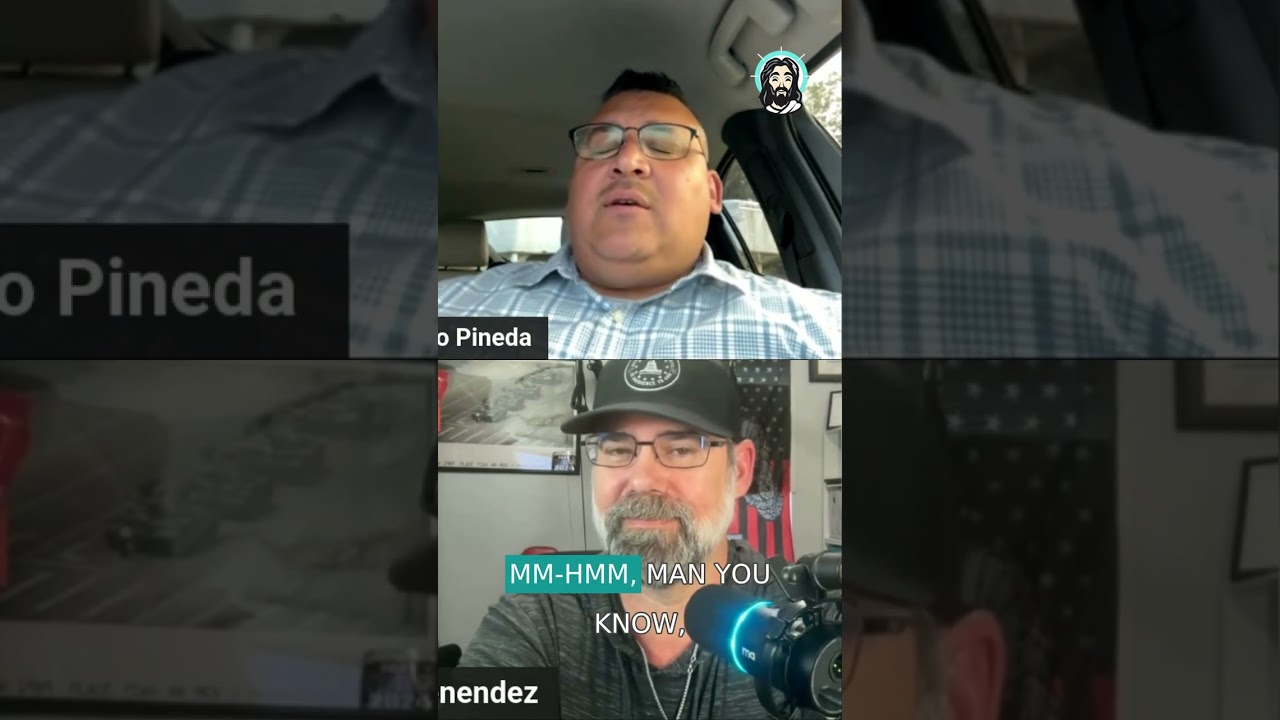
Robert's Testimony | From Rock Bottom to Helping Others, Give It One Chance #addiction #jesus #god

Robert's Testimony | Disclosure is the key to healing and freedom #god #addiction #victory