Testimonies of Freedom - Episode 1 - Mac Dohm from The Personal Freedom Podcast
In this inaugural episode of the Creation Awaits podcast, host James interviews Mac Dohm, creator of the Porn‑Free Millennial brand and host of The Personal Freedom Podcast. After a brief prayer and presentation of recent Barna and Pure Desire statistics on pornography use among Christians, the conversation turns to Mac’s personal testimony. Mac recounts his early exposure to porn at age ten, the shame cultivated by his Catholic upbringing, and the development of a compulsive habit throughout middle school, high school, and college. He describes how the addiction strained his marriage, led to secrecy, and culminated in a rock‑bottom moment six months into his first marriage, triggering a cascade of personal crises (relapse, divorce, emotional breakdown). Mac details his subsequent recovery pathway: accountability partnerships, men’s groups, Christian counseling (including EMDR), journaling, daily “FAST” check‑ins, and the launch of his own podcast and publication to help others. The dialogue weaves theological reflections on identity in Christ, spiritual warfare, and the lies of shame, guilt, and unworthiness, while also critiquing the church’s inadequate response to porn addiction and highlighting connections to human trafficking. The episode ends with Mac’s ongoing commitment to advocacy, collaboration with Flatirons Church’s “Fight Club,” and a hopeful outlook on freedom in Christ.
Chapters
Awesome, we're live. Welcome, welcome, um, welcome to the Creation Awaits podcast. This is the first one, uh, I really have no idea how consistent this actually is going to be, um, but I really wanted to make a space for people with interesting stories, especially that sort of intersect with the kind of material that I have on my Substack, and just have them tell their stories of, um, you know, who they were before Jesus, who they were after Jesus, the struggles they've had, and, uh, how Jesus healed them. So today I brought Mac Dome from the— you've changed it, it used to be Porn Free Millennial.
I still got Porn Free Millennial, I just started a new podcast. So, okay, a new podcast together. This is my second one I'm doing. Sweet.
Awesome, cool. Yeah, so Porn-Free Millennial and then the Personal Freedom—
yep, Personal Freedom Podcast. That's a new one, just went in last week, the first episode.
Sweet, awesome. Well, to get us started, uh, I'm going to talk a little bit. So, uh, Mac's story intersects with pornography addiction, which as many of you guys know, that's part of my own story as well, uh, where and my, my testimony is out there, so I don't need to spend any time whatsoever on that because it's already out there a lot. So you can find my story out there on YouTube and various places, but that's part of Mac's story as well. So he's going to be telling us his story tonight, um, and so before that, I wanted to pray us in, and then I was going to give everyone some statistics about pornography use in the church, um, and then I'm going to start asking Mac a series of questions to get his testimony out. So to start Let's pray. So Heavenly Father, we come before you, you and your glorious throne. Father, you're sovereign and reign over all. And Father, we are asking for your guidance, for your Holy Spirit to be with us tonight, to get our flesh out of the way, uh, and just allow the Spirit to breathe through us. And so anything we speak tonight, Father, let it be of you and for you and to glorify you, in Jesus's mighty name.
Amen.
Amen. Awesome. So just really quickly, so, um, this is a recent study by the Barna Group, and also I'm intersecting some with Pure Desire Ministries, who also has done a recent study. And so by demographic, Christian men, up to 75%, acknowledge pornography at least occasionally. So that's, that's, uh That's a lot, right?
What's that? I think acknowledge viewing pornography, right?
Acknowledge, yes, at least occasionally. Yes, so at a regular interval, right? And so Christian women, approximately 40% admit to viewing pornography. That is really high, 40%. Um, and then young adults among Christians, 18 to 24-year-olds, 76% are actively searching for explicit content on a regular basis. That's really high.
Yeah.
As it relates to church leadership, pastors— 2 in 3 U.S. pastors, which is 67%, report struggling with pornography at some point in their life, and 18% state that it is a current struggle they are in right now. Youth pastors, it's a little bit higher. The number goes up to 21% of youth pastors Key behavioral insights. So, comfort level— this is, this is the most striking part of the recent study— is that the latest data shows that the majority of Christians who consume porn are comfortable with their usage, with many believing it's not even detrimental to a healthy sex life or their spiritual walk. The majority, which means more than 50%, say that it's fine, I'm using porn, there's nothing wrong with it. Which is insane. And then as far as spiritual impact that we can glean from the study, among Christian students who use pornography, 43% of men and 20% of women report that it worsened their relationship with Christ. So we can see that it has an impact, and people know it has an impact to a degree. I would, I would argue that the people that don't know it has an impact just haven't discovered what that impact is yet.
Yeah, like maybe they don't. That's an interest— sorry to interrupt, but that one really surprised me too, because like the statistic above, it's people are using it but they don't really see it as a problem. Yeah. And then they don't see it worsening their relationship with Christ, which I think once you— we'll talk about that tonight, I think. Okay, good. Once you cross the Rubicon, you're like, oh yeah, that definitely 100% worsened my relationship with Christ. But yeah, sorry.
No, no problem at all. Thank you. And then isolation and secrecy. 84% of practicing Christians who view porn have no one who's helping them to avoid it. 84% have absolutely no one who's helping them to avoid it. And nearly half state that no one knows about their usage. So half the people, uh, 80, you know, half of them state that nobody even knows that they're using porn. So they're keeping it a secret, which doesn't surprise me at all because of the shame involved in using pornography. And then finally, the last statistic is lack of church programs. So despite 75% of pastors stating that they individually counsel people struggling with porn, only 10% of churches report having a specific support or recovery program in place to help mentors. And so what, what these statistics show is there is a massive problem in the church, and the church is doing almost nothing about it. So, so anyway, so that's what I wanted to show, the problem of pornography. And then I brought Mack here to show you an example of a person who struggled with this very thing and his story of overcoming pornography use. And, and hopefully, I'm pretty sure out of this we're going to hear about his relationship with Jesus and how Jesus is the healer. So without further ado, Mack, uh, thank you again for, for doing this, man. This This is not an easy thing to do, uh, to, you know, bear your soul and all of your, uh, you know, shameful activities to the world. So I commend you for that, man. So let's talk about Mac. Who were you before the addiction?
Yeah, and again, thanks for having me on, man. And James and I have had some conversations on my podcast, so it's, it's neat to be on yours. Oh gosh, who was I before it? I mean, I was so young, right? 10 years old was when I was first exposed to porn. Uh, I, I really wouldn't say like it became really an addiction. It's, it's kind of hard to say thinking back about memories, but I think it was really when I started going to middle school and high school. I think that's when— I mean, if you asked me at the time, I wouldn't have said I was addicted, but I think looking back it was just so compulsive. I mean, gosh, it was just about every day I felt like just remembering it was just searching for it, finding it, you know, masturbating, all that stuff. And just seemed like I was pretty out of control with it. But I mean, I think before porn, right, before it became addiction, before it was exposed, I, I do picture this and, and remember some things about it of just a childhood that just seems so innocent, right? Um, and I, I think that's one thing that it angers me about porn and and how it interacts with people, because it normally finds people at a young age, you know, at that innocence. And it— you can't, you can't still feel innocent, I think, after looking at porn, unfortunately. You know, it's just visceral, and it's, it's something that I think for young boys especially, like myself, it just really pulled me in where I wanted to see more of it. I wanted to find more of it. So I think, you know, when I think about that question, you know, who I was I think I was more, uh, felt like one person, right? Like I felt whole to where, hey, this is Mac. And then when that happened, then it's like, hey, this is Mac outward that people interact with. This is Mac in the shadows where I'm up to, I'm up to some things, right? And things that I want to hide, things that I don't want to tell the truth about. So I think that's what developed, started to develop, I think, like a double life. Double personality in the way of, hey, this is who I'm presenting, and then this is what I'm doing in the background. And then of course, uh, that brought a lot of shame in my life. I grew up Catholic, uh, you know, I went to Catholic school kindergarten through 7th grade. Then I went to public school 8th grade, basically through high school, and then went to a state college. In Colorado. So I mean, really growing up Catholic, I just remember in second grade— this is something that came up just recently, uh, gosh, it was like 2 maybe years ago, might have been on one of our podcasts actually. Uh, I think I told you about this last time we talked, but yeah, it was like second grade. I just felt like— I think my teacher was talking about porn being a cardinal sin, and, and I just felt like the way it was being talked about, I just felt so much shame and like guilt and just felt like I was going to hell, like second grade, uh, just really internalized it.
Yeah.
So I think that Matt didn't have that shame, and then I was carrying that shame around.
Sure. So going into the Catholic thing, because I was raised Catholic too, and, um, so I really, as a Catholic boy, I had, I had no idea what grace was. Um, you know, if the, if the teachers and the priests were, were talking about grace, I wasn't hearing it for some reason. I saw it as you know, there, there's people who do good things and they go to heaven, and there's people that do bad things and they go to hell. And so if you do bad things, you go to hell. Is that sort of the same framework that you kind of picked up from your childhood? And to sort of, um, qualify that too, where were your parents in all that? Like, what were they trying to tell you?
Yeah, yeah. So I'll start off by saying I love my parents. They're phenomenal. Uh, disclaimer, they're actually celebrating 40 years, uh, in a month of being married, which is so cool. So I'm really proud of them. But I would say, you know, they were pretty much— I was the kid. I mean, I grew up, I was born in '91, so I still remember growing up in a house without the internet. I think the dial-up internet was— came around the time I started to become addicted, which is kind of, you know, hey, let's put two and two together there, right? Um, but I would say with my parents, right, they were, they're pretty hands-off. I'd say spiritually, uh, you know, we go to church and things like that, but I didn't really get a ton of— I wouldn't say I got like a ton of spiritual direction at all from my parents, right? I got a lot of great, uh, attributes and, hey, this is how you treat people, uh, this is how you conduct yourself. I think that I got a lot of good, good advice and leadership from both my parents on that front. But I wouldn't say it was really that biblically grounded, you know. I think a lot of that just came from school, and I think what you're saying makes a lot of sense to me. I can relate to where it just felt like, hey, Christ died on the cross, but like, what, what did it actually mean? And it never really hit me as a kid that he paid our debt and that all we got to do, right, we got to believe him in a minute that's not easy, uh, you know, it's not easy to do that. I think being a Christian is not an easy thing, but I think that was kind of lost just going through school. Like that, like you're saying, I think that, that hits it pretty hard on the head right there. The nail on the head is I didn't really feel like I could be forgiven for this stuff. And I think that's what a lot of people say in addiction, right? I think especially porn addiction, I hear it all the time. And like I said, I do it doing a podcast for 3 years now called Porn-Free Millennial and a publication. So I've talked to tons of people about it, written about it, all that good stuff. And that's a constant thing that I think people say is like, I don't feel like I can be forgiven for this, all the things I've seen and done. And Christ, you know, died on the cross for that. Yeah, that's just lost. I think it got lost in, um, in my sin, right? And I was just so young that it just kind of felt like, hey, when I go into confession, that's like one thing I'll leave off the table. Uh, that's like one thing, you know, because it just, um, I think when porn enters your life that early, you learn and, and you don't have that supervision as much. Like, I know, like, my dad, his father passed away when his father was like 38, I think, of brain cancer. Like, really just awful. So when he was going into high school, that's when his dad died, and then his mom raised, uh, you know, 4 boys. So I think part of not having that sex talk or the porn talk might have been because my dad didn't really grow up with a dad. You know, his dad passed away pretty— when he was young. Uh, so I think about that sometimes is, you know, my dad always taught me how to, you know, uh, I'd say appreciate beauty and treat women with respect. I always got that from him. Like, that was great. I think my dad taught me how to be a gentleman with women. But I didn't really get that kind of, I think, approach with the online stuff. Like, I got caught a few times, all that, but it was never really like, hey son, biblically, this is, this is why this is not, you know, good for you, and, and this is what God wants for you.
And what did, what did he do when you got caught? Like, what, how did he respond? Did he ground you?
Or— probably. I mean, I'm trying to remember. I think one time he got mad because he's like, these aren't even like real boobs. I think that printed out. Like, I like left— like, I printed out like, uh, you know, a nude photo of a woman, and I think she had like fake boobs, and I've left it on the printer, right? My dad was just like, you know, like, what, what the heck? So I think it was just more of like, you know, what are you doing? Like, go date some girls or something, you know, kind of thing. But it wasn't exactly like, hey, um, and I think part of it is I just look at that older generation, right? And I just think that a lot of them just hadn't had no clue. What was going on, you know, because that's like really when the internet started to come along, was around the time, you know, early 2000s. And then around the time of high school, I graduated in 20— uh, 2009, that was around the time the iPhone came out, uh, social media started to come out, like right around high school for me. So I think like it was just a prime time for me just to get really addicted to porn because internet started, high-speed internet, you know, you got your social media And now you can like look at porn on your phone or your laptop. So I just remember, you know, leaving high school, going into college, I mean, it was just so constant for me. Um, and I remember I had this old Wheaties box that I actually put some like porn in. And I remember one time I burned it, like I put it in the fire. Like I really felt bad. Okay, okay. I felt internally like I knew it was wrong. So I didn't really need my parents to tell me, like, I knew it was wrong. Sure. I just didn't really know, like, what— like, how to do it. Because, like, you were talking about, I think, in the statistics, a lot of people don't want to talk about it, you know? Yeah, well, part of it is, is it a problem? And I think most of us know, yeah, it is. But it's hard to, like, put a— like, well, what kind of pro— is it a problem with me? Like, is it Am I the problem, um, or is it a problem with— and I found out a lot with porn was, am I trying to fill some emotional need, that kind of thing? Am I looking for a solution where the solution really is Christ, but am I filling that with something else that's highly addictive?
Yeah.
Um, but anyways, uh, yeah, so I, I had a lot of different moments, right, where I think I was just trying to quit, you know, but I never really included anyone in that. I mean, I'm just thinking through just past years, right? I mean, I was in grade school, middle school, high school, um, and then college. I mean, I was basically doing it on my own, and I was not doing a good job of it. I think I'd date a girl or something, and maybe I'd stop looking at it for a little bit, but it always just creep its way in, uh, you know, it always would creep its way in. Because I, I didn't really fully get to like the root cause of like why I was going to it, and I didn't loop in Christ at all, right? It actually distanced myself from Christ. So then I just felt pretty much alone on it. And then, you know, like a lot of people are like, yeah, this is what I do all the time. Like everybody, like friends and all that stuff, like people just didn't really see a big deal with it, right?
This is— everybody does this, this isn't a problem.
Right, right, right. And so, you know, I think looking back on my life and just having a different lens on it now, it was very clear that it's a deeply rooted addiction, um, and we'll talk about it later. But yeah, it definitely has some big repercussions in my life.
Yeah, so transitioning there, so, you know, you're raised Catholic, nobody was really telling you about forgiveness of Christ or grace, and you kind of felt like you were on your own. So Um, when was it that this addiction— because it seems like you're saying that, you know, the internet and then the phone, you know, um, the new iPhones and stuff were coming out, you had all this access— was that around the time that this became more of like a real problem for you, like around that time?
Uh, well, I mean, at the time, I mean, it didn't really become a problem with me until I got married. Well, it was always a problem, right?
I mean it, it like went into hyperspace when you—
well, that's like, that's when there was actual like repercussions, right? Because I think the first girl that I ever really like dated, dated seriously was in college. And yeah, that was the, that was the first person I lost like my virginity to. It was a very, I'd say, more sexual relationship than anything.
Yeah.
And I think I remember kind of starting to watch like porn again time and time to that, and I don't think she really cared too much about it, kind of thing. Um, but yeah, it just always— it was kind of funny. Like, it's not funny, but when I think about it, it's like before every breakup I had, porn was involved. Like, I remember that with my first high school— my first crush. Um, I wrote an article about that on Substack called Girl Down the Street. I mean, I was addicted to porn before I even had my first kiss with a girl. In 8th grade. I mean, and it's just when you look at the statistics, right? I mean, I think people are introduced to porn before they even have their first kiss. Yeah. Which, I mean, that you could talk about child abuse, by the way.
That's, that's child abuse.
Yeah. And all that stuff, right? Um, and it just happens at such a mass scale and it's so normalized. Uh, but yeah, I think the question though, the— and like, I didn't really fully realize the repercussions of it, I think, until I got married. I think, uh, you know, I, I, uh, was married for 5 years. You know, I went through a divorce a little over 3 years ago, and I mean, it was, it was probably about 6, 6 to 8 months into our marriage was when I got caught. Um, and yeah, it just, it, it really all came to a head. Like, it's, it's like if you're using a credit card and you just forgot you chose just to forget about the card and the balance. Like, you're like, hey, I, I know that that card's out there and I gotta pay it some Sunday, and the balance is just accruing. There's interest, like, there's this heaping debt that's there. And I think I've always known that in my life, right? But I just— it's hard when you're younger, right? And you're like, hey, I'm gonna get married. That's another myth, right? Like, hey, I'm gonna get married, that's gonna solve everything. And I think— and, and yeah, and I was like sober for, I think it was about 6 to 8 months, maybe a year, kind of in that engagement period. Like, I was just so fired up and, uh, you know, felt great. I was reconnecting with my faith because my ex got me back into a church, uh, which was great, you know. And we were doing everything pretty good, most part. And, um, yeah, I think it was just like once the honeymoon thing kind of, you know, I think it's typically like 6 to 8 months, maybe a year when you're married, and then you start having, you know, tougher conversations or things get stressful or whatever, right? As anyone that's been married knows, it's not, it's not easy. But there is like that honeymoon period, I think, right? You get married, you're young. I think I was, let's see, 27, I think, when I got married, and she was 24. Uh, so we were young, and, uh, yeah, I think I just started to get back into bad habits, you know. I think when you've been addicted to something for close to 20 years, it's just wired in your brain to where you'll get naturally kind of pulled to something if you're feeling a certain way. And I think for me, as if I was feeling like undervalued, uh, if, if somebody wasn't paying attention to me Uh, you know, I think a lot of it, like, identity-based, just kind of— I've— me feeling like you're not appreciating me. I think words of affirmation are pretty big for me as like a love language. Yeah. And I think that was happening at the time, and, you know, I just went to my natural instinct. Not that natural, but you know what I mean.
Oh, your fleshly predilection.
Yeah, my—
yeah, natural to your flesh. Yes, 100%.
Yeah. But, uh, just going there, right, and going to this programmed, uh, you know, habit is what I went to. And I got caught. I think that was like really the first like rock bottom moment to where—
yeah, do you mind if we slow down a little bit and talk about this part? Because I think this is really important, right? Because a lot of people, especially single people, um, they think that as soon as they get married, this porn problem is going to go away, right? And I think that you're hitting on a really, really important point that that is not true. In fact, a lot of times what happens is the porn problem gets so much worse when you get married, especially if there are marital— and there will be marital issues, right? Like you, you were saying, you know, everyone has a love language, and if your love language isn't being spoken to, you can start having these, these feelings, and you start reacting in ways that are not healthy and not Christ-like. And then before you know it, you're coping with something like pornography, right? And so, um, talk about that, man. Talk about how, um, from your perspective, how marriage didn't solve the problem, it just complicated it, right?
Yeah, because I think before, right, and I— this is maybe another lie to touch on, is that you feel like you're not hurting anybody. Like, it's, it's just something that it's my thing, it's not affecting anything. And because if you don't even think it's affecting you negatively, then why would you think it's going to affect somebody else? Right, right. And I think when you get married, right, you're one, you're one under God. And, uh, I remember talking with, uh, counselor Jeannie Hoskin. She's on Substack too, uh, she's great. We've done some podcasts together, uh, she's biblical counselor as well. But we're talking about relationships, and basically like it's kind of like putting like a pink piece of paper and a blue piece of paper together and gluing them together. I mean, when you pull it like it's gonna— when it rips, like there's gonna be pieces of you embedded with the other person because you're one under Christ, right? And, you know, like biblically, like, uh, how it's taught with sexual morality is like you're— it's a sin against like yourself, um, but when you're married, I mean, that's a sin against your, your spouse as well, your wife. That's right, you're one flesh, right? And, and so I think that's what complicates it, right, is, uh, when you take that vow like I did. You're taking that vow to uphold your wife, you know, like to treat her like, like Christ treats the church, you know, your bride. Um, I get goosebumps thinking about it because I still remember the wedding day, you know, and I still remember doing my vows, and I still remember how excited I was and joyful I was. And then how just these dormant habits started to come back. And I think with addiction, what happens too is you kind of have blinders where you just— you're like, let me just get this fixed, you know? Like, I know it's going to be rough, um, and— well, at the time, I don't even know if I was really thinking about that. I was like, I just want to get my fix. Sure. Um, because I think this was really the first relationship, the first person I was with that actually had a problem with porn. Yeah. And and in all like the right biblical ways. Biblical woman, you know, all that, you know, the most respect for her. I won't talk about her a lot to respect her, of course, but, uh, really respect and love her. Um, but yeah, she was not happy with it because it's like, hey, you're a man of God, what is this? You know, I'm your wife.
So, um, two things. Like, you said that she reintroduced you to the Lord and started going to— you started going to church with her, right? So is she— was she evangelical, and you started going to an evangelical church or Protestant church, or—
I guess you could maybe consider Protestant, non-denominational, Flatirons Church.
Awesome, cool. And then, so, so you're, you're starting to, to— did, like, did you get baptized there, or—
no, I didn't get baptized there. Um, I actually took myself to baptism, um, 2 years ago at Flatirons. Awesome. And, uh, yeah, that was just— went there on Easter, wasn't planning on it.
So this was a year after your divorce?
Yeah.
Okay, gotcha.
I mean, we'll get to that. That's really when I think things really have started to click in my life with Christ.
Um, yeah. Okay, so during that time, like, you're, you're at least probably trying to put on the persona of a godly man, right? Even if you kind of aren't. Right? And so what was like the discovery like where she found out like that you were using porn? What was that? How— what was that scenario?
Hard, man. It was just, just so visceral the way I remember it. And I mean, I'm just ashamed of how I acted, you know, uh, but when I look back at it, I think I was just so blind to porn being a problem. Like, I, I think I— it's, it's like I almost like buried it so deep And it's like, I still know I buried the body, but I kind of like, hey, it's so deep, it's out of the way. Um, sometimes I think about that, uh, Edgar Allan Poe story where there's that, um, The Telltale Heart. Yeah, just, it's like that pulsating feeling, like that you're just like, ah, you know, like that's how I feel like with porn. Uh, I mean, when, when you're with somebody too and you just know that you're going to break their heart at some point. And, and I've realized it's better to be honest about it up front than to get caught and then lie about it. Because really, um, if I could write a guide on how not to do it, because I did it the exact wrong, wrong way, right? Yeah, I mean, I got caught. I, I was doing all the— I mean, I've written articles, I've talked about all these different things you do, like minimization Uh, you minimize it, you justify it, you get defensive, you gaslight. I mean, I don't even know what gaslighting meant until my ex told me what it meant, and I was like, wow, yeah, like, wow, I get— I was like, hey, this is your problem for finding out that I'm looking at porn, which is awful. Uh, but really, I think I just handle things really poorly. Yeah, but I think she gave me grace and just said, hey, let's just get a little distance from this. Like, and, uh, it's actually pretty cool. Like, where I'm podcasting right now is about 20 minutes, uh, from my grandparents' cabin that they built. And that's where I went. That's when recovery started for me, was that weekend. It was right around my birthday, which I turned 35, uh, that was on Sunday. So it's kind of interesting to think about this because I think that was 8 years ago now, like around my birthday time. And I'm in the same place, generally talking now, than I did like 8 years ago, which is kind of nuts. But anyways, um, my grandparents have a cabin that they built like in the '80s, and then my uncles own it now. But I just told her like, hey, you know, let's get some distance. We both agreed upon it, and I just took my dog Bo with me. We went up to the cabin, um, I fly fished a ton. Uh, I listened to Porn Free Radio, which is the first porn-free anything I've ever listened to. Uh, I interviewed Matt Dobbschutz. He's the host on my episode, episode 50. Was cool, uh, talking to Matt because he's really been like just a great man to lead. He's also a Christian as well, but he started— I think he's 15 years sober um, and he's been podcasting for a while, like 10 years. Um, so that's kind of where it all started, was had this rock bottom moment where, I mean, it just changed things, right? It changed intimacy, it changed our trust, because everything— I mean, if I look before that moment, you had everything laid out, like seriously. Um, it was so promising, everything, like by the book, textbook, like this is going to be a great marriage. And then this happened, right? And that's why I'm so passionate talking about this, because it's not like, uh, my relationship with porn is really that much different than probably most people, I would assume. Like, I never paid for like OnlyFans or anything like that. I've never been to a strip club in my life, you know. I just went there when I felt lonely and when I felt like no one loved me and I was listening to these lies about myself. And I was medicating that and numbing things and all that terrible, you know, finding this terrible antidote that's not really an antidote at all, it's poison. And, uh, yeah, it just hits you. Um, but yeah, hit that rock bottom moment, went to the cabin. I, you know, I started listening to this podcast. So when I was fly fishing, I just downloaded all these podcasts because I'm up in the mountains of Colorado and I'm just fly fishing. I think I read, uh, Discipline Equals Freedom by Jocko Willink. And then I just started a journal. It was like the first time I journaled in like forever, right? So I started to kind of do stuff a little bit differently. And then I joined a men's group that I'm still a part of. Nice. Um, that's been for about 8 years now. Uh, same group of guys, pretty much. We got a core group of guys, which is just so cool. Um, and, you know, just started to take things more seriously. I joined a group I actually started working with Matt, and that's really when recovery started for me. And that's— I would say, I know I said like the last few years it kind of clicked where I got baptized again. I'd say that, that period of time, I definitely started to just think about things a lot more seriously. Yeah. Hard part about that though is that there's damage done, and, uh, that still took a lot of time, I think, for me to really figure out how do I how do I interact with this? Because I think sometimes I kind of felt like I'd be giving ground up, that, you know, it's just a, you know, it was just a tough time, right? Because I think one person gets hurt, they're going to start acting a little bit differently. And are they, are they going to always make the right decisions? Probably not, right? We're all human. And then me, I'm the perpetrator, which I never really looked at myself as a perpetrator before. I never looked at somebody, or myself, as somebody that would lie, because I didn't. But when it came to porn, I did, right? So for me, it was like this big just, who am I? And then I think being in a marriage is like, what is this marriage? Like, you know, what's important? So it really just— that drastically changed my life. Yeah.
So you're talking about identity. Uh, we talk about that quite a lot on Creation Awaits. That's sort of the core thread that runs through everything that I write. Um, and so part of identity is understanding who you are in Christ, right? And so the other aspect of it is understanding that Christ names you. He tells you who you are. Um, your understanding of him comes from him, not the world, right? And or the flesh or the devil. And so, um, when we, when we get our understanding from the world, from our flesh, or from the devil, that's when things start going off the rail because it's not according to God's design for how he designed us, right? And so the world, the flesh, and the devil, man, the lies that you were leaving. You mentioned those lies that were sort of fueling this behavior. What are those? And, um, you know, what were they like?
Oh gosh, I think one lie is, right, is that you can't be forgiven.
Okay.
Yeah, I think we talked about this too when we had our podcast, but I think the devil is like— it feels like your best friend all the way up to the sin.
Oh yes, the, uh, the one-two punch, right?
Yeah, yeah, the one-two punch. Like, the devil is like, hey, like, you deserve this. You should be able to do whatever you want, you know. If you're feeling like it today, go look at porn. And then the minute it happens, the devil's like, oh wow, why'd you do that, you know? And hey, God's not going to forgive you for that. And then you start isolating yourself because you feel ashamed, right? You feel guilty. You feel like, wow, like, I, you know, Christ died on the cross for me and this is what I'm doing. I think that is a big part of the Catholic guilt that I still probably have, is just like, you know, Christ was the man of all men, and who am I? I'm just here with my pants, you know, on my ankles doing this in a locked bedroom. Like, it makes you kind of feel pathetic, right? Um, but I think the lies— yeah, the lies like, hey, you're pathetic, uh, hey, uh, you have no self-control. I think a big one is that you're unlovable, or if people found out what you were doing, they wouldn't love you anymore or they wouldn't respect you anymore.
That's an interesting one because it takes the porn to get to that lie.
Yeah, for sure.
Isn't that interesting? Yeah. You are pathetic. That, that sounds like— so by the way, isn't it interesting when you hear this voice, you hear you are— you're not hearing I am pathetic, you're hearing 'You are pathetic,' right? Which is a key indicator that this is not coming from inside you. This is a voice coming from the outside saying, 'You are pathetic, Mac,' and this is the enemy.
Yeah, yeah, because it's, it's like ultimately I, I'm like, 'I'm not pathetic,' but then I keep doing these things that were pathetic, um, or at least the lie was just like, 'Hey, you are pathetic.' Right, so this is a back loop. What you're doing, what you're doing is pathetic. Those are different things. I think that's the difference between shame and guilt too, right? I think shame is like, you are the problem. And then guilt's like, hey, that, that is a problem, like that, something that you just did, you should feel bad about it. And then do better, like ask for forgiveness, repent.
Right, so guilt, it's you did something wrong. Shame is there's something wrong with you.
Yes. Exactly. Yeah, you put it— that's a good way of putting it. And, uh, yeah, so, you know, there's a ton of lies. I mean, I think one of them is just that, yeah, they don't have any value. I think that was always a big one that came up with me was just, I think, having like that imposter syndrome, that kind of thing. Um, you know, not feeling like I belong, things that I think really can fuel isolation, or a lot of the lies that I'd have. And I think isolation— I mean, you can still be isolated in a marriage, right? And that's a— I mean, that's, I think, the leading cause. I read this really good book called The Eight Dates. I think it's John Gottman, I think, um, which he has like a PhD in this stuff. But do you seem like the number one, uh, leading indicator or the leading factor in divorce is living parallel lives? Yeah. And that's being isolated, I think. It is. So yeah, a lot of lies, man. And I think a lie too, like what we just talked about as well, but like kind of like the lie is, hey, you don't have to talk about this with anybody, or hey, no one would understand. I think that's a big one too, is that you're alone, like no one would understand if you talked about this. Whereas I would have to argue porn might be like the most relatable people face, right? Sure. Like, when you look at the statistics, yeah.
Or if you just look at what— when you turn on the TV for 5 seconds, it's basically pornography coming through the screen, you know?
So it's like, are you trying to seduce me, or— yeah, chocolate, or both? Probably both.
Yeah, but yeah, so, um, it's really interesting, you know, because what we're talking about here, by the way, is spiritual warfare. Okay, so if you look at, for instance, like Jesus in the wilderness— I'm gonna get preachy for about 2 minutes, I promise I'll cut it off in 2 minutes. So this is in the wilderness. Jesus, the first thing when he goes into the wilderness, right, the first thing that the devil says is, 'If you are the Son of God,' right? So he's attacking his identity, right? And then he has these 3 things he, he wants Jesus to do to prove that he is the Son of God. And so, and each one of these you can make a parallel to, um, the lust of the eyes, the lust of the flesh, and the pride of life, which the Bible talks about, right? And so the devil is trying to get him to sin. And the interesting thing is what Jesus uses to counter the lies that the enemy is bringing against him is the truth of the word of God. And so each time Jesus answers with, it is written, you shall not live by bread alone but by every word that comes out of mouth of God, right? And so this is, this is spiritual warfare, and Jesus taught us in the wilderness what spiritual warfare is. And so for these lies, for you, Mac, I would like to know, like, have you equated these lies to scripture? Have you found, like, for instance, for 'I'm pathetic,' have you found any scripture that is the antithesis to that lie that you can use against the enemy when he comes against you?
Yeah, I mean Do I have one off the top of my head, like a verse? I'm not sure, but I think, uh, I don't know, I just— anytime I'm reading the Gospels, man, and you read the, the words that Christ says, yeah, they just move me so much on how he's the Good Shepherd.
Yeah.
And how, uh, you know, I want to know his name, you know, when he speaks, to come to him. And it's taken a lot of time, you know, a lot of work to really get there, to where I'm listening for Christ's voice, and I'm, I'm actively doing that every day and talking about it, you know, with, with my close people in my life. Yeah. Uh, but, you know, I think all that God did for the Israelites, uh, you know, through, you know, Abraham initially I mean, just all of it. I, I think the whole story of the Bible is, is showing how much we are loved. Yeah, that, that the Lord, uh, how much, how much good things he wants for us. And really, I think you said it great, and I keep referring to our last podcast. Everyone should go listen to it. It was great. There's a lot of preaching there, uh, good preaching. Yeah, I think something you said about the Bible which was really cool was I think God wants— he desperately wants us to be, um, or what's the word, uh, dependent. And that's the word I was going for, like, to be dependent on him.
Yeah.
And it— to have that dependence, it is a letting go of the world and of the flesh, the ego. It's like a surrender.
Yeah.
There's a serenity in that. So I don't know, I think with the lies Ultimately, for me, it's just acknowledging what the Bible means. And like you said, I think that really struck me was just to be dependent on him. That's something that my recovery coach said, uh, you know, I do a weekly thing with some guys that we're actually going to meet in August for the second year in a row, which is cool, in person. But he's a pastor up in Chilliwack, Canada. His name is Vern Tomke. He does the Finding Traction podcast. So I consider him a friend, a mentor, coach, all of that. But he, he was saying that, uh, you know, sometimes he'll ask new guys in the congregation that might want to get coffee with him, he's like, what are, what are, like, what are you, what's your daily dependence on God look like? Like, what are you praying for? And if they don't really have an answer for that, you know, he's, he's going to be like, okay, well, let's, let's talk more, because that should be something in you to where you're praying to God, like, God, I need you today. Like, I need you. Um, and sorry, I don't know if I'm going a little off topic.
No, that's great.
But I think that, that for me, it erases the lies. Um, and ultimately, I mean, what erases the lies is that Christ died on the cross. You know, he died on the cross for us. Um, you know, he, he went through the most horrific death for us. You know, for, uh, to wipe the slate clean, to wipe the cloth clean, right?
Yeah, I like what C.S. Lewis says about it. He said— he's, he's famous for saying, if you were the only person in the world, Jesus still would have died for you.
That's a great way to say it.
It personalizes it because he did die for every single one of us, and that is an act of love, right? And so when you're feeling alone right? Jesus counters with, 'I am with you always, even until the end of the age. I will never leave or forsake you.' If you're feeling pathetic, think he died for you, right? Before the foundation of the world, he chose you in Christ Jesus. That's Ephesians 2:15, which is one of my favorite— I'm sorry, Ephesians 2:8-10— is he chose us in Christ Jesus before the foundation of the world so that we can do good works, right? Um, and so yeah, the Bible is replete with all these promises of God. And so one of the things that I teach in, in my course is, is to find them, to find the ones that are the antithesis to the lies that you have been believing, because these truths set you free. When you, when you know the truth, the truth sets you free, right? And so what I would suspect is through your, your general understanding of what Christ did for you. It has moved you towards freedom more because of your understanding that you are loved, you are accepted, he did die for you, right? And so yeah, absolutely, that's awesome, man. So I want to talk a little bit more, um, so like the divorce, man, like if you don't mind, like so what was it, what was the tie-in with pornography to the divorce specifically?
Yeah, again, without getting too personal about it with— yeah, talking about her. But I just think, looking back, I think it was just like kind of like a slow burn of— hey, I mean, I had good streaks of sobriety. Like, I think one time was almost 2 years, um, where things were actually getting better. You know, there were points where things would get better, I'd have a relapse, uh, they were becoming a lot less frequent. I would say that the start of the marriage really set it up kind of in a poor way to where I handled it so poorly to start. Yeah, I think it left some pretty deep wounds. So basically anytime there was a relapse, it would like rip open that wound again, and then anytime I lied about it would rip open that wound even more. There were some times where I'd have a relapse and I'd actually would talk to her about it, and that went, you know, better. Yes, that went better.
Uh, but do you know why?
Because I was being honest, right?
And because women, right, they expect you to fail. Your wives, they expect that you're going to fail, and they can stand the failure. What they can't stand is the dishonesty, because women, above all, they need safety and trust. If they can't— if they lose their trust in you, there's— there's— it takes— you have to move a mountain to earn their trust back, especially if you keep wounding them over and over and with lies, right?
So yeah, and that's— I think that's, that's a good way of putting it, man. I think, uh, the trust was really affected off the bat with that initial— I think, uh, being found out with that and everything and not handling it well. So like you were saying, it felt like I was moving a mountain a lot of the times in my marriage, uh, and at times it felt like I actually moved it a little bit. And you could actually tell, right? Uh, I'd say probably like the straw that broke the camel's back was I had this really bad relapse. It was after like 2 years of sobriety. It was really just something on TV. I'm not going to say what it was, but it was something kind of like, okay, like today if it came on, I would just change the channel, right? Uh, but I think she was asleep or something and it came on and it just triggered something in me. Um, and at the time we moved to a new home, bought our first house. It's a little bit— is further away from my church, my support group. So when I look back at it, I'm like, okay, like, you stopped going to the church you were going to, you stopped going to Bible study because it was about a 3-hour round trip, you know. You didn't quite find your new church yet because you guys are moving into your new house and kind of had that honeymoon stage, I think, of buying a new house together and all that, which was really, you know, it was cool as a millennial. Buying a house was a pretty big deal. You know. So, uh, that was, that was great. But then I think those bad habits started to creep back in, like I was talking about, to where, hey, I had a great support system, it was really working for me. That's what I've learned about myself, is like, I gotta stay connected. Like, if I'm not connected, I'm putting myself at risk. Excuse me. So anyways, um, I had that relapse and I literally started to shake. Like, I felt like I was having a convulsion. Like, I just—
like, immediately after the relapse?
Yeah, yeah. Just my body was all just haywire, and I just started to cry and just was like, what the heck did I just do? You know, like, I just felt like, holy crap, like, I just really royally, like, effed things up kind of thing. Um, so, uh, with that being said, uh, I think what happened was I think she ended up getting COVID. And then I use that as an excuse to like not talk about it because I was just like, you know, she's going through crap. Um, a biblical storm happened. Uh, our neighbor's tree broke in half and nearly hit her house. It's a huge windstorm. Uh, we had to replace a ton of fence line. So kind of like all this stuff happened like within— I think it was, I think it was that night, that's when the windstorm happened. And I think maybe at the time she was already sick. I'm trying to remember all that. Yeah, but all that being said is like I had all these excuses. Yeah. And I literally told myself, I'm like, I'm gonna take this to my grave. Yep. Yeah, I'm not gonna tell her. I'm never gonna do it again. And like I just said, like, God, like, you know, I'll accept the— I'll accept the punishment. Where the whole time it's like, dude, just repent. Holy crap. I look back, I'm like screaming. It's like that Interstellar scene where he's like yelling at himself, like, back, back, right? I had a bookshelf, maybe I could have hit a book or something. But you know, this me now. But yeah, I just didn't. I just felt so much shame because I was doing so well. Yeah. And then I had this bachelor party I was going to, was the best man. I was very naive to where we were going. Like I said, I've never been to a strip club in my life. We went to Cartagena, Colombia, which prostitution is legal there. Um, and to be frank, I always have wanted to go to South America my whole life, not for those reasons. Sure. I, I used to be completely obsessed with snakes. Uh, you love Anaconda the movie, I think I watched a million times. Okay, so me, I was like, oh, I can't wait to go to South America, it's gonna be so cool. And this was with a friend group that still good friends with and stuff, but they're just a little bit different than, uh, I'd say some of like the Catholic school guys that I'm still friends with today. Like, just kind of different, you know. Um, Catholic school guys, like, we never— none of us like ever went to strip clubs or something, and if someone did, we would like, you know, castigate them be like, what are you doing? Other group, a little bit more loose with that. Sure. This is my first time like really going on a trip with like, you know, that group. Um, but anyways, like I didn't partake in any of that stuff down there, but I was definitely in like the, you know, I was in it. Um, you know, some of them came back to the place and I was just trying to keep everyone safe. Um, but I was still there, right? And I should have just completely fled from this end, but I didn't. Um, and yeah, it was just really— it was just a bad place to be. I was the only married guy there, and it just was like, hey, I'm gonna do my best. Uh, but still, like, just being there in the first place is not good. Um, and I think I realized that like right away. I was like, oh crap, you know. Um, but yeah, I made it out there alive, you know, didn't cheat or anything like that. But when I got back, it was just like going through and talking through all that and then talking about my relapse. It just was terrible. It's just like all the mountain moving I did, it just felt like it, it just went right back, maybe a little bit close. Like, like, hey, I pushed it like 5 feet, well, it went back like 10 feet. It's kind of how it felt like. Um, so that was really hard. I think that was like the first time, like, the D word kind of came up, uh, and then I started to go to, uh, therapy. Uh, so I, I kind of missed talking about this, but before we bought our house, I was going to a Christian therapist, and he was really helping me, like, a lot. We were just about to do, uh, uh, I think it's EMDR, which is eye movement, right? I'm trying to remember what it's what the whole term of it is called, but a lot of people know what it is. But it's, it's basically like you're, you're recircuiting like your, your, your brain through your eyeballs, right?
My wife went through it.
Yeah. And I mean, I swear by it. I do too. It helped me so much. But the crazy thing was I was about to do that when I was— before we moved and got our house. So I never did it. I was about to, never did it. Then, uh, well, this is actually— I should not skip over this at all. This is actually my come-to-Jesus moment in my life that I'll never forget. Do it. But yeah, when I got back from this trip and everything hit like a freight train, man, like, I felt for the first in my life like suicidal, like to where I was like, I don't know what to do. I kept saying like, what does it matter? Because I just like, I, I just felt like I did so much work and yeah, like, I, I had a relapse and I, I held it back. And yeah, like, I went on this trip, but I just kind of felt like that didn't matter anymore for me. There was no way to salvage all the work that I did, you know. And these are a lot of things I was telling myself, right? And I mean, the amount of— I think the amount of, uh, stuff that my ex, like, put up with is like legendary, I think, in a way. When I look back, like, she had a lot of patience, a lot of grace, all that stuff. Uh, but when I look back at it, I just was like, wow, like, this is happening. Like, this could happen where we get— we could get a divorce, you know. And for me, I think a big thing in my life, my identity, was being like a husband, you know. And yeah, I struggle with porn and stuff, but I, I was still working to, to fix that and to move some mountains, right? And then this happens. And I think a big reason why it happened is I just started to drift from God. I think if I was close to God and, uh, they said, hey, we're gonna go here, I think I would have picked up on some more of the warning signs because I just went in like, I'll be fine, you know? And it was not right. Uh, but if I was close to God, like, if someone asked me that, like, right now, I'd be like, Like, no, like, I'm not gonna go there. Yeah, I'm okay with that. Like, you have fun, I'm not gonna do that. Um, but yeah, it happened, right? You can't take it back, you know, it happened. You learn a lot from it. Uh, but yeah, so I just really felt like it might have been that day, I think, when we got back home, it just was just like, I just felt like this is it. Like, I didn't have any plans. I really felt like at my wit's end. So I ended up calling the hotline, and I just was like, I need help. Like, I— and she was helpful, right? Like, she wasn't like, like pushing me in any way, but I think she could tell, like, I was just in a, like, a different state to where I was just broken down all the way. Like, the worst I've ever been in my life was that day. Like, hands down. Like, emotionally, everything. And man, I'll never forget it, man. Like, I was just— I just felt like I was in this river and I was drowning. Like, just Colorado— like, I've fished rivers before in Colorado. Like, there's some crazy spots, right, with the big boulders, and like, you just die in there. And that's how I felt like, man. I just felt like I was drowning. I had nothing left, literally nothing left to look forward to. Like, it was Nothing. But I prayed for God to save me. I'll never forget. I said, Jesus, save me. And he did. He did, man. I, I, I, I feel it now, but it felt like I hit a boulder in the river and I was able to kind of climb up on it. And you hit a boulder in the river, it's still going to hurt like hell, you know, but you're alive. And I, I still— I'll never forget that was just I had this moment of clarity. I remember God speaking to me, just— it was just like my name, you know, just a very— it's weird when it happens. You just hear like your name and you're like, whoa. Um, but I don't know, I think you have to get to kind of a mental state for that to happen sometimes, right? Like, it's a state where you're not distracted by anything, like it's just pure I don't know, instinct or whatever it is.
Uh, some people say it's when you finally come to the end of yourself and realize that you have nothing to offer God, right? Like, I am a miserable failure. And then you turn to him. That's when he knows that your heart is ready for him, because pride is what actually separates us from God. It's pride, human pride, that we, we can do this on our own. We don't need him. We don't need to connect with him. And so that's exactly what you're describing. You came to the end of yourself. You had nothing left to offer, and he met you there. And that's where he meets all of us, man.
Yeah, yeah. And so I always look back on that. I think when you're talking back about the lies about yourself was— I just, I remember that moment, right? I think there's tons of biblical, like, when I'm reading scripture that stand out to me, but a big part of it too is just like what you experience in your life. Right? And I think that moment for me always pulls me back. Like, if I'm ever feeling down or whatever, I'm like, God was there for me at my worst, so he's going to be there for me for the rest of my life, and I can rely upon him, right? He's going to keep his promises for me.
Um, yeah, regardless, I call those moments prophetic promises. Yeah, where they're moments where you can look back. It's kind of like, um, the Jews the Israelites in the wilderness, whenever God did something for them, they built something called an Ebenezer. It was a, a tower, a, um, like a, an altar basically to commemorate what God had done for them there, so that if they ever came back to that place, they could look at the altar and say, God helped us through the wilderness here, you know. And I'm telling you, every single person has these moments in their life where they can look back and they can think, you know, this is where I really encountered God. And when you do that, you can see like this this, the, the stones, the stepping stones of your life. As he's encountering— as you're— as you are encountering the Lord doing things in your life, you can see a trajectory forward of where he wants you to go. And I promise you, it's always closer to him every time, right? It's more really deeper relationship, more time spent in the Lord, more time spent reading scripture, more— you know what I'm saying? And so, yeah, absolutely.
Them. Yeah, it's like that. It's, uh, at least in that period of time, it was like a flow state of like— not like a great flow state to be in, but like you said, you're not like thinking about anything else. Yeah, but God's there, and what a feeling that is. I mean, it's life-changing. So, uh, basically with all that being said, right, so, uh, you know, got help. I got connected with this Christian therapist, uh, where I was at. Really cool. He actually owns his own dojo. Um, and helps inner city kids. Uh, and he said, hey, part of your therapy is coming to, to learn— uh, what is it? It's like this chain punching technique. I'm trying to remember the actual, uh, form of martial arts it was. Gosh, and, uh, Wing Chun, I think it was. Okay. But so he would— he'd say, hey, this is your part of your therapy, like, you don't have to pay for it, so just come to class. So it was just really cool. He's in a Christian metal band, kind of an unconventional dude. Uh, which I love. I mean, I just— I'm, I'm an unconventional guy myself. And so I think we, we tried to do couples therapy. I didn't quite work the way I thought it would, but I stuck with him, um, because I think he really spoke to me in such a way that was relatable. Um, but he challenged me. I mean, he stuck my feet to the fire a lot, and it helped. Like, it, it kind of felt like what I was getting initially when I was, uh, before I moved, like I was getting that kind of feedback from a man ahead of me, like a mentor almost. And what I was getting from, from Matt Dobbschutz when I was doing the, the coaching, um, that kind of stuff— you need someone like that in your life. You need somebody a little ahead of you that's going to push you a little bit, that's going to challenge you. And then also with this guy, I mean, he went to Colorado Christian College, you know, he knew the Bible, so he was teaching me about how to be a good Christian man as well. And I think teaching me and having therapy and doing these, uh, EMDR treatments through biblical lens, I mean, that started to change my life. And the way he was talking about this therapy is like, you're going to have these repressed memories that are going to start just like— it's going to be like a domino. And once we find like what that big domino is, like, that's going to knock all the other dominoes over. And, uh, yeah, for me it was, you know, when I was starting to get addicted to porn, that's when my dad was having some struggles with alcohol. And he was never abusive physically, but my dad was my lightbringer. And that's something my therapist taught me about, was this is someone that you held in like the highest esteem, and the minute you see them in a different state— uh, can you hear my dog in the background, by the way? Any panting? Okay, thank you. Good. I got an old dog, sometimes he does that. Um, but anyways, my, uh, my dad, uh, it was my lightbringer, right? And I saw him in this state where you would just kind of be checked out. I think he was just going through a lot of stuff, and that was his way. I think, like, porn was my thing. I think alcohol was his, to where he'd check out. And to have someone that was so involved in your life— like, he was like my basketball coach. Like, he played college basketball. I wanted to play college basketball. Like, he was just so involved and like such a good man. Still is a good man, always has been a good man. Um, and my mom too, just great people. But I think when someone's like that involved in your life and you just look up to him so much, and you're starting to— hey, I'm going into high school, like I'm ready to play basketball, like I'm feeling good— and a lot of those moments just felt like he was a little bit distant. Not all the time, but seemed like the moments that mattered. Like, one of the times was my college graduation, and it really wasn't present. I was so mad and angry. I just felt like he valued it more than me. He valued alcohol more than me. And I think that's what really locked in a lot of that feeling I was talking about earlier of not feeling valued. Yeah. I mean, because when I, when I was in high school, I moved into the basement, and that was like the horn kingdom, you know, because I'd walk in and if he was drunk, I'd be like, all right, well, I'm just gonna go downstairs, turn on the computer and go. Like, that was every time.
It was like a shelter from the chaos of your dad's alcoholism.
Yeah, and it was almost like that Pavlov's dog. It was like the bell was ringing in the basement because I was like, okay, well, I'm not getting any attention here. Yeah, so let me go get attention down there. Right, but I wouldn't have really ever thought of that if I didn't go and do this EMDR with my Christian therapist, right? Because the minute I figured it out, I was like, oh wow, like, that's, that's really great.
Um, he's, he did a good service for you. Like, um, so this is one of the things that I teach in my Victory in Christ course is that, you know, as we, we live in a fallen world, and because we do, every once in a while something falls on us and hurts us. Us in deep, deep ways. And things that, you know, for somebody else who might be listening to your story, they would hear what you went through and they're like, big deal, his dad was a drunk, you know. But that's— they're equating their own life and experience to your story, right? To you in that moment, in that time, with all the other aspects of your life in place, it was deeply wounding for you, and it was forming you to use this practice of of coping with porn, right? That when, when your life got stressful in the future, you would replay that, that tape, right? And then when you felt worthless or afraid, uh, you know, or angry like you did with your dad, then you would revert right back to the porn, right? And we all have these, right? And it's not always porn. Sometimes it's overeating, or it's, you know, drinking. Like your dad, like, he was coping for something, man. Something was going on that made him feel worthless, and he went to the bottle, you know, during that time. And so this is everybody in the world that, that is going through, uh, what we're talking about here, because we live in a fallen world. And until you find these core wounds that you, that you, you're describing, you're, you are never going— you're just going to be white-knuckling, and it's never going to do any good. You'll go for maybe a year or two like you did, but then you're going to fall eventually when the stressors rise and that wound gets reopened again. And so you're talking about actually dealing with the wounds of your life.
Yeah, man. And I think something that's, uh, pretty interesting too was, uh, having these conversations with my dad later, you know. And we've had really good conversations about it. And I mean, he gave me permission to write the article to talk about it publicly, uh, which I commend him for because, I mean, that's a part of his life too that, you know, he might look back on that and not be proud of it. But I don't know, man, I just think that it's important. Not like we all have to share everything about our lives. I think that's the interesting thing about this whole Porn-Free Millennial thing is it's like I'm putting a microscope on my life, you know, and I'm just trying to hopefully show that a little bit to people just to say, hey, I'm not anyone special. Like this, you can get into a really bad spot. You can also get yourself out of a really bad spot. You can also just avoid the bad thing entirely if you can. I think that's what I'm trying to do through just talking about my experiences. And like you said, I think like dealing with the actual pain, like dealing with— I think that the Gabor Mate is a really well-known, um, I think psychologist, therapist, but he said, you know, it's not why the trauma, it's why the pain. Like, the pain is what I think is there. The pain is like the fuel, I think, for the addiction. Like, if we didn't have— if we can address the pain, right? If we can, if we can get healed, which— who's the ultimate healer? Jesus. Yes, healer in our life, right? So yeah, if I can seek Jesus and I can seek healing through Jesus, then I mean, the pull of the addiction goes away because I don't have the pain, right? You just look at porn at such a different light too. We're like, I don't really have any pain that I'm trying to medicate, so like, why would I want to go do that, right? It's not as attractive anymore because you're just like, well, I don't really have any fuel to go look at porn, right?
It's like you don't take aspirin when you don't have a headache because you don't need aspirin anymore, right?
Yeah. And then you find out, right, that some of these drugs can really cause some severe health issues if you take too much of And like, I don't even know, like, not talking about aspirin or that too much, but I don't even really remember the last— it's been a really long time since I've even taken pain medication. Like, I used to take it all the time when I was in high school and college because I had 2 knee surgeries.
Oh wow.
But I just kind of learned over time, it's like, okay, we'll just eat better, get good sleep. And I mean, typically that will help. It's not going to solve everything, but it's just like natural things. Um, but yeah, I guess anyways, like, just, I think through the therapy, right, that's where I really started to be like, oh, like, that's a big root there that I need to address, right? Like, I need to address like that root right there. And I did, and that was really healing for me, I think. Uh, and the interesting thing was I, I did kind of some of that work already without even knowing it because when my dad and I went, I think it was in 2018. I got married in 2017, but the year after I shot my first elk. And I had a conversation, like a heart-to-heart with my dad that trip. And I just said, hey, because I think we had one night where like my ATV wasn't working right and he was, you know, not sober and he just wasn't helpful. And there was like a big blizzard and we were gonna go see my uncle down the mountain, like kind of drive down to his RV and hang out with them. I just didn't feel like really that safe. I was like, okay, like, I'm just gonna keep an eye on Dad, we're gonna get down there. And I think the next day I just had a, like, a talk with him and just said, hey, like, I love you, but if you drink like this and we go hunting, I don't feel like it's safe, you know. I can also— your health is not good, so I want to hunt with you till you're like 90, and if you keep drinking like this, like I don't know if that's gonna happen. I just remember I came at it from a place of love. Like, I definitely had like a lot of anger, but I think the hunting really broke down those walls because my dad and I do that every year in Colorado. We go elk hunting, it's like a big tradition. Yeah. But after that trip, he stopped drinking. Just— you didn't go to group, you just stopped. I love that, man. Um, and I wrote about— I was trying to— while you're talking, I was trying to find a link because I had an article. That was a pretty cool one that I wrote about it. But, um, anyways, yeah, I think that's an important thing, right, to stay on topic with all this, is it's doing the work, I think, to figure out, you know, like, what is that root pain that's like pushing you there? Because I think a lot of people— another lie is that porn's just a sexual thing. Hey, I'm a guy, I need to fill my needs. I just, I roll my eyes sometimes where guys are like, well, if there was no porn, then like, you know, men would just be running around like crazy doing crazy things. I'm like, if you like have that little of self-control or value in your life, like, yeah, maybe. Yeah.
What they don't understand is that the porn itself is giving them the sex drive that makes them feel like they can't stop.
Yeah. Uh-huh. Yeah. And I mean, I just got done— my last episode was with, um, an anti-trafficking one of the organizations that works in Colorado that I'm starting to partner with. Sweet. Met them through church. They're called Refined. I mean, they're just talking about how— if they said like if there was no porn, there'd be no trafficking. It fuels the demand. I mean, when you're watching this stuff and you have that proclivity and you keep feeding it, you're going to eventually want more stuff. You're gonna, you're gonna go lower in your age and you're gonna start to like actually seek out people to, to have that interaction with. And man, I just think with sin, right, like once you commit that sin— that's the crazy thing about sin though, I think, is the more levels you go with it, the more unforgivable you feel. So then you kind of keep going. Yeah. And that's how you feel like with porn too, right, is like initially it's like— I mean, my first experience is like watching a movie and doing this, right? That was like the first time I saw nudity I was like, yeah, I'm not watching, right? And then at— I mean, the first time with porn was at my friend's house, like in his dad's office. But like when I compare like what I looked at then to some other things I was exposed to, and again, I never went that far down the rabbit hole, thank God, you know. Like I still had that in me where I'm like, there's some things I'll never look at, you know, when it comes to children or any of that stuff. But I mean, gosh, you don't know sometimes the things you come across online. Line. And what I learned, you know, with talking to, uh, you know, the anti-sex trafficking organization and working with them— I mean, and I wrote an article about this too, about reading this book called Takedown by Lila McElwaite. I mean, she did a lot of work with exposing that Pornhub, like, you don't even have— they didn't even require people to, to say what age they were or if there was consent. Because the one thing about, like, the porn industry, like old school porn industry, like making videos and all that stuff. Again, not good, but they were a little bit more professional on, you know, you had to sign certain things, you know, there was certain like legal documents. But like once Pornhub came around and all these different sites, it was more user-generated. So like all that stuff with the internet, it was like the Wild West for a while. And there was some new legislation passed, there's some lawsuits that came about a little after 2020 that I think put some, some more, some better ground rules there. And Pornhub had to remove a lot of their stuff because of these lawsuits, because a lot of the content was, uh, not consensual, right? And underage things like that. Um, so like when you're on these sites, like you have no clue if you're watching somebody like getting raped. Yeah, you have no clue, right? And I think also the searches that people do, I mean, like incest choking, you know, a lot of violent stuff.
Much of what you find on the internet is— it comes from human trafficking. Yeah. So, you know, talking about consent, like, these are, these are human traffic slaves that are doing sex work, uh, and you're getting gratification from it.
Yeah, right. So, uh, I think that's where, you know, we can, we can get stuck in that shame. And if anyone's watching this that, that has watched porn recently, like, I'm not putting shame on you. Like, repent. Yeah, uh, the victory is ours with Christ, right? That's right. You will be forgiven, uh, but don't let it hold you down. But also come to terms with it and be like, yeah, like, that's not right, correct? I shouldn't be doing that. And as a Christian too, like, these are children of God, every one of them. Yeah, every single person's a children— is a child of God, right? And I think with that lens And I think with therapy and all of that, that really started to help me. And maybe that's kind of circling back to like the divorce. I know I kind of did a long story there. Yeah, but I think, um, you know, started to go to therapy, started to go to church, started to go to Bible study, my new city. And I think things, at least on my end, started to get better. Not on the other end. I think that whole trip and all of that. I think that, that could have sealed the deal just with, you know, how she was feeling about things. And then, yeah, it was eventually like, I just think it kind of just kept getting worse and worse. I just think our intimacy and just the relationship in general just felt like it wasn't getting better. And then I think it was basically right before our 5th year anniversary, I think the conversation just really kind of came to a head and we agreed that it was going to happen. Because I mean, I'll be honest, like, I felt like I was kind of in a prison myself. Like, I just— it sucked, man. Like, you're in your house, you know, I got deer in my yard, I love to hunt, you know, just— I had my own garden, you know, a nice yard, could see the mountains, beautiful. You know, beautiful, and I had a wife, all this stuff, right? But I still felt like kind of like a prisoner in my own home. I just felt like I couldn't do anything right. Just felt like whatever I did, it just wasn't working. And you just kind of come to the sense of like, well, I've gotta— I've gotta at least do what I can, you know, for my own sake and my relationship with Christ. You can't ever force somebody to you know, go that way with you. Not like she was like going away, but it's just we were just on a different path. And, uh, yeah, in a way it felt like, um, relief, I think, when we agreed upon it. Um, I think as a Christian it still just feels like wrong, right, that it happened.
But, uh, well, you gave your life to Jesus though in baptism, right?
Yeah, I mean, I was baptized when I was a baby. You know, but I think for me, uh, during that period of time, I was doing my best to go to church on Sunday and to go to Bible study. And, um, but I think the one thing I could have done better at, I think personally, would have been talking to like the local church there more about it and talking about that with like family and friends more. Because I think when, when we told people, is this blindsiding everybody, uh, because I think on the outside we just appeared as that couple that kind of had everything figured out, and we didn't, you know. Yeah, so I think that looking back on that, you know, that's just something I was like, oh man, I wish I would have had enough wherewithal there to do that. But, you know, it's just kind of just felt like, yeah, like this is gonna be something that, like, she's not gonna change her mind on, so let's just go ahead and do it. Yeah, yeah. So we did, and that was just so hard. Um, and again, I think that's kind of why I write and talk about it too, is I'm trying to paint a picture of, you know, you hear some recovery— like, thank God for your recovery, right? And that you're married, you guys are able to get through that. But it doesn't always happen that way.
That's right.
I'm kind of on the other side of that, to where I'm that guy that actually went through a of course. And, um, I'm still fighting the good fight, right? Like, I'm not letting— I didn't let that get me down. I did slide a bit through that period of time, um, just because I just was in a bad spot, you know? Like, I was going to church and stuff, but I think I did have a period of time, like, when it was kind of the time when it was like— I think it was a month or two before the paper signed. I think that was just so rough for me. Um, it just sucked because I think we separated for a couple months. I was at my parents' house. That totally felt emasculating, um, to go back to my basement, my parents' house. Really, that's where my porn addiction really was fueled, was in the basement. And that's kind of where it reared its head for a little bit to me too, which is interesting to think about. Yeah.
Um, so yeah, man, after the divorce that you started having the habit again?
Yeah, it was kind of like, um, it was like kind of like right before the divorce happened and then a little bit after it. Yeah, but then I reconnected with Vern because he was helping me out a little bit before, and then I said, hey, like, I really need your help, you know. So we started to do one-on-one coaching. That's when I got my first accountability software. Um, well, actually, that was like in February of 2023. The divorce happened in March, so I think I got back into like actually doing recovery with somebody because I took a little bit of a break. Um, that was like in February, and that's when my little brother and I became accountability partners, was in February 2023, a month before my papers finalized. Um, yeah, we've been accountability partners ever since. Uh, love my little brother. Yeah, he's my best friend. He's actually an addiction counselor himself.
That's awesome.
Yeah, and we talk every day. I actually got a message from him I gotta listen to after we're done talking. But, uh, we check in with each other. We do a FAST check-in, which is like an acronym, uh, where we kind of go through that every day of just like, hey, like, how are you feeling today? What are your activities in recovery? And then S is like sobriety, where you at? Uh, T is threats to sobriety. And then this, the last T is, uh, tools. It's like, what tools are you using? So we do that every day. And then we respond to each other. But I think that's when, like, I started to work with Vern again, uh, and then my little brother. We started to do our daily accountability with each other. And then in May, I started my Porn-Free Millennial podcast. And my, um— so really, when you think about, like, I wasn't even that sober that long, um, but I was in recovery for a bit, right? Yeah. I think there's some differences there, right? Like, you can have, you can have a slip in your recovery or your sobriety where you have a relapse. That doesn't mean you're out of recovery. Like, you're momentarily, you know, you fall off. But I mean, for me, I've been in recovery for like 8 years and I've learned a ton. Now, have I been sober for 8 years? No. You know, I've had times where I've relapsed. Um, but with all that being said, I started up the podcast, I started up my, my publication. I was like, hey, it ain't pretty, it ain't pretty at all, but I, I need an outlet to just talk about this stuff. And I think for me, a lot of it was driven by just my love for my little brother. And, um, you know, he's— I think just celebrated his 6th year married. Um, and a lot of it, I was just looking at him and I'm like, I don't want him to go through this, you know. Like, I, I don't want anyone to go through this. So I think that's part of what I do is I just— I don't want people to go through it. And if something I say can help or something that I write can spark something in someone's mind, like planting a seed or something. I think that would be, you know, work well done serving others, glorifying God, is just, you know, tell my story and then also just providing different perspectives on it, things like that. Because I think really, ultimately, I do think porn is like one of the greatest tools of the enemy to steal, kill, and destroy, like really. And it's so, uh, normalized, right? And you were talking about this too, the spiritual warfare. I'm proud to say my church, we actually have this thing called Fight Club at Flatirons Church in Colorado. Uh, they're starting that on the 20th of June, so if anyone's listening in Colorado, um, it's free, but they're going to be focusing on sexual integrity. And I started to talk with them a little bit. I hope I can kind of collaborate with them a little bit on something. Uh, Pastor Jim did use one of my analogies, um, in one of the sermons last month. And I was just struck. I was like, well, I remember that day I kind of showed up just a little bit late, not super late, but just kind of showed up one of those days, right, where you're not really— your expectations are like, hey, I'm just open to whatever is said today. And that whole sermon was focused on pornography. Wow. And he used one of my analogies, and I talked to him after and and he's like, was that the podcast you did with the guy with 8 kids? I'm like, oh, Christopher Lind, um, who— he has a Substack, um, really good dude. You guys would get along really well. He's— you got— you guys could preach back and forth.
Yeah, he and I talk all the time, actually.
Oh yeah, okay, cool. Yeah, yeah. So he said that, and I was like, I was like, man, I'm like, that's so cool. Because he basically— I was just saying, like, um, I got in an argument with a guy in a sauna. Um, I was wearing my church, uh, Thin Red Line band, which is about having integrity and as a man. And, uh, there was another guy from Flatirons in the sauna, and then this other guy busted in like right when I was talking about my podcast, and he was just saying like, you know, I watch porn for like practice and it doesn't have any effect on me, and blah blah blah blah blah. And then you start to say like, you know, like if somebody was playing Call of Duty, it's not— they're gonna go out and shoot somebody or something. I was like, okay. I'm like, but hey, think about this, okay? If you're playing Call of Duty or if you're watching like an action movie where someone's shooting a gun and then you actually had a gun in your hand and you shot somebody or something with that gun while you were watching that, you were simulating it. Think about porn is— porn is you're actually watching people having sex, like they're actually having sex. So if you're watching an action movie or you're playing a game, like that'd be like actually watching somebody die or get shot. Um, and then to add to that is not only are you watching it, but you're actually doing it. You're simulating yourself as you're watching, right? So that would be the equivalent— like, if I was watching an action movie, playing Call of Duty, like, I'm like shooting a gun in the air, or I'm like stabbing. I think that's what I said on the podcast was stabbing. Like, that's gonna mess your mind up. Like, I'm sorry, that is going to affect your mind in a different way than just watching a movie. Is like, if you're actually simulating the action while it's happening, that is going to tie into your neural pathways and it's going to do something different chemically, right? Then you're just watching a movie with no consequence. You're not— you're just sitting there.
Absolutely. I mean, the funny thing is, is he's trying to use a scientific argument, right? It's just sex, right? It's just science, right? But what he doesn't understand is the dopamine response that's happening in his brain is actually literally changing his brain. And so, you know, the— you know, this is why I think the Bible says, um, sexual sins are not like other sins, because they're a sin against your own body. So even the Bible is, is distinguishing sexual sin from other sins. And you have things like Jesus, who, who's, you know, talking about divorce is not permissible unless there's been sexual immorality. And so sexuality is this level of sin that God is protecting the world from our abuse of. That's what he's trying to do, is trying to protect the world from our abusing of it. And, you know, it is not a victimless crime, right? Uh, you know, uh, you know, the pornography like we talked about before, um, but you're also just hurting yourself. You're just— you're literally just hurting yourself, abusing yourself. And God loves you. He doesn't want you to be abused. He wants you— he doesn't want you to abuse yourself, you know. It's really that simple.
Yeah, right. Um, well said, man. But, uh, I guess I can kind of, if you want, I kind of talk about, hey, just a little bit of the aftermath and then just—
yeah, I would like you to go from the aftermath into the baptism. That would be amazing.
Yeah, yeah. So, you know, basically, yeah, it was just hard, right? It was hard. I mean, I mean, I just remember telling people about it and them having no idea what I was going to talk about, like friends, family, and just seeing their eyes get teary. I just remember that. I remember it like yesterday, just telling my friends, telling family, and just the sadness, you know, that hits them. Um, and I'm like, I'm delivering this pain to them, you know, like this is how— this is the effect of this is the, the victims. This is the aftermath of when you marry somebody under God, like, you're bonded to them, you're bonded to like their family too, you know. And that was a hard thing too. I had a good relationship with her parents, and you know, that's gone, you know, all these things, right? And it hit me in waves a lot. I mean, I really didn't feel like I fully recovered from it until, gosh, maybe 5, 4, maybe even sooner. It was like about 4 or 3 months ago. I really felt like a peace drifted over me where I was like, okay, I think I'm good now. Because it'll always be with me a little bit, right?
Yeah.
But there was times, I mean, just after it all, where I had some really rough times, you know, like crying myself to sleep. That happened. Like, I'm, I'm not gonna say I didn't, you know, like, I can get emotional, and I definitely did. I mean, I think that opened up a lot of emotions in me, was that whole thing, uh, for better or for worse. I think for better. Um, but sometimes, right, when it's right after that, you're not always thinking clearly or all that stuff. Um, one thing that I did do, which might have been a little bit too quick, but I bought this RV that I'm in right now. That was one of the first things that I did, uh, when the papers finalized was I'm buying an RV, uh, because I lived in a house for like 2 years and I didn't want to go back to like renting. Um, I didn't want to live in my parents' basement, so I just thought, hey, how about I get an RV and I hit the road and get my Starlink and work remote? Because I've been working— I work a corporate job, in auto insurance. I've been doing that for 10 years now, and it was like— it started to go, uh, remote around the time of COVID Sure. So I was kind of already used to working remotely, right? And I just thought this would actually be a better way to kind of figure out myself a little bit. And I just didn't really know where I wanted to live. So yeah, I got the RV in April of 2023. Um, I bought it from a man named Jesus. Jesus. So on the paperwork, Jesus helped solve me the RV. I know, there's a picture of it. It's so funny. It's just like, I like, that's got to be some kind of sign. I don't know, I'll— I'm gonna make it a sign because that was just hilarious. Um, but yeah, man, it just— I'm still in it, um, as of today, right? Like, I Got probably about a year and a half left on my loan, so I've just been paying my loan down. But, you know, I got in it. I went across the country from Colorado all the way down the Florida Keys. That was my initial voyage over the summer. And, um, that was just great, man. Like, I saw so much family, uh, people I just haven't seen for a while. Like, one of them, uh, you know, my cousin Nicole, she lives in Ohio. That's like kind of where my side of the family is from. Had a great time. She knew this guy that he has like 80 acres. He's like a construction— he owns a construction company. It was just crazy. There was like 50 RVs there and there was 2 ponds. There was like a zipline on one of them. Um, there was all these trails we'd go off-roading and they had fireworks and it was just really cool. Felt really accepted there. Um, they kind of thought I was weird because they didn't know what kombucha was or yoga. What the heck's wrong with you? What's kombucha? Um, but it was just— it was a good time. Like, it was just great for me to like get out and just enjoy things and just like not feel like a weight's like over me, you know? Like, it's like, hey, like, you're good, man. Like, this is a new life for you. Like, figure out what you like and what you don't. That's like one of my uncles told me. He's like, you're gonna know more about like what you don't like, you know, when you get into dating again. And things like that. And of course got a lot of good advice about just getting close with Christ and everything. Um, so really like that trip for me was just stepping outside of my comfort zone, seeing a bunch of friends. Like I was telling you about my Personal Freedom podcast, uh, my first episodes with my childhood best friend TJ Wood. Uh, I went down to see him, um, actually it was in February before my divorce. I flew down there, uh, we went fishing And then, uh, in the summer I went down again with the RV and we went down to Key Largo and I had 3 other dudes. It was him, my other really good friend Zedek— and that's an abbreviation, that's what we call them— uh, and then, uh, and then TJ's cousin Ben. Uh, we were all in the RV together, which was hilarious. Um, but we just had such a great time fishing out in the Keys. Was great. And TJ's got his own boat now. So that's what the podcast, the Personal Freedom Podcast, was basically— his personal freedom was him getting his boat last year. And now I'm actually going to fly out there next week and we're gonna go fishing again. What's that, to the Keys? Uh, no, he lives like— he lives kind of close to like Pompano Beach, uh, that kind of area. So we— he has a condo with and he, um, we just go out and we fish from that.
Sweet. You're in my neck of the woods, man.
Oh yeah, yeah, yeah.
Hey man, Florida Keys, I've been there. It's a beautiful place.
Yeah, man. Well, maybe we'll see what— if you're open next Saturday or something.
Definitely not, but I appreciate the offer.
Yeah, yeah, yeah. Um, but anyways, so I took the RV out, you know, I, uh, went through a bunch of states I haven't been through, like North Carolina South Carolina. Um, hey, there we go!
What is that? Yeah, that's, uh, Lake Junaluska, North Carolina. Uh, yeah, it's in, it's in Cherokee County in the, the southeast of North Carolina.
Southwest. Went through Asheville, loved Asheville. Uh, stayed at Jordan Lake. Uh, went by Chapel Hill because I'm a big, uh, Carolina, North Carolina— like, I'm a big MJ fan. Michael Jordan. So I went through there. That was just so cool. So I mean, the RV life, I think it really allowed me to just see a bunch of things, uh, meet up with family I haven't seen forever. Like my cousin Sam, I hadn't seen him since my wedding. He's a year older than me. He was in Tampa. I saw him on the way. We spent like a few days together, just caught up. It was super cool. He actually gave me this, uh, knife here. So I'll show you guys this. My goodness, the Crocodile Dundee moment where you say, that's not some life, that's life. Um, but it's really cool. It's actually my dad. My dad's awesome. He just said, hey, why don't you bring Sam some of these, uh, paintings that he left in? Because he moved from Denver to Florida, and one of the paintings was— he had a bulldog that passed away, and, um, he didn't have the painting, so I brought it with me on this voyage. And he was so appreciative that he, he sent me this knife that was at his apartment that, um, I think was made by— it was like some Arabic family that's been making them for like generations— that he got in Denver. So this is a cool thing, right? So it's just adventures. I mean, one of my best friends that was like my first best friend, like, lives in Tennessee with his wife and kid. Spent some time with them. It was just awesome. Um, hit up a bunch of live music scenes, which I just love, just to get out. And like, I'm a big people person, so for me it was cool just to be around people and to dance and just to like have fun. And, and to have fun, like, not in a way where I was like just sleeping around and stuff, really. It was just like having fun with just like talking to people and, you know, what's your story and here's my story. And it was just really healing for me. Yeah. Yeah, I wouldn't say I necessarily was like reading the Bible every day and stuff. Sure. I was like, I was experiencing God, I think, through people and through nature and just really getting out there. And then, um, yeah, I got back and then, yeah, I just started, uh, remember talking to my brother and I was like, I think I should like maybe, I don't know, get on the dating apps or something, like maybe go on a few dates. And he's like, are you sure? Like, it might be too soon, you know. And I started— it was my third date, I started to date this girl who was my ex-girlfriend. Um, really just an awesome person, and we healed a lot together. Um, relationship didn't end up working out, um, but I think that was a really cool relationship because the first time in my life it was a porn-free relationship.
Wow.
A year and a half. And man, What a difference that made. And I just want to give that testimony because I just— being able to be in a relationship without porn in it was like, everything was so much easier. Like, everything. Like, just, um, you know, I, I think— and again, there was parts of it where I wasn't being biblically sound, I'll say that. I think I even talked to you about it, maybe offline, where I wanted you to pray for me. I just remember that was a big conflict for me, and that's, I think, eventually why things didn't work out, because I was just like, yeah, I want to be biblical with everything, and that's where I'm at today. But, um, but I will say, like, intimacy, things like that, like, night and day difference with just how you treat somebody and how you, like, reciprocate love, how you feel love. It was in a way just to experience it, right, was just so different for me. I was just like, whoa, like, this is crazy. And I think a big part of it was because I wasn't, you know, living this double life. Like, I was good with my sobriety. Um, I think the trip helped me out with that a lot because I think one thing with sobriety, man, is you got to be able to be by yourself. Like, you got to be able to enjoy— like, right now I'm by myself in the mountains. Like, I— it's the difference between solitude and isolation. Is solitude's like taking that alone time and enjoying it, doing something active. Like, for me, it's getting outside and going fishing. Like, after this, probably, you know, get some lines in. But just doing something active. I think I learned, like, through that relationship is like, yeah, like, when I'm not having that double life where I'm telling the truth, when I'm completely like locked in and focused on that person, and, um, like, that is so much different from when you're just living this life that you're just constantly like have like a weight on your shoulders. Yeah, you know, and you're holding stuff in from the other person, and that's just never— I don't think it's ever really going to lead to anything fulfilling.
Sure. I mean, I mean, not to mention the fact that, you know, like we talked about before, women are looking for trust and security. And so the thing about our wives, when we're using pornography is. They are, they are aware that something is going on. They just don't know the details, right? They have— they're very intuitive, and so they will have this insecurity the whole time, right? And so they'll question you when you're asking them just normal questions or like saying normal statements like, I did this. They'd be like, what do you mean by that? You know, because they're just insecure because they feel like something's wrong. And so what you experienced was, since you were open and honest and a man of integrity, they didn't have that underlying— and then therefore they could be more trusting, and it was more— it was a more amicable relationship because of it, right?
Yeah, I literally think it was like our fourth date, and the question came up is like, hey, like, why, why'd you get divorced? And I was just like, well, let me tell you. And then, you know, and then at the end I'm like, yeah, I've got a podcast, I do coaching, I write about it, like I'm open about it. That's kind of interesting thing, like literally is that like I just started to date again. I'm not gonna say who it is, but you know, I'm in a relationship now. Things are biblical, so we're good. First date was at Easter, uh, service, which is just the best date, man. Yes, man. I'm like, if I can recommend that, if anyone's in the dating field, like Take your girl out to church, man. It was the coolest thing ever. But, uh, I guess where that goes into that past relationship and then this current one is like, hey, this is like public information. Like, I, I got it out here. Like, I'm— and you can, like, you can get a feel for how I've worked through this for the last 3 years. Like, I have 2 podcasts where I talk about relapses that I had. So I'm like open about it. And that's one thing for me is like, I don't want to relapse. For a lot of reasons, but one of them is like, I don't want to like do a podcast about it and write about it, right? I don't want to.
Very uncomfortable.
Yeah, very uncomfortable. But at the same time, I think it hopefully can kind of model for people. If I can do this publicly and talk about it, hopefully you can do it privately and talk about it with somebody privately, right? But I guess I'm saying all that because when I had that conversation with my ex when I had that conversation with the girlfriend I have now, I feel confident in it because I'm talking about, hey, like, this is, this is why things went south, you know, and this is what I'm doing about it, and this is how I'm getting closer with God. Um, because I think, man, I think that leads up to that baptism, right, that happened 2 years ago. Yeah, that was when I was in that relationship, uh, with my ex. I just kept feeling this pull from God, like just this pull, because I think at the time I would— like, we weren't biblical with how we were doing our relationship. And I just really felt like I might— felt like God was calling me to say hey, because I was feeling conflicted about it, you know, like I really was. And, uh, it was just— if it was on Easter, and I, I swear, sitting there, and they do baptisms on Easter, right? They do baptisms on other weekends, but Easter's kind of the big baptism weekend. And yeah, I went there and I biked there from my parents' house with my e-bike, so I wasn't prepared. And I drove home to my parents sopping wet with a big smile on my face. That's awesome. And, um, yeah, I do remember too is that I think it was the— it was on Good Friday, watched The Passion uh, which it's been a tradition ever since, watching The Passion. I also was doing a fast, uh, which has also been a tradition of mine, is to start the fast. I think this year I did it on Thursday all the way through, I think it was like Sunday morning. So I was basically in a fasted state because I just decided to do it. I was like, just was like, hey, I really want to be present this Easter because I'm feeling different about it. Uh, so I did a fast. I remember watching The Passion. There was also this really cool, uh, sunrise service at, uh, Red Rocks Amphitheater that they do. They've been doing that for like 60 years in Colorado. So I went to that, and then after that I went to Flatirons and got baptized. And, uh, that was just a great weekend. And I think for me as an adult, like, uh, you know, like a year after the divorce, for me, I just feel like that was like the next logical step in my life, you know, made so much sense to me, was to get baptized again and just proclaim my love for Christ, you know, that, you know, he's my— he's my king, he always will be, and I'm here to serve him, serve others. I think that's a big thing for me. So yeah, when I did that, I think the conviction became apparent to like have a godly relationship and to pursue Christ number one, right? Yeah, that baptism started to kind of put in motion just really what was more important for— the most important thing for me is to have a God in the center of my life. That really firmed it up for me. I think that created conflict in the relationship ultimately. And yeah, so then that ended, and then, uh Yeah, after that I went on another road trip. So that, that was, um, so I was basically last summer. Yeah, um, let's see, that was a little— because we broke up in July last year, and it was just like right after that. I had a crazy July. We went, we did a recovery group, our first trip of porn recovery guys. Uh, we went to Nevada where Jim and Eric, the Brush Poppers, I did an episode with them. They hosted us, uh, Vern, who I told you about, and some other guys I meet every Thursday. We all met together and we had a weekend together in Reno, basically. Oh, cool. We made, uh, silver bullets— so, our lead bullets. When Jim and Eric picked me up at the airport, they were throwing a mousetrap at each other. Uh, they are— they're like the best dudes. They're, they're great. They're such a hoot. Um, but they're like cousin-in-laws, and Jim's worked with Vern before, and Eric is like his cousin-in-law. Uh, both is really awesome dudes, um, really cool guys. Like, one's a big real estate guy out there, other guy used to be a fire marshal in Tahoe area, uh, Virginia City. So both like pretty, like, you know, guys have done a lot in their life, and they hosted us, uh, at, uh Jim's— it's kind of like his summer house kind of place near Reno in Genoa. Yeah, hey man, we just had a great time, man. Like all Christian guys, so we prayed a lot, we shared our stories, um, we went to some different mines and shafts and did some like adventures. But when they picked us up from the airport, uh, we started driving around all these mechanic shops to find like lead weights, and Eric was basically haggling with these places to see if you get lead weights. And I'm like, what is this for? Well, then we went to a, like, a gun shop and we tried to find like a mold. So basically last night we made, uh, we made lead bullets that signified like burning the impurities, like the refiner's fire is what they called it. It was like a whole tradition of— it was just the coolest thing. So that happened, and then I had two business trips I had this breakup. It was an emotional time for me. It was an emotional time, man. And, um, yeah, I ended up going all the way down to Texas, uh, to Lake Jackson for this event. And then it was Ron Paul's 90th birthday. I'm kind of like a big Ron Paul, like, libertarian fan. So it's his birthday, so I went all the way down to, to see him because I— he kind of changed my life. Not to get into politics, but he changed my life, in college on just how I looked at everything. Um, so he's like an influential guy, and I shook his hand. He signed my shirt in college. This is cool. Oh wow, that's cool. Seeing him on his 90th birthday— I just want to put a pitch in, like, if you ever want to do the nicest thing for somebody, one birthday gift— I've done this a few times— is like send a video for someone's birthday of just everyone saying happy birthday, how much they love them. It's free, easy to do. Awesome. Second thing, his 90th birthday was just people lining up, different speakers just talking about how he impacted their life. That's awesome. And I'm just like, that's like the coolest thing ever. He's a Christian guy too. I think he's been married for almost 70 years. Yeah. But just looking at that and being like, that was a cool thing to do at that point in time where I just kind of felt like— I think I was kind of going through an existential crisis, honestly, last summer, because I I was getting to this point where I was like, do I get married or do I not? And I just didn't— it just wasn't there. And I was just like, I want to get married, but I want like God to be in the absolute center because I know that it's not, you know, it's gonna not be easy and it's, it's gonna, it's gonna— I went through that already.
Yeah.
Where God, he wasn't in the center and I'm just like, I'm not doing that again. Yeah, there's no way. Um, but anyways, man, yeah, so that's kind of like my trip over the the summer. I did have a relapse that I talked about. I think that was episode 51. That was just— I think I just drank too much in New Orleans and just felt that existential— like, those lies kind of crept in. Yeah. And yeah, I just wasn't in a good mind state for that. Um, but I did a podcast about it, so if you want to listen to that, you guys can. Episode— I think it's 51. Uh, yeah. And since then I've been sober. Which is cool. So I think I'm— I think now it's close to 9 months, um, 8, 9 months there. But I don't really think about the day counts too much. I just think about what, what, what does today look like for me? Because you never know it's going to be your last day, you know?
Yeah. So just to— we got 2 more questions. So the first one I want to ask is, um, so, um, porn addiction recovery before and after Jesus. Like, was there a contrast, and what is that contrast that you experienced?
Yeah, I mean, I think before Christ really— before I really started to intentionally follow Christ, right? Because I was raised Catholic. I think Christ's always been in my life, but really truly, um, you know, that come-to-Jesus moment I told you about. Yeah, a lot of it just felt like I was alone, you know? Like, I, I believe the lie that I was alone. And there was a lot of white-knuckling, a lot of thinking I could do it on myself, by myself, and then failing. And I think too, when you don't have God in your life and you fail, like, you put all that responsibility on yourself, and it's a huge weight to carry, right? It can really wear you down. So I'd really say since, uh, Christ has been in my life, I've not felt worn down. I felt empowered. I think I felt— I've felt very confident, you know, especially after being baptized. Convicted, I think, is a word. You have a conviction, I think, to be a better man and to reflect Christ. I mean, that's one of the most important things in my life, is can I reflect Christ to others? Like, can someone see Christ in me? I hold that with a lot of value. I didn't quite hold it with a lot of value before, but now it's something I think about all the time. Like, if I'm interacting with somebody at the grocery store, or even if I'm by myself, um, am I acting in a Christ-like way? And am I following him, or am I rejecting him? So I think really since that come-to-Jesus moment, since the baptism, for me, I've never felt alone. I felt empowered with things, encouraged, and really, I think, also just inspired to serve other people. I think that's one of the things I love about just the gospels and the word of Christ is he's calling us to service. Yeah, he's telling us like, drop, drop this stuff, drop drop this fleshly stuff, though, the world, you know, like serve other people, like serve other people. And how do you serve other people? I think you reflect Christ and you follow Christ. I think that serving people is really a byproduct of, of following Christ. You follow Christ, you will serve people. Yeah, it's just a part of— it's gonna be a part of your life.
You're going to want to do it when you've received so much love from him. It's an overflow of the love that you've received from him. That's really truly what it is.
Yeah, yeah, I think that's what— so that's what it is, man. I think, I think that's really what it is. It's ultimately, I think, just not, not feeling alone.
That's awesome, man. That's awesome. Yeah, um, you know, when you said, um, reflecting the image of Christ, it reminded me, like, um, so a couple things. First off, one of the Ten Commandments is don't take the Lord's name in vain. And, you know, we've sort of in culture like broken that down and distilled it down to just don't say his name wrong, like don't say Jesus Christ as a curse, right? Or whatever, or goddamn it, don't say that, right? You're taking the Lord's name in vain. But there's been a lot of theologians that have broken that down and shown that there's a theme throughout the Bible of carrying God's name, and in fact it— the, the scripture in the, um, in the Ten Commandments actually says don't carry the name of the Lord in vain, right? And so to carry his name, we were designed— in Genesis 1:27 it says that we were made in the image of God, okay? And the word in Hebrew is 'selem,' which was used often for idols. So when they would talk about the idols of the Canaanites, That was Salem. And so what, what's happening here is God crafted us as idols to reflect his image to the world, and we are meant to carry the name of God so that when people see us, we are not misrepresenting the name of God. We are shining the light of God to the world so that they can see who he is. And when we don't shine the light of God to the world, they see darkness instead, right? They don't see the light of God coming through us, and then we misrepresent him. And so, yeah, man, it is, it is so important, right? That's why this, this porn is so destructive, because of the shame and the lies that we tell ourselves, the lies that we tell our spouse to cover up the crime of our shame, is causing that image of God to be marred so that when your wife saw you, she didn't see the reflection of Jesus reflected back at her, and she wanted to leave, you know. Yeah, she wanted to leave the marriage. And so, yeah, man, absolutely. That you— that was so well said, brother. So well said.
Thank you. And I think too, something to add as well, right, where in the Bible it talks about the, the man being like the head, uh, and also just the ravenous wolf being out there, you know, waiting to devour. I look back at it, I'm like, I, I, I had the responsibility to be the head, but I left the door open for the enemy. I let the wolf come in and just ravage my home.
Yeah. And, and also the— what did Jesus say about leadership, right? Any of you who want to be a leader among you must be the slave. So if you want to be a man, if you want to be a leader in your home, the The best thing you can do is serve your wife and love her and reflect the image of Christ to her. That's the best thing you can do. That's what she's looking for anyway. That's what she wants. That's what makes her feel secure and safe and loved, is to be served like Christ serves the church. He died.
And I think in a way, right, like, you can see the design of God in that, right? To where, you know, I'm feeling that in the relationship I'm in now, to where when we have God in the center, the amount of respect that I receive, uh, because I'm serving her, I'm serving the Lord, and then it's— and then she's serving the Lord and, and serving me in, you know, in the, the relationship we're in now, like, hopefully, like, leading that way towards marriage. But the, the, the energy you get from that is just so cool. It's the best, man. I guess it's, it's— I think that's like God just made it so perfect, uh, when we follow, when we follow, when we follow through with, with how he's like, hey, A, B, and C, like, this is the way. This is the way. Sometimes we're like, okay, well, let's do Z, and he's like, okay, well, if you do Z, you know, you're gonna have to— it's gonna make things messy, right? And I went, I went through the whole alphabet, and I'm just I'm just happy to be back, like ABC. Yeah, like I'm grateful for it. I'm like, yes, like I will. And I think it takes that in life, uh, all those different times in life too, different ages, different experiences. But I think finally it kind of struck me in the head where I was like, okay, like follow. And that doesn't mean I'm gonna be perfect, uh, but I— it's, it's every day I'm thinking about it, you know, and getting in the word, uh, you know, praying all that stuff, it's really brought such a benefit into my daily life. And, uh, also I think just being, uh, what's the word for it, I think there's a state of bliss involved. I think when you have that surrender, uh, to where you just, I think it's what, um, Paul wrote, right, not to be anxious. And that can be really hard to do. It can be really hard to do that. But he's like, hey, like, don't be anxious, man, right?
Or the peace that surpasses all understanding. Yeah, he talks about that as well.
Yeah, right. And I think when we, uh, and I mean, gosh, if you wanted to read something that really talks about sexual immorality or just, you know Paul goes so into it with Romans, right? Like, such a great, uh, you again, you know this stuff, like the verses and everything, better than me, uh, but I always go there. Like, I like, I love reading Romans. Yeah, he, he gets into it, you know.
1 Corinthians as well.
Yeah. And just how, uh, you know, we, we are, we, we keep pulling, or we keep stepping into this sin Uh, you know, we don't want to, but we keep doing it, that kind of thing. Like, that to me, uh, when I would live through that life with porn, the word anxiety just really rings in my head. And maybe that's a little bit before that walk with Christ really hit, was just having like that anxiety, constant anxiety, especially in the marriage. It's just every day I felt anxious. Yeah, every day it felt like if I stepped like a crack wrong, like the day would just be— just go to crap. Yeah. And I think now it's just having like that faith in God, be like, hey, I trust you. That's allowed me, I think, to be more susceptible to— or clear-minded, I think, to pick up on like signs, or just to see God in people, see God in things. I mean, heck, there was this huge thunderstorm over the weekend, like craziest thunderstorm I've ever been in at this place I'm staying at out on the water. Walked out to take my dogs out, no kidding you, I walk out, there's a bush, there's a cross in the bush. I'm not even joking. Like, there's a— I can go grab it right now and show you if you want.
Yeah, let me see this cross. Yeah, no, that's amazing. No, yeah, I mean, I, I agree with you, man. Um, you know, God— wow.
Yeah, so this is crazy, but this, this right here, you guys can see this cross. Yeah, let me see if I can show you guys where I'm staying at, if that's okay. Yeah, this will work. Move my mic over. Okay, so this is where I'm staying right now. You see that? Yeah. So like right over there by that orange kayak. Yeah, that's where I found the cross right after this biblical thunderstorm. That's incredible. And I don't know, like, gosh, I don't know, like, who put it there? Who knows? Someone had to.
No, you can't look at it like it's somehow the Lord engineered for this cross to be in your path. He works out the good for those who love him.
So yeah, and it's one of those moments, right, to where I was like, well, this is a sign of something. Yeah. And even those things, right, I think when you get closer with God and you're in that state of prayer, praying for others, you just start to see things, or things start happening. And it's not like you're gonna win a million dollars or whatever, but they're like really good things. Yeah, like winning a million dollars, like, that'd be great. Like, finding that cross out there for me, I was like, I'm never gonna forget that moment. Yeah, that was crazy.
Um, no, I agree. I think that he's active in our life and he shows us things like that throughout our life if we're listening and open to hearing what he has to say. Then yeah, absolutely. Yeah, yeah. So we're getting, um close on time, man, so I have one more question for you. So what would you say to the man or woman listening tonight who feels trapped and believe they're never going to be free? What encouragement can you give them?
Gosh, you know, God's love is the most powerful thing in the world, in the universe, right? And I think, um, you know, sometimes it does take those hard moments to fully realize it. You you know, and I've been there. I know you've been there too. But, you know, if you're in the thick of it right now, one of the best things that you could do really is talk to someone that you trust, you know. Uh, I know for me it was finding someone a little bit ahead of me that, uh, you know, for me it was finding somebody that was a Christian counselor. That was huge. That really opened the door for me. But seeking some kind of help I'd say like within the church, a friend, a family member, someone that you can trust. And I think you've told me this before when we first talked, but you know, someone— I think if you're listening to this, like somebody that you see that reflection of God in, talk to them, uh, because they're going to reflect God back into your life where you might not see it. You might not see God, you know, you might not feel God. I've been there. Right, where you're just like, there's like, he's not out there, he doesn't care. Well, if you, if you have someone in your life that reflects God and you know that, they're going to reflect God into your life, and that's going to be a light for you to hold on to. So I think that's what I would say, is that you're never alone. You're never alone with, with God in your life, but also with God and other people. And just to, to not— there's going to be a voice in your head that's going to say, if I tell somebody, like they're gonna leave. I told myself that so many times, and there's barely been anybody— I don't think there's really been anyone in my life that I just told, they're like, okay, I'm out of here, right? And then it's only strengthened the relationships that I do have. And if someone says, hey, I'm not, you know, I'm not going to talk, like, okay, well, that person, you know, might not be the best person to have, you know, in your life as somebody if you're in that state where you're really struggling right? You need that support. So yeah, I think find that person in your life that reflects God, and I think start going to church and just surrender. Surrender. Don't fight it. I think that's the thing too, is I used to really fight these feelings, and that's what porn was. It was suppressing. I was— I'd fight the feeling by just suppressing or numbing it. But when you can really just sit in it experience it, and then, uh, trust in God. He's gonna get you through it. And then you're on the other side, you're like, wow, I made it, I made it through that. You— then you just do it again and again and again and again, right? And that's when I think the world opens up to you and it starts to get a lot bigger. So that's what I'd have to say.
Awesome, man. I love it. That's beautiful and so true. I couldn't agree with you more. So hey man, will you pray us out, um, and just pray, pray for anyone who might be listening and, um, and you know, for their, for their, them to find exactly what you just said, somebody in their life, and to have, um, you know, the Lord really impact them. So please pray us.
All right, cool. And I think there was one thing I was going to pull up really quick. Oh yeah, actually The Serenity Prayer. Oh, okay. Which I think is a great prayer. Um, I think it's said a lot in AA. I don't know if it's the full version is said there, but I'm going to read that out first and then I'll, I'll add a little bit to that. So, uh, this is the Serenity Prayer. God grant me the serenity to accept the things I cannot change, the courage to change the things I can, and the wisdom to know the difference. Living one day at a time, enjoying one moment at a time, accepting hardship as a pathway to peace, taking as Jesus did this sinful world as it is, not as I would have it, trusting that you will make all things right if I surrender to your will, so that I may be reasonably happy in this life and supremely happy with you forever in the next. Uh, and I'll just add to that before ending, just if you're there you know, listening, you're struggling. May God grant you serenity, grant you peace, because I know it's tough and it's just so noisy and loud, and sometimes you just want to give up. But there's peace out there, you know, it's worth fighting for. And I think the fighting is not alone, you have God by your side. So Lord, grant serenity over anyone listening, just that moment of peace, that moment of hope, that moment of light that they can hang on to. And let it be a seed that is watered, uh, over the next few days, months, years, so that something beautiful is there, a garden that's bountiful and full of love and life and happiness, courage, fulfillment, empowerment, and like we said, that serenity. So Lord, grant us serenity. Amen.
Amen. Well, Mac, thank you so much for coming on my channel, man. Please everybody, check out Mac's channel over on Substack. He's the Porn-Free Millennial, uh, he and his— he's got great work, he's got a great heart, as you heard tonight, uh, and so, you know, he could be one of these mentors that we're talking about that could help you, um, reach out to him. If you want, reach out to me, reach out to somebody, and get help. Um, freedom is possible, as we learned in Mac's story tonight. So thanks, Mac. It was awesome. I'll see you again soon. Thanks everyone for tuning in. God bless.
God bless.
More from James
Robert's Testimony | Broken, rededicated, and honest: Robert's turning point #addiction #testimony
Robert's Testimony | Women value your integrity more than your behavior #addiction #testimony #god
Robert's Testimony | What Real Support Looks Like in Recovery #addiction #recovery #jesus #testimony

Robert's Testimony | How I quit porn and rebuilt my life #addiction #recovery #jesus #god #testimony

Robert's Testimony | How dopamine hijacked my brain and fueled my addiction #addiction #jesus #god

Robert's Testimony | How a 24-hour rule and accountability saved my recovery #addiction #jesus
The Bronze Serpent - Healing Comes by Looking Where God Tells Us to Look #shorts

Robert's Testimony | From Suicide to Healing, A Dishwashing Revelation #jesus #addiction #god
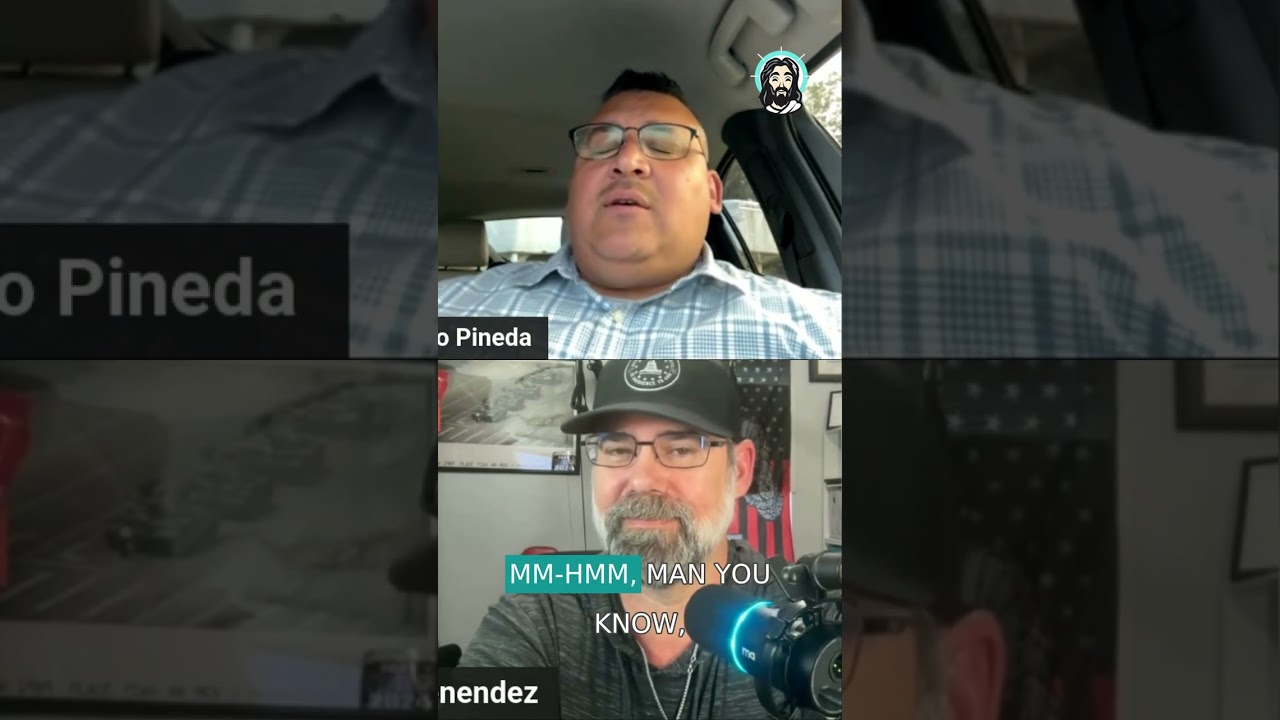
Robert's Testimony | From Rock Bottom to Helping Others, Give It One Chance #addiction #jesus #god

Robert's Testimony | Disclosure is the key to healing and freedom #god #addiction #victory