The Temple of God
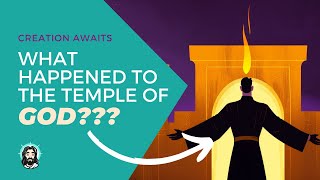
In this sermon, the speaker traces the biblical narrative of access to God's presence, beginning with Solomon's Temple, which symbolized the Garden of Eden and embodied a hierarchical system that restricted entry based on purity. The speaker explains how the temple’s structure illustrated humanity’s separation from God due to sin. Moving to the New Testament era, the sermon describes the corruption of the temple system under religious leaders, and how Jesus challenged that corruption by offering direct access to God through his ministry—healing, forgiving, and ultimately cleansing the temple. The tearing of the temple veil at Jesus' death is presented as a divine act that removed the barrier between God and humanity, granting all believers direct access to God's presence. The outpouring of the Holy Spirit at Pentecost is portrayed as the moment believers become the new, living temple of God, with God's presence indwelling them. The sermon concludes with a pastoral call for listeners to embrace their identity as living temples, to live in continual communion with God, and to draw others into Christ’s transformative love and grace.
Chapters
More from James

Robert's Testimony | Broken, rededicated, and honest: Robert's turning point #addiction #testimony
Robert's Testimony | Women value your integrity more than your behavior #addiction #testimony #god
Robert's Testimony | What Real Support Looks Like in Recovery #addiction #recovery #jesus #testimony

Robert's Testimony | How I quit porn and rebuilt my life #addiction #recovery #jesus #god #testimony

Robert's Testimony | How dopamine hijacked my brain and fueled my addiction #addiction #jesus #god

Robert's Testimony | How a 24-hour rule and accountability saved my recovery #addiction #jesus

Robert's Testimony | From Suicide to Healing, A Dishwashing Revelation #jesus #addiction #god

Robert's Testimony | From Rock Bottom to Helping Others, Give It One Chance #addiction #jesus #god

Robert's Testimony | Disclosure is the key to healing and freedom #god #addiction #victory