The Insider's Edge To Real Estate Investing w. Amy Calandrino
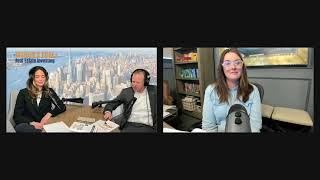
A recorded interview (YouTube) of Amy Calandrino by James Nelson covering her transition from legal paralegal to commercial broker and principal investor, founding Alkamo Holdings, and investing focus in downtown Orlando (Mills 50/Winter Park adjacency). The conversation reviews owner-occupied financing choices, leasing and tenant qualification practices, deal structuring (15/15/15 loans, 1031 exchanges), CCIM education, and mindset/work–life lessons from her book From Perfect to Real and the SPORTS Success system.
Chapters
Welcome, everyone. We are thrilled to have with us today Amy Calandrino, who is founder of Alkamo Holdings. She is a director for Cushman Wakefield out of Orlando, and last but not least, author of From Perfect to Real. Amy, welcome. Great to see you.
Yeah, thanks so much for having me. I'm excited.
So, Amy, we had the pleasure of meeting. Well, we've collaborated over the years, but we had a lot of fun this past year. And I always forget if it was Palm Desert or Palm Springs. It was somewhere in the desert in California for the CREI Summit. So I want to thank Ken Ashley and the team again. We're doing this as part of a CREI mini series. So for those of the audience who don't know what CREI is all about, maybe talk a little bit about, you know, what that is, kind of what that event was, and then maybe we can use that as a springboard to begin our conversation.
That's a great, great way to start our conversation. And so I've actually been going to CREI summit since the first one in 2021. It came together when Ken Ashley, Coy Davidson and some other more prolific people on social media talked about, well, we interact all the time on social media. How about we get together, you know, in real life? And of course, this is like Covid and really, it was really good for us all to get together. It started first to be called a crei, more of influencers, but, you know, it's grown to be much bigger than that because it's more than social media. It bears down into your, you know, press releases, your, you know, thought leadership, and so many other facets of, of creating, you know, influence. And then also we focus, focus a lot on AI now and how to be better at commercial real estate. And so it's. The eye is more so innovators nowadays. But again, they had it in 2021 in Lake Tahoe. I think 2022 was in New Orleans. 2023 was in my hometown, Orlando. And then 2024, I can't remember where we were. Oh, Atlanta, Ken's hometown. And then, and then we were in Palm Desert just, just this year. And actually, I think that's where Saor that I'm part of is going to be in the spring for their spring conference. So now I already know the lay of the land and I already played one of the golf courses and get to go play the other one.
Wonderful. It was my first time attending. And, you know, it's such a great community because it's really a group of people that aren't just trying to, when you think influence, it's, you know, I'm trying to influence other people. And to me it was really a community of like minded professionals who were trying to lift each other up. And that's, I know certainly what you embody. So we'll get into more about kind of takeaways from that. But again, I just wanted to spotlight that because again, social media was originally what brought us all together. But how amazing to bring that offline in person. So maybe for our audience maybe give a little bit of a background about your story. So you're a broker who've now in addition you've transitioned into investing. So maybe you could just give our audience a little bit of a sense of kind of, you know, what your focus is and also what you've been doing now on the investing side.
Yeah, absolutely. So prior to brokerage, I think it's important to say that I was in the legal field. I had aspirations of going to law school. I was a business and commercial real estate law paralegal. And so you know, I worked on a lot of different closings, interacted with a lot of small, medium sized businesses and were a couple things like I noticed along the way is one is if they weren't very thoughtful about the commercial real estate decisions, you know, there were some ramifications that came on later on. But then also if they made really good choices, especially owner occupiers that become their own landlord and pay, you know, pay their own rent and then maybe start to build like a portfolio and springboard that into there, you know, just how wealthy, you know, they were. And it's, you know, it was really interesting to see but what I saw in my particular market and you know, every broker has their own, you know, specialty, but I would say my specialty is working with small medium sized businesses like what I, you know, had in my own brokerage and then helping them to purchase commercial real estate once they start to cash flow and then, and then also then start to springboard that into investments. But so I worked as a paralegal for almost a decade and you know, did, did, you know, did well at that. I first started to want to invest probably like in 2009, but even though we had a bunch of money, there were, there was no capital available. And so we kind of put that aside and signed another lease. And then at that point I was still with the law firm. That was 2009. And then after that I started my, started my brokerage and started transitioning, you know, out of law to go at that full, full time. We ended up in 2019 having an opportunity to purchase a building that would allow my husband's law firm to be on the first floor. And then my second floor would be my. Be my brokerage. We were there for a number of years, but our space needs kind of changed and we decided to put it up for sale. And I can talk a little bit about that, but I think we were more so focusing on how I got into it. But that's kind of springboarded where I am now. And I made some decisions to we were outside of Orlando and more of like a secondary market. And then we decided to reinvest in downtown's Orlando core. And so then we 1031 into two buildings, which both of them are investments now. We don't use them as owner occupied.
Amy, that asset that you bought in 2019 with your husband, is that what sort of started Alchemo Holdings? Because I know you have your investment company as well as your brokerage efforts. So it would be great to hear about kind of how that started. And I know there's a history behind that name, Alchemo holdings, so it'd be great to hear a little bit more information on. On that.
Well, so when we first purchased it again, we kind of more so intended to utilize it. And I wasn't even going to utilize the whole second floor. I was going to maybe lease out some of it to someone else. But we just named. We purchased it in the name of the actual address. But then when we started to 1031 into another property, I'm like, I don't want to own these properties. I have a completely different address in it. And so my husband and I talked about it and his grandfather came over from Italy and they came over from the island of Sicily and they were from a small town outside of Palermo called Alkamo. And there's actually a Calendrino tower there. And so we decided to. To rename our company Alkamo and that would be like our name moving forward to give homage to, you know, his family and in his roots. And also, you know, it's like a sense of pride now, you know, a couple generations from, you know, coming, you know, going through Ellis island, my husband's grandfather just, you know, where we are now. And then, you know, now we're starting to look for, you know, other properties and other opportunities.
And is Alcomo mainly focused on Orlando?
Yeah, so we, our focus is in the downtown Orlando core. We are currently looking to. We just have A couple properties right now, but we're also looking at other ones that are adjacent and in the same area. There's different districts within Orlando, more than like 10. One of them is called the Mills 50 district. And every district has its own personality. But I really like Mills 50. It's kind of like a foodie haven. There's a lot of walkability and there's a lot of culture. It's pretty cool. So.
So, Amy, I love the fact that you bought your own office because that's really, you know, taking, you know, again, as a broker, you're encouraging owner operators to purchase their own office. So you're practicing what you preach. And this reminds me of the episode we did with my friend Michael Rutter. He has an entire business up here in New York focused on office condos. And the buyers for these are end users. So for our audience, it's a great reminder that investing in real estate doesn't just have to be for income producing properties. It could be for your business and it could be a great way to get into the business. And I think about some of my clients over the years and sometimes it was the business that originally prompted, you know, buying, owning the real estate. But after decades, the real estate became so much more valuable than the business itself. I think of the Liberty Brass factory that long after they were manufacturing brass in Long Island City, it became a large scale development site. So. But Amy, when you made that purchase for your office and along with your husband's law firm, I'm curious, did you take advantage of any of the SBA loans? So I know there's very favorable financing for owner occupancy. Or did you just get bank financing? Maybe share with the audience a little.
Bit about how you call it the Calandrino special. What I like to get is a 15 year term with a 15 year amortization and try to get locked in with 15 down on owner occupied loans. I know it's a little bit more like probably 20% down right now for conventional financing, but love the SBA. If you need to use SBA financing, by all means do it. But sometimes the amount of fees and the increased interest rate and those kinds of things, really, if you can muster the additional equity to put into the property, that's the way I look at it, rather than you spending it on fees. And so we bought it with a 15 year down, 15 year amortization and 15 year term locked in. It was interesting. The buyer that purchased my building was someone that I had connected with in law. It was the Florida Bar Foundation. That helps. And that they were wanting to buy it and then expand into the second, you know, the second floor. And we literally negotiated the deal at the conference room table. Oh. So. But then when I 1031 in the two other buildings, we did a. 15, 15, 15 again. So I, I just didn't want to have a balloon and, and have level. You know, that that's what kind of makes sense for me when I look at the cost of capital.
On the. Oh, sorry, go ahead.
No, that's, that's fine.
Go ahead. On the, on the investment side because I, I know you're based in Orlando. You're clearly bullish in Orlando. What it a compelling investment opportunity for you and your husband and what's next for, for Alchemy? Like, are you guys looking at any other markets or are you staying where you have boots on the ground?
I think we'll stay here in Orlando. I, I think we continue to have inbound migration. Retail vacancy is about 3 and a half, is less than 5%, but in that particular submarket is like 3 and a half percent. We're also adjacent to a town called Winter Park. You know, the office vacancy in Winter park is 3%. What I really like with Mills 50 is again, it's adjacent to, to Winter park, which is a really strong community. And then we're also adjacent to Orlando. So I think I'd really want to dominate that before we maybe look into other things or maybe I look to be like an LP and some other markets and until I really get good, you know, good at that.
So that makes a lot of sense.
And you actually did a second mortgage on the buildings last week and we're going to. So we have, we up zoned one of the buildings and we actually have a birthing center that's going to move into the former law office. So. And because he doesn't use it anymore. And then the other one. So we just have two. And then we're again trying to acquire more, but the other one we're going to, to renovate as well. And we just finished going through a growth management plan amendment with the city of Orlando to kind of again up zone it because we're literally only 600ft from a Starbucks. And you know, in this really more walkable area, which usually when you think of Orlando, you don't think walkable. You think you have to kind of drive everywhere, you know, in Orlando. But again, this is a really great area. And so then we're about to start on another renovation of the. We bought Them next door. So that's another piece of advice I'd give to someone is, you know, try to, you know, start to acquire and piece together properties adjacent to there's more value.
Are these retail properties then with office above or when you say that there's potential for redevelopment, do you think at one point you take this down and build something new?
Yeah. So what I see long term for this area is it's kind of like an office, but you can use it for like a retail kind of office. Like maybe like a State farm kind of office. That kind of, that kind of office. Or now that we've done the growth management plan amendment, we can do kind of more of like med tail. But there's also a number of townhouses in the area. So the as that continued and it has great, great, great school districts. And so like if anyone ever wanted to tear them down and maybe redevelop as we continue to get more land and more, more buildings and they're older, then they, they could redevelop it into something else.
Are you leasing all the buildings that you're buying? Are you working through another broker?
Am I leasing them out? Yes.
You personally?
Yeah, yeah. So my specialty is office and retail, so yeah.
Okay. Yeah. So you, you wear a lot of hats.
Are there.
So with your background in leasing as well, are there any misconceptions for, from like the investor's perspective that like, like maybe we have about tenant demand in office and retail? Like just, just seeing things from, from the tenants perspective, like are there any sort of misalignments between the, the tenant and the investor right now in that kind of space?
Interesting. In terms of like types of spaces.
That they want or just general appetite for, for office and retail down there, like based on what you've seen in recent leasing activity, is that.
So what I see right now is that tenants are more willing to invest in the, the spaces in exchange for a lower interest rate. And so I have a number of assets are very similar to my own that I also represent in the same area that are owned by other people, whether they're doctors or lawyers or otherwise. And I'm finding on the these smaller, you know, transactions where you're representing a more small, medium sized. These investors are not institutional grade investors. And so they're more private investors and they're not wanting to stroke, you know, a hundred thousand, two hundred thousand dollars check to improve the space. They would rather reduce the, reduce the rent, provide more concessions. And then because we have such a low vacancy rate here in Orlando, I'm finding that tenants are fine with that and there's also some tax advantages with the big beautiful bill that came out. As far as them going ahead and wipe, you know, depreciating the, the, the improvements they're making into the space.
Yeah, Amy, is sometimes the concern from landlords that they're going to go and improve the space, you know, spend a lot of money on the ti. And then what happens if the tenant doesn't make it? You know, and that, that's. So how do you weigh that and make sure that, you know, again, if you're doing a six or seven figure renovation that you're going to have a tenant at the end of the day who's going to take on the space and is going to pay rent because the worst possible thing that you could do is do a custom build and then the tenant doesn't, doesn't make it and then, and then you're upside down on that. So how do you protect, how do landlords protect themselves against that?
So I think there's like a mindset is like, you know, it's kind of like you don't want to necessarily visualize that the person is going to blow out, but you have to. The fact of the matter is, is that that potentially they could blow out. And you have to think to yourself, if you're making this investment, if they do, then who, you know, is this going to be utilized? You know, are you going to be able to utilize this and lease this back out again? And so I have a landlord right now who has a great space and someone's wanting to make it a hair salon and that's going to be a very unique custom build out. And so how easy is it going to be? And you know, unfortunately this, that, you know, that person's been kind of hem and hawing, you know, on getting the lease signed. And now some other people that are much more suitable and they're going to put a more attractive build out in there and it will be easier for me to lease out should, you know, should they fail? You know, unfortunately, you know, sometimes things change in business. So how do they level that out? I think you have to think to yourself is, you know, if, if the worst case scenario happens, you know, what, what, what is, what position does that leave me in? And then just picture that worst case scenario and see if it's worth, worth you taking that, that risk. But I think don't act out of fear. I mean, at the end of the day, if you have a deal, you know, and you don't have any other options and you feel, you know, pretty good about it based on the collateralization and the guarantees and, and the amount of security deposits, you know, move forward.
Yeah, let's talk a little bit more about this because I think this is going to be helpful to our audience. I mean, needless to say, if you have Starbucks that wants to sign a lease with you, I think most people understand the value of a corporate guarantee. However, if you're dealing with a mom and pop, how do you get comfortable with their financial wherewithal? How do you decide what type of security deposit are you getting? Personal guarantees. I know in New York, one of the provisions that we have here, and maybe because it's so challenging to evict a tenant, is a good guy clause, meaning that if the tenant is up to date on the rent at any point, they could just give you the keys back and walk away from the space. No harm, no foul. Which I guess is better than the alternative than their, you know, squatting in the space and all the legal costs. But you know, again, that that's hopefully not the case you're planning for. So I guess the question is how do you qualify the tenant to make sure that they're going to be able to pay the rent and that you have the proper guarantees in place?
I think there's a couple things I look at that. So. So first of all, I've developed an application like over the years that my landlords can use. Now obviously I say, you know, you're welco, use your own or supplement it, but it's more like seven pages long and it asks, ask them for the entire vision of the space and their brand book and those kinds of things. And I want to see like how invested they are in the deal and give us a narrative about their, their experience and also again, how they see the space and then give me their entire like pro forma of what are they going to put into the space? What do they expect their revenue to be year after year after year? If somebody can't give me that, then, you know, how disciplined of an entrepreneur are they going to be in business owner when they go, go forward. And like I look at the speed in which they can give, give it to us and the thoughtfulness of it. It also asks for a lot of financial due diligence and you know, are they giving me everything and then actually looking through it? I mean, just recently we were given bank statements and we looked and it looked like they got a lien from the Florida Department of Revenue because they failed to pay their sales taxes. And that's like a red flag. So, I mean, also look through every single one of the documents. And so I think it's highly important that you don't just judge the, the people based on meeting them during their interview. I think you do in depth the due diligence to, to get a, a reading of them. Look at the speed in which they're doing, look at their evasiveness. I mean, I use this saying all the time. People who have money don't mind talking about the fact that they have money and like, and sharing their, and sharing their, their financials. The people that I see that are hesitant about being full kimono, it feels to me like they have something to hide. And so when you're working with those local credit people, there's a, there's a little bit of that, you know, how does that feel? What is the cadence? What is their thoroughness that you look at overall? So, and then how difficult are they, you know, in lease negotiations? Don't be afraid to pivot. As a landlord, just because you gave someone a lease, there's no moral requirement that you have to do this deal with this person if another opportunity becomes available. I mean, at the end of the day, business is business. You're marrying this person. It's, you know, you, you're getting into this business relationship with someone for a long period of time. So don't be afraid to like, pivot just because you have a lease out there. You know, obviously if you're, you have an exclusive negotiations clause or something like that, you have to abide by that or run the clock on that. But, you know, I, I, I've been, I've been there myself where I was in negotiations with one person and it just wasn't going very well. And you gotta, you gotta pivot. So until the lease is signed, you have insurance, you have your money and keys have been exchanged. I, I feel like it's fair, fair game for you to get the best possible tenant into your space.
Let's talk about how your deals are capitalized. Do you typically put up your own equity or do you work with a partner? Typically? Are you syndicating them out to friends and family? High net worth. Like, what kind of channels are you.
Tapping into at, at this time? It's been just funded by my own family and the money that my husband and I make. So he's, as I said, I worked with him, he was a business attorney. And, and then, you know, I'm pretty successful in commercial Real estate. So we've funded it so far. But I do see as I continue to do more deals, that I may look to start to do some development and those types of opportunities and at that point look to do some syndications.
So that's exciting. So, because I know you've made this big leap recently as you've joined Cushman and Wakefield from beyond commercial.
Yes.
So as you're sort of developing that side of your business, are you also looking to grow the investment side sort of in tandem or are you kind of more heavily weighted towards one or the other?
So I, you know, I had a brokerage for 15 years, and at the end of the day, you got to look at your ROI on your time and on your money. And at the end of the day, I didn't have any. I had no desire to scale my brokerage. I'd scaled it at one point and then really it was more small and there just really wasn't a huge roi. And you have to, you know, as an investor, entrepreneur, you have to look at where is my time and my money, like, talents and treasure, where is that best spent? And so I really looked at that and what, what I see for me and my family is that continuing to build passive, you know, income streams to, to create generational wealth for, for our family and utilize the money that we're making through, you know, the vocations that we have to obviously help to, to kind of fuel that. But, you know, when you're spending a lot of time, I, I feel like I freed up at least, at least a dozen hours a week of not having to do the finance and the HR and the visioning and, and all those different things. And I'm freed up. I'm still an entrepreneur. I'm still an investor. I just chose that, you know, I'm going to be a 1099 within, you know, this larger construct which I feel is going to be most beneficial to me and my family long term.
So I want to quickly just give a shout out to Marcy Moneypenny and Mo Regalia, who I see are both put comments in the chat. And there you have it. The CREI Community Network showing up and supporting. So we appreciate your joining us as well as all the others who are on the live stream with us now. So, Amy, we've had broker investors on this show before and I think it is important, especially because we also have a lot of brokers who listen to this show who want to learn how to invest. Conflict is a real thing, and I think so is disclosure and doing things in the right way, certainly when you're working for a publicly traded firm. So maybe talk a little bit about how you navigate that conflict or potential conflict when you're owning, but you're also maybe leasing similar space. How do you kind of. What are some good guidelines that the brokers who might want to invest could learn from you on that?
Well, I think always do the right thing. Like, I know when I saw we sold our first building, that we bought it, and we ended up gutting it, renovating it, putting our offices in it, and then, you know, selling it to the Florida Bar foundation, and then we were 1031 ING. I was representing a law firm at the same time that was looking at the same, exact same size, you know, asset that we were also looking to go into. I mean, I told him and I said, hey, you know, this new property has come up in the Mills 50 area. This is what it looks like. Here's the photos. And I, I shared that information with him. I think that you, you need to be transparent. And at the end of the day, if my client had wanted that and the same ask, I would have let my client go full, full steam ahead. So if you are working with someone that is, is potentially having the same need that you as an investor are looking for, I, I think the worst thing that you could do is withhold that information because later on they're gonna see that you bought the building and be like, well, why didn't you, why didn't you tell me about this? And so I think just being super transparent and working with the highest level of ethics and not withholding any information from your clients.
Great point. Amy, maybe talk a little bit about your CCIM distinction. I mean, you're an SIOR as well, and I know that there's definitely accreditation that goes into that. But for our audience, maybe you could just tell them what CACIM is and then would you recommend that for others who are looking to level set their analytical underwriting skills?
Well, absolutely. I started on my CCIM journey about a decade ago, and I found it to be really, you know, transformational, especially since I tend to work with more occupier investor types. There's four classes that you need to take. 101, 102 and 103. 101 starts with kind of like a primer of commercial real estate. 102 is more about, like site selections, demographics, and studying, you know, creating void analysis, all those types of things. 103 is more about owner user decision making and lease versus buy analysis. And then at the end of the day, 104 is kind of melding that all together. More advanced techniques such as, should you continue to hold the asset, refi, should you sell the building, should you do a sale, leaseback, and looking at all those tools. And at the end of the day, I feel like the more information and the more tools I have in my toolbox, the better served my clients are. And so I finished my CCIM journey in 2018, and so I got it done in about three, three years. But I mean, I still go and do discounted cash flow analysis and utilize all the tools. I've also created my own pro formas based on the information I've used there. You know, at the, there's, there's a certain amount, as I always say, there's like a little bit of a women's intuition that I'm kind of blessed with. I can kind of see, you know, I can see whether it's going to work generally or not. But you've got to like, you got to run the numbers. You got to know your numbers and figure it out. And so CCIM really helps me a lot there. The other thing they did was they had a mentorship program, and at the time I had my own brokerage. And so they paired me with someone who was very excited, experienced in, in office and in retail. And they, they helped me tremendously kind of figure out what my business plan was, but then also thought about, at the end of the day, there's business, but then there's also life. What, what were my other personal goals that I wanted to achieve? So I'm really grateful for that. And actually the person that facilitated all of that was a Jen Pollock from Ameris bank, and she actually has a debt on both of our buildings. So it's like a full circle 10 years later. Yeah.
So, Amy, a lot of people, I think, talk about how coming from the principal side to the brokerage side can be helpful. I mean, I, I recently made that transition and it's, it's definitely been helpful, like bringing sort of like an understanding of what investor, investors want and need. But going from the brokerage side to the investor side, how, how has, how has your brokerage experience helped you with making these investments? Because I feel like a lot of people don't talk about it from that angle as much. Like, what, what are the main lessons that you've learned from brokerage that have helped you sort of see things in your real estate investments that someone who didn't have that background wouldn't have.
Well, I think one thing is, is if you have a really good deal in front of you is to, to again be, have a long term vision plan. I use that example because a lot of investors maybe for instance if there's a really good tenant may try to do like a five year deal rather than a ten year deal. But you know, on one of my buildings recently I had someone ready, willing and able and they're starting at a really good rate willing to do a 10 year, you know, 10 year deal. So obviously I have to pay the, the tenant rep, you know, the commission based on that. But I'm, I'm happy to do that. I, because of the broker side, like I know how much work it's going to be if they decide to leave after five years versus you know, locking them in for a longer period of time. And then I also know potentially the goodwill that you're putting out by, by as an investor, if you're treating a broker well, that that would be beneficial, you know, in the long term place. I guess those are a couple things that I would look at is because I know how deals are transacted and how long it can take to fill vacancies and again treating brokers well when it's, when it's my own assets and I'm the principal.
So that's great. Thank you. And Amy, I'd like to now talk a little bit about your book From Perfect to Real. And I love the subtitle here. Ditch perfection, Shift your mindset and thrive on your terms. So you're also creator of the Sport Sport Success system. So maybe just a little bit for our audience on kind of what goes into shifting your mindset and some of the lessons from, from your book.
Also, what does sports stand for?
Yeah, so, so I think I need to actually rewind to the first year I went to the CREI Summit. So I'll kind of incorporate that back in there. I was, I had, I have two children, one that was born in 2019 and then another that was born in early 2021. And in 2021, you know, purchased my first building in 2019 and I was going through a lot and I took on way too much and didn't really adjust my life to, to having kids and I kept going full throttle. And I also suffered from some postpartum depression and that kind of stuff. And so I was not in a great headspace when the CREI Summit came around. And in fact I wasn't even really wanting to go, but I made myself go. And as you probably have seen too, James, it's a. It's a super powerful community. And there's nothing more powerful than being in. In a community that people are like, yes, you can. And you get that encouragement and, you know, you can do the. You know, Mel Robbins sometimes says, like, 5, 4, 3, 2, 1. Just do it. Just go out and do it. And so I went there, and the one thing we forgot to mention, I actually have a podcast called the Performance Mindset show that came out of that summit is podcasting, because I felt like my mindset wasn't very strong. And what is a way to make your mindset stronger? Well, study mindset and talk to people about mindset and work to strengthen my mindset. And so then that mindset has served me really well in, you know, business and investing and otherwise. I also wanted to come up with like, a training system for my brokerage to help train my agents to help them strengthen their mindset. And so I created what was the sports success system for my brokerage internally. And I did that in early 2022. And so s is synergistic. It's the people you're around, it's the energy you're consuming. And I think that's key. P is being persistent and always pushing through, you know, no matter what, and doing the things that you don't want to do. You just, you just do it. Right? Just do it. Like Art Williams said, just do it. And O is omniscient, but more in a sense of being a curious person and always looking to learn and, and expand your opportunities. R is radical, not being afraid to do new things and do things in a way that maybe no one else has done. T is tautological. And I mean that in the sense of kind of rinsing, repeating, habit stacking, and like kind of continuing to pull all these things in into you on a daily basis. When I started practicing that and 2022, and being really mindful of the communities and the people that I'm around and having that synergistic mindset and then just, you know, pushing through and being more diligent about, you know, the studying and being curious and, and also not being afraid to be different, you know, at all. At the end of the day, we. We are all slightly different human beings. That's okay. And then. And then just creating this more healthy habit, you know, construct, not leaving things to. To. To the whim each day. So that's more about the sports success system. So now my podcast, about 120 episodes in I wrote the book from about early 2023 into 2024 and that was a really transformational time for me. It really turned me in more introspective and had me think through more about what, what was great for me. And so it was about the time I actually finished the book and was promoting the book that I took the time off and then decided to sell my brokerage. And then, so now I'm kind of into the, the next level of my, my career with investing and spending time with family. So I hope that kind of answers your question. Gives you a lot of information about everything.
Having that, that level of self reflection, especially in such a public way, I feel like requires a lot of vulnerability. Have you always kind of been vulnerable or is that something that you've sort of discovered as a really powerful tool as you've kind of gone through this journey?
It's funny you say that. I ran across a video not too long ago and my aunt and uncle were telling me on this old VHS tape, like, are you being a shy Amy guy? Because my, like my, my little name. But I, I was more introverted and shy. It really was practicing what I was already putting out to the universe. And I think just year over year having the podcast, being around other people who exude that level of confidence, it's, it became easier. But yes, it did create a lot of vulnerability. And I get calls from people, you know, all the time that this part of the book really touched me. This resonated with me. So I'm really happy that I did have that level of vulnerability. But I would have to say it wasn't something necessarily natural to me, maybe even just like five years ago.
Yeah, Amy, I definitely appreciate it and really enjoyed the book and how forthright and honest you were about your experience. And I'm sure it'll help many people. I can also personally attest to your just do it mindset. So we were after the, the full day session at Crei. It was probably 10:30, 11:00 clock at night. I was still on east coast time. And I said, you know, we had hiked one of the mountains the morning before and we said, yeah, Amy, we're going out again tomorrow morning at 5:30am and you said, yeah, I'll be there. I'm up for it. And I thought, you know, there's a lot of things that people say, you know, after 10, 11 o' clock at night about their intentions and whether or not was going to happen. And sure enough, you were there the next morning and you know, showed up and. And we got to see the sunrise and make it to the top of the mountain with Corey Zelnick and Gabe Einhorn, who have also been doing incredible things on social media. But, Amy, you do so much, again, in the personal life, great mother. And all you do for your kids. You've got your brokerage business, you've got your investing. You've also written a book, you have a podcast. It's a lot, but you do it. And I know part of that is that progress, not perfection. You know, the fact that, you know, if you do this much, not everything's gonna be perfect, but maybe for our audience to understand, maybe someone who's looking to develop their own personal brand. Right. So, you know, is it write a book, Is it do a podcast and maybe talk about how you. And the amount of content that you put out through social media channels. Again, a lot of, you know, great work that you put out there. So, you know, how do you choose what to. What you do, kind of what's the strategy to go about putting that content out and then, you know, ultimately, what kind of benefit are you getting from that for your business?
Yeah, so a few things there. And so I would say to anyone that's wanting to build a personal brand is start small. Start with, like, baby steps. And so, you know, what I was doing eight years ago was maybe just a little bit at a time, making a big deal out of every deal and celebrating those that I was working with and sharing to the universe. Let's just say, for instance, I help a flower shop find a new space, or I helped this attorney find a new place to grow their law practices, sharing those stories. I'm fortunate that I don't work with, you know, institutions, REITs that are highly secretive, and I can really leverage it. And so by tagging those people, they're sharing it with different people. And so making a big deal of every deal was a very effective strategy for me and really helped to share things locally, you know, what I was doing. And I would say there's been periods where I've tried to do too much social media, and it just, like, is exhausting. And so, you know, you really have to do what you can manage and then find the mechanism that works, you know, best for you. There are some people that are on Twitter that are on Twitter, like, all day interacting, and they have the most, you know, prolific things to say. That's not really me. Like, I'm more so, like, interacting with them. And so find the channel that works best for you. I like Instagram. You know, personally I'm usually, you know, kind of like I'll do a day in the life of every so often and share that. You know, I started the day here at this coffee shop and then I went here downtown. And so you find the, the storytelling method that fits you best and what's actually consistent. I think there's a lot of people that you know, including Bob Nackle that you've had on your show and you work with like, like it's all about consistency. Like if you're not consistent and you're just going to do something for a little while and give up, just like don't even do it. And then I do set limits on myself. I may check social media for a little bit when I'm working out in the morning, but I'm not going to check it again until I have all my rocks are done for the day. Everything that I have on my calendar is done for the day. I set a monthly content calendar is very helpful for me and something I'd recommend to someone do do as well. And of course I'll intersperse some stuff and, and then know what your content pillars are. And so like my content pillars is all about celebrating small and medium sized businesses, all about real estate investing. I got a new license plate by the way. It's a big roi.
Oh wow.
License plate is so awesome. Beyond. And so obviously, you know, new Amy. So big roi, people love that. So, so, but yeah, I would say the other thing I do is I map out my time on Sundays or Saturdays. I take like an hour and I have a handwritten planner and that I live by and I write everything out, make sure I'm prepared for every meeting that's on my calendar. And yeah, you just, I think even though it seems like I do a lot, I say no to a lot, lot more than anyone would even think that I say no to. And I'm just like, I'm sorry, I can't do this because you know, like, for instance, people are wanting to have coffee and lunch right now to celebrate my transition. I would love to. I have a closing tomorrow. I had a closing yesterday and this is Thanksgiving, you know, recording this. I mean it's amazing. And I have a lot more closing for the year. I'm like, like, let's get together in January, you know, and look at that and then let's have a coffee. I can't really, you know, I have to be very careful how many lunches I have because lunches are two hours and so it's all about balancing and figuring out what. What you can actually manage.
So with all of these moving parts, you clearly need to stay very organized. What are some ways that being a perfectionist has gotten in the way of. Of kind of just doing what you need to be doing? And then what are some. Like, how have you gotten over that? Because I know that's kind of what your book is about. Ditching perfectionism. What are some tools that can be helpful for ditching perfectionism?
That's a great question. It's really natural to me. You know, I don't nearly have the anxiety and perfectionism that I used to have. I'll be frank in that what are tools is, again, is just shifting your mindset and just. Just doing your best and knowing that you're doing your best every day. And. And a big thing is, again, is identifying. I just try not to take on the right amount. I have a big saying right now that I have on a sticky on my desk at work is quality client with a quality property equals a quality like, result. And so, like, at the end of the day, if the client is not a quality client and they're going to be micromanaging me and draining me of energy, or they're looking for something that's not, like, in my core and. Or they're trying to sell something that's not in my core and it's not like a repeat relationship, then it's not gonna be a quality result because it's just not gonna be a great, like, experience. And so I, you know, that's one of my new mantras I keep in the top of my brain. And so staying disciplined and not taking on too much and just being highly impactful and purposeful.
Yeah. And I could probably add to that as well, because I'm definitely a progress over perfection kind of guy. Because, look, even if the. The final product is, you know, 90, 95% as good as it could be, and sure, if you spent two, three times the amount of time to get it to 100%, you'd only be able to do, you know, a third or half of what you could put out there. So, I mean, I was talking to someone at the Massimo Khan Summit, the virtual summit that I just came back from in Vegas, and I was talking one of the speakers there about the videos that I put out there, and be curious if Mo has thoughts on this as well. I mean, she is the absolute expert in this category. But, you know, the videos that I'm doing from the street, which sometimes get Some of the best responses, you know, he asked me, well, how many times do you have to practice doing that? And I said, I. Just one take. I said, the only time that I don't do it is if there's a, you know, someone's leaning on a horn or a truck goes by or, you know, but other than that, I just let it roll. And sometimes I'll say something wrong and, you know, that's okay. I could go back and try to rerecord it. But then oftentimes when I get in my head and I try to re. Say the same thing, then I'll make two mistakes or three mistakes.
So, you know, that.
That's just. I think it's a little more authentic, too, than when you make a mistake. And it's like, okay, just. Just roll with it.
It's relatable, too. I think people like things that are relatable.
Yeah. So. But, Amy, I, you know, I really appreciate, you know, you know, how much you care and the way you reach out and. Because I don't want it to be confused with, you know, it's, you know, just trying to be, you know, quick and. Because, you know, and I thank you for this personally, but why not share with the whole audience? I mean, you wrote a really nice review on my book. And it wasn't just like, hey, great job. Great book. Like, I could really tell that you read the book. You absorbed it. And from reading your book, I know that when you grew up, you know, you couldn't keep enough books in the house. You just go to the library and just read and read and read. So that obviously came through. But, you know, really appreciate. I know there's so many people in the community that appreciate everything you do and give back. So I think with that, and this has been an incredible discussion, Amy, maybe share with our audience, you know, maybe there's someone out there who is, you know, kind of looking to kind of launch into their next phase. You know, what is it? You know, what are kind of the best steps to get in there? And let's maybe do that through the investor lens. So maybe you're speaking to a broker right now who has yet to make their first investment. They're seeing their clients and everyone, you know, make these incredible deals. They want to get it, get into it themselves. What would you say is the advice to get someone off the sidelines and into the game?
Okay, so I practice this in every single facet of my life. As you visualize your future self, you visualize where it is you want to go. And so if you know that in five years, for instance, you want to own three properties, then you think of all the steps that you need to do to acquire those three properties, raise enough capital and, you know, figure out where you're looking, start to create, you know, prospects, you know, list of the properties you want to acquire, and, you know, all those kinds of things. And so I think visualizing your future self will get you off the sidelines, and then you're reverse engineering what you need to do there. One of the most powerful stories I can think of of someone that is an investor and took this owner, this advice is Nat Falcone, and she's out of Miami and investing a lot in Hylia Multifamily. She does a lot of, like, syndications. I met her at Beth Azore's conference and also have met her at, like, Globe Street Women Commercial Real estate conference. But there was one year, I think she was at, like, 40 units and then some, you know, she's like, I'd like to, you know, I would like to be at, like, 100 units next year. But it wasn't very, like, it wasn't with conviction. And then Beth, like, called her up on the stage or something like that happened. It's like, no, you're going to do that. And she's like, okay, I'm going to do that. She came back the next year, she was at 100 units. And so if you don't write it down and you don't manifest it into life, how are you. How are you going to get that? You just be more. You're living your life haphazardly and not with intention and not with purpose. And so that's my advice in anything that you want to do. I know when we climbed the mountain, I said to you guys, I'm like, all right, I'm gonna get stronger for the next time we go up the mountain. And let me tell you what, I'm ready for the next mountain. So when I go out to Sior in the spring, I'm going to be sprinting up that mountain.
There you go. Yes. Both figuratively and literally. So, Amy, this has been amazing. Thank you so much for sharing your story with us and our audience today. We're really grateful for everything that you're doing.
All right, thanks so much for having me.
And we want to thank everyone, as always, for joining on the live stream or on itunes. Excuse me, Apple podcasts, but who listens to itunes anymore? That's even a thing anymore. Apple, Spotify, YouTube, wherever you are listening to this right now. We appreciate your subscribing, commenting and sharing with a friend. That is really the best thing that we find that you can do when you get how could you not get benefit out of this discussion? Share with a friend, forward it on. And so as always, you can go to james nelson.com this site is not about me. We built this site for you to help you gain the insider's edge to real estate investing. That's where you can find the show notes. That's where you can you can find how to connect with Amy. There's also a lot of helpful resources on that articles. And pretty shortly we're going to be rolling out a new course in partnership with Adventures in Commercial Real Estate on real estate investing. That's going to be super exciting. So keep a lookout for that as well until next week. Thank you again for joining.
Thank you so much, Amy.









