The Insider's Edge to Real Estate Investing with Jason Muss
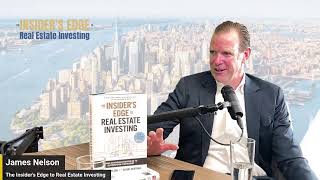
Jason Muss, president of Musk Development, discusses his family's 120-year real estate business built on conservative financing and long-term holds. The company owns 40-50 properties across office, retail, and multifamily, and Muss stresses partner selection by temperament, quarterly reviews, and underwriting discipline over leverage.
Welcome everyone. Thrilled to have with us our friend and client, Jason Muss, who's president of Musk Development. Jason, thanks so much for coming in today.
Thanks James, for having me.
And first and first and foremost, congrats. Must development turns 120 years old this year. I know you haven't been there for the whole time, but maybe you could bring us back a little bit and talk about kind of its founding and how the company's been built up over the years.
Sure. So my great grandfather came here from Lithuania. He was an immigrant and an orphan. He had to learn a trade and that was carpentry. So he built one house and from there built another and another, and that's how the company started. He went bust during the Great Depression, had a little bit of a comeback, but ultimately it was left to his kids to keep Musk Development going. My grandfather and father worked together for many years and I've had the pleasure of doing the same with my dad and it's been a fantastic run. So we are the ultimate long term real estate company, I guess you can say.
Absolutely yes. You've come a long way from building single family home. So at what point did it transition from being a builder to actually ownership? I mean, do you remember kind of the story of when you, you started the family, started investing and owning?
Sure, I think it's always been ownership. But the, the, the properties that we still own today are probably go back as far as the 60s and 70s. My grandfather and his brother built together several shopping centers that we own to this day, which is an incredible story. When you go into the basement and you find things from 70 years ago, you find files with my grandfather's signature on it or plans, the like and notes, stuff like that. I think that my, my, my father Josh took the properties to a different level as far as the kinds of developments that we did together in mus. Stuff that he did before I was around thousands of homes in Staten island, shopping centers and office buildings in Queens and Brooklyn and Staten island and ultimately working up to Renaissance Plaza and the New York Marriott at the Brooklyn Bridge, which we all continue to own to this day. The interesting thing is that there have been no large scale developments that Josh built in say the 70s, 80s and 90s that we don't still own. So we managed to keep hold of the real estate. We manage it as not just stewards, but as just forever owners. That's the way we think about it. And it really works because the tenants that we have in the building know that we're going to be there. They, they know that we care. We regularly visit every property. I think that our lenders appreciate the fact that there's, there's, there's no end of the road. So we're going to be in the loan forever. We're going to pay back the loan when it expires. And, and we've had a track record of not getting into adventurism and trouble. And I think it's served us well. And then from there, you use it as a springboard to do new projects.
It is amazing. Well, first of all, I want to say just from own personal experience, having been a tenant in one of your buildings back in the Massey Nackel days with your Queens Boulevard building. What was Queens Boulevard?
Right.
Yes, yes. And so I could personally attest to the attention to detail and the pride which you own.
But it was fun having you there.
It was great. It was a lot of fun. Was like, well, we had Tommy D. And a whole cast of characters. There was. Those are some great years. But you know, the idea, most developers, they build, they sell, they go on, they build more. So this is pretty unusual to have, you know, families. And again, maybe they can think the lefrax, I mean, there's some other, you know, the great New York names you can think of. But that decision early on, I mean, does, does your father ever talk about kind of why that was as opposed to expanding? Because obviously, if you could sell, you can monetize, you can take hopefully the profits, you can go build more.
Sure. It's definitely a slow and steady approach. You're not going to get rich in 10 years doing it the way we do it. It's really something that you're building over time. It's not just accumulating properties, it's how much debt you have on the properties. So if you have a portfolio that maybe is half the size of somebody else's, but your debt is significantly lower, you may be in a better position that way we think about. The way I think about it is when you're young and you're able to, you push that rock up the hill, and you push and push as young as you are in terms of lower debt, maybe a better ownership structure for yourself and for your partners. And then as you get to a certain point, it starts going down the hill. And the sooner you can get that rock to the top, to the peak, going down becomes a lot easier. And if you're perpetually buying and selling and flipping onto the next property, I think you're losing a Little bit of the momentum. There are a lot of transaction costs, there are tax ramifications. You know, you have to dissolve partnerships, go into different partnerships when you, when you buy and sell. We know when we go into a deal that either it's just family ownership or we bring in like minded partners. And where, when we run the deal we tell people up front, you know, this is going to be a while, you know, don't look for a capital event unless it's a refinancing or just cash flow that accumulates over time. And I'm pretty comfortable with that. I think that there's actually a lot of pressure off of you when you're not looking to sell in five years. Not that we're not actively managing the deal, every deal that we have all the time, but we don't have to be as interest rate and cap rate sensitive as others. We're not looking. The ten year treasury is a very important thing, very important metric to us. But it's not life and death.
Right.
You know, if rates go up we can survive that without a problem. And if rates go down obviously that's great and we'll be very happy if that happens. But the way we finance our properties, we're not dependent on cap rate compression or the tenger treasury dropping precipitously maybe like some of the merchant builders may be. And not that there's anything wrong with that model, it's just different than what we do.
Right. And there are inherent risks with development, certainly things that go wrong. But as you really stressed you've put yourself in a conservative position where if things don't go according to plans or take longer that that's usually you see a lot of, you know, in these distress situations where developments are over leveraged and then the timing, you miss that timing window, it can make or break a deal. So clearly you've kind of taken that off the table. But what's interesting to me is that a lot of the long term holders and you've certainly bought existing as well but most of long term holders would buy existing maybe even in this environment today, below replacement cost improve hold. So the decision to focus on development as opposed to buying existing.
Well I think both models work. We've been buying in the last five years more than we've been developing. I think the, the metrics for, for development have changed with interest rates being higher. You know, if you're building to a, to try to sell at a 4 cap or 5 cap like you were maybe 10 years ago, you know, there's A lot more room for profit than if you're, then you're, you're buying unle, you're building unlevered at a 7 and you're trying to sell for a, at a 6 cap, you know, that's a little bit less, you know, less lucrative I believe. So when we, when we buy, at least we know when we go in there's a cap right there. It's not just dirt. You have a cap rate and you can improve the, you can improve the cash flow. And you, you just take, take the time, you know, instead of the, the development process, which would be three to four years, you take that time instead to, to implement your value add process. And they're not that dissimilar. You're just going to probably have at the end of the rainbow a little bit less profit on a buy than you will on a build. It's just the nature of the beast.
Makes sense.
Yeah.
So talk about partners. If you take on outside capital, I mean, I think oftentimes what drives a lot of these buy sell decisions is if you bring in, you know, institutional capital, a fund, it has a life. So you know, typical deals from start to finish might run, you know, five to seven years. I would assume if you do have partners, they're, you know, have the same mindset that you do, that it's really buy and hold forever.
Absolutely like minded is what I said earlier. And that's sort of the way we think about it. We have done deals with other families. It's often on a 50, 50 basis or close to it. And the idea would be there's some sort of a reason to partner with somebody else. In the past we've, we were competing with another family on a, on a large deal that we ended up buying together. And we've owned that deal with that family now for 40 years. Wow. So the family, did you know them before the transaction? We didn't know them before the transaction.
Isn't that a little risky? I mean, how did you know at the time that they were going to make for a good partner? I mean, so again, if your hold period is forever, you've only recently met, right?
Well, it was a family and they had extensive real estate holdings also. And we really didn't have a choice because if we went against them on the deal, it would have driven the price up higher and we possibly would have lost the deal. We might have lost the deal, probably would have actually because they're pretty deep pocketed at that point. But we were more on the ground. So we made a pitch, basically, let's buy it together and allow us to run it on behalf of the partnership. We're very transparent with everything we do. And you know, it's been a terrific relationship and I think because of the way we operate, we can do things like that. We have other deals which are smaller, where we just have a terrific relationship with partners. Because what it comes down to is running the properties well and showing the value. And if you can do that, if you could create the value and you can show it, what's going to happen if you sell is ultimately people are going to be looking for another real estate deal if the one you have is good, you know, and, and you're probably going to try to do a 1031 anyway, unless there's a really good reason to sell it. Why would you?
Right. So we certainly have listeners on this show that families that have that forever hold mentality. But we also have a lot of aspiring investor operators, those who are definitely using raising capital for deals. Most of the capital out there does have that kind of short term life. But you know, for those who understand kind of the benefits and the generational, you know, appreciation, if they have that dream to hold onto that asset forever, you know, what, what advice would you have for those people about how to approach those discussions? Because especially for someone who's maybe newer in the business, you know, to attract that long term capital, how do you think they would go about doing that?
Well, do what Larry Silverstein did. He had partners in the early years and he had a mechanism to buy out his partners if he was able to. And I would say if you go into a deal, say it's a value add 100 unit apartment building somewhere in Brooklyn and there's a lot of, there's a lot of bad management there or something like that, and you really don't have $10 million in equity. So you put in your half a million that maybe you raise in your friends and family and then you put, figure out a way to get the rest of the money. Maybe the, the partner that you bring in would allow you to have, you know, a right of first refusal in terms of when the sale process happens. And you could at a later time if you've, you've built up more relationships, you can get long term people to come in and buy out the short term partner, you know, because somebody coming in with the first, with all that money, they're going to probably want to get out within three to five years. But once you've stabilized the cash flow and it becomes more of a core plus deal. At that point, you know, you can bring in longer term money, maybe you'll have more money to put in yourself. You can bring yourself up to 10, 20% of the deal and continue to manage it on behalf of the partnership. And if you do that four or five times, all of a sudden you're building up a portfolio. So there's definitely many ways to skin the cat in real estate. But I would say that if you're that person who's up and coming in real estate and you know that the only way forward is to raise the cash and it's short term cash, but you still want to build a long term portfolio. Just try to find, try to find some sort of a hook. Convince the people putting in the money that it's not going to cost them anything to give you this opportunity. It's going to be a price that you have to agree upon. But by having the ability to bring somebody else in, you're, you know, you're, you're for maybe a very small price to pay for the deal, you're potentially increasing your ability to continue with the deal forever. Yeah, or for longer.
No, that, that's fantastic advice. The other approach, I mean that they could try to come to, you know, a family who also likes to hold forever. I mean, do, do you ever get approached by, you know, emerging sponsors, operators who say, hey, you know, Jason, that this, you seem to have, you know, big holdings here. Would you consider partnering? What does that happen and how do those discussions usually go?
We've come into a few really interesting deals that way. People that, that, that I've known or know in the marketplace, they, they, they have money, they have the wherewithal and they also have an ability or desire to go into real estate. But they might not have the management company or, or the infrastructure that we've set up over the years. So they'll ask me to come in on a deal and put in 20, 30, 40, 50%, I'm okay with it. As long as we have the ability to be the manager and we either manage it on the ground or we're the asset manager, that works. We're open to all kinds of ideas. We've done so many different deals in that way and some of the best deals we have in our portfolio are from that, from that approach. I think what it really comes down to is temperament. If you agree with somebody on temperament in terms of how you talk to people, how you approach deals, how you, how you handle adversity, you know, when that big anchor tenant leaves and there's a hole in the shopping center or the office building. What is your reaction? Is it yelling and screaming, or is it rolling up your sleeves and trying to figure it out? I mean, we had that situation in the building that you were in Forest Hills Towers, where JetBlue was the anchor tenant for a number of years, and they vacated the building. They went to Long Island City. This was back in 2012. And we were really up Schitt's Creek because they were in the probably 200,000 out of 350,000 foot building. And we had a mortgage and we had taxes and the like. And we just said, how can we figure this out? We got fortunate in that an unfortunate thing happened in New York City. Hurricane Sandy and FEMA needed space for. On a temporary basis. We did a deal with them over a weekend for 20,000ft. On Friday, they called us on Monday, there were trucks rolling into the building with their equipment. It was an incredible.
Wow.
Yes.
Typically it takes how long?
Typically take three to four months to negotiate and then probably another two months to pay paper with attorneys. This happened over a weekend. It was an incredible situation. But FEMA was only going to be there for two. For a year and a half to two years. So we still had this impending hole, and we. It took seven or eight years, but we gradually filled the building up tenant by tenant. 50,000ft here, 20,000 here, there, 10,015. Right now the building's 100% occupied, maybe 99% occupied, doing extremely well. And. And it was because when this hole happened, we pivoted really quickly and we didn't panic. We picked up what we could. We sucked it up when we had vacancies, and that's how it works. But just stepping back on a broader basis, it's really about temperament and how you get along. That's how we select partners and people to do business with. And I think that if somebody were to approach us, I would look at, first of all, probably do a LexisNexis search to make sure they're not involved in any litigation, which is a very. I mean, people who've litigated in the past.
You're answering my next question. I was gonna ask, well, how do you know if you just meet some of the how? Because when things are friendly and going well, but then it's really when. When challenges come up and, you know.
Somebody'S been in business for 20 years and there's no hip width of controversy or issues. I mean, obviously everybody's gonna have business Disputes with people over the years, but it's how it's handled. What's said, what's not said. Everybody. It's a very small world, real estate. So you could call, discreetly, call people that they know and ask, you know, off the record, what's the bottom line with, with this individual. And if you call three or four people and, and you listen carefully, you can find out somebody's temperament. It's not as if, you know, if people don't think something positive about somebody else, they probably will say nothing. And if three people in a row say nothing, that's probably not a good, a good stepping off point, starting point for a relationship. So, I mean, we all know within two or three degrees of separation, every single person in the real estate industry, you, you probably is not a person who's doing business in New York City who you couldn't find out about. So if it's, if it's somebody in the industry here in New York, I'll know. And if it's somebody outside of New York, it's not that far. It's not going to be very far away to get the information and figure it out. And you want to do that really early in the process.
So I've known you for years. You've always very even keel. And it's funny because we've never talked about this topic on the show, but just the idea of, yes, temperament, but also managing stressful situations. I mean, I've got to imagine if, like take us back to 2011, your major tenant empties. I mean, you've got a mortgage that you have to pay. You know, how are you able to personally deal with that? Were you able to compartmentalize that as like. Because there's always issues in this business, right? Every single day, like, yeah, are you leaving them at the office?
Are you 100, 100. If you take the stress of real estate home, you're in big trouble. We have probably somewhere between 40 and 50 different properties. There's always a problem. Not one day goes by without a problem.
So you just don't think about it.
I mean, I think about it to the extent it's productive, but if it's not productive anymore, I don't think about it. We are for the most. And by the way, a big part of having peace of mind is not being in over your head on debt. It's a huge, huge thing if you're not overextended and you're not, you know, you don't have a loan coming due that can't be paid off, even if it's three or four years down the road. That's stressful. So we're, I think we all kind of knew in the back of our minds when rates were at 2 to 4% that that was not going to last for long. What we did, and what I think would be wise for people to do if they can, is just trying to take as long of a loan as possible. I'm willing to give up a little bit of the upside of rates going down and taking cash in order to have kind of the certainty for the asset that it's not going to do and there won't be money to pay it off and you have to go and do a capital call, which nobody likes, or you have to put the money in yourself or know or, or take a predatory loan. Predatory might be too harsh of a word, but you know, a higher interest loan with a lot of terms that you're not going to want to read in the contract.
Right.
You know, if you read it, you know, I'm an attorney, so I read a lot.
I was going to eventually ask you.
That, but yes, I am an attorney, not a practicing attorney, but I do make it a point to read the relevant documents from lenders, leases, partnership agreements, all that stuff. I do read it myself and ask the attorneys, you know, is there anything to be concerned? This seems a little bit scary. And the answer was usually, you know, it really depends on what happens next, if there's a problem or not. But if you're, if you're very careful as to what you sign and you have a good long term outlook, you should be okay.
And how do you deal with problem solving? So you have 40, 50 projects going on. Buildings, things are coming up. Buildings, yeah, so, so you've got things that are coming up all the time. How do you figure out how to deal with situations, how to prioritize?
Well, I mean, we have quarterly meetings on every property and you know, sometimes there are smaller properties, you'll bunch it into one quarterly meeting. And, and so every four months or so we're discussing every property. So at least in a group setting, like with everybody who's, all the disciplines, leasing, management, accounting, legal, everybody's sitting in a room and talking about the properties. So you'll know in advance if something's percolating. Yeah, obviously if there's a problem, you know, somebody, you know what happened in Staten island last year where somebody drove into a storefront, panic, backed up, drove into a different storefront, panicked, went forward, went into another. When Stuff like that happens, you know about it right away.
That might have been a little more than panic. I'll give you the benefit of the doubt.
Nobody was killed. But the Chase branch was not very happy when the car plowed through their, their storefront. They thought somebody was trying to break into the vault or something. But when, you know, or if, or if there's a dramatic flood or something happens where it's just out of the, out of the ordinary, you're going to know about it, you know, or if you're building, you're on your construction, you're building a property and the concrete contractor goes bankrupt, which has happened to us. Like when you're in the middle of a building, you're on the, you know, you're on floor seven of a 12 story building and all of a sudden nobody's coming, you know, nobody's been there for a week and you inquire and whoops, the person's bankrupt. So now you got to go replace, you got to take, they got somebody.
That usually they're hopefully bonded, but then you got to go and call it.
Yeah, well, it depends, I guess if you're, you know, the GC or if somebody else is the GC and you know it stuff. So stuff does happen, whether you're building something or whether you own something. There's, there's never a shortage of news. But most, most of the news is just part of owning a property. You know, you learn over the years that no matter what happens, it's going to pass. Yeah. I mean, you know, unless of course, the property is utterly destroyed, which is unusual.
So what's your favorite part of the business? Is it the deal making? Is it acquisitions? Is it asset managing? What, what is it that you really.
I think it's good. I think honestly, like the day of closing when you buy something or you start, that's really the most exciting day. Okay, I do love that.
Mean it doesn't get better after that.
Well, I mean that's, I mean that's like your most optimistic day. Like the day of closing. This is going to be fantastic. Look at the numbers. It's going to be a 3 multiple and we're going to make a 25% IRR. And this is going to be fantastic.
It's so funny because we had Jordan Vogel on the show. I remember he talked about buyer's regret. He said, he said, I bought 80 properties at the time. He said, every single one. The next day I said, oh my gosh, what have I done? I just bought this property. That means I paid the most money.
Usually the regret doesn't happen for like until like six months or so. But yeah, the most optimistic time in my experience is the day you close because everybody's congratulating you, the lender, everybody's all excited. You make a little announcements, right?
Well, you don't get the. Because you hold all your buildings so you don't get the closing, you know, when you turn around and sell it.
Right.
But maybe for you the capital event is, you know, the refinance or whatever it is. I mean that, that's when you.
For me, the capital event is when there's the first chunk of cash flow and you're like, wow, this could be recurring forever if we run this building properly. So if you put a million, let's say just you put like a million dollars of equity and you get that first $60,000 check, you know, and you think maybe next year it'll be 80,000 if you do things properly. And then next year it could be a hundred thousand. You're like, wow, look what we just did. We created something that we paid money for it, but there's now going to be cash flow that we could, you know, hopefully have. And, and it, and then of course, if you financed it properly, that could be exponential cash flow because you could, you're paying down your mortgage over time and if you get lucky, when you refinance it, maybe you'll have a little bit lower rate. You'll be able to amortize the loan down from maybe 6 million to 4 million. And when you refinance, there'll be less debt. So you could have better cash flow and you could. The tenants that are in place, hopefully when they leave there'll be a much higher rent and you want, it won't be too, too expensive to put them in. So all these things are happening, you know, and, and that's why, that's why when you buy a property, you're feeling good about it. But to me, the obviously the most positive thing is when you, you actually have shown the concept the. Everything you buy has an, as a, has a, you know, a thesis, just like you're in college, you know, you have a thesis statement. And, and the thesis is this shopping center is in an area that I believe is going to grow and be strong because of this. And that employment, you know, data or information and that school and that, you know, and that highway and those people and this demographic and all this stuff is going to create more demand. So if somebody goes out of business and you can't replace them, then you clearly you were wrong. But if somebody goes out of business and then the next day you have three offers for 25% more rent and they're willing to take it as is, right? All of a sudden, oh, look at that.
How do you come up with your thesis for investments? I mean, how do you, I mean, determine that? Is it data? Is it asking around? You know, how are you seeing things that maybe others are not?
I think it's, it's, it's anything and everything, of course, is data, but, you know, a lot of it is, is, is, is, is what you think is going to happen in the world and in that market. And whether it happens or not, hopefully more happens than doesn't. Yeah. In the overall, your, your thesis is, is proven correct. But at the end of the day, it's just a thesis and it's not something that you can prove ahead of time. And sometimes things happen that your thesis could be 100% correct. But if the property you bought has an environmental problem or, you know, the roof collapses or there's a fire or something like that, then, then it doesn't matter how smart you are, you're, you're going to have to deal with that. But for us, there's an underwriting process that first and foremost you have to do the numbers and make sure that, that the numbers bear up in terms of what, you know, what you think it's going to go. You can't buy something if the returns that you're, even if, you know, your returns are based upon things going reasonably well. And if even those returns are not showing good and not showing is, you know, you're going to make enough, enough money to make it make sense, then obviously you don't do the deal. So once you get past the numbers that it's an acceptable return, then you have all the, you know, to me, then you have all the, the underlying issues that, that aren't, can't be quantified. Will, will retail collapse because of Amazon? Will, will the office market in this, in this area, you know, really, really continue to be strong based upon people are moving to other areas of the region or, you know, will, will the, you know, will, will the residential occupancy stay high in, in central Brooklyn because they're building 20,000 units in northern Brooklyn? Things like that? I mean, there's no way to really know what that stuff that, that is really just, it's a combination of, of, of your own instincts and of the data.
So I wanted to shift up a Little bit about the different asset classes that you're involved with and then we can talk about the different geography as well. So you've been in, you are in office, you're in multifamily, you're in retail, you have a hotel, you have a nursing home. So how is it that you've chosen to diversify? Right. Was that a conscientious decision that you go into all these different asset classes? Is it, was it tough to figure these out?
Well, I mean some of that stuff was there before it got, before it got to the company. So the nursing homes were built previously, before I was there. There's something that we don't run ourselves. They're just great assets to own and we have third party companies managing them for us. The same thing with the hotel, we don't run the hotel ourselves. Marriott does a great job at that. What I do make a conscious decision to invest in and what I have in the past is retail, office and residential. To me those are the three basic groups. Put industrial and warehouse on the side because we're not in that world. But as far as what I've done personally and what I've acquired and built, it's office, retail and residential. I think all three of those assets are interrelated. They're all commercial real estate. They all have the same group of lenders buzzing around lending, even with office. Maybe not as much historically speaking. And I think in the future it'll go back to the way it was. I think five years ago nobody wanted to touch retail or seven years ago people thought retail was Covid and Internet shopping and all that other stuff, people thought retail was dead. I think that's been proven demonstrably false. But the three groups that, that we, that I'm actively involved in, I think all three of them do share the same world of potential investors, potential lenders, potential tenants. Obviously different, different kinds of people, but it's all based upon the same thesis that there'll be strong economic growth. The area you're investing in has people around it that want to be there or need to be there and that will continue in the future. All three of those uses share those basic things in my mind.
Right.
So.
But from an operating standpoint, I mean these are very different propositions, you know, I mean. Well, I guess it depends. But with retail, I mean you might only have a couple tenants depending on the leases are structured, I mean multifamily I would think is probably the most intensive to manage.
I mean they are different languages. But if you grow up if you, if you've been, you know, speaking different languages your whole life, it's not that crazy to switch from one to the next. I guess that would be the way I would describe it. So, you know, I've grown up with all three and I don't feel like, I feel like we understand all three.
Right.
They all have their own cadences, but you know, we have the same group of people for the most part, except for like leasing agents. Aside from that, we have the same group of people in our firm running all three.
Right.
And I think we understand all three and I like them all. I think that, you know, office has certainly had a little bit of a slump in the last few years. But you know, the, the, the inverse of the slump is that nobody, you know, it's harder to build it.
Right.
And there may be huge class A, super modern tower is being built. And I think nobody's denying that, that's an amazing thing. But the class B or the, or the outer borough, I should say boroughs outside of Manhattan, office buildings are not being built because it's not economically feasible.
To build that kind of being converted now. Yeah.
So I think that the future of office will, will continue to be bright. There are going to be a few obsolete buildings out there, but the land that they're sitting on is valuable.
Right.
And the, and there's always an adaptive reuse for everything in some way. In some way. So I'm, I don't think that really there are too many office assets out there that are going to lose money for their, for their owners again, back, going back to the debt thing, as long as they're not over leveraged right now.
Right.
I think that there will be a strong rebound for that as well.
There's still, I mean, office is certainly the most capital intensive though, Right. I mean, I'm sure with multifamily, if you're going to do a big value add, you go in. But then obviously once you've improved the apartments, okay, you know, so maybe every 10 years you do a refresh, but other than that. But I mean, clearly with office and with the build outs and the TI's and the downtime for sure, does that in your mind add a lot more risk to the equation? I mean, obviously you got to have the reserves to.
Yeah, there, there are a few ways to think about that. First, you can try to do, you could try to buy office buildings that have a lot of tenants because no one tenant will bring you down. The negative to that is that, you know, a lot of Tenants requires a lot more management, a lot more active handholding and the like. Or you can buy a building that has one or two anchor tenants, you know, as, as we saw with Forest Hills Tower, that has its negatives. But the good news about that is if you find the right tenant, then you can sign them to a long enough lease. Then, you know, and their tenants, a quality, bankable type of tenants, you can put the property to bed for 20 years and not, you know, obviously you have to actively manage it, but you're not generally involved in the interior space of that tenants. Where you would be with residential, where you're going into the apartment and managing the actual space from the inside as a, you know, the oven doesn't work or, or the leak or whatever, or the floor needs to be redone for 20 years, you're not going into that space. And what you often have with a large, well capitalized commercial tenant, office tenant is they, they're going in themselves and taking care because that's what they bargain for. And they don't really want you involved in their, in their, you know, brand new, a data, data room inside their space. They don't want you involved when they redo their kitchen, they don't want you involved if they want to rearrange a few offices and you're not involved. And that's a positive as far as I'm concerned. So that's the benefit. The negative is, of course, when that large tenant leaves, you better damn well be ready for a huge slug of capital to put into the space. You know, free rent, broker fees, capital improvement, maybe a contribution to the tenants work, all kinds of things that go with that. So that's why it's actually kind of nice to have the three different uses, residential, retail and office. You're not fully tied into that world when things go bad with office, at least you have the residential and the retail. And if things go, if the residential world has a slump, you can lean on the other two.
Would you agree that office is usually the tip of the spear? So if you look at a city growing, you have an office, maybe it's major tenant relocates. So immediately there's this big office demand. From there people need places to live. So then apartments, there's a greater need for apartments. And once people are living there, then re they, they need places to shop.
Yes, but why is the office tenant choosing to go there in the first place? So it's like a chicken and egg thing. Yeah, they're going there because it's a great place to Be so. And then why is it a great place to be? Is it because the office tenant was there in the first place? Yeah, I mean, we don't really know. These things are. These things start, you know, there are certain cities that started with a lot of advantages and fritter them away. And then there are other cities that have done a good job with their, you know, with what their advantages are. I mean, I go back to Mayor Bloomberg, what he did in 12 years. He. He said when he started his. His mayoralty that New York City is a product. Something like. I think he said something to the fact that it's a luxury product. People. People will want to be here. Now, you could argue that he should have made it less expensive to be here, but what he did was, in a brilliant way was he created new nodes in New York City that didn't exist. He created the law, the Roosevelt Island Innovation center, all that. He created the Hudson Yards. He rezoned large swaths of Williamsburg and other areas to allow for more residential. So if you, if you're a city that, you know that, that makes it that, that, that builds upon your strengths like I think New York historically has, and I think it's trying to do it still to this day. I think, you know, say what you want about Mayor de Blasio, Mayor Adams. I think both of them at least realize that New York City's strengths have to be played up to. We have to really do a good job of pushing the narrative that we're an irreplaceable city. If you think about what New York offers, it's access to 30 million commuters within an hour and a half distance. There's no other city in America that comes close to that kind of connectivity that the centrality of New York for culture, arts, entertainment, culinary, finance, all these different things that New York has. I think there's often a back and forth between the people who are doing their best to screw it up and the people who are trying to. Who are trying to make people realize all the strengths that New York has. I think that if we can stay away from unforced errors as a state and a city, there's really no stopping where New York can go.
Yeah, we could definitely do a whole nother show on those last comments. But yeah, I mean, I agree there's certainly no other city like New York. Now, that being said, you have, and I don't know if this is as of late, but you expanded the portfolio into the Southeast, so maybe talk a little bit about what prompted that and Then how you decided where to go?
Well, you know, things happen because of relationships. Our presence in the Southeast is, Is largely because of really phone calls that I received over the years from various friends of mine who, who. Who wanted to bring us into deals. So that's how we started in Alabama. We bought into a great property there.
Had you been before?
I'd never even been there. No, no. The day that I. The day that I landed and saw the property was the day we decided to do a deal. I'd never been in Alabama a day in my life.
So was it. So I assume you were trusting. It was more about your partner's word than actually doing the deal.
It wasn't about the word. No, no, no, it was. It was a building that existed. It was a property that was there.
Well, no, I understand, but. But as far as your being able to commit to that deal, having, you know, only stepped in to Alabama the day before, I mean, you obviously weren't able to do that much research on the, on the area. Was it really? Because your partner was able to convince you that this was.
It was just. It was just a very attractive deal. And I was able to see it. And I didn't think that. I thought it was just worth the money. I just basically said, it's kind of a gut. It's worth. It's worth. It's a flyer I'm taking on this particular deal. But I, I just was there.
Multi.
Yeah, yeah.
Existing and what. What is some.
It was existing and it was, it was a very well built, beautiful community that had strong cash flow and very little competition, and it made sense to make the deal. And then from there we were able to do four other deals in the state, which I think flowed from the first one, but also, you know, but the partners weren't the same because for whatever reason, they weren't. One was a 1031 and one was, you know, in a different area. So it became a little bit of a. Of our own pursuits in the state that I think continues to this day. And for whatever reason, I think it's a great place. It's done well for us. Completely random.
Yeah.
Some things just happen out of, you know, good fortune.
So I've got to imagine the competitive landscape to buy that deal is nothing like here in New York. I mean, here in New York you got 100 buyers plus for every, you know, property, if not more. I mean, down, down there you probably don't have, you know, the international competition. So, you know, that's good when you're looking to buy it. Now, maybe I'm answering my own question. You're not concerned with that when you go to sell, because if it's not a deep market, but do you find that, and for our listeners, that when you go into a secondary or tertiary market, you can just, you know, you've got less competition, you can strike a better deal, more favorable terms?
You'd be surprised. People who live in the vicinity of these markets really want to buy in these markets and they're willing to stretch to make it happen. And then there are regional companies that just have a mandate to buy more apartments. So it's really, it hasn't been easy to find.
Right.
Find deals anywhere really in the country. Real estate is thanks to people like you and you know, your book here, Insiders Edge Real Estate Investing.
Thank you.
And bringing new people into the world of buying real estate, you know, buying real estate in this, in this country is way more difficult now than it probably has ever been just in terms of the competitive landscape.
So talk about gaining that insider's edge. Because you go to this new market, the brokers don't know you. I mean, certainly I think you could very easily convince them of your certainty of execution. But how do you, I mean, if you are competing with the local buyer who's presumably had, you know, that decade plus relationship with that local broker, how are you? I mean, besides paying more money, how are you?
There's no good answer. I ask people to put, you know, dot com after my name and look me up. You know, musk dot com, just go and look us up. That's really what it comes down to. You have a reputation that you build over many years and a reputation that you built over the last year because you're always reinventing your reputation. You always have to regenerate. You can't just rely on what you did 10 years ago. If you're an asshole in January and it's now February, it doesn't matter if you were an angel for the last 30 years. People don't care. They want to know how you've been acting lately, what you've been up to in the last year or two. What happened when you had a stressful loan situation? Did you lawyer up and threaten to declare bankruptcy? Or did you man up and come to an agreement with your lender that requires you to pay a certain amount of money over a certain amount of years and suck it up and try to make a deal that's working, that it's going to work for both. You got to really just figure out. If you're in this for the next few years, or if you're in this for the next few decades or even longer, I think that's really what it comes down to. How do I convince somebody to do a deal with me? I don't want to have to convince them. Them. Yeah, I want them to want to do the deal and for it to be, you know, mutually advantageous for a very long time.
That makes a lot of sense and incredible advice to live by. I did. Before we. I know we're kind of winding down here, but your decision, and I know you went in, you got your law degree. I mean, was the thought process that you were always going to join the family business? Did you know you want to go into real estate? I mean, again, I may. I'm guilty. But I've got. I've got three sons who are already all saying that they want to do real estate, which is great. I mean, maybe they see that I love the business. It's what they know. Right, But. And I'd certainly love to see them explored as well. However, you know, you also. Every, you know, kid's different and depends what their interests are. So is that just kind of growing up in a real estate family? It's just always what, you knew what you wanted to do, or did you? I mean, obviously you went out and got a law degree, so.
Yes. Well, the law degree, in my opinion, is a business degree for real estate. Business school is geared towards, I think, Wall street and finance. At least it was in back in the day. Maybe I'm not as up to date on what it is now, but if you want to go into finance, investment banking or the like, business school is probably the right thing. I think if you want to go into really any kind of entrepreneurial business, a law degree is a great education. It's an extra year. It's probably not, you know, it's kind of like the Karate Kid. Wax on, wax off. You don't know why the hell you're doing it until the. Until it's done. And then you realize that you've gained some skills. So when you're sitting there in your first year of law school and you're reading these. These very esoteric cases about, you know, contract law, and it seems like, what the hell am I doing here? And then like five years later, you read a contract, you're like, oh, yeah, I remember something about this in 1L when I was a 1L back in NYU Law School. And, you know, if you have that kind of a mindset I would say it really is kind of like the Karate Kid. It really is. It's about repetition that seems pointless. But then when it's all done, you've gained the skill and it allows you to interact with the world in a lot better of a way. And also what it also does is it allows you to ask much more informed questions of the professionals around you when you're buying and selling and doing leases and doing loans and all the other things you're doing.
Great.
Yeah.
And then lastly, what advice, you know, for people who are looking to get on into the investor side of the equation. So you know, whether they're in school, they want to and I don't know is the advice. They go work for a big development company, they go work for a smaller firm, try to strike it out on their own. I mean, what, what do you usually tell people who want to start getting into investing?
When you say investing, do you mean about buying property, investing on their own account?
Yeah.
You know, it's funny, I was at my, my son's high school a few weeks ago and they asked me this exact question. One of the kids said, I want to buy real estate. How do I go and do it? So I'll give you the same answer. The answer is dial. Dialing for dollars. That's what it comes down to. You have to raise a certain amount of money to buy a property. And if you don't believe in it enough to have a live conversation with somebody about the property. And if you think that sending an email is going to do it, you have another thing coming to you. It's called make a phone call, set up a face to face meeting, look somebody in the eyes and convince them that you have a good thesis and that what you're saying makes sense and is going to make money. If you can do that with people who have money in their pockets to invest, then you're going to be successful. And if you can't, because you don't have either the facts at your fingertips or you don't have the confidence that your property, if you're just doing it because you're like, fuck it, if they lose money, I don't care. And if we make money, I'll make money. That's a horrible attitude. You have to believe it from the bottom of your heart that the property you're looking at is going to make everybody money. Not just your promote, not just your fees, none of that shit. Sorry, my leg. Person.
Oh, hey, none of that's, none of.
That stuff, you know, if you don't believe that the property is going to make money, don't raise money for it, don't ask somebody who's. Don't lose other people's money, period. And if you don't think like 99.9 that it's going to be successful, it's not going to be successful. So that's really what it comes down to. I mean, the first thing you invest, like conviction. It's really, It's a conviction, right? If you don't, like, if you don't have the conviction, that is as if this is your own money going into a deal, don't do it.
I love that. And that is so core to.
I mean, any business, you're not going to be successful. If you don't believe in it, don't do it. And certainly don't bring parents or your family's friends money into it. That's a hard.
So for the listener out there who has the deal has the conviction, maybe they don't have the experience, right? Or the capital. So if someone did show up to your doorstep and, you know, maybe it's someone listening from Alabama, and they think they've uncovered, they've seen your portfolio, they think this is a great opportunity, they explain to you why someone who shows up to your door without that track record, without the capital. What. What are you doing?
First of all, I want. I want to see if I know anybody that knows them. I want to find out about the person and the individual, what they're okay, what their character.
So let's say they check out, baby. Yeah.
Are they. Are they 100% enthusiastic? Do they have a light in their. A, A fire in their eye, or do they have, like, a flicker of like, you know, like, you see their face, like, wow, they really believe this is the case and they really have a great story. And that's when you think, you know, it can't just be going through the motions. It has to be a real energy to it.
Okay, well, I think we're gonna find out after the show if we have listeners from Alabama, and hopefully if so. I know, I know you're not gonna be Alabama.
It could be North Carolina, South Carolina, Florida, you know, other places we've invested in or I'm happy to take it. I, I am open. You could reach out to me on LinkedIn. You could, you could send me, you know, call my office, whatever. I'm open to conversations with anybody. I love talking about real estate, and I truly enjoy meeting people and hearing their stories. So I think that's certainly open on the table.
Yeah Jason, this has been amazing. And yes for for all of you listening again, you can the website james nelson.com I built this site for you. That's where you can find the show notes for this episode. Of course, you can listen to it on Apple, Spotify, all these places. But my website's where you'll have Jason's LinkedIn. You figure how to connect with him with our past guest. There's also a lot of helpful content on there the weekly article that we write for Forbes. So again I built that site for you but I just I want to thank you all again as always for joining and I think the best thing that you can do if you and I don't know how you couldn't like this episode but share it with a friend. I send podcasts that I listen to all the time. When I hear something, you forward it to someone. It's an incredible thing to do to be helpful, have that abundance mentality. So I want to thank all of you for sure for joining us all and until next week, thank you again.









