J. Anthony Allen breaks down Ableton Live 12's audio effects into three main types: dynamic, pitch/frequency, and time-based. He suggests a common chain order (dynamics first, then pitch, then time) but stresses there's no single right way. A demo shows how delay on a hi-hat changes depending on effect order.
Chapters
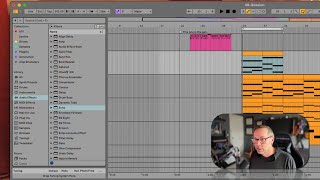
Okay, in this next section, I want to start talking about effects, because we are talking about producing music here. We need to deal with effects. So we're going to go into a disgusting amount of detail on all of the live audio effects here soon. And I think the fifth class in this series. Yes, the fifth class, but I want to introduce you to them now and give you kind of a big view of what we have and how we typically apply them. All of the effects that we have, we can kind of group into three different categories. Okay, they are dynamic effects. That would be effects that mess with the volume in some way or another. The second is pitch effects or frequency effects. Those would be things that mess with the frequency content of our sound. And the third would be time effects, effects that mess with time, like delays, things that add time, things like that. There are a couple other effects that we have that don't really fall into any good category, like some of these utility ones and things like that. But the majority of the effects that we have fit into one of those three buckets. Now, there's no right or wrong way to use effects. Put them on as your heart is content to do. However, if you want a starting point, a very broad rule, and there's more exceptions to this rule than there is the rule, but a good place to start would be to use them in that order. Okay, so put your dynamic effects first, put your pitch effects second, and your time effects third. If you're putting all three of those on a single track, that's a good order to start with. But the order does matter. The order will change the sound. So let's mess around with some effects. I think I want to play around more with this hi hat and some of this faster stuff and see what happens if we put a little delay on it. So let's look at some of the effects we have and how they fit into that.