2:49
J. Anthony Allen shows how to choose or create drum beats that fit existing music. He starts with a demo track of chords, pad, and bass line, then walks through his process for matching drums to the musical context by analyzing the bass first.
J. Anthony Allen shows how to choose or create drum beats that fit existing music. He starts with a demo track of chords, pad, and bass line, then walks through his process for matching drums to the musical context by analyzing the bass first.
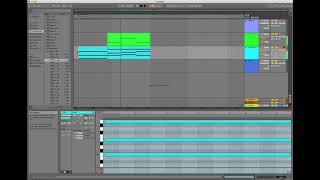
Okay. What I want to explore in this next part is taking a track. Maybe it's a track that you already have and finding a good beat for it. So what we've been doing up till now is really in this class and all the previous classes is really taking. Trying to build a beat in a specific genre. But what I want to do now is really focus on just. Let's say you have a track, doesn't matter what genre and how do you find a beat that fits? Right, so that's what we're going to do here. So I've started a little. Just not much of a track, but just a little thing. It's really just a chord progression and sort of a baseline. And what we're going to do over the next bunch of videos is make a beat for this. Probably a couple different beats for it. And I'm going to walk through what I look for when I'm trying to build a beat for a track. Okay, so let's just hear what we've got. I have this kind of long pad and this bass line. I left this long intro here because I thought maybe we'll do some kind of build up things in the drums leading to where the beat is going to come in right here. So right now there's no beat on it. So let's just hear it as is it. Sa. Okay, so that's it. It's not much of anything. What we need to do is figure out what's going to be best. Now obviously this is so empty that we could do a hundred different things on here and it would sound good. But I want to walk you through kind of how I would think about this if this was a track that I was really working on, which I guess it kind of is because I am working on it right now. So let's dive in. The first thing I'm going to do is focus on the baseline. So let's go to a new video and talk about that.










