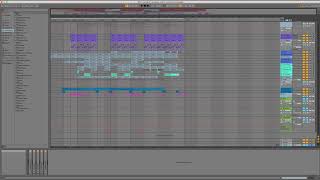
J. Anthony Allen explains mixing versus mastering. Mixing balances your multitrack session with levels, EQ, and compression. Mastering takes that final stereo file and optimizes it for different speakers and systems.
Chapters
Okay. One of the biggest questions that I get is what is the difference between mixing and mastering? Okay, so let's talk about that really quick. So we basically have three steps in making a professional track. Okay? We have the creative process, okay? Putting everything together, writing it, doing everything. That's probably. That's the biggest part of making a track, in my opinion, is getting everything in the right spot, making the music. Right after that, we go into the mixing phase. Okay? And the mixing phase is taking all of our levels and just tweaking them a little bit, getting everything where we want it, using some eqs and some compressors, making space. We'll talk about all of these terms and everything later, but getting it to sound really perfect. Okay? Then once we're done with mixing, we put out a stereo mix. Okay? So after mixing, we're gonna bounce this down to a stereo file, okay? And that's just like the stereo file that you hear on Spotify or anything. It's a stereo. It's just an audio file. It's not in the session. Okay. And that's key to understanding the difference between mixing and mastering. When we're mixing, we're working with the whole session. When we're mastering, we're just working with the stereo audio file. This is gone. We don't have this when we're mastering. Okay? So after mixing, we get this stereo audio file. Let me just pull up a stereo audio file here. Okay, so here's a stereo audio file. This is just a cymbal crash, but you'll get the point. So we have two channels. Just two channels, Not a whole session, just two. So when someone's mastering, this is what they're going to be looking at is just the final mix down of the session. And then from here, they're going to do everything that they need to do to master the song. Now, what is that? Mastering is a whole other process. And what it does is it makes. It does a couple things, but the biggest is that it makes the album feel cohesive. So if you're releasing a group of five tracks, it makes the levels match and it makes sure that everything works well together. Mastering also makes sure that the music sounds good wherever it's played. In other words, when I'm mixing, I'm going to mix for the expensive speakers I have here in my studio, right? I'm going to make it sure that everything sounds really good on my really nice speakers. But when you're listening to my track and you don't have really fancy speakers, you have just some little old stereo, maybe in your car, you've got blown out car speakers. We want to make sure that it sounds good there too. Right. Not just on my expensive speakers. So that's part of the mastering process. It's making sure that it sounds good in as many places as possible. So they're going to do all kinds of tricks to make sure that no matter where it's played, it has the best shot at sounding great. Okay. So a lot of that has to do with negotiating how much bass is in the track, how much treble, and finding good balances there. Again, mastering is another art form. It's another instrument. It takes a lot of practice, just like mixing does. Right. They're kind of two separate instruments that need to be learned. But the key takeaway is that when you're mixing, you're working with the whole session. When you're mastering, you're just working with the stereo bounce or the exported stereo file. That is the difference between mixing and mastering.