More Reading on Counterpoint: Fux, The Study of Counterpoint
27 Nov 2025 · 2 min
1:32
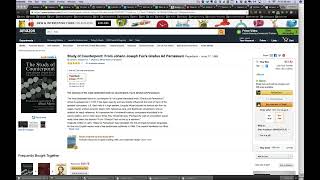
In this brief lecture excerpt, the speaker explains that the extensive set of counterpoint rules taught in music theory originates from Johann Joseph Fux’s 1725 treatise Gradus ad Parnassum (referred to as Gratis ad Parnassum). The work became the standard textbook for composers of the era and remains a cornerstone in contemporary theory education. The speaker notes that the modern English translation, titled The Study of Counterpoint, is the version most commonly used in college courses today. He emphasizes its lasting relevance by mentioning that historic composers such as Bach and Mozart owned copies, and he strongly recommends that students acquire the book as a reference tool.










