In this lecture segment, J. Anthony Allen introduces the concept of "atmosphere" as a specific type of musical cue used in film scoring. He defines atmospheric cues as subdued, spacious, and passive, often employed when the music should stay out of the way of on‑screen action. Allen describes the typical sonic qualities—slow tempo, quiet dynamics, and an open feeling—and notes common sound sources such as orchestral textures and electronic pads. He links atmospheric music to visual contexts that convey vastness or stillness, including sunsets, planetary or space scenes, large landscapes, oceans, and other expansive natural settings. To illustrate the idea, he references two contrasting examples: one intense yet atmospheric, and another that feels happy in a bittersweet way. The segment sets the stage for deeper discussion of how to craft and apply atmospheric music in film.
Chapters
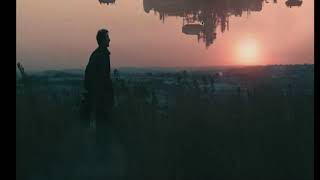
Now, that example I played for you of the project of mine a couple videos ago with the choir is a good introduction to our first big topic of part two of this class. So what we're going to dive into right now, and that is atmosphere. Now, atmosphere is something that we work with for a particular kind of cue. You can do it in a lot more spaces than you would expect. But. But what we're talking about here is a cue in which you. You really want to stay out of the way of a lot of stuff happening. Typically when we talk about atmosphere, we're talking about a subdued feeling, something very spacious, something very open. I guess we could think of atmosphere in terms of a really chaotic scene also. We could think of it in a lot of different contexts. But primarily what we're talking about when we say we want atmosphere here is something very slow, something subdued, and something kind of passive. We use a lot of different sounds for this. The orchestra works well for this kind of atmospheric sense. If we're working with electronic elements, something called a pad works really well too. We're going to talk about all that stuff in just a minute. I think of atmosphere a lot. If you see a scene in which we're kind of. There's like a panning, meaning like the. The camera is like moving across a sunset. An outdoor scene like what we're seeing here on the screen now. Planets, you know, like if we're out in space and we see planets, you know, and we're just kind of, kind of perceive the vastness of this. This space. Nature. But for me, nature is a little bit different. But that can work too. Water. Something huge, I think I like atmospheres. When we're looking at something huge like. Like the Earth or a big landscape or like the ocean, because you can't write something that is big enough to symbolize that. So instead you go with small in quiet, you know, you imagine what the sound is in that space. So it's a little hard to explain. So let's look at some examples. I have two examples for you here. One, something kind of intense and atmospheric and some. And another one that's just kind of happy in its own kind of sad way. Hard to explain. This is a tough to explain concept, which is why we're going to look at some. Some cues here. Okay, so let's break to a new film and then we'll talk about some examples.