J. Anthony Allen says composers don't need to master every plugin or tool. Start with notation software like MuseScore, Finale, Sibelius, or Dorico, then add a DAW like Logic or Ableton when you need realistic mockups. Buy gear only when you hit a specific limitation, not before.
Chapters
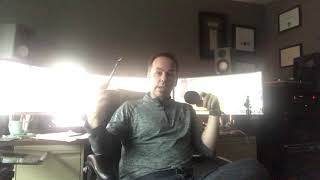
Okay, back to some of the technology stuff that you're seeing behind me here. Do you need to know a lot about music technology? Not necessarily just like music theory. Music technology is a huge, huge thing and it's always changing. There's always new technology every single day. You can find new things that you should be using, or you can feel guilty about not using because they're the latest, greatest things. And it's easy to get wrapped up in that. And getting wrapped up in that can just stop you in your tracks. You can say, oh, I have to learn this other new thing today instead of writing. You have to be really careful not to do that. You do need to know a bit of technology, depending on what your interests are, just like theory. So if you're interested in film scoring, you might want to know how to use Apple Logic. You might want to know how to use Pro Tools, maybe you might want to know how to use Ableton Live. That could be useful. But if you're not into film scoring, do you need to know those programs? If you want to make realistic sounding renderings that would be like fake versions, like fake orchestras, then those programs can be useful. But if you don't want to know how to do that, you don't need to. A music notation editor is probably the most important program for you. That that would be a program like Finale or Sibelius or the newest one on the block is called Dorico. Or if you don't want to use any of those, there's a free one called Musescore. M U S E S C O R E. It's a great program, it's free, and it's becoming quite impressive. I have a lot of students that are using that exclusively for their work and I've been really impressed by what they've been able to do with it. So check out Musescore. Musescore.org I think is the website for it. A lot of people are using that. And what those programs do is they let you input music notation. It's like a text editor, like Microsoft Word, but for notation. And then you can print it out and give that to the performers. Right. So that can be better than your handwritten manuscript. Right. It can be really good looking, professional quality scores that they can read rather than reading your own notation, if that's what you want to do. They can also output MIDI and then you can import that into some other program like Logic or Pro Tools or whatever you want. And then you can queue up a synthetic orchestra. So you don't need to know every crazy plugin in the world. I would say the smart money would be on a music notation program of some sort. Musescore is a great place to start. Doesn't cost you anything. The next thing I would do is invest in some audio program like Ableton Live, Apple Logic, maybe Cubase. If you're in a PC world. Logic is only for Apple, but Ableton and Cubase are for either one or for Mac or PC. So any of those would be great. So that's what I would do. Definitely get a notation program. Then if you have some money, get a audio editing program like one of those that can make better versions of your your music with synthetic orchestra. I have some classes here that explain how to use musescore. I also have a bunch of classes on how to use Ableton Live and a few on how to use Logic. So that can teach you how to use those programs. Check those out, they're quite fun. But I guess the main thing is try not to get too bogged down in the technology. You don't need every crazy plugin. Just get some basic stuff and you'll learn what you need as you go. Eventually you'll say like, oh, I really wish I could do this thing and I need this piece of technology to do it. But until you hit that wall, don't blow your money on buying all kinds of crazy stuff. You don't need three gigantic monitors and a bunch of keyboards and a mixer and whatever else I have over here. I can't see behind me right now an apogee quartet and a trillion hard drives. You don't need all that until you need it. So just wait, grow naturally and buy what you need when you need it. You'll know when you're missing out on something. You'll have some idea. You'll say, gosh, I wish I could do this thing. Then you'll find the technology to help you do it. Most of the time, all you really need is creativity. So try not to get bogged down on technology too much.