The Interval of a Sixth
17 Feb 2024 · 2 min
1:33
C to A is a major sixth. Flip it upside down by dropping the A an octave and it becomes a minor third. Major intervals always invert to minor ones, and vice versa.
C to A is a major sixth. Flip it upside down by dropping the A an octave and it becomes a minor third. Major intervals always invert to minor ones, and vice versa.
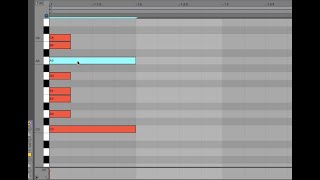
Okay, let's keep pressing on. And now let's talk about the 6th. So the 6th, if we count up 1, 2, 3, 4, 5, 6, the 6th above C is going to be A. Now, again, same deal happens here. We have the inversion that we've already been using, the evil twin. So the sixth can also be major or minor. So the sixth in the key of C is major. So this is a major sixth interval. If I wanted to make it a minor six interval, I could go out of the key and take it down there. But the C to A is a major sixth interval. So if I invert it by pushing the A down an octave and go A up to C, I now have a third. And in fact, I have a minor third because it was a major sixth. So it's going to be a minor third, because third, the third, is the inversion of the sixth. And major becomes minor. Minor becomes major. So a major sixth becomes a minor third. A minor sixth becomes a major third. So this is a major third. So that's what the inversion is of a sixth. And that's how you've already been using sixes, because we've been using thirds like crazy. Right? So you already know what thirds are. They're just sixes spread out a little bit more.










