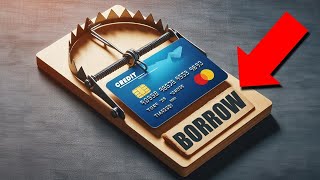
A short instructional video by Jayson Lowe explaining the financial consequences of borrowing for major purchases. It contrasts the borrower’s cash flow (going into negative to obtain cars, education, housing, etc.), the ongoing cost of interest paid to lenders, and advocates learning to "become your own banker" to retain control and interest earnings.
Chapters
So how do you go about financing the major purchases in life? Often you end up in the borrower position, financing the things that you need. You want it now or you need it now? This is common when you simply have not been able to consistently save up to pay cash for the things in life that you need. Let's take a look. Here you can see our borrower line. We have a zero and of course we're going down below the zero in our example. Let's just say we're purchasing a car. Now, the reality is this could be for any major purchase in your life, for example cars, equipment, education, vacations, housing, renovations, and the list goes on. This also assumes as the borrower that you're able to borrow the money from someone else's bank. That means, of course you're a good borrower, you have a good credit score, you jump through all the hoops necessary just so that you can access some money from someone else's pilot capital. Notice here the red section of our graph where it shows effectively the cost of interest or the cost of borrowing just so that you can go and get these things taken care of in life. In other words, you start below the zero line because you need it now or you want it now. And you work and work and work and work to pay that back just so that you can get back to the zero line. You're never able to set anything aside and you're always walking away from the capital and giving your capital to someone else's bank. The more that you need their money, often the harder it becomes. With changing lending rules and uncertain economic times, your ability to access cash through loans and lines of credit can become much more difficult. The result is again, you start below the zero line and you only ever go back to zero. Someone else earns all the interest and all the profits. The lender you can, and you should learn how you can become your own banker to take more control over your future financial decisions. Now, if you're the borrower, you always owe someone else, someone who was able to create capital for the purpose of lending. In other words, every loan that you have is someone else's asset.
Next up in video two of our four part series, Click here to learn how being a saver and paying cash for everything still leaves you with nothing.