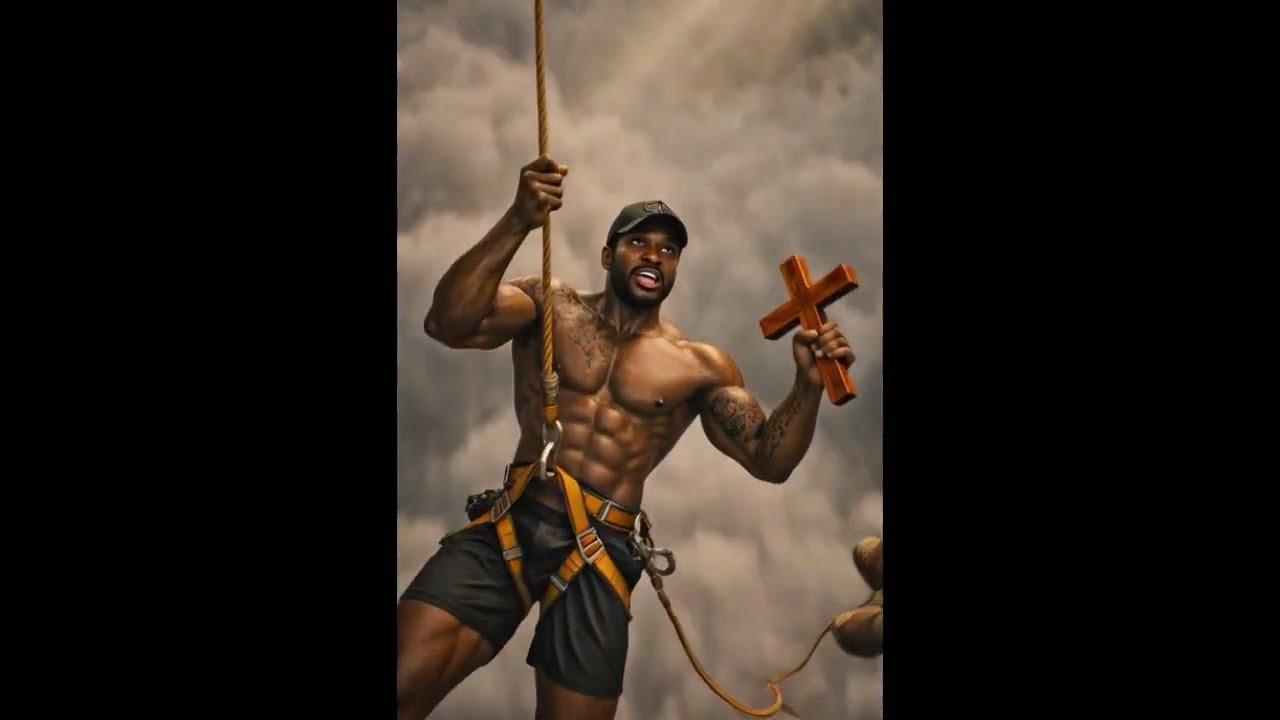
The piece is a lyrical, spoken‑word Afrobeat performance that weaves a mythic saga around the Yoruba warrior figure Onikoyi (also rendered Onikoi) and the trickster deity Esu, with a brief interlude featuring Oshun. Through repetitive, incantatory verses spoken by multiple voices (Speaker A, B, C), the text constructs an archetype of an unflappable warrior who never receives an arrow in the back, is immune to illness, commands natural forces, and embodies a strict code of battle honor (e.g., Esu must never be shot in the back). The narrative blends Yoruba language fragments, symbolic imagery (spider‑web war garments, rain‑water command, fire incantations), and animal metaphors (squirrel, vulture, baobab) to create a ritualistic atmosphere. The overall purpose is to celebrate an invincible, conflict‑driven hero, reinforce cultural mythic values, and fuse them with contemporary Afrobeat performance aesthetics.
Chapters
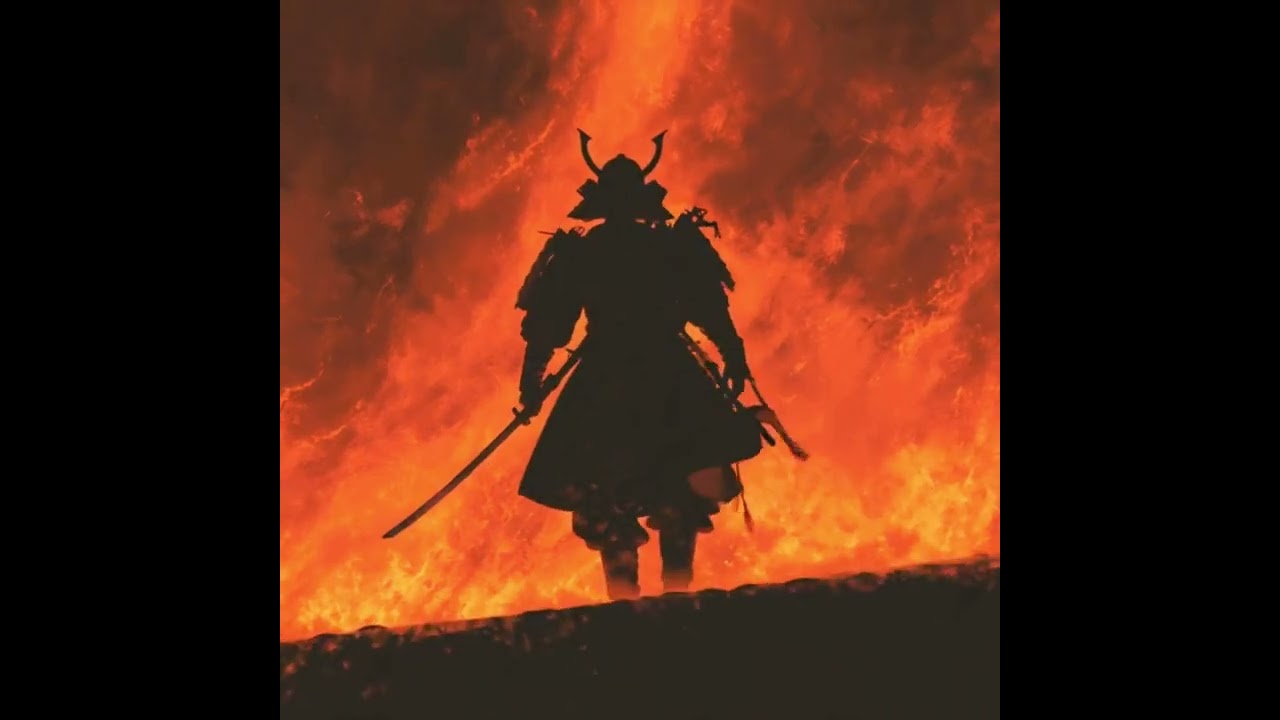
African Space Samurai.
The Esu must fight and conquer, or the Esu must fight and perish. Esu ki gbawo fale yi afibio bago beni wa ju gango. An Esu must never be shot in the back. His wounds must always be right in front. Ala koroki sa ogun, wanda weze korone. Must never flee in battle.
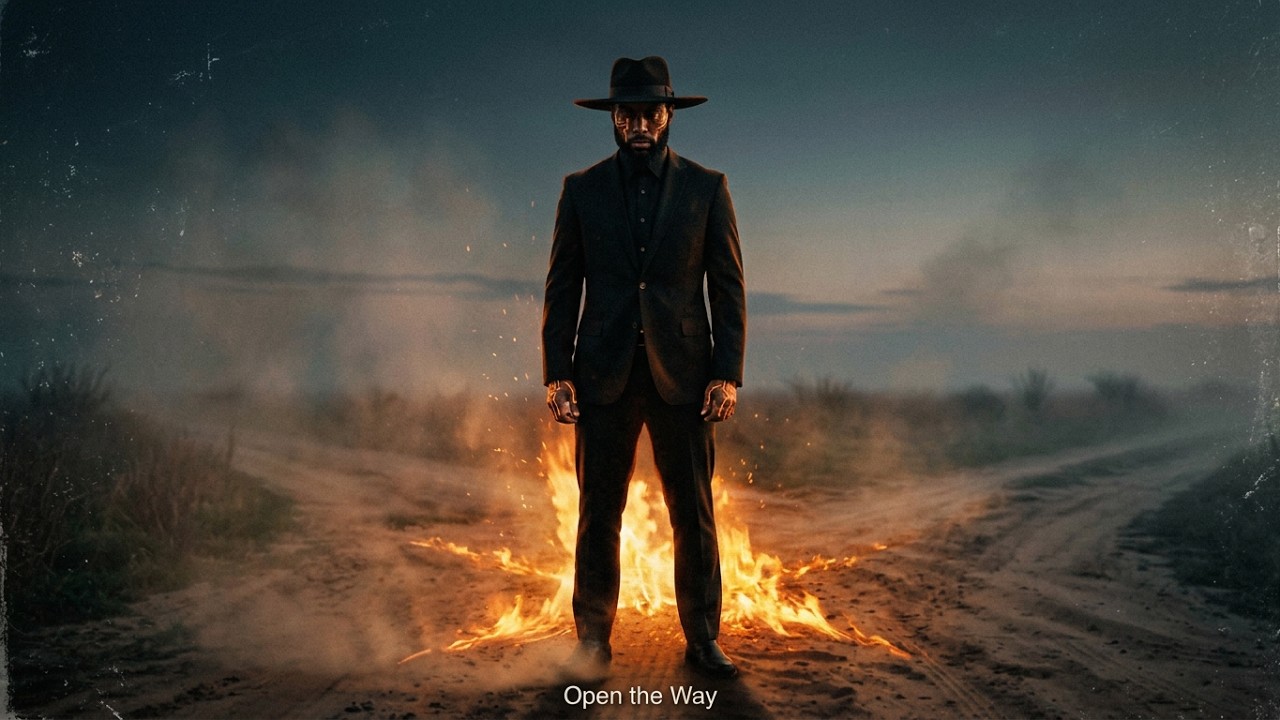
Tell them about an unflappable warrior. A warrior both at home and on the battlefield. The birds of spring on Iroko tree. Aka la mago chabo, magical sight. One who walks ahead and notices people approaching from behind. Onikoyi, who used the thread to bind the rock with the witchery lines of Iyajo. Onikoyi, who is undeterred by gunshots. Death's son, disease's son, who can never become ill. Onikoyi, who is assertive on the battleground. One who enjoys nothing more than conflict. The combatant who never takes a break. The child of the squirrel who cannot be apprehended by onipakute. Onikoyi, who is unfazed by adversity. The offspring of the resolute aakoni. One who walked on the earth and rattled it. The child of the coconut roots that wreaks havoc on the soil. Oniko I, who made a war garment out of spider web. A combatant with psychic powers. One who stays at the crossroads and commands feral creatures from the forest. One who commands rainwater and fills the barren Akerrekpe when he is parched. Oniko I, a jungle dweller who struts like a king. Oniko I journeyed to terrify bush and caused such a ruckus in the woods. When 200 spirits stood against him, he summoned the unhittable breeze which he harnessed to battle. Behind them. Onikoyi, a powerful figure who arrived in the dark forest and came face to face with the cruel warriors. He recited incantations and set the dry grass on fire which he used to burn. Onikoyi who goes for night walks and notices the baby's missing nails. Onikoyi who walks during the day and refuses to notice passersby because he sees just what he wants to see. He'll eat Olojini if you bring it to him. Bring him Ala Bandida, he'll gobble it up. Bring the alligator to him, he'll devour it. But he'll be able to devour the squirrel because it's a forbidden subject for the squirrel fathers.
One of two things befit an Esu. The Esu must fight and conquer, or the Esu must fight and perish. Esu must never be shot in the back. His spoons must always be right in front. One hour is a coronet, must never flee.
Onikoi, the warrior who never received an arrow in his back. Child of the water lily, child of the squirrel. The bird's foot shall never touch the water, the river shall never be at rest. Onikoi, the warrior who frightens death himself.
Child of the vulture perching on the baobab tree.
Oshun went out to rob, then a thief broke into his own house. Oshun met the thief on the road, the thief said, "Ha!" He's that lord, Oshun! Oshun, he said, "Ha!" He's that lord!
The thief, they pounce on each other. Oshun cuts off the thief's head, the thief cries, "Oshun, Sopona, help me!" Oshun replies, "Whether you call Oshun or whether you call Sopona, I am the one who cuts off the heads, for every warrior is a bit of a thief."