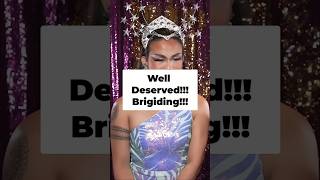
In a post‑finale panel, three speakers celebrate Brigidin’s victory as the first Drag Race Philippines: Slaytion Royale champion, praise the production and the top four contestants (Arizona, Suki, Viñas, Brigidin), and argue that drag shows serve as powerful cultural bridges. They contend that in a world facing conflict, entertainment that showcases diverse cultural expressions can reduce ignorance, combat discrimination, and foster peace by encouraging audiences to understand and empathize with one another.
Chapters
I have made my decision. The winner of Drag Race Philippines: Slaytion Royale, the very first Slaytion Royale drag superstar is— Brigidin! Ding ding ding ding! The brightest star! Congratulations!
Well deserved, well deserved. Congratulations, Brigidin!
Okay, let's recap what we just watched. I think it was really well produced finale for Drag Race Philippines: Slaytion Royale, it being the first season. They had a very good run. The top 4 are very deserving. I really love how they each showed their expression of drag, from Arizona to Suki to Viñas to Brigading. But also Viñas, kona, kona misis. You are the it girl, I would say.
Flexion Real, please continue this way of making entertainment where we learn a lot about each other's culture. I think the world needs it. With the world in war right now, the best thing we need is to understand each other, and shows like this help us get there because we understand like the context, the cultural perspective. And I think that's, that's really, really helpful to understand each other.
Yeah, and that, and that's really true. Ignorance is really like the root of all like the discrimination, hate, and all that. And having this type of platform where we can talk about or discuss about sensitive issues, or like even other cultures, uplifting other cultures, is, it's really a good way to understand one another and, you know, foster peace among people.
Yes, and don't be afraid to be 'Too political.' There's no such thing as too political. You know, as drag queens, we are here for a reason, and that is to really challenge perspectives to the rest of the world. The moment we get into our drag, it's— we're really suggesting that there is an alternative way of thinking about the world other than the binary. And I think that's the very first purpose of drag.