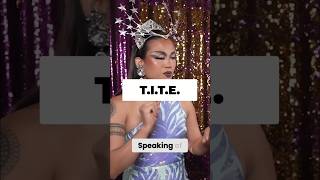
In this short dialogue, the speakers explain the choice of naming an award "Tite," highlighting that "tite" is Tagalog slang for penis. They discuss a broader Filipino linguistic habit of infantilizing or reduplicating taboo words, especially related to body parts, as a way to soften or play with them. The conversation then shifts to queer language in the Philippines, describing its evolution from such reduplicated slang into the well‑known swardspeak (also called swarding or bequines). They note that queer lingo functions as a survival tactic for LGBTQ+ communities worldwide, and the award’s name serves to showcase both artistic heritage and linguistic culture.
Chapters
Speaking of culture, I, I, I want to divert to the name of the award, which is Tite. Yeah, I like it because this— let them know what Tite in the vernacular means. Yeah, and I really like it because not, not only are we showcasing like the rich history of art, culture through art and history, but also culture through language, especially like the vernaculars that we have, the sexual slangs that we have, and So what does tite mean? Tite, for instance, tite is slang for your penis. It's like dick but in Tagalog. Yes. And something that I've learned during my college years too is that Filipinos, it's part of our culture to infantilize words or to repeat like the same syllable to, you know, describe something that we deem as taboo or something that is scandalous, like our body parts, like our genitals, like tite and puke and yike.
Our lingo, our queer lingo, or beckiness, in fact, which we used in your event, you know, Maki Becky?
Oh yes, yes! Do you want to talk about that? I like the crossover between infantilizing the words, like the genitals, into incorporating it as part of the gay lingo. And then it evolved into like tite to like burrat and all that. We have— so the gay lingo in the Philippines is more commonly known as the swards or the swarding. Yeah, the swardspeak, the swarding. And yeah, um, or bequines.
Or bequines. Yeah. And you know, we all know queer lingo is not isolated in the Philippines. It's a common survival tactic for queer people all over the world. Yes.
Yes.
And that's why, that's why this is very significant that we are using queer lingo in a series that is— that has a global platform and, you know, really showcasing what that means in a Filipino context. And tite is the word.