Adobe Just Unveiled ORCHESTRATOR: an AI Agents That Might Change the Internet Forever!
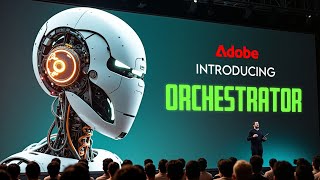
Adobe released Orchestrator, a system of ten specialized AI agents that automate marketing, content creation, and personalization tasks. The agents coordinate through Adobe's Experience Platform and integrate with AWS, Microsoft, and ServiceNow. Adobe says generative AI is driving rapid growth in site traffic and platform revenue.
Chapters
Over the last couple of years, Adobe has really ramped up its AI efforts. In 2023, they rolled out the Firefly image generation model, followed pretty quickly by Generative Fill in Photoshop, which offered just a taste of how far Adobe was willing to push automated creativity. Now the company is focusing more on these specialized AI agents that in many ways can operate on their own and tackle a wider range of tasks. They refer to this shift as agentic AI, implying that each agen agent is self reliant enough to notice what needs attention. Instead of always waiting for direct commands, these tools can anticipate issues like broken links, weak conversion spots, or outdated assets and step in to fix them. A huge part of this overall approach comes down to the Adobe Experience Platform Agent Orchestrator, which basically coordinates these agents and helps them function together in harmony. This orchestration system is meant to simplify how each agent taps into enterprise data and weaves through various customer journeys. And by the way, that means an agent focused on site optimization might compare insights with another agent that handles data analysis all within a single Interface. Adobe unveiled 10 agents in total, each zeroed in on a different responsibility. The Site Optimization agent, for instance, checks traffic stats, bounce rates, and possible user experience bottlenecks, then suggests or implements fixes. The Content Production agent creates images or text, aligning them with specific themes or brand standards. Meanwhile, the Journey agent coordinates content across channels, ensuring that emails, social media posts, and on site messaging work smoothly together. There's also a workflow optimization agent for improving collaboration, a data engineering agent for handling massive data projects, and a few more that serve very particular purposes. Alongside this orchestration layer, Adobe introduced Brand Concierge, which basically relies on the same core technology in the Experience platform but directs it toward end users. This feature greets people by name and personalizes the whole site based on how they previously browsed or on preferences they've shared. It remembers those details, combines them with product or content data, and then tweaks visuals, headlines, or calls to action. In line with what it knows, Adobe anticipates that people will see more of this style of interaction over time, partly because users are now more comfortable dealing with AI tools in general. Lonnie Stark, Adobe's vice president of strategy and product, points out that once businesses see AI effectively handle tasks like resizing thousands of images, they naturally start picturing bigger and bolder automation. That's a big reason these agents are built to keep running even when a human manager isn't watching them. Adobe backs all this up with internal numbers, showing how quickly generative AI is catching on in the broader market. From July 2024 to February 2025, traffic to US retail sites driven by generative AI jumped by 1,200% and travel sites saw a surge of 1,700%. Because of that growing comfort with AI driven services, Adobe believes brand concierge can take it a step further by actually shaping an entire website's layout or content for each visitor. They've also worked with companies like Amazon Web Services, Microsoft, IBM, SAP, Genesis, Rainfocus and others to ensure that these agents can plug into different ecosystems. Enterprises typically run a bunch of solutions from various providers, so so Adobe's goal is to help them tie those together. The Orchestrator lets one agent share data with another. For example, an analytics agent could tell an engagement agent to send a follow up campaign if conversions drop on a certain landing page. Having all these agents managed under a single hub lets marketers see exactly what's going on across every aspect of the customer journey. During the Adobe Summit 2025 in Las Vegas, the spotlight was firmly on how the Adobe Experience platform is shifting to handle massive amounts of data and to refine personalized experiences on the fly. Released in 2019, the platform got some big upgrades last year, including an AI assistant for campaign tasks. According to Adobe, the Experience platform now powers over 1 trillion customer experiences annually. Its revenue soared by 50% in FY 2024 and new customers grew by 30%. Company leaders say the explosive rise in AI adoption is pushing them to develop agentic tools that merge analytics, content creation and automated engagement under one framework. They're also enhancing other parts of the Experience cloud. Firefly, which started out as an image generation model and is expanding through various new Firefly Services and APIs. These additions include automated translation for video content, lip syncing in multiple languages, and a Substance 3D API that builds numerous product images for marketing or E commerce. Adobe GEN Studio, designed to smooth out the entire content supply chain, just got a foundation feature that lays out a single view for tracking campaigns, tasks and and creative elements. GenStudio for Performance Marketing then focuses on paid social or display ads, cranking out fresh ad variations that stick to brand guidelines and sharing them right away on platforms like Microsoft Advertising platform, Google Campaign Manager360 and LinkedIn ads. Content analytics is another essential component. This newly released tool gauges which parts of an asset most strongly influence user engagement. A hotel marketer might find out that images with sunset beach scenes produce more reservations than pictures of cities. That information flows back into the Adobe Experience platform, which can refine audience groups so the AI displays more beach centric visuals to users who seem to prefer them. If the experimentation agent sees a spike in conversions, the content production agent can pivot upcoming materials toward that style or theme. Adobe also announced broader partnerships with Amazon, Microsoft, Publicis Group and ServiceNow, all centered on on making these agents easier to adopt in diverse setups. Amazon ads, as an example, can pair up with Adobe's Performance Marketing so that marketing teams can create and launch on brand ad variations for Amazon's advertising platform. Microsoft's tie in brings these AI agents into common workplace tools, helping teams handle marketing tasks right where they're already working. Publicis Group is folding Firefly into its own AI stack, letting agencies quickly spread spin out customized campaigns for clients. The summit featured well known executives like Coca Cola's James Quincy and JPMorgan Chase's Jamie Dimon talking about how AI can radically reshape customer engagement. Leaders from ServiceNow and Unilever also highlighted the nitty gritty of rolling out advanced analytics, personalization and AI. Adobe showed off some early stage R and D in a summit sneaks session hosted by comedian Ken Jeong, hinting that even more ambitious features might be on the way. Of course, Adobe included its usual warnings about forward looking statements, saying that they can't predict how things like regulations, data security questions or sudden market changes might impact the success of these AI projects. They also note that multinational compliance, intellectual property and the mechanics of AI development all introduce their own set of challenges. But Adobe feels confident that major enterprises already using Experience Cloud will embrace these new agents for a wide range of tasks. Adobe is blending creativity and marketing under a single AI driven roof. Its Experience platform pulls data from Firefly third party models and in house sources, letting specialized agents handle work that used to demand entire teams. Executives say this semantic understanding of data and brand rules sets them apart. Marketers and designers can stay focused on strategy while AI picks up the repetitive load by tying multiple agents into one place, Adobe promises a consistent, coordinated experience at every step. They call this approach customer experience orchestration, meaning generative AI. Personalization and multi channel engagement come together so a site can reconfigure layouts, highlight the most relevant content and and measure engagement or conversions in real time. Several well known brands plan to test these capabilities soon, hoping they'll streamline tasks like reformatting images or sorting through large datasets. Adobe believes widespread adoption could shake up routine operations with automated scans spotting performance issues and AI fueled creation, getting fresh content out faster. Of course, questions about data privacy remain. Adobe insists Firefly and the Experience platform follow commercial security standards, letting enterprises limit how much information each AI agent can access. They see agentic AI as the next big shift where human teams no longer have to dig through dashboards or juggle complex workflows. Because agents offer instant suggestions on how to improve everything from product listings to overall user experiences over time, those suggestions should sharpen, all thanks to shared data and brand vision within the agent orchestrator. Many businesses already rely on AI for analytics or content, but Adobe wants to unify all these elements in one system. They point to a 50% revenue boost for the Experience platform and huge leaps in AI driven traffic as signs of what's possible. If these tools deliver on their promise, they might redefine how companies create, optimize and adapt content, freeing people for bigger picture decisions while the AI tracks every tweak behind the scenes. If you've got thoughts on this, feel free to share in the comments. Don't forget to hit that like button and subscribe if you haven't already. Thanks for watching and I'll catch you in the next one.










