AI is Unstoppable: OpenAI New Tools, VW's AI Move, Google's Latest Twist, Higgsfield AI Video!
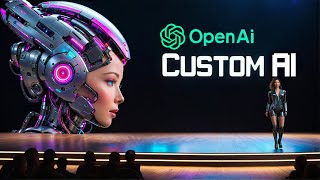
OpenAI expanded fine-tuning for GPT-3.5 with new tools and integrations. Higgs Field released an AI video generator making short, controllable human-motion clips. Google is testing paid AI search features while Volkswagen launched an AI lab to embed AI into vehicles.
Chapters
OpenAI has recently upgraded its tools that allow developers to fine tune AI models more effectively, making a big step towards customizing artificial intelligence. With these enhancements, developers can now adjust AI models to better suit specific business needs or industry requirements. Since last August, OpenAI's tool for making these improvements, called the Fine Tuning API for GPT 3.5, has been a big hit. This tool enables AI models to get better at specific tasks by deepening their understanding of relevant content. Lots of companies have used it to make their AI models better at a wide range of things. Key updates to the API include features like EPIC based checkpoint creation, which reduces the need to start training from scratch and helps prevent overfitting. There's also a new user interface in the playground that allows for comparing model outputs side by side, offering a clear view of how adjustments affect performance. Integration with third party tools, starting with weights and biases and detailed validation metrics are part of these advancements, marking a significant leap in fine tuning capabilities. Moreover, OpenAI is expanding its custom model program. This program now supports assisted fine tuning, where OpenAI works closely with organizations to enhance model performance using sophisticated techniques. This has already brought notable successes such as with SK Telecom, which improved its customer service with a model fine tuned for the telecommunications sector. Additionally, the program offers the development of entirely custom trained models for organizations with unique complex needs. An example is Harvey, an AI tool for lawyers that improves the accuracy of legal case law analysis. Developed through a partnership with OpenAI, OpenAI thinks that in the future, most companies will want to have their own customized AI models. With these new tools and programs, it's easier for businesses of all sizes to create AI models that fit exactly what they need, making things more efficient and effective. For anyone interested in trying out these new features, OpenAI suggests checking out their fine tuning API documentation. There's also more information for those who want to dive deeper into making custom AI models with OpenAI's help. Now, following OpenAI's exciting updates, there's more in the AI space to talk about. With the introduction of Higgs Field and a new AI video generator, Higsfield is getting a lot of attention. Kind of like Sora from OpenAI, because they both use similar tech to make really advanced AI. Supported by funding from Menlo Ventures, this AI model is setting its sights on revolutionizing video generation. With extensive camera and motion controls, especially focusing on human movement, the platform is gearing up to open access to its features soon. Promising clips of up to 10 seconds this duration might not match Sora's potential minute long shots, but it's a significant step forward compared to what's currently available, and there's anticipation to see if Sora's final version will match or exceed this. Though I haven't experienced Higgs Field firsthand, the buzz from videos shared on social media highlights its unique, exceptional control over the generated content. The platform promises unparalleled personalization and control alongside realistic human characters in motion, a notable challenge for AI where other models often stumble, creating awkward, unnatural human movements. So how does Higgs feel stand out among other AI video models? While many rely on diffusion models similar to those behind popular AI image generators, Higgsfield employs a transformer model approach akin to the tech behind ChatGPT and Google Gemini, but with a twist. It integrates diffusion models aiming for super smooth realistic videos. This hybrid model strategy mirrors OpenAI's and stability AI's efforts, enhancing prompt adherence and video control. This innovative approach enables the creation of world models. As Menlo Ventures explains, these models are so advanced they can simulate physical reality, producing video sequences that are long, smooth and coherent enough to rival professional content. It's an ambitious vision that positions Higgs Field at the forefront of the video AI revolution. As Higgs Field prepares for its rollout, the it's clear that the AI landscape is entering an exciting new phase alright now, in the midst of advancements from OpenAI and Higgs Field's new AI video generator, Google's parent company Alphabet has stirred the pot by considering charging for AI powered search features within its premium subscription. This news has sparked a mixture of excitement and concern, causing a slight dip in Google's stock price. Bank of America's Justin Post pointed out that this plan could integrate AI driven search functions into Google's subscription services, which also offer the Gemini AI assistant. Despite these additions, Google plans to keep its standard search engine free with ads still appearing in search results. This strategy raises questions about the impact on Google's ad revenue, particularly with AI technology becoming part of search queries. As Google stock fluctuated with a 2.8% drop following following the announcement, overall it has grown by 8% in 2024. The decision to potentially charge for AI search features hints at Google's efforts to manage the costs associated with AI development and licensing, possibly due to lower ad click through rates with AI searches. While introducing a paid tier for AI services could align Google with its competitors successful strategies, it also suggests a significant shift in Google's approach to monetizing AI, which without affecting profit margin. However, this move could disrupt the traditional free search model, sparking debates about the future of AI in search alright now. Volkswagen Group, one of the world's leading car manufacturer, is setting up its own AI company. This bold move aims to infuse cars with AI features, making AI a key player in Volkswagen's future. They're creating an AI lab to spark innovation and partner up with tech companies globally, turning fresh AI concepts into digital prototypes for their vehicles. Volkswagen's strategy focuses on enhancing customer experiences by integrating AI driven functionalities into their vehicles. These include advanced speech recognition, connecting vehicles to users, digital worlds and developing new car features like AI, optimized charging for electric cars and predictive maintenance. The AI Lab will serve as an incubator, scouting worldwide for new AI product ideas and working with partners to turn the most promising ones into prototypes. It's set to foster quick, flexible collaboration with tech giants, ensuring Volkswagen stays at the forefront of AI innovation. Leading the AI Lab initiative are Carsten Helbing as CEO and Carmen Schmidt as CLO and cbo. Supported by a team of AI experts. The venture is overseen by a supervisory board composed of members from Volkswagen, Audi and Porsche, guaranteeing that Volkswagen's AI efforts are in sync with its brand's visions and market's needs. Now there's another interesting twist to the story of AI's evolution and its impact on the job market. Big tech companies, aware of the growing concerns about AI's potential to replace human jobs, have banded together to form a new group, the AI Enabled ICT Workforce Consortium. Led by Cisco and supported by giants like Google, Microsoft, IBM, Intel, SAP and Accenture, this consortium is diving into how AI might change jobs and and how to prepare people for this future. The rise of AI highlighted by OpenAI's advancements also brings to light the challenges and opportunities in the job market. AI's impact is not just about creating new tools and possibilities in tech. It's also about how it reshapes the workforce. For example, UPS and IBM have already seen significant changes due to AI and new technologies, leading to layoffs and hiring freezes for roles that might soon be automated. However, the ITC aims to counter the fear that AI will only lead to job losses. Instead, it focuses on the potential for reskilling and upskilling, particularly within the information and communication technology ICT sector. The consortium's work starts with evaluating AI's impact on 56 ICT job roles, aiming to provide training recommendations and connect businesses with skilled workers ready for these new challenges. This effort underscores a crucial aspect of AI's role in the workforce and the need for a proactive approach to understanding and adapting to the changes it brings. As AI technologies push the boundaries of what's possible, the ICT's initiative serves as a reminder of the importance of preparing the workforce for the future. This involves not just navigating the technical advancements, but also ensuring that workers have the skills and training to thrive in an AI enhanced job landscape. The consortium's work is just beginning, with plans to expand and refine its efforts in the coming years. While the promise of AI in reshaping industries and creating new opportunities is vast, the path forward requires collaboration, innovation, and a commitment to addressing the workforce challenges head on. All right, don't forget to hit that subscribe button for more updates. Thanks for tuning in and we'll catch you in the next one.










