Google DeepMind Introducing V2A - Brings Videos to Life with Shockingly Realistic Audio
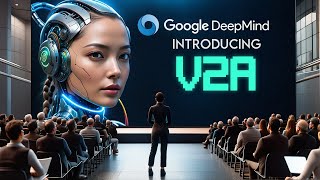
Google DeepMind's V2A generates synchronized audio, effects, and dialogue from video and text prompts using diffusion models. Runway's Gen 3 promises more realistic video generation, while Adobe adds Firefly image tools to Acrobat with a multi-document AI assistant.
Questions this video answers
June 18, 2024.
June 18 to June 28 (promo period).
Chapters
DeepMind has developed an innovative system called V2A, short for video to audio. As the name suggests, this technology can actually generate audio elements like soundtracks, sound effects, dialogue and more, synchronized perfectly with video footage. And we're not just talking about basic stuff here. V2A can create rich, realistic soundscapes that capture the tone, characters and overall vibe of the visuals. Now, AI generated video is old news. At this point, companies like DeepMind, OpenAI Runway, Lumalabs and others have been killing it in that space. However, most of these video generation models can only produce silent footage without any accompanying audio, which kind of takes away from the immersive experience, don't you think? Well, that's exactly the problem V2A aims to solve. According to DeepMind's blog post, their new technology combines video pixels with natural language text prompts to generate audio that matches the on screen action. Essentially, you can feed it a video clip and a prompt, like cinematic thriller music with tense ambience and footsteps, and V2A will cook up an entire synchronized soundtrack to complement those visuals. But here's where it gets really fascinating. V2A can also work its magic on all sorts of existing video content, from old movies and silent films to archival footage and beyond. Just imagine being able to add dynamic scores, sound effects and dialogue to classic silent pictures or historical reels. So how does this cutting edge system actually function? From what I understand, DeepMind experimented with different approaches before settling on a diffusion based model for audio generation, which provided the most realistic and compelling results for synchronizing video and audio information. The process starts by encoding the video input into a compressed representation. Then the diffusion model iteratively refines the audio from random noise, guided by the visual data and natural language prompts. This allows the system to generate audio that closely aligns with the given prompts and visuals. Finally, the compressed audio is decoded into an actual audio waveform and combined with the video. Now, to enhance the quality and give users more control over the generated audio, DeepMind incorporated additional training data like AI generated audio annotations and dialogue transcripts. By learning from this extra context, V2A can better associate specific sounds with corresponding visual scenes, while also responding to information provided in the annotations or transcripts. Pretty ingenious stuff, eh? But as impressive as V2A is, it's not without its limitations. DeepMind acknowledges that the audio quality can suffer if the input video contains artifacts or distortions that fall outside of the model's training distribution. There are also some challenges with lip syncing generated speech to character mouth movements when the underlying video model isn't conditioned on transcripts.
This turkey looks amazing, huh? I am so hungry.
However, DeepMind is already working on addressing these issues through further research and development, and you know they're taking the responsible AI approach here. The blog post mentions gathering feedback from diverse creators and filmmakers, implementing synthetic watermarking to prevent misuse, and conducting rigorous safety assessments before considering any public release. Honestly, I can't help but be excited about the potential of this technology. Just imagine being able to create entire movies from scratch with perfectly synced audio and visuals using nothing but text, process prompts and an AI system like V2A. It's the kind of thing that would have seemed like pure science fiction not too long ago. At the same time, I can't ignore the potential implications for industries like filmmaking, television, and others involved in audio visual production. If AI can generate high quality audio and video content at scale, what does that mean for the human creators and professionals in those fields? I'm certainly no expert, but it seems clear that we'll need robust labor protections and to safeguard against job displacement and ensure a fair transition. But those are discussions for another day. For now, let's just appreciate the sheer technological prowess that DeepMind has demonstrated with V2A. So let me know your thoughts on DeepMind's V2A technology in the comments below. Are you as excited about its potential as I am, Or do you have some reservations? Alright now, Runway, the company behind the popular Generative video tool that's been creating a lot of hype in the AI community, has just unveiled their latest iteration. And yet again, I must say, it's a game changer. Introducing Runway Gen 3, the next generation AI video generator that promises to take your mind to a whole new level of immersion and realism. Now, from the preview samples that have been circulating, this thing is smooth, realistic, and to be honest, it's already drawing comparisons to the highly anticipated Sora from OpenAI. The generated videos, especially those featuring human faces, are so lifelike that members of the AI art community have been praising it as better than Sora even before its official release. One Reddit user summed it up perfectly, saying it if you showed those generated people to me, I'd have assumed it was real. But what exactly sets Runway Gen 3 apart from its predecessors and competitors? Well, for starters, it seems to have nailed that elusive balance between coherence, realism and prompt adherence. The videos showcased so far appear to be highly responsive to the prompts given, while maintaining a level of visual quality and smoothness that's virtually indistinguishable from real life footage. Essentially, what Runway has achieved with Gen3 is a significant leap forward in terms of creating believable cinematic experiences from simple text prompts or images. And we're not just talking about static scenes here. These videos are dynamic, with characters exhibiting natural movements and expressions that truly bring them to life. But alongside the Gen 3 video generator, Runway is also introducing a suite of fine tuning tools that promise to give users even more control over the creative process. From flexible image and camera controls to advanced tools for manipulating structure, style and motion, it's clear that Runway is aiming to provide a comprehensive, user friendly experience for AI, video enthusiasts and professionals alike. And if that wasn't enough, Runway has also hinted at the ambitious goal of creating general world models, which would essentially enable the AI system to build an internal representation of an environment and simulate future events within that environment. If they can pull that off, it would truly be a game changer in the world of AI generated content. Now, the folks at Runway have been tight lipped about a specific release date, but they have assured us that Gen 3 Alpha will soon be available in the Runway product. And if the co founder and CTO's tease is any indication, we can expect some exciting new modes and capabilities that were previously impossible with the older models. To be honest, as an avid consumer of AI generated content, I can't wait to see what kinds of mind blowing creations will emerge from this powerful tool. But of course, with any new technology, there are bound to be challenges and concerns. Issues around intellectual property rights, copyright laws and the potential for misuse or abuse will need to be addressed. But for now, let's just bask in the technological marvel that is Runway gen 3 and celebrate the incredible achievements of the team behind it. As more information and updates become available, you can bet I'll be sharing them with you all. In the meantime, let me know your thoughts on Runway gen 3 in the comments below. Alright. Finally, Adobe just announced new AI tools for their iconic Acrobat software. So here's the deal. Adobe has integrated their Firefly AI model into Acrobat. Which means you can now generate and edit images directly within your PDFs. Like you can literally type in a prompt and Firefly will create a brand new image for you right there in the document. And not only can you generate images, but you can also edit existing ones. And here's the real kicker. These image capabilities aren't just limited to PDFs. Adobe has also introduced the ability to work with Word documents, PowerPoint presentations, text files and more. All from within Acrobat. Essentially, it's becoming a one stop shop for all your document related needs. Now let's talk about the Acrobat AI assistance. This AI lets you ask questions, get insights and create content across multiple documents regardless of their format. Like, you can drag and drop a bunch of PDFs, Word files and PowerPoints into the Assistant and it'll analyze them all and give you a summary of the key themes and trends. You can also ask the assistant specific questions about the content and it'll provide intelligent answers complete with citations so you can verify the sources. And if you need to format that information into say, an email or report, the assistant can handle that too. Oh, and let's not forget about the enhanced meeting transcript capabilities. We've all been in those meetings where you zone out for a bit and then suddenly you're lost. Well, with the new Acrobat AI Assistant, you can automatically generate summaries of the meeting, including the main topics, key points and action items. Now, Firefly model is trained on moderated licensed images, so you don't have to worry about any copyright issues or inappropriate content. And when it comes to customer data, Adobe takes an agnostic approach, meaning they don't train their AI models on your personal information. To be honest, I'm really impressed with what Adobe has done here. They've turned Acrobat into a powerful AI driven productivity tool that can handle all sorts of document related tasks with ease. And here's the cherry on top. From June 18 to June 28, Adobe is offering free access to all the new Acrobat AI Assistant features. So if you're curious to try it out for yourself, now's the perfect time. In my opinion, this is just the beginning of what AI can do for productivity software like Acrobat. I'm excited to see what other innovations Adobe has in store for us in the future, but for now, these new AI tools are definitely worth checking out. Alright, don't forget to hit that subscribe button for more updates. Thanks for tuning in and we'll catch you in the next one.










