Google's New TRENDING AI That No One Saw Coming Just Got a Massive Update
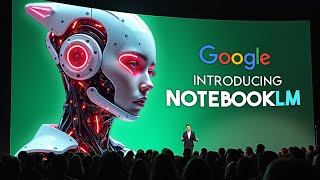
This content was created by LARRUZ. This content was uploaded by LARRUZ. This is a YouTube video titled "Google's New TRENDING AI That No One Saw Coming Just Got a Massive Update" created on September 27, 2024. It discusses Google's updates to its AI-driven note-taking tool, NotebookLM, which now supports multimedia content like YouTube videos and audio files, enhancing research and collaboration capabilities. The video also covers the integration of AI across Google's products, including new features in Google Photos and Google Workspace.
Chapters
Google's trending Notebook LM update is transforming note taking into a powerful multimedia tool that lets you easily summarize, organize and share everything from YouTube videos to audio files, making research and collaboration more efficient than ever. So Google has rolled out some powerful updates for its AI driven note taking and research assistant, Notebook lm, and these enhancements are changing the game for anyone working with multimedia, whether it's video, audio or traditional documents. The updates leverage the Gemini 1.5 large language model, which adds more depth and versatility to how information is managed and analyzed. With the ability to handle YouTube videos and audio files alongside the usual text, PDFs and webpages, NotebookLM is no longer just a text based tool. This opens up new opportunities for research, content creation and and even collaborative projects. One of the standout features is the integration of video and audio as source material. The update allows users to upload YouTube URLs or audio files, making it easier to extract valuable information from non text based content. NotebookLM transcribes the media and provides a summary of the key points while still allowing users to query the content just like they would with a written document. This is particularly useful for those in fields like journalism, academics or media, where lectures, interviews and other spoken word content play a large role in research. It's also highly practical for corporate meetings or group study sessions where reviewing a long conversation can be tedious. By uploading an audio recording, you can quickly get a summary and extract insights from what was discussed without needing to listen back to the entire conversation. NoteBookLam's processing capabilities don't stop at simple transcription and summaries. It provides passage highlights and citations, allowing users to navigate back to the specific parts of the source material that generated a particular insight or answer. This means more efficiency in locating important information, which could be crucial when working on tight deadlines or juggling multiple projects. It's also ideal for academic environments where accurate citation is non negotiable for anyone dealing with a large volume of material. The platform supports up to 50 sources per notebook, with a combined limit of 500,000 words. This kind of scale makes it possible to gather vast amounts of information, from long documents to multimedia content, and have it all in one place. With the limit of 1,000 notes per notebook, users can maintain a detailed, organized system for tracking their thoughts, annotations and insights as they work through large volumes of content. One of the more innovative features that Notebook now offers is the audio overview. This functionality converts your notes into an audio dialog between two AI generated voices. The voices go over the content like two people discussing it in a conversational style, summarizing key points, and even making connections between different ideas.
Ever get that feeling like you're just drowning in information, articles, PDFs, websites, all promising to, like, unlock the secrets of the universe, or at least help you finally finish that research project you've been putting up?
It's like having an audiobook version of your notes, but structured as a discussion. This can be especially handy for people who prefer listening over reading, or who want to engage with their material in a different format. While it's still an experimental feature with some limitations, like the time it takes to generate for larger notebooks, it adds an extra layer of versatility to how users can interact with their notes. For now, this feature only supports English, but as with most experimental tools, further improvements are likely down the line. What's also new is that you can now share these audio overviews through a public URL, making it easier to distribute insights with colleagues, clients or team members. No need for everyone to have a NotebookLM account, just generate the link and they can listen to the summary. This can streamline workflows for teams working on group projects, especially when managing large amounts of shared information for students and academics. NotebookLM's capability to generate study guides from handwritten notes and lecture slides adds another layer of utility. The tool can pull out the key themes from these materials and help create a structured guide that walks through the subject matter systematically. This is especially useful for prepping for exams or presentations, saving hours of manual note organization. It also has functions for creating short quizzes, essay prompts, and frequently asked questions, making it more than just a tool for collecting notes. It's also a resource for actively learning and reviewing material. Earlier this year, Google Labs began expanding, expanding access to Notebook LM globally. Previously limited to the US, it's now available in over 200 countries, including India and the UK. The international expansion broadens the tool's reach, allowing more people to take advantage of its features, especially now that multimedia content is supported. Google has also been enhancing its AI capabilities across the board with updates to its video editing tools in Google Photos. The new editing suite now includes an AI powered trim tool for more precise cuts cuts, and an auto Enhance button that automatically adjusts lighting and removes shaky footage. This fits into Google's broader strategy to integrate AI across its products, not just in note taking and research, but also in content creation for professionals in the corporate world. There are even more perks coming with Google workspace integration. In the fourth quarter of this year, Google will begin rolling out its Gemini AI Assistant to all workspace business plans. This means that business customers will be able to access the Gemini powered AI assistant in apps like Google Docs Sheets and meet without paying any additional fees. With over 10 million paid workspace users, this move is set to put powerful AI tools in the hands of even more people. Importantly, Google is also placing an emphasis on enterprise grade security, ensuring that sensitive data is handled appropriately. Admins will have control over how long user prompts and responses are stored, giving businesses more oversight over their data. One of the things that sets NotebookLM apart from other AI tools is the balance between automation and user control. The AI doesn't just spit out summaries or answers, it also provides users with direct access to the source material and allows for customizable notes. This is crucial because it keeps the human element in research and note taking intact, offering guidance without completely taking over the process. It's a tool that supports critical thinking rather than replacing it, which makes it particularly useful in more nuanced fields like journalism or academia, where the context and details matter. The update also expands the range of use cases for NotebookLM. It's not just about traditional note taking anymore. Video summaries can benefit content creators or educators who want to break down large amounts of media into digestible parts. Audio file transcription is a massive advantage for journalists conducting interviews, students recording lectures, or professionals needing to keep track of meeting minutes. The tool also proves useful for resume or presentation reviews. Users can upload their files, get a summary, and even turn it into an audio overview to share with colleagues or potential employers. Incorporating AI into these tasks isn't just about speed, it's about helping users focus on the critical thinking and creativity aspects of of their work by cutting down the time spent on mundane tasks. In a way, Google is not just creating a smarter tool, it's building a more productive work environment. As more people start using NotebookLM and similar AI driven tools, it will be interesting to see how this reshapes workflows across various industries. The ability to handle multimedia content, create dynamic audio discussions and share those insights easily shows that Google is thinking beyond just simple note taking. It's about creating a platform that helps users analyze, learn and communicate more effectively. The technical improvements, like supporting YouTube videos and integrating them into an analysis flow, seem like small steps, but could have major impacts on how efficiently we process large amounts of information. Alright, if you're interested in more deep dives into AI, robotics and the future of tech, make sure to like, subscribe and leave a comment. Subscribe thanks for tuning in and I'll catch you in the next one.










