Microsoft’s Secret Spy AI Chatbot, World's First AI TV, OpenAI SEARCH Update & More!
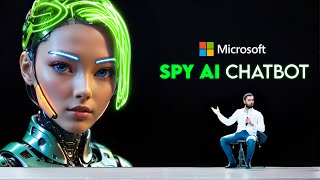
Microsoft built a secret offline chatbot for U.S. intelligence to handle classified data. Samsung launched an AI TV with an 8KNQ8 processor. OpenAI is building a search engine to rival Google, and Microsoft is investing $3.3 billion in an AI data center in Wisconsin.
Chapters
Imagine a chatbot like ChatGPT, but built specifically for spies and super secure. That's exactly what Microsoft has created for US intelligence agencies. This special chatbot uses AI similar to the technology behind ChatGPT and Microsoft Copilot, but with a crucial difference. It's completely disconnected from the Internet. Why is being offline so important? Well, typical AI models like ChatGPT need the Internet to learn and process information. This can be risky for spies because it could expose sensitive data to hackers or leaks. Microsoft recognized this danger and built a unique air gapped system. This means the AI model is isolated and can't be accessed from the outside world, making it super safe for handling top secret information. This new technology is a game changer for intelligence agencies. They can now use the AI model to analyze classified data, crack codes and do other spy stuff, all without worrying about data breaches. This is the first time ever we've had an isolated version, meaning it's not connected to the Internet and it's on a special network only accessible by the US Government, explained William Chappell, a top tech expert at Microsoft. Most AI models like OpenAI's ChatGPT rely on cloud services to learn and understand information. This means the data they process could potentially be seen by others. However, Microsoft's air gapped model is different. It's like a self contained unit that can read files without needing to learn from them or access the Internet. This ensures that secret information stays secret. Interestingly, the CIA already had a similar service like ChatGPT last year, but it wasn't as secure and couldn't handle highly classified data. The intelligence community needed something more powerful and secure. And Microsoft's new AI model seems to fit the bill perfectly. So next time you think about chatbots, remember there's a whole secret world of AI out there helping spies spy. Alright Now Samsung has some big news. They're launching a new TV. But not just any TV. It's actually the world's first AI powered TV. First off, this TV is packing some serious power with its 8 KNQ8 AI Gen 3 processor and a super fast neural processing unit. In simpler terms, it's got an AI brain that's constantly analyzing and optimizing whatever you're watching. This means a big boost in real time content analysis and optimization leading to what Samsung promises will be a superior picture and sound experience. Samsung is highlighting a bunch of cool AI features aimed at improving picture quality. The 8K AI upscaling pro breathes new life into lower resolution content, making everything look sharper and more detailed. Meanwhile, the AI Motion Enhancer Pro tackles motion blur, which is usually a problem during fast paced action scenes or sports. The audio experience hasn't been left out either. The Active Voice Amplifier Pro is designed to isolate and enhance dialogue clarity so that you never miss a crucial line, even if there's background noise. Plus, the object tracking SoundPro technology aims to create a more immersive soundscape by dynamically tracking on screen objects and adjusting the audio accordingly. Samsung is also focusing on making things more convenient and personal. The AI Optimization feature automatically adjusts settings for the best possible viewing experience. And if you're a gamer, the AI Auto Game mode recognizes game genres and tweaks settings for seamless gameplay. They're even thinking about the environment with their AI Energy mode, which uses sensors to analyze ambient lighting and on screen movement, then automatically adjusts screen brightness to save energy. Powered by Samsung's Tizen os, the TV offers a familiar, user friendly interface with access to popular streaming apps and personalized content recommendations. While independent reviews haven't come out yet, Samsung's new technology paints an exciting picture of the future of home entertainment. The AI integration seems to go beyond gimmicks, offering real benefits in picture quality, sound immersion and user experience. Of course, there are still some questions about the actual performance and effectiveness of these AI features. How much better does the picture quality really look? Does the AI audio truly create a more immersive experience? And most importantly, does the price tag justify all this new technology? Only time and thorough testing will tell if Samsung's new AI TV lives up to its promises. But one thing's for sure, Samsung is pushing the boundaries of what we expect from our TVs, and it'll be interesting to see how the industry responds to this latest innovation. Okay, now looks like things are about to get heated in the world of online search. OpenAI is reportedly planning to steal steal the spotlight from Google by launching its own AI powered search engine just a day before Google's big annual developer conference. Google I O Not sure what their angle is, but this looks like a serious power move. Google I O is where Google usually unveils its biggest and most exciting projects for the year. And this year everyone's expecting big news about their advancements in AI and search. But OpenAI might just steal the show with their new search engine, which is rumored to be a direct competitor to Google Search. This isn't entirely out of the blue, though. There have been whispers about OpenAI's search engine ambitions for a while now. Apparently it's going to be like a supercharged version of ChatGPT where you can ask questions and get answers that are backed up by sources like news articles, blog posts, Wikipedia entries and even images. So why is this such a big deal? Well, Google has been the king of search for as long as most of us can remember, but with OpenAI stepping into the ring with its own AI powered search engine, things could get really interesting. It's like a David and Goliath story with OpenAI challenging the established giant. Of course Google isn't just going to sit back and watch. They've been working hard on their own AI projects like their Gemini AI models and the Search Generative Experience, which is basically an AI powered search assistant. It's clear that the future of search is all about AI and with OpenAI and Google going head to head, we can expect some serious innovation and competition in the coming years. It'll be fascinating to see how these AI powered search engines evolve and which one comes out on top. So get ready for a search engine showdown because the battle for online information supremacy is about to begin Now. Wisconsin is poised to become a major hub for artificial intelligence thanks to a significant investment from tech giant Microsoft. President Biden recently announced that Microsoft will be building a new state of the art AI data center in Racine, Wisconsin in injecting a whopping $3.3 billion into the region and creating thousands of jobs. This move is particularly noteworthy as the chosen location previously held the promise of a major Foxconn facility which ultimately fell through. Now with Microsoft stepping in, the area is set for a technological resurgence focusing on the burgeoning field of AI. The impact of this new data center is expected to reach far beyond its physical footprint. The project is estimated to generate 2,300 construction jobs and 2,000 full time positions at the center itself. Additionally, it's anticipated to spark a wave of new business activity with small businesses emerging to support the data center and its workforce. Microsoft's commitment to Wisconsin goes beyond just the data center. They're also planning to establish the nation's first manufacturing focused AI co Innovation Lab at the University of Wisconsin, Milwaukee. This lab will serve as a bridge between Wisconsin's small businesses and Microsoft's developers, helping entrepreneurs leverage AI to enhance their operations and boost productivity. The tech giant is also partnering with Gateway Technical College in Racine to create a Data Center Academy which will train future generations of developers and offer AI focused boot camps to local businesses. This focus on education and training underscores Microsoft's dedication to fostering a thriving AI ecosystem in Wisconsin. This investment in Wisconsin signifies the growing importance of AI across various industries. By providing resources and support to local businesses, Microsoft aims to empower them to harness the power of AI, ultimately leading to economic growth and higher wages for workers. Wisconsin's transformation into an AI hotspot is a testament to the potential of this technology to revitalize regions and drive innovation. Alright, don't forget to hit that subscribe button for more updates. Thanks for tuning in and we'll catch you in the next one.










